Hereditary Coproporphyria: Symptoms, Diagnosis & Treatment
Comprehensive guide to understanding hereditary coproporphyria, its triggers, and management strategies.

Hereditary Coproporphyria: Overview and Definition
Hereditary coproporphyria (HCP) is a rare metabolic disorder characterized by deficiency of the enzyme coproporphyrinogen oxidase (CPOX). This enzyme plays a critical role in the heme synthesis pathway, and its deficiency results in the accumulation of porphyrin precursors and coproporphyrin in the body. HCP is one of several acute porphyrias and belongs to a group of genetic disorders affecting heme metabolism. The condition is inherited in an autosomal dominant pattern, meaning affected individuals have a 50% chance of passing the mutation to their offspring.
Despite carrying the genetic mutation in the CPOX gene, most individuals (greater than 90%) with the mutation never develop acute attacks or skin symptoms during their lifetime. This variable expression means that genetic predisposition alone is insufficient to cause disease manifestation; additional triggering factors are required to precipitate acute episodes.
Genetic Basis and Inheritance Pattern
HCP is caused by mutations in the CPOX gene, which encodes the CPOX enzyme. This gene mutation is inherited as an autosomal dominant trait, indicating that inheriting just one mutated copy from either parent is sufficient to carry the genetic predisposition. Affected individuals have a 50% risk of transmitting the disease to each of their offspring.
The CPOX enzyme catalyzes a critical step in heme biosynthesis by converting coproporphyrinogen III to protoporphyrinogen IX. When this enzyme is deficient or dysfunctional, coproporphyrinogen accumulates and undergoes auto-oxidation to form coproporphyrin, which is a photosensitizing compound. This accumulation of porphyrin precursors, including aminolevulinic acid (ALA) and porphobilinogen (PBG), triggers the neurovisceral and cutaneous manifestations of the disease.
Triggers and Risk Factors
The development of acute HCP attacks requires more than just the genetic mutation; specific triggering factors are essential to precipitate symptomatic episodes. These triggers act by increasing the demand for heme synthesis, which becomes problematic given the limited CPOX enzyme activity. Understanding and avoiding these triggers is fundamental to disease management.
Exogenous triggers include:
- Certain medications (barbiturates, sulfonamide antibiotics, anti-seizure drugs, oral contraceptives)
- Excess alcohol consumption
- Infections and acute illnesses
- Low-carbohydrate diets or fasting
- Cigarette smoking
Endogenous triggers include:
- Hormonal changes, particularly related to the menstrual cycle in women
- Pregnancy
- Stress and emotional triggers
Women are predominantly affected by HCP, with symptoms often coinciding with menstruation. The hormonal fluctuations associated with the menstrual cycle serve as a significant trigger for acute episodes in many women.
Clinical Presentation and Symptoms
HCP typically manifests after puberty, with symptoms usually beginning between 20-30 years of age, though earlier presentations have been documented. Acute attacks develop over a period of days and present with variable timing and severity from person to person.
Neurovisceral Symptoms during Acute Attacks:
- Severe abdominal and bowel pain (primary symptom)
- Back pain and muscle weakness
- Nausea and vomiting
- Tachycardia (increased heart rate)
- Hypertension (high blood pressure)
- Constipation
- Confusion and restlessness
- Hallucinations
- Seizures (less common)
- Muscle paralysis affecting limbs, trunk, and respiratory muscles (in severe cases)
Cutaneous Symptoms:
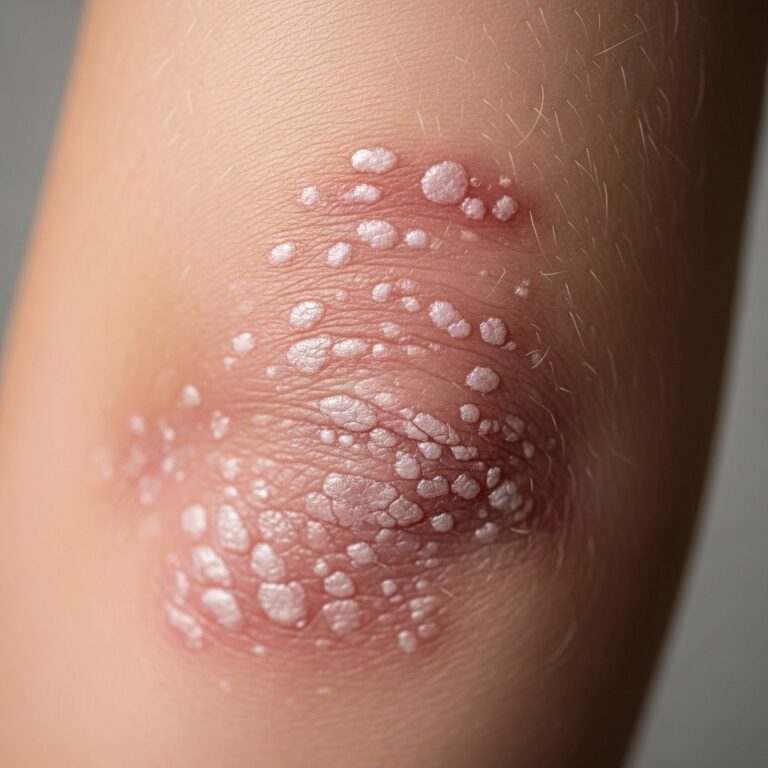
Approximately 30% of HCP patients develop skin lesions as a result of photosensitivity. These lesions predominantly appear on sun-exposed areas, particularly the hands and face, and present as painful bullae (fluid-filled blisters) that typically leave hyperpigmented scars upon healing.
Related Stories



Chronic Symptoms:
Some HCP patients experience chronic symptoms between acute attacks, which may be related to ongoing recovery, nerve damage from previous attacks, or chronically elevated porphyrin precursors. Common chronic symptoms include fatigue, muscle weakness, chronic pain, and sleep disturbances.
Between acute attacks, most individuals with HCP have no signs or symptoms. However, in rare cases and particularly without proper diagnosis and treatment, the disorder can cause life-threatening complications.
Diagnosis and Testing
Diagnosis of HCP is based on clinical symptoms combined with specific biochemical testing. Because genetic mutations alone do not confirm active disease, proper laboratory confirmation is essential.
Diagnostic Approach:
- Initial biochemical testing focuses on measuring porphobilinogen (PBG) levels in urine
- Blood and stool testing to assess porphyrin levels
- Genetic testing can confirm the specific CPOX gene mutation and identify the type of porphyria, but genetic testing alone is insufficient to diagnose active HCP
- Clinical evaluation based on symptoms and attack history
During acute attacks, elevated levels of ALA and PBG in urine serve as biochemical markers of active disease. Early and accurate diagnosis is critical, as prompt recognition and treatment of acute attacks can prevent severe complications and even death.
Treatment and Management Strategies
There is no specific cure for HCP; treatment is directed toward managing acute symptoms and preventing future attacks through trigger avoidance. The treatment approach requires a multidisciplinary team, potentially including pediatricians, neurologists, hematologists, dermatologists, hepatologists, and psychiatrists.
Prevention of Acute Attacks
The primary management strategy involves identifying and avoiding known triggers:
- Maintaining adequate carbohydrate intake
- Avoiding porphyrinogenic medications
- Limiting or eliminating alcohol consumption
- Promptly treating infections
- Managing stress appropriately
- For women, managing hormonal factors when possible
Genetic counseling is recommended for affected individuals and their families to identify those at risk of developing or transmitting the disease.
Acute Attack Management
Acute neurovisceral attacks are considered medical emergencies and typically require hospitalization. Initial management includes:
- Discontinuation of any medications that may worsen HCP or trigger attacks
- Identification and elimination of other triggering factors
- Ensuring adequate carbohydrate intake, administered orally or intravenously
- Glucose or carbohydrate supplementation, which may resolve some attacks without requiring additional medications
Pharmacological Treatment
First-Line Acute Treatment:
Panhematin (hemin for injection) is an FDA-approved enzyme inhibitor derived from red blood cells that is highly effective in suppressing acute porphyria attacks. When administered intravenously, Panhematin almost always returns porphyrin and porphyrin precursor levels to normal values. Administration typically occurs once daily for several consecutive days, with effectiveness markedly improved when given early in the attack course.
Supportive Symptomatic Treatment:
- Analgesics (pain medications, often opioids such as morphine) for severe pain management
- Anti-anxiety medications for restlessness and anxiety
- Anti-hypertensive drugs for blood pressure management
- Antiemetic medications for nausea and vomiting
- Medications for tachycardia management
- Medications for treating concurrent infections (intercurrent infections)
Advanced Treatment Options
Givlaari: A newer preventive treatment designed for individuals with frequent HCP attacks to reduce attack frequency and severity.
Liver Transplant: In very severe cases where other management strategies prove inadequate, liver transplant may be considered as a therapeutic option.
Monitoring and Supportive Care
During acute attacks, careful monitoring includes:
- Assessment for muscle weakness and respiratory issues
- Monitoring fluid and electrolyte balance
- Management of hyponatremia (low serum sodium), which can induce seizures; water deprivation may be indicated for mild cases, while severe hyponatremia (100-115 meq/dl) requires saline infusion
- Vascular access management, as haemarginate infusions require central line placement
Hospitalization enables proper administration of medications, maintains adequate fluid and nutritional support for those unable to eat due to nausea or vomiting, and provides continuous clinical monitoring.
Prognosis and Complications
The prognosis for HCP varies significantly among individuals. While acute attacks can be life-threatening, outcomes are substantially improved with early diagnosis and prompt treatment. Cardiac arrhythmia or respiratory paralysis, though rare, can prove fatal.
Rarely, chronic neurological symptoms can develop as a long-term consequence of repeated attacks or persistent elevation of porphyrin precursors. However, many individuals with HCP experience few attacks during their lifetime, while others experience recurrent episodes.
Frequently Asked Questions
Q: Can HCP be cured?
A: No, there is no cure for hereditary coproporphyria. Treatment focuses on managing acute symptoms and preventing attacks through trigger avoidance and, when attacks occur, through supportive care and heme therapy.
Q: Will I definitely develop symptoms if I have the CPOX gene mutation?
A: No. More than 90% of individuals with CPOX gene mutations never develop acute attacks or skin symptoms during their lifetime. Additional triggering factors are necessary for symptom manifestation.
Q: What should I do if I suspect I’m having an acute HCP attack?
A: Seek immediate medical attention, as acute attacks are medical emergencies. Inform healthcare providers of your HCP diagnosis so they can provide appropriate treatment, including pain management and heme therapy if necessary.
Q: Are there medications I should avoid?
A: Yes. Several medications are known porphyrinogenic triggers, including barbiturates, sulfonamide antibiotics, anti-seizure drugs, and oral contraceptives. Consult with your healthcare provider or refer to porphyria-specific medication databases before taking any new medication.
Q: How does the menstrual cycle affect HCP in women?
A: Hormonal fluctuations associated with the menstrual cycle can trigger acute attacks in women with HCP. Managing hormonal factors, when medically appropriate, may help reduce attack frequency.
Q: What is the inheritance pattern of HCP?
A: HCP is inherited in an autosomal dominant pattern. Affected individuals have a 50% chance of passing the CPOX gene mutation to each child, regardless of the child’s sex.
References
- Hereditary Coproporphyria (HCP) — Porphyria Foundation. 2020. https://porphyriafoundation.org/purple-light-blog/todays-highlight-what-is-hcp-hereditary-coproporphyria/
- Hereditary Coproporphyria — Australian Porphyria Association. https://www.porphyria-australia.org/hereditary-coproporphyria
- Hereditary Coproporphyria – Symptoms, Causes, Treatment — National Organization for Rare Disorders (NORD). https://rarediseases.org/rare-diseases/hereditary-coproporphyria/
- Hereditary Coproporphyria — Orphanet. https://www.orpha.net/en/disease/detail/79273
- Hereditary Coproporphyria — DermNet. https://dermnetnz.org/topics/hereditary-coproporphyria
- Hereditary Coproporphyria (HCP) — United Porphyrias Association. https://www.porphyria.org/hcp
Similar Articles








Read full bio of medha deb