Hereditary Hemorrhagic Telangiectasia (HHT)
Understanding HHT: Symptoms, diagnosis, and treatment options for this genetic bleeding disorder.
Understanding Hereditary Hemorrhagic Telangiectasia (HHT)
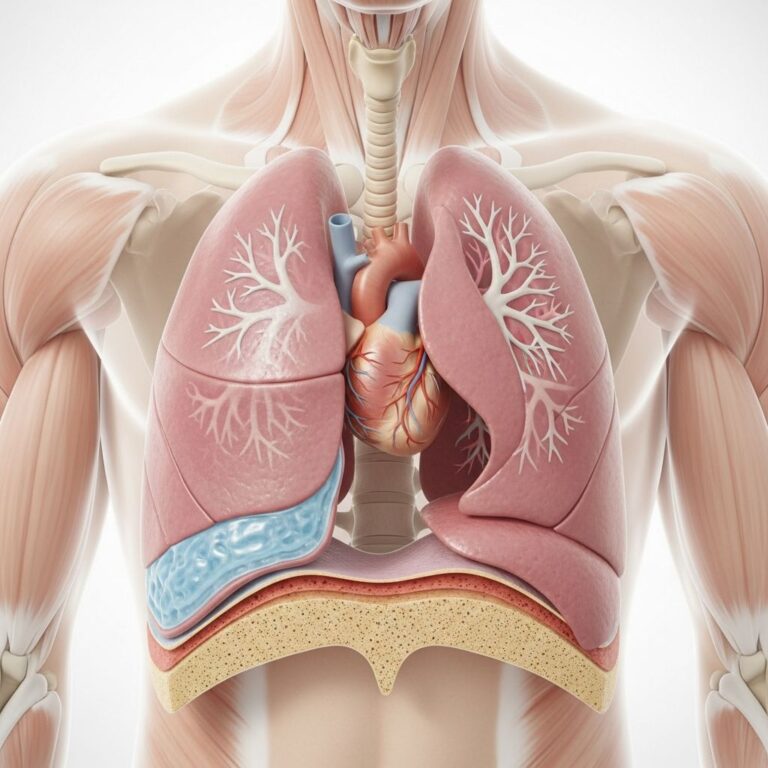
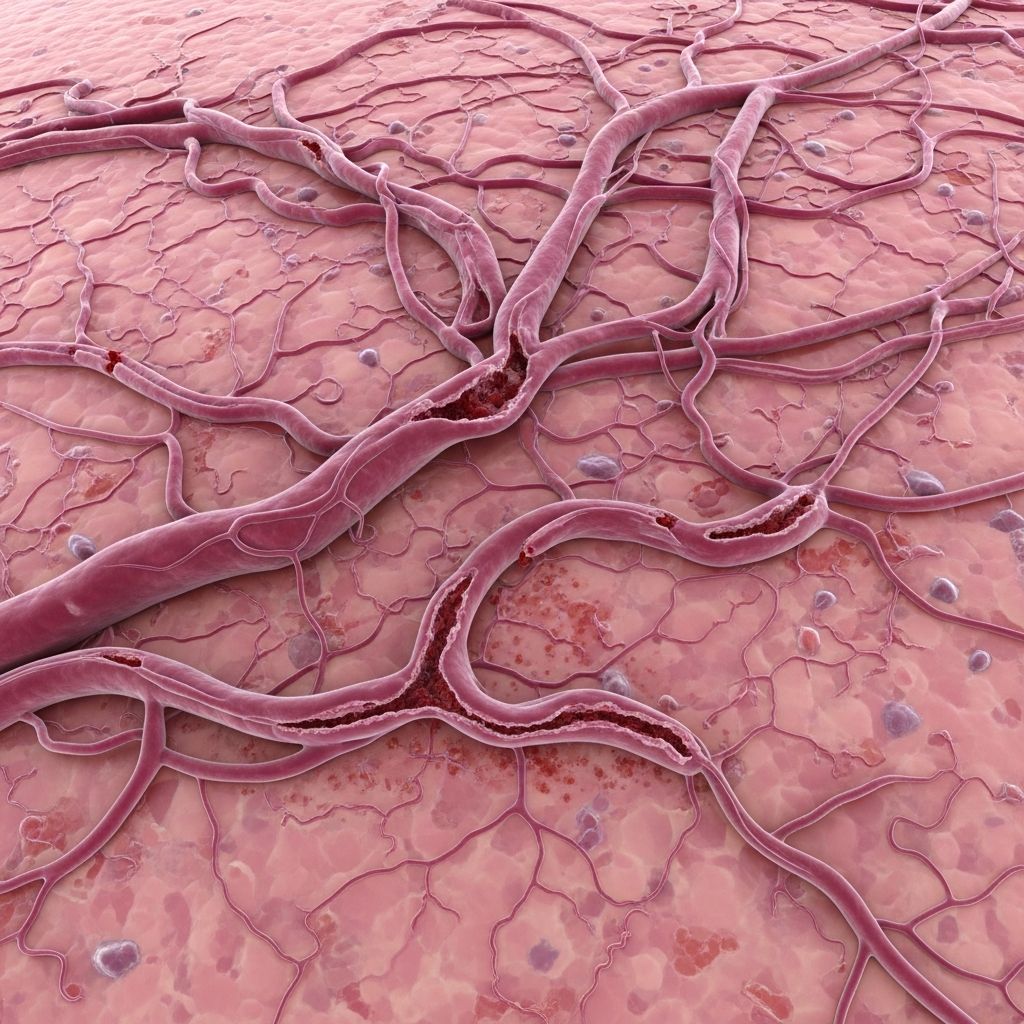
Hereditary Hemorrhagic Telangiectasia, commonly known as HHT, is a genetic disorder characterized by abnormal blood vessel development throughout the body. This inherited condition causes the formation of abnormal connections between arteries and veins, known as arteriovenous malformations (AVMs), as well as small dilated blood vessels called telangiectasias. These vascular abnormalities can develop in various parts of the body, including the skin, mucous membranes, and internal organs such as the lungs, brain, liver, and gastrointestinal tract.
HHT is inherited in an autosomal dominant pattern, meaning that an affected individual has a 50% chance of passing the condition to each of their children. The disorder affects both males and females equally and can occur in any racial or ethnic group. While the exact prevalence of HHT is not entirely clear due to underdiagnosis, studies suggest it affects approximately 1 in 5,000 to 1 in 10,000 people worldwide.
What Causes HHT?
HHT results from mutations in genes that are essential for normal blood vessel development. The most commonly affected genes include endoglin (ENG), activin receptor type II-like kinase 1 (ACVRL1), and SMAD4. These genes play critical roles in regulating the growth and function of blood vessel endothelial cells. When these genes are mutated, the normal process of blood vessel development is disrupted, leading to the formation of abnormal vascular structures that lack the proper capillary network between arteries and veins.
The exact mechanisms by which these genetic mutations cause abnormal angiogenesis—the formation of new blood vessels—involve disruptions in cellular signaling pathways that control vascular growth and stability. Individuals with HHT have elevated vascular endothelial growth factor (VEGF) levels, which may contribute to excessive and abnormal blood vessel proliferation.
Symptoms and Clinical Manifestations of HHT
The symptoms of HHT vary significantly from person to person, depending on the location and extent of abnormal blood vessels throughout the body. Some individuals may experience mild symptoms, while others develop serious, life-threatening complications. Understanding the range of symptoms is crucial for early detection and appropriate management.
Nosebleeds (Epistaxis)
The most common symptom of HHT is frequent nosebleeds, affecting approximately 90% of people with this condition. Epistaxis in HHT typically begins around age 12, though the age of onset, frequency, and severity vary widely among individuals. Nosebleeds result from small abnormal blood vessels within the nasal passages that are prone to rupturing and bleeding. These nosebleeds can range from mild to severe and may occur spontaneously or be triggered by minor trauma, environmental changes, or inflammation.
Skin and Mucosal Telangiectasias
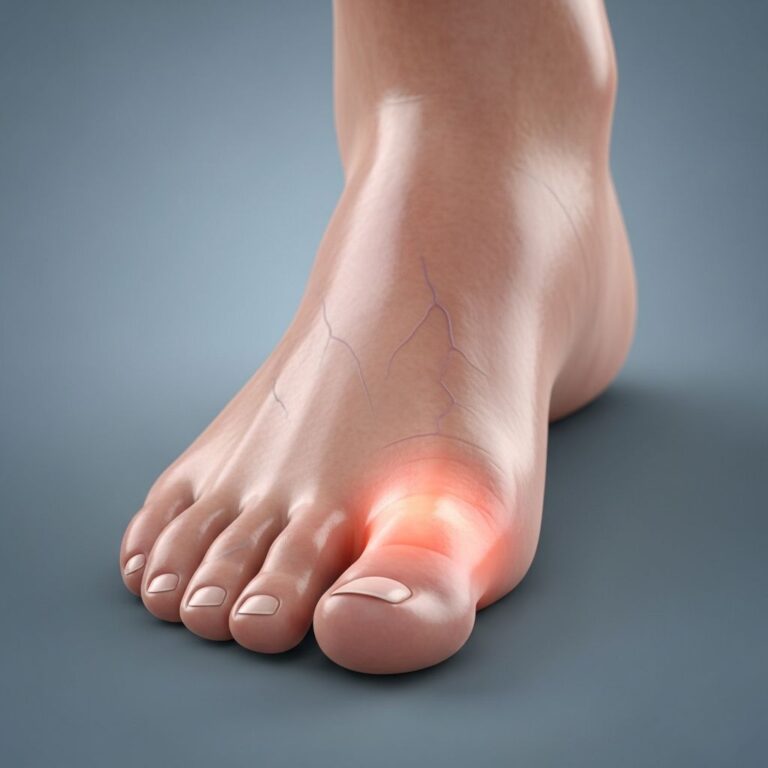
Individuals with HHT often develop delicate red or purple spots on their skin, particularly on the hands, fingertips, face, lips, and inside the mouth. These telangiectasias are small dilated blood vessels that appear as characteristic spots and may blanch (lighten) briefly when pressed. While these skin manifestations are not typically dangerous, they serve as important diagnostic indicators of the condition.
Related Stories



Internal Bleeding Complications
The presence of abnormal blood vessels in internal organs can lead to serious complications:
- Gastrointestinal (GI) bleeding: Telangiectasias in the stomach and intestines can cause bleeding, leading to symptoms such as bloody or black stools and anemia. GI bleeding risk increases with age in HHT patients.
- Pulmonary complications: Arteriovenous malformations in the lungs can cause blood to bypass the normal filtration system, potentially leading to stroke, brain abscess, or transient ischemic attack (TIA).
- Cerebral complications: Brain AVMs may cause hemorrhagic stroke, seizures, or other neurological events.
- Hepatic complications: Liver AVMs can result in heart failure, abdominal pain, fluid accumulation in the abdomen (ascites), and enlarged esophageal blood vessels (varices).
Diagnosis of HHT
Diagnosis of HHT is typically based on clinical criteria rather than genetic testing alone, though genetic confirmation is increasingly recommended. Healthcare providers use established diagnostic frameworks to identify the condition.
Curaçao Criteria
The most widely accepted diagnostic framework is the Curaçao criteria, which establishes four major diagnostic features. A clinical diagnosis of HHT is made when an individual presents with at least three of these four criteria:
| Diagnostic Criterion | Description |
|---|---|
| Epistaxis | Spontaneous and recurrent nosebleeds |
| Telangiectasias | Multiple characteristic vascular spots on the lips, oral cavity, fingers, and nose |
| Visceral AVMs | Arteriovenous malformations in major organs including the gastrointestinal tract, lungs, brain, liver, or spinal cord |
| Family History | A first-degree relative (parent, sibling, or child) with confirmed HHT |
Diagnostic Testing
When HHT is suspected, healthcare providers may order several diagnostic tests to confirm the diagnosis and identify internal AVMs:
- Contrast echocardiography (bubble study): This is the most sensitive test for detecting pulmonary AVMs. During this procedure, agitated saline is injected into the venous circulation while performing an echocardiogram to visualize abnormal connections.
- Magnetic resonance imaging (MRI): MRI of the brain and other organs can detect AVMs and assess their size and location.
- Computed tomography (CT) scans: CT imaging can identify and characterize vascular abnormalities in various organs.
- Genetic testing: DNA analysis can identify mutations in genes associated with HHT (ENG, ACVRL1, or SMAD4), providing definitive confirmation of the diagnosis.
Screening and Risk Assessment
Once HHT is diagnosed in an individual, it is crucial to screen first-degree relatives (biological parents, siblings, and children), as they have a 50% chance of inheriting the condition. Genetic counseling is recommended for all family members to discuss inheritance patterns, testing options, and screening protocols.
Comprehensive screening should include contrast echocardiography to detect pulmonary AVMs and MRI of the brain to identify cerebral AVMs. Early detection of internal AVMs enables timely intervention to prevent serious complications such as stroke or pulmonary hemorrhage.
Management and Treatment Approaches
Treatment of HHT focuses on managing symptoms and preventing complications. Management strategies vary depending on the specific manifestations present in each individual.
Management of Epistaxis
Nosebleeds in HHT are managed through various approaches:
- Topical treatments such as nasal moisturizers, saline irrigations, and topical hemostatic agents
- Cauterization of bleeding vessels using chemical or electrical methods
- Intranasal bevacizumab (Avastin) injection, which reduces abnormal blood vessel growth
- Oral medications to support vascular stability and reduce bleeding frequency
Management of Internal Bleeding
For patients experiencing gastrointestinal bleeding, treatment may include:
- Iron supplementation (oral or intravenous) to address anemia
- Endoscopic procedures to identify and treat bleeding sources
- Targeted therapies to reduce abnormal vascular growth
Management of Organ-Specific AVMs
Pulmonary, cerebral, and hepatic AVMs may require specialized interventions:
- Pulmonary AVMs: Embolization procedures to close abnormal connections and reduce stroke risk
- Cerebral AVMs: Surveillance monitoring, with intervention considered if rupture risk is high
- Hepatic AVMs: Careful monitoring, as most patients remain asymptomatic despite imaging abnormalities
Frequently Asked Questions About HHT
Q: Is HHT life-threatening?
A: HHT can be serious, particularly when internal AVMs are present in the lungs, brain, or other vital organs. However, with appropriate screening, monitoring, and treatment, many individuals with HHT can manage their condition effectively and prevent life-threatening complications. Early detection is crucial for the best outcomes.
Q: At what age does HHT typically appear?
A: HHT is present from birth due to its genetic nature, but symptoms typically become noticeable during childhood or early adolescence. Nosebleeds often begin around age 12, though this varies. Some individuals may not experience significant symptoms until later in life.
Q: Can HHT be cured?
A: Currently, there is no cure for HHT. However, various treatment strategies can effectively manage symptoms and prevent complications. Ongoing medical management and surveillance are essential for maintaining health and quality of life.
Q: Should all family members be screened for HHT?
A: Yes, first-degree relatives of individuals with HHT have a 50% chance of inheriting the condition and should be screened. Genetic counseling and testing are recommended to identify affected family members who can then receive appropriate monitoring and treatment.
Q: How often should people with HHT be monitored?
A: Monitoring frequency depends on the individual’s specific manifestations and risk factors. Most patients require regular clinical evaluations, periodic imaging studies to assess internal AVMs, and ongoing assessment of bleeding complications. Your healthcare provider will establish an appropriate surveillance schedule.
Q: Are there any lifestyle modifications recommended for HHT patients?
A: While lifestyle modifications cannot prevent HHT, individuals can minimize certain triggers of nosebleeds by avoiding nasal trauma, using humidifiers, maintaining nasal hygiene, and protecting the nose during activities. Regular monitoring and prompt treatment of any bleeding episodes are important.
References
- Symptoms and Diagnosis of HHT — Cincinnati Children’s Hospital Medical Center. 2024. https://www.cincinnatichildrens.org/health/h/hht
- Hereditary Hemorrhagic Telangiectasia (HHT) — Yale Medicine. 2024. https://www.yalemedicine.org/conditions/hht
- About Hereditary Hemorrhagic Telangiectasia (HHT) — Centers for Disease Control and Prevention. 2023. https://www.cdc.gov/hht/about/index.html
- Hereditary Hemorrhagic Telangiectasia: Diagnosis and Management — American Academy of Family Physicians, American Family Physician. 2010. https://www.aafp.org/pubs/afp/issues/2010/1001/p785.html
- Hereditary Hemorrhagic Telangiectasia — National Center for Biotechnology Information, GeneReviews. 2024. https://www.ncbi.nlm.nih.gov/books/NBK1351/
- Hereditary Hemorrhagic Telangiectasia (HHT) Diagnosis — University of Pittsburgh Medical Center (UPMC) HHT Center. 2024. https://www.upmc.com/services/hht/overview/diagnosis
Similar Articles








Read full bio of Sneha Tete