Hereditary Spherocytosis: Causes, Symptoms & Treatment
Understand hereditary spherocytosis: an inherited blood disorder affecting red blood cells and causing hemolytic anemia.
Understanding Hereditary Spherocytosis
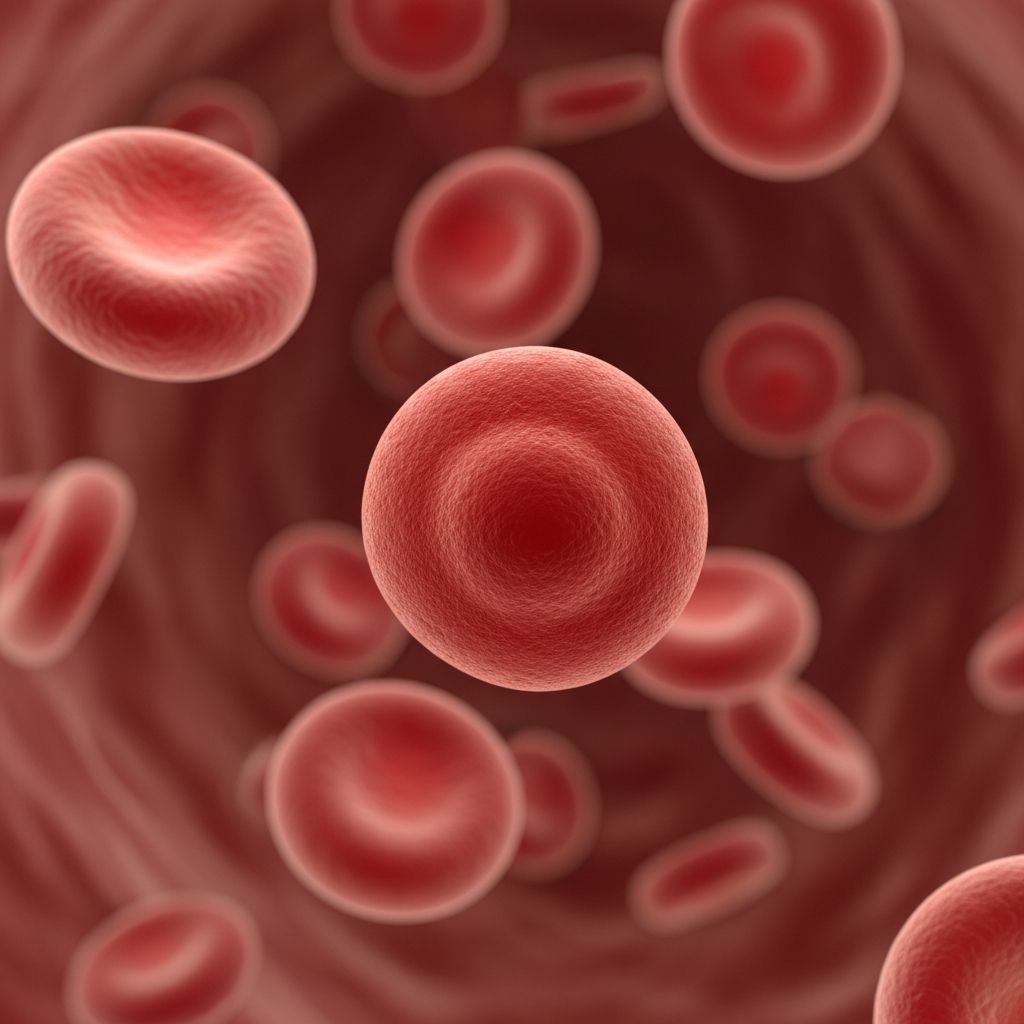
Hereditary spherocytosis (HS) is an inherited blood disorder that affects the structure and function of red blood cells. In this condition, red blood cells lose their characteristic disk-like shape and become round or spherical cells, known as spherocytes. These abnormally shaped red blood cells are more fragile than normal cells, breaking down faster and being destroyed more quickly by the spleen, leading to a condition called hemolytic anemia. This chronic condition can vary significantly in severity, ranging from mild cases requiring minimal intervention to severe forms necessitating regular treatment and monitoring.
Hereditary spherocytosis is the most common inherited red blood cell membrane disorder and affects approximately 1 in 2,000 individuals in North America, with prevalence varying across different populations. The condition is most common among people of Northern European descent but can occur in individuals of all races and ethnicities. People with hereditary spherocytosis have been identified worldwide, though the incidence may vary by geographic region and ancestry.
The Genetic Basis of Hereditary Spherocytosis
Hereditary spherocytosis is caused by mutations in genes that code for proteins responsible for maintaining the structure of red blood cell membranes. Specifically, mutations in five different genes have been identified: ANK1, SLC4A1, SPTA1, SPTB, and EPB42. These genes provide instructions for proteins that form part of the red blood cell’s infrastructure, particularly the proteins that maintain the connection between the cytoskeleton and the outer membrane layer.
When mutations occur in these genes, the connection between the cytoskeleton and the outer membrane of the red blood cell breaks down. As a result, the cytoskeleton cannot properly support the outer layer, causing the red blood cell to change from a flexible disk shape to an inflexible sphere shape. This structural change directly impacts how the cells function and how long they survive in the bloodstream.
Inheritance Patterns
Hereditary spherocytosis follows two primary patterns of inheritance. About 75% of people who have hereditary spherocytosis inherit the condition in an autosomal dominant manner. In autosomal dominant inheritance, it only takes one copy of the responsible mutated gene to cause hereditary spherocytosis. Children born to a parent who carries the mutated gene have a 50% chance of inheriting that gene and developing the condition.
The remaining 25% of individuals inherit hereditary spherocytosis in an autosomal recessive manner. In this inheritance pattern, a person receives one copy of a mutated gene from each parent. Parents who are carriers of the mutated genes typically do not show signs or symptoms of hereditary spherocytosis themselves. When two carrier parents have children, each child has a 25% chance of developing the condition, a 50% chance of being a carrier without developing the condition, and a 25% chance of neither carrying the gene nor developing hereditary spherocytosis.
Symptoms and Clinical Presentation
The symptoms of hereditary spherocytosis can vary widely depending on the severity of the condition. Symptoms may be present at birth, appear during childhood or adolescence, or not manifest until later in life. The primary manifestations of hereditary spherocytosis include:
- Hemolytic anemia, characterized by the destruction of red blood cells in the spleen and their removal from the bloodstream
- Jaundice, which causes a yellow tone to the skin and eyes due to elevated bilirubin levels
- Splenomegaly, an enlargement of the spleen as it works to filter damaged red blood cells
- Fatigue and weakness due to insufficient red blood cells and oxygen delivery
- Shortness of breath, particularly during physical activity
- Pale or yellowish skin appearance
Related Stories



In severe cases, hemolytic anemia can result in less oxygen getting to cells, tissues, and organs in the body, leading to serious complications. Additionally, people with hereditary spherocytosis have an increased risk of developing gallstones early in life, as the increased breakdown of red blood cells releases bilirubin that can form stones in the gallbladder.
Diagnosis of Hereditary Spherocytosis
Healthcare providers diagnose hereditary spherocytosis by evaluating symptoms, reviewing medical history and biological family medical history, and conducting several diagnostic tests. The diagnostic process typically includes:
- Complete blood count (CBC) to measure red blood cell levels and hemoglobin
- Peripheral blood smear to identify spherocytes and assess their appearance
- Osmotic fragility test to evaluate how red blood cells respond to osmotic stress
- Eosin-5′-maleimide (EMA) binding test, a more sensitive test for detecting spherocytes
- Genetic testing to identify specific gene mutations
- Reticulocyte count to assess bone marrow’s ability to produce new red blood cells
Laboratory indices that suggest hereditary spherocytosis include elevated mean corpuscular hemoglobin concentration (MCHC) greater than 36.5-37 g/dL, an MCHC to mean corpuscular volume (MCV) ratio greater than 0.36, and increased red cell distribution width (RDW). In newborns, spherocytes may not be immediately visible on a peripheral blood smear, so family history and other laboratory findings are particularly important for early diagnosis.
Treatment Options for Hereditary Spherocytosis
Treatment for hereditary spherocytosis depends on the severity of the condition. For patients with mild symptoms, conservative management may be appropriate.
Mild Cases
Individuals with mild hereditary spherocytosis may only require yearly monitoring, blood tests, and ultrasound examinations to track the progression of the disease. These monitoring visits can often be conducted at a pediatrician’s office or at a specialized hematology program. Patients are advised to maintain regular contact with their healthcare providers and report any changes in symptoms.
Moderate to Severe Cases
For patients with more severe symptoms, treatment options may include:
- Blood transfusions to increase red blood cell levels and improve oxygen delivery
- Folic acid supplementation to support red blood cell production
- Corticosteroids to reduce the rate of red blood cell destruction
- Immunoglobulin therapy in certain situations
- Splenectomy (surgical removal of the spleen), which results in cure of anemia in nearly all cases
Splenectomy is particularly effective for hereditary spherocytosis because the spleen is the primary organ responsible for destroying the abnormal spherocytes. While the genetic defects in blood production remain after splenectomy, they no longer cause serious disability since the abnormal red blood cells are no longer being rapidly destroyed.
Complications and Management
People with hereditary spherocytosis may experience several complications related to their condition. Aplastic crises can occur when bone marrow temporarily stops producing red blood cells, resulting in severe and potentially life-threatening anemia. These crises may be triggered by infections or other stressors. Additionally, the chronic hemolysis can lead to gallstone formation, requiring monitoring and potential cholecystectomy.
A multidisciplinary team approach is often used to diagnose and treat patients with complicated cases of hereditary spherocytosis, involving hematologists, geneticists, and other specialists working together to provide comprehensive care.
Can Hereditary Spherocytosis Be Prevented?
If you have a biological family history of hereditary spherocytosis, you may not be able to prevent the condition from occurring. However, it’s important to remember that having a family history does not guarantee you or your children will develop the disorder. Genetic counseling can help families understand their risk and make informed decisions about family planning.
For individuals at risk due to family history, genetic testing can determine whether they carry the mutated genes before symptoms develop, allowing for early monitoring and intervention if needed.
Living with Hereditary Spherocytosis
People with hereditary spherocytosis can live full, active lives with appropriate medical management. Regular monitoring, medication when necessary, and in some cases surgical intervention, allow most individuals to maintain good quality of life. Children with mild hereditary spherocytosis may only require routine follow-up care and can participate in normal childhood activities. Adults with the condition can typically continue their regular work and daily activities with appropriate medical support.
Maintaining open communication with healthcare providers about symptoms, any changes in health status, and concerns about the condition is essential for optimal management. Support groups and resources for patients with hereditary spherocytosis can provide valuable information and emotional support for individuals and families managing this condition.
Frequently Asked Questions (FAQs)
Q: What is the difference between hereditary spherocytosis and other hemolytic anemias?
A: Hereditary spherocytosis specifically involves red blood cells becoming spherical due to membrane protein defects, whereas other hemolytic anemias may result from different causes such as immune reactions, enzyme deficiencies, or hemoglobin structure abnormalities. The spherical shape of red blood cells is the distinguishing characteristic of hereditary spherocytosis.
Q: Is hereditary spherocytosis curable?
A: While the genetic mutation causing hereditary spherocytosis cannot be reversed, splenectomy (surgical removal of the spleen) results in cure of the anemia in nearly all cases. After splenectomy, the defects in blood production remain, but they no longer cause serious disability because the abnormal red blood cells are no longer being destroyed at an accelerated rate.
Q: Can people with hereditary spherocytosis have children?
A: Yes, people with hereditary spherocytosis can have children. However, children of an affected parent have a 50% chance of inheriting the condition if the parent has autosomal dominant hereditary spherocytosis. Genetic counseling can help families understand inheritance patterns and make informed reproductive decisions.
Q: What should I do if I suspect I have hereditary spherocytosis?
A: If you suspect you have hereditary spherocytosis, contact your healthcare provider. They can evaluate your symptoms, review your family history, and order appropriate diagnostic tests such as blood work and peripheral blood smear examination to confirm the diagnosis.
Q: Are there any lifestyle modifications recommended for people with hereditary spherocytosis?
A: While no specific lifestyle changes can cure hereditary spherocytosis, maintaining overall good health through proper nutrition, adequate rest, stress management, and regular medical monitoring is important. People with severe forms may need to avoid certain medications and infections that could trigger crises.
References
- Hereditary Spherocytosis — Children’s Hospital Colorado. 2024. https://www.childrenscolorado.org/conditions-and-advice/conditions-and-symptoms/conditions/hereditary-spherocytosis/
- Hereditary Spherocytosis: What It Is, Symptoms, Causes & Treatment — Cleveland Clinic. 2024. https://my.clevelandclinic.org/health/diseases/23058-hereditary-spherocytosis
- Hereditary Spherocytosis: Review of Presentation at Birth — National Center for Biotechnology Information (PMC). 2024. https://pmc.ncbi.nlm.nih.gov/articles/PMC12468025/
- Hereditary Spherocytosis – Symptoms, Causes, Treatment — National Organization for Rare Disorders (NORD). 2024. https://rarediseases.org/rare-diseases/anemia-hereditary-spherocytic-hemolytic/
- Hereditary Spherocytosis — Britannica. 2024. https://www.britannica.com/science/hereditary-spherocytosis
- Hereditary Spherocytosis — Rady Children’s Health. 2024. https://www.rchsd.org/health-article/hereditary-spherocytosis/
- RBC Band 3 Protein Reduction in Hereditary Spherocytosis — Cleveland Clinic Laboratories. 2024. https://clevelandcliniclabs.com/test/rbc-band-3-protein-reduction-in-hereditary-spherocytosis/
Similar Articles








Read full bio of medha deb