Gut Doctor’s Smoothie for Healthy Microbiome
Discover the science-backed smoothie recipe a Stanford gastroenterologist uses daily to nurture a thriving gut microbiome and optimal digestive health.
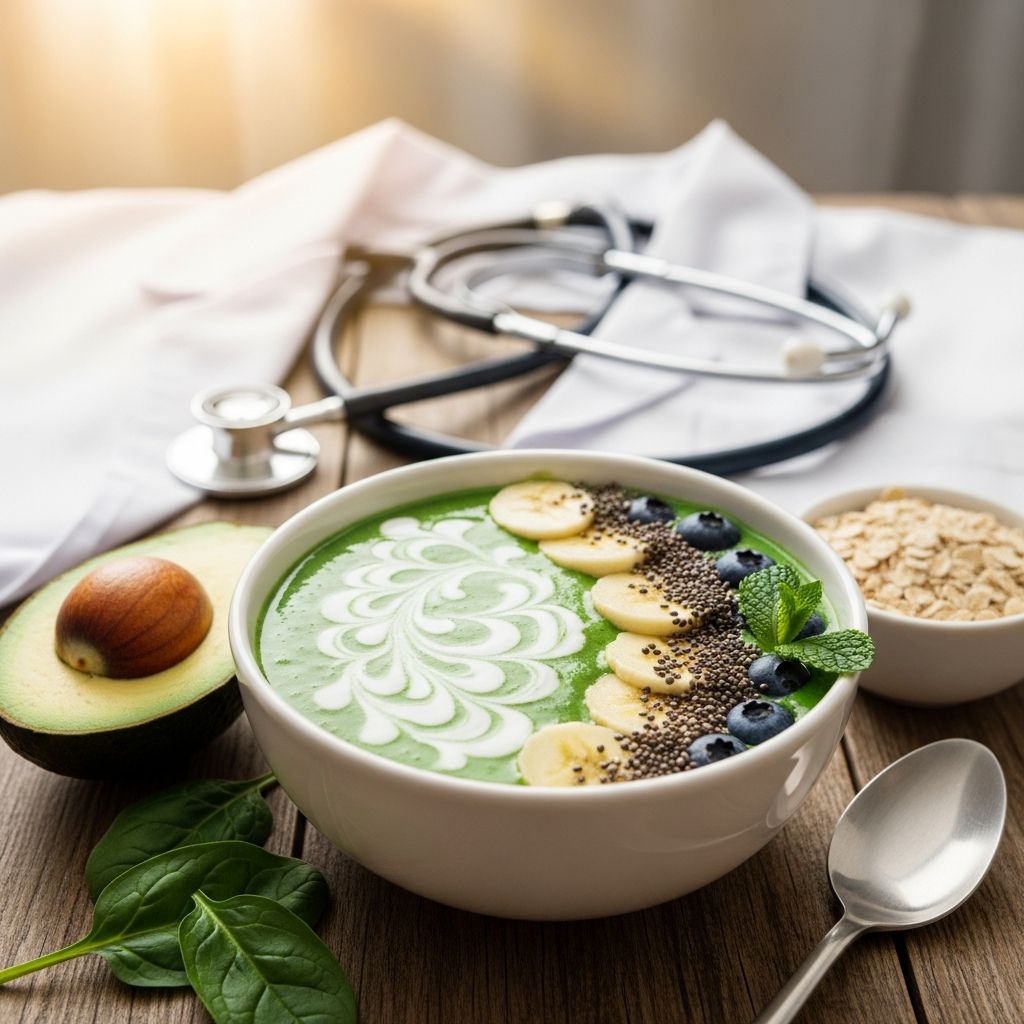
Supporting a healthy gut microbiome is essential for digestion, immunity, and overall well-being. Stanford gastroenterologist Sean Spencer, MD, PhD, starts his day with a carefully crafted smoothie designed to nourish beneficial gut bacteria, enhance microbiome diversity, and promote long-term digestive health.
This isn’t just any blend—it’s a science-based formula drawing from clinical research on prebiotics, resistant starch, and gut-repairing nutrients. By incorporating specific ingredients like green banana flour and L-glutamine, Dr. Spencer’s smoothie feeds good bacteria while avoiding common pitfalls like harmful emulsifiers. Below, we break down the recipe, each component’s benefits, and tips for optimizing your own gut-friendly routine.
Dr. Spencer’s Gut-Healthy Smoothie Recipe
Simple to prepare in under 5 minutes, this smoothie yields one serving and focuses on whole-food prebiotics over probiotics for sustainable microbiome support. Blend until smooth for a creamy, nutrient-dense start to your day.
- 1 cup spinach: Provides polyphenols and fiber to fuel gut bacteria.
- ½ avocado: Delivers healthy fats and 6-7 grams of fiber for sustained energy and digestion.
- ½ apple: Adds pectin, a soluble fiber that supports microbial diversity.
- 1 tsp green banana flour: High in resistant starch, a prebiotic that ferments into beneficial short-chain fatty acids (SCFAs).
- 1 tsp L-glutamine powder: Repairs gut lining and reduces exercise-induced GI distress.
- 1 scoop (20g) pea protein powder: Plant-based protein for satiety without dairy irritants.
- Top with liquid: Water, coconut water, or additive-free nut milk (1-2 cups).
Optional add-ins: A handful of berries for antioxidants or chia seeds for extra omega-3s, but Dr. Spencer keeps it minimal to prioritize microbiome feeders.
Why This Smoothie Works: The Science Behind the Ingredients
Each element targets specific aspects of gut health, backed by research from institutions like Stanford and peer-reviewed studies. Unlike sugary smoothies, this recipe emphasizes fermentable fibers that reach the colon intact.
Spinach: Polyphenol Powerhouse for Microbiome Diversity
Spinach is loaded with polyphenols—plant compounds that act as prebiotics, selectively feeding beneficial bacteria like Bifidobacterium and Lactobacillus. These microbes break down polyphenols into anti-inflammatory metabolites, reducing gut permeability (“leaky gut”) and supporting immunity. A study in Nature Microbiology highlights how polyphenol-rich greens enhance microbial diversity, crucial for preventing dysbiosis. One cup delivers vitamins A, C, and K without excess calories.
Avocado: Fiber and Healthy Fats for Steady Energy
Half an avocado provides 6-7 grams of fiber—about 25% of the USDA’s daily recommendation—primarily soluble fiber that binds water and softens stool. Its monounsaturated fats promote fat-soluble nutrient absorption and stabilize blood sugar, preventing microbiome-disrupting spikes. Avocados uniquely combine fiber density with healthy fats, unlike most fruits, making them ideal for gut smoothies.
Apple: Pectin for Balanced Fermentation
The pectin in half an apple forms a gel in the gut, slowing digestion and feeding Akkermansia muciniphila, a mucus-layer protector. This prebiotic fiber promotes SCFA production like butyrate, which fuels colon cells and lowers inflammation. Apples also contribute quercetin, an antioxidant with antimicrobial effects against pathogens.
Green Banana Flour: The Star Resistant Starch Prebiotic
Green banana flour stands out as the smoothie’s hero ingredient. Unlike ripe bananas, green ones retain resistant starch (RS), which resists small intestine digestion and reaches the colon to ferment into SCFAs—butyrate, acetate, and propionate. These postbiotics maintain gut barrier integrity, regulate pH, and inhibit pathogens.
Research from the American Journal of Clinical Nutrition shows RS increases microbiome diversity by 20-30% in weeks, outperforming many supplements. Dr. Spencer chooses it for its accessibility: “Resistant starch has strong evidence as a fermentable fiber for the microbiome”. Note: Psyllium husk aids bulk but lacks RS’s fermentability—diversify with potatoes, beans, and grains daily.
Related Stories



| Resistant Starch Source | RS per Serving | Key Benefit |
|---|---|---|
| Green Banana Flour (1 tsp) | 3-4g | Boosts SCFA production |
| Cooked & Cooled Potato | 5g/medium | Improves insulin sensitivity |
| Green Peas | 4g/cup | Supports butyrate levels |
| Oats | 2g/½ cup | Enhances diversity |
L-Glutamine: Gut Lining Repair and Recovery
L-Glutamine, the most abundant amino acid, fuels enterocytes (gut cells) and repairs exercise-induced damage. Post-workout, it reduces permeability, preventing endotoxins from entering circulation. Stanford research notes glutamine supplementation cuts GI symptoms by 40% in athletes. Pea protein complements it with complete aminos, avoiding whey that may inflame sensitive guts.
Key Warnings: Avoid Emulsifiers and Processed Additives
Dr. Spencer avoids additive-laden milks due to emulsifiers like polysorbate 80 and carboxymethylcellulose. A randomized trial in Gastroenterology (2021) found 11 days of emulsifiers reduced microbiome diversity by 15% and SCFAs by 25%, mimicking inflammatory bowel disease. Opt for clean liquids and whole foods.
How to Customize and Maximize Benefits
- Diversify fibers: Rotate with oats, lentils, and inulin-rich chicory for broader microbial support.
- Timing: Drink post-exercise or mornings to aid recovery and set daily fermentation.
- Portions: Start with ½ tsp banana flour if new to RS to avoid bloating.
- Pairing: Follow with fermented foods like kefir (not in smoothie to avoid heat-killing cultures).
Aim for 30+ plant types weekly, per American Gut Project data, correlating with optimal diversity.
Frequently Asked Questions (FAQs)
What makes resistant starch better than other fibers?
Resistant starch ferments in the colon to produce SCFAs, directly feeding 100+ bacterial species, unlike non-fermentable fibers like psyllium that only add bulk.
Can I use ripe banana instead of green flour?
No—ripening converts RS to sugars, losing prebiotic power. Green flour retains 70-80% RS.
Is this smoothie suitable for IBS?
Yes, low-FODMAP options like spinach and RS help many; introduce gradually and consult a doctor.
How much fiber daily for gut health?
25-38g per USDA; this smoothie provides ~12g—build with whole meals.
Probiotics vs. prebiotics: Which is better?
Prebiotics like in this recipe sustain native strains long-term; probiotics are transient. Combine for synergy.
Long-Term Gut Health Tips Beyond the Smoothie
Incorporate variety: Whole grains, legumes, nuts, and veggies provide polyphenol-fiber synergies. Limit ultra-processed foods, as they disrupt microbiota per WHO reports. Exercise, sleep, and stress management amplify benefits—gut microbes influence 90% of serotonin production.
Track progress with symptoms: Regularity, energy, and mood improve in 2-4 weeks. For personalized advice, see a gastroenterologist.
References
- Dr. Spencer’s Science-Based Smoothie for Gut Health — Stanford Lifestyle Medicine. 2023. https://lifestylemedicine.stanford.edu/dr-spencers-science-based-smoothie-for-gut-health/
- Effects of emulsifiers on gut microbiota — Gastroenterology Journal (DOI: 10.1053/j.gastro.2021.04.029). 2021-07-01. https://www.gastrojournal.org/article/S0016-5085(21)00579-4/fulltext
- Resistant Starch Intake and Gut Microbiota — American Journal of Clinical Nutrition. 2019-05-15. https://doi.org/10.1093/ajcn/nqy352
- Dietary Guidelines for Americans — USDA (.gov). 2020-12-01. https://www.dietaryguidelines.gov/
- Polyphenols and Gut Microbiota — Nature Microbiology. 2019-11-18. https://www.nature.com/articles/s41564-019-0570-8
Similar Articles








Read full bio of medha deb