Here’s Why Eating Too Many Cherries Makes You Poop
Discover why overindulging in cherries can lead to digestive surprises, plus tips for enjoying their benefits safely.
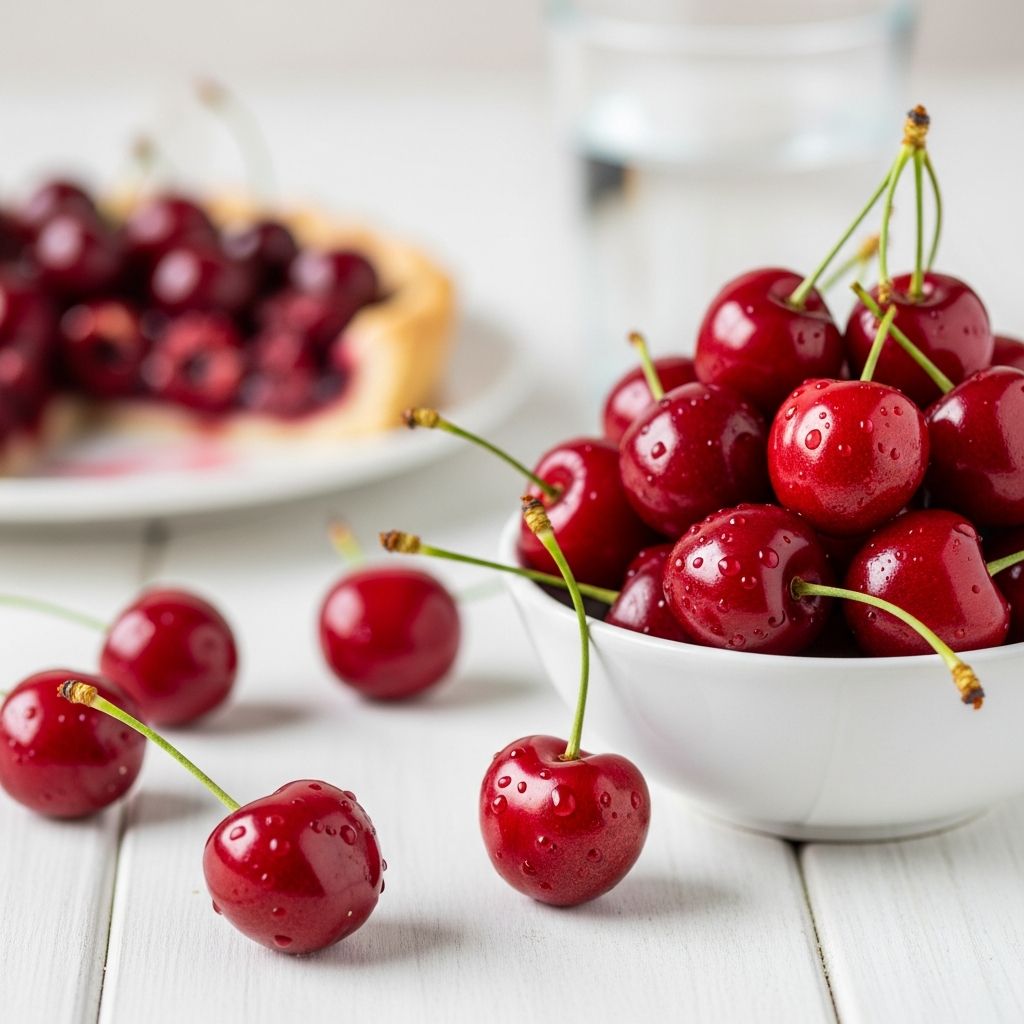
Cherries are a summertime favorite, bursting with sweet-tart flavor and vibrant color. Packed with antioxidants, vitamins, and fiber, they offer impressive health perks. However, devouring a large bowl can send you rushing to the bathroom. This common reaction stems from cherries’ natural composition, particularly their fiber and sugar alcohol content, which can overwhelm the digestive system.
Understanding this phenomenon helps you enjoy cherries mindfully without discomfort. Below, we break down the science, benefits, risks, and practical tips for incorporating cherries into your diet safely.
Why Do Cherries Make You Poop?
The primary culprit behind cherry-induced bathroom trips is their high content of
dietary fiber
andsorbitol
, a natural sugar alcohol. A single cup of pitted cherries (about 138 grams) delivers around 3 grams of fiber—roughly 10-12% of the daily recommended intake for adults. Fiber is indigestible plant material that adds bulk to stool and promotes regularity, but sudden high intake can speed transit time through the intestines, leading to loose stools or diarrhea.Sorbitol, found in cherries at levels of 3-5 grams per cup, acts as a laxative. Unlike glucose, sorbitol isn’t fully absorbed in the small intestine. It draws water into the colon via osmosis, softening stool and stimulating bowel movements. This FODMAP (fermentable oligosaccharides, disaccharides, monosaccharides, and polyols) compound ferments in the gut, producing gas and further accelerating motility. People sensitive to FODMAPs, such as those with IBS, experience amplified effects.
Combined, these elements create a perfect storm for digestive upset when portions exceed tolerance—typically 2-3 cups. Studies confirm cherries modify gut microbiota, increasing short-chain fatty acid production that supports motility but can tip into excess with overconsumption.
How Many Cherries Is Too Many?
Safe intake varies by individual factors like age, gut health, and cherry type (sweet vs. tart). General guidelines:
- Adults: 1-2 cups (20-40 cherries) daily is usually fine.
- Children: Half that amount to avoid overload.
- Sensitive guts: Start with 10-15 cherries and monitor.
Tart cherries, like Montmorency, pack more sorbitol and fiber per serving, heightening risk. A meta-analysis notes tart cherry juice improves endurance but warns of GI side effects in high doses. Track your response: if bloating or diarrhea occurs after 1 cup, scale back.
Health Benefits of Cherries (in Moderation)
Beyond the laxative effect, cherries shine nutritionally. Their polyphenols, anthocyanins, and vitamin C combat inflammation and support overall wellness.
- Gut Health Boost: Polyphenols in tart cherries positively shape the microbiome, increasing beneficial bacteria like Bifidobacterium while reducing harmful Proteobacteria. Human trials show shifts after just 5 days of juice. Fiber and SCFAs from cherry fermentation enhance colon health in obese models.
- Heart Protection: Polyphenols lower triglycerides and improve endurance, per meta-analyses.
- Anti-Inflammatory: Act as natural COX-2 inhibitors, rivaling NSAIDs without gut damage.
- Immune Support: One cup provides 10mg vitamin C (15% DV).
- Weight Management: Low-calorie, high-fiber profile curbs snacking.
These perks make cherries a superfood—when eaten judiciously.
Risks of Overeating Cherries
| Risk | Cause | Symptoms |
|---|---|---|
| Diarrhea | Excess fiber/sorbitol | Loose, frequent stools |
| Bloating/Gas | Fermentation | Abdominal discomfort |
| Nutrient Malabsorption | Rapid transit | Potential deficiencies |
| Worsened IBS | FODMAP sensitivity | Cramping, urgency |
Related Stories



Beyond GI issues, overindulgence spikes blood sugar temporarily due to natural sugars (fructose). Those with diabetes should pair with protein/fat. Allergic reactions are rare but possible.
Tips for Eating Cherries Without the Runs
- Portion Control: Stick to 1 cup/day; pit them to measure accurately.
- Build Tolerance: Introduce gradually over days.
- Pair Wisely: Eat with yogurt or nuts to slow digestion.
- Choose Forms: Dried cherries concentrate sorbitol—limit to 1/4 cup. Juice lacks fiber but retains sugars.
- Hydrate: Water aids fiber processing.
- Cook Them: Baking reduces sorbitol impact.
For recipes, try cherry smoothies or salads to dilute intake.
Cherries vs. Other High-Fiber Fruits
| Fruit (1 cup) | Fiber (g) | Sorbitol (g) | Laxative Risk |
|---|---|---|---|
| Cherries | 3 | 3-5 | High |
| Apples | 4.4 | 1-2 | Medium |
| Pears | 5.5 | 2-3 | High |
| Berries | 4 | Low | Low |
Cherries rival pears in sorbitol but offer unique antioxidants.
Frequently Asked Questions (FAQs)
Can cherries help with constipation?
Yes, their fiber and sorbitol promote regularity in moderation. Start small to avoid diarrhea.
Are tart cherries worse for digestion than sweet?
Tart varieties have higher sorbitol and polyphenols, increasing laxative effects.
Is cherry juice safer?
It lacks fiber but retains sorbitol—still risky in excess. Opt for diluted versions.
Who should avoid large amounts of cherries?
IBS sufferers, fructose malabsorbers, and diabetics. Consult a doctor if issues persist.
Do frozen or canned cherries cause the same effect?
Yes, processing preserves fiber and sorbitol. Rinse canned to reduce syrup sugars.
Expert Insights on Cherry Consumption
Nutritionists emphasize balance: “Cherries’ gut benefits come from microbiome modulation, but excess overwhelms the system,” notes research on polyphenol effects. A University of Arkansas study highlights tart cherries’ role in shaping healthy bacteria, ideal for low-fiber diets—but not binges.
Incorporate cherries for their anti-inflammatory prowess, akin to cherries acting as natural pain relievers. Track intake via apps for personalized tolerance.
References
- 8 Health Benefits Of Cherries For Weight Loss, Heart Health, And More — Women’s Health Mag. 2024. https://www.womenshealthmag.com/food/a64521933/health-benefits-of-cherries/
- Effect of dark sweet cherry powder consumption on the gut microbiota, short-chain fatty acids and biomarkers of gut health in obese db/db mice — PMC/NIH. 2017-11-29. https://pmc.ncbi.nlm.nih.gov/articles/PMC5756454/
- For a Healthy Gut, Put a Cherry on Top — Genetic Engineering & Biotechnology News. 2023. https://www.genengnews.com/topics/omics/for-a-healthy-gut-put-a-cherry-on-top/
- Anti-Inflammatory Life Is a Bowl of Cherries — NutritionFacts.org. 2023. https://nutritionfacts.org/video/anti-inflammatory-life-is-a-bowl-of-cherries/
Similar Articles








Read full bio of Sneha Tete