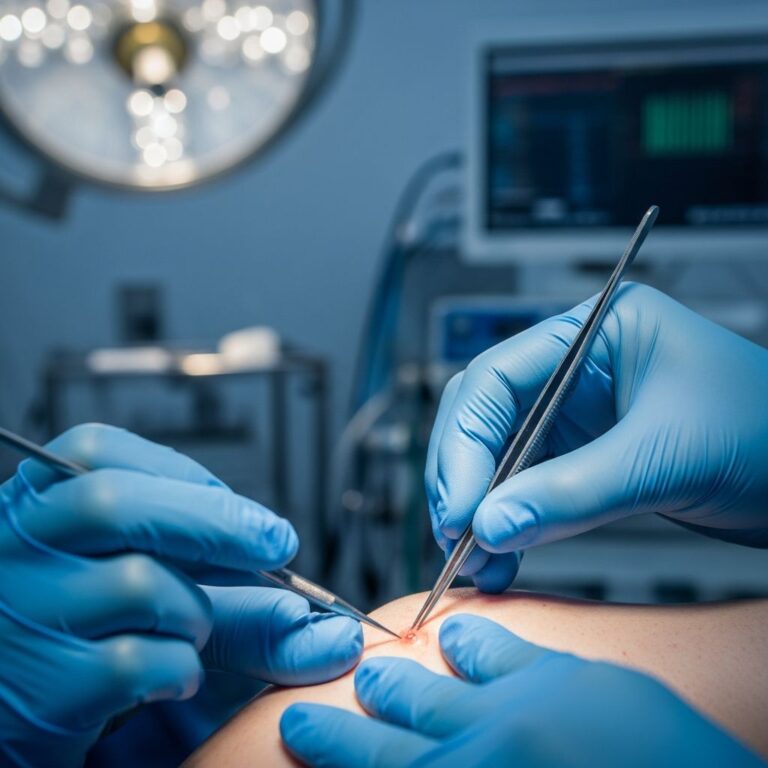
Hernia Repair Surgery: Types, Recovery & Complications
Complete guide to hernia surgery: explore open, laparoscopic, and robotic repair options with recovery timelines.

Understanding Hernia Repair Surgery
Hernia repair surgery stands as the most common and effective treatment for hernias, a condition where an organ or tissue pushes through a weakened area in the muscle or tissue wall that normally contains it. Most hernias develop in the abdomen or groin region, and while some may not cause immediate symptoms, surgical intervention becomes necessary to prevent serious complications like intestinal damage and further deterioration. During hernia repair surgery, your surgeon repositions the herniated tissue back into its proper place and reinforces the weakened barrier using surgical stitches or mesh material. The choice of surgical approach depends on various factors, including the specific type of hernia, its complexity, your overall health status, and your surgeon’s expertise.
Types of Hernia Repair Surgery
Three main surgical approaches exist for hernia repair, each offering distinct advantages and considerations. Your surgeon will evaluate your individual situation to recommend the most appropriate technique for optimal outcomes and minimal risk of recurrence.
Open Repair Surgery
Open repair represents the traditional surgical approach to hernia correction. In this procedure, your surgeon makes a single, relatively small incision directly over the herniated area. Once the incision is made, the peritoneum—the inner lining of your abdomen—is carefully cut to expose the weakness in the abdominal wall. The herniated tissue is then gently pushed back into place. A surgical mesh patch is attached to secure the weak area beneath the peritoneum, providing reinforcement that significantly reduces the risk of hernia recurrence. The peritoneum is subsequently closed using staples or sutures, and the abdominal incisions are sealed with stitches or surgical tape. Open repair surgery typically takes approximately one hour and is usually performed on an outpatient basis, allowing patients to return home the same day of the procedure.
Laparoscopic (Minimally Invasive) Surgery
Laparoscopic hernia repair utilizes advanced technology to accomplish the repair through much smaller incisions than traditional open surgery. This procedure employs a thin, telescope-like instrument known as an endoscope, which is inserted through a small incision at the umbilicus or belly button. The endoscope contains a tiny video camera—smaller than a dime—that projects a detailed internal view of your body onto television screens in the operating room, allowing your surgeon to visualize the surgical area with precision. The abdomen is carefully inflated with carbon dioxide gas, a harmless substance that creates space for your doctor to view internal structures clearly. The peritoneum is cut to expose the weakness in the abdominal wall, and a mesh patch is positioned and attached to secure the weak area under the peritoneum. The peritoneum is then stapled or sutured closed. Following the procedure, the small abdominal incisions require only a stitch or two, or sometimes just surgical tape. Within a few months, these incisions become barely visible. This minimally invasive approach typically results in less bleeding, reduced postoperative pain, and a faster recovery compared to open surgery.
Robotic Surgery for Hernia Repair
Robotic hernia surgery, sometimes referred to as robotic-assisted laparoscopy, represents the most advanced minimally invasive surgical option. Like laparoscopic surgery, this procedure involves only a few small incisions rather than one large cut. Your surgeon inserts a tiny scope with a camera that projects your organs onto a screen, enabling visualization of the repair process while working through the small incisions. The key distinction lies in the use of robotically controlled surgical instruments, which the surgeon manipulates with exceptional precision. This advanced technology allows for greater control and dexterity than traditional laparoscopic instruments, potentially improving outcomes for complex repairs. However, robotic surgery typically requires more operating time than both open and standard laparoscopic procedures. Some studies suggest that on average, robotic hernia repair takes longer than laparoscopic repair without robotic assistance or open surgery, though the specific duration depends on how complex the repair is. Simple procedures may take as little as thirty minutes, while more complex repairs may extend to five hours or longer.
Pre-Surgery Preparation and What to Expect
Proper preparation before hernia repair surgery ensures the best possible outcomes and minimizes potential complications. Your surgical team will provide detailed pre-operative instructions tailored to your specific situation.
Before surgery, you will undergo a comprehensive evaluation to assess your general state of health. This typically includes a detailed medical history, physical examination, and possibly laboratory work and an electrocardiogram (EKG), particularly if you have underlying health conditions. These assessments help your surgical team understand your baseline health status and identify any factors that might affect surgical planning or anesthesia administration.
During the pre-operative period, you should arrange for someone to drive you home after surgery, as you will not be able to operate a vehicle safely. Depending on your surgeon’s specific instructions, you may need to fast for a certain period before surgery, typically starting the night before your procedure. You should also inform your surgeon about all medications you take, including over-the-counter supplements, as some may need to be adjusted before surgery.
Related Stories



Most hernia repair procedures are performed under general anesthesia, meaning you will be completely asleep during the surgery and feel no pain throughout the procedure. Your anesthesiologist will discuss the anesthesia plan with you during your pre-operative consultation.
The Surgical Process Explained
While specific procedural steps vary depending on whether you undergo open, laparoscopic, or robotic repair, the general surgical sequence follows a consistent pattern designed to safely correct your hernia and minimize complications.
For open repair, your surgeon makes an incision over the herniated area, exposes the weakness in the abdominal wall, repositions the herniated tissue, and reinforces the area with mesh. For laparoscopic and robotic procedures, your surgeon creates several small incisions, inserts the visualization equipment and surgical instruments, inflates the abdomen with carbon dioxide to improve visibility, and completes the repair using the mesh reinforcement technique under magnified visualization.
The duration of hernia repair surgery depends significantly on the complexity of your specific case. Simple repairs may take as little as thirty minutes, while more complex hernia repairs can extend up to five hours or longer. Generally, robotic surgery repair takes longer than open or standard laparoscopic hernia surgery due to the initial setup time required for the robotic equipment and the precision work involved.
Recovery Timeline and Post-Operative Care
Recovery from hernia repair surgery varies depending on the surgical technique used and individual healing factors. Most patients experience a faster recovery with minimally invasive approaches compared to open surgery due to the smaller incisions involved.
In the immediate post-operative period, you may experience some discomfort at the incision site, mild abdominal soreness, and fatigue as your body recovers from anesthesia. Your surgical team will provide pain management strategies to keep you comfortable during healing.
Most hernia repair procedures are performed on an outpatient basis, meaning you can typically return home the same day of surgery. However, some complex cases, particularly incisional hernia repairs, may require a one or two-day hospital stay for monitoring and pain management.
Your surgeon will provide specific activity restrictions during the recovery period. Generally, you should avoid strenuous activities, heavy lifting, and intense exercise for several weeks following surgery. Most patients can resume light activities and return to work within one to two weeks, depending on the surgical technique used and the nature of your employment. Full recovery typically occurs within four to six weeks for laparoscopic procedures and within six to eight weeks for open surgery.
Potential Complications and Risk Factors
While hernia repair is generally considered a safe and routine procedure, understanding potential complications helps you recognize warning signs and seek prompt medical attention if needed.
Common complications may include infection at the incision site, bleeding, seroma formation (fluid collection under the skin), and nerve irritation causing temporary numbness or tingling. More serious but less common complications include mesh infection, bowel perforation, or blood vessel injury. Hernia recurrence remains a possibility, though modern mesh reinforcement techniques have significantly reduced this risk compared to suture-only repairs.
Post-operative pain that exceeds expectations, signs of infection such as increasing redness or warmth at the incision, fever, or unusual drainage warrant immediate medical evaluation. Similarly, new or worsening abdominal pain, persistent nausea or vomiting, or difficulty with bowel or bladder function should be reported to your surgeon promptly.
Why Choose Advanced Surgical Centers for Your Repair
Selecting an experienced surgical team significantly impacts your surgical outcomes and recovery. Leading medical centers perform thousands of hernia repairs annually, providing patients with exceptional expertise in both common and complex cases. Surgeons trained in multiple repair techniques can evaluate your individual situation comprehensively and recommend the approach most likely to provide successful, lasting results. Centers specializing in hernia repair often employ innovative techniques and cutting-edge technology that continuously improve patient outcomes and reduce complication rates.
Frequently Asked Questions About Hernia Repair
Q: How long does hernia repair surgery typically take?
A: Simple hernia repairs may take as little as 30 minutes, while more complex repairs can extend up to five hours. The duration depends on the specific type of hernia, its complexity, and the surgical technique used. Robotic repair generally takes longer than open or laparoscopic approaches due to equipment setup and the precision involved.
Q: Can I return home the same day as my surgery?
A: Most hernia repair procedures are performed on an outpatient basis, allowing you to return home the same day. However, some complex cases, particularly incisional hernia repairs, may require one or two days of hospital observation. Your surgeon will discuss this with you during pre-operative consultation.
Q: How long is the recovery period after hernia repair?
A: Recovery time varies by surgical technique. Laparoscopic procedures typically allow return to light activities within one to two weeks with full recovery in four to six weeks. Open surgery generally requires six to eight weeks for complete recovery. Always follow your surgeon’s specific restrictions.
Q: What is surgical mesh, and why is it used?
A: Surgical mesh is a biocompatible material that reinforces the weakened abdominal wall, significantly reducing hernia recurrence rates. The mesh is secured under the peritoneum or placed in other strategic locations depending on the repair technique. This tension-free reinforcement approach has greatly improved long-term surgical success rates.
Q: What activities should I avoid after hernia repair?
A: You should avoid strenuous activities, heavy lifting, and intense exercise during the recovery period as directed by your surgeon—typically several weeks. Even light activities should be resumed gradually to avoid disrupting the surgical repair and allowing proper healing.
Q: Are there alternatives to surgical mesh?
A: Yes, alternatives include suture-only repairs where stitches alone close the defect, and flap repairs where muscle tissue from elsewhere in the body reinforces the repair. However, mesh-reinforced repairs generally offer superior recurrence prevention. Discuss mesh-free options with your surgeon if you have specific concerns.
Q: What should I do if I experience complications after surgery?
A: Contact your surgeon immediately if you develop signs of infection (fever, increasing redness or drainage at the incision), severe pain exceeding expectations, persistent nausea or vomiting, or difficulty with bowel or bladder function. Do not delay seeking medical attention for concerning symptoms.
References
- Hernia Repair Surgery: Types, What To Expect, Recovery & Complications — Cleveland Clinic. 2025. https://my.clevelandclinic.org/health/procedures/17967-hernia-repair-surgery
- Hernia Surgery | Cleveland Clinic Comprehensive Hernia Center — Cleveland Clinic. 2025. https://my.clevelandclinic.org/departments/digestive/depts/hernia
- Laparoscopic Surgery For Hernia Repair — Cleveland Clinic Abu Dhabi. 2025. https://www.clevelandclinicabudhabi.ae/en/health-hub/health-resource/treatments-and-procedures/laparoscopic-surgery-for-hernia-repair
- Robotic Hernia Surgery: How It’s Done, Recovery & Side Effects — Cleveland Clinic. 2025. https://my.clevelandclinic.org/health/procedures/17968-robotic-surgery-for-hernia-repair
- Hernia: What it is, Symptoms, Types, Causes & Treatment — Cleveland Clinic. 2025. https://my.clevelandclinic.org/health/diseases/15757-hernia
- Hernia Surgery – Cleveland Clinic London — Cleveland Clinic London. 2025. https://clevelandcliniclondon.uk/clinical-institutes/digestive-disease-surgery/hernia-surgery
Similar Articles








Read full bio of medha deb