Hernia: Symptoms, Types, Causes, Treatment
Comprehensive guide to hernias: Understand symptoms, common types, risk factors, treatments, and prevention strategies for better health.
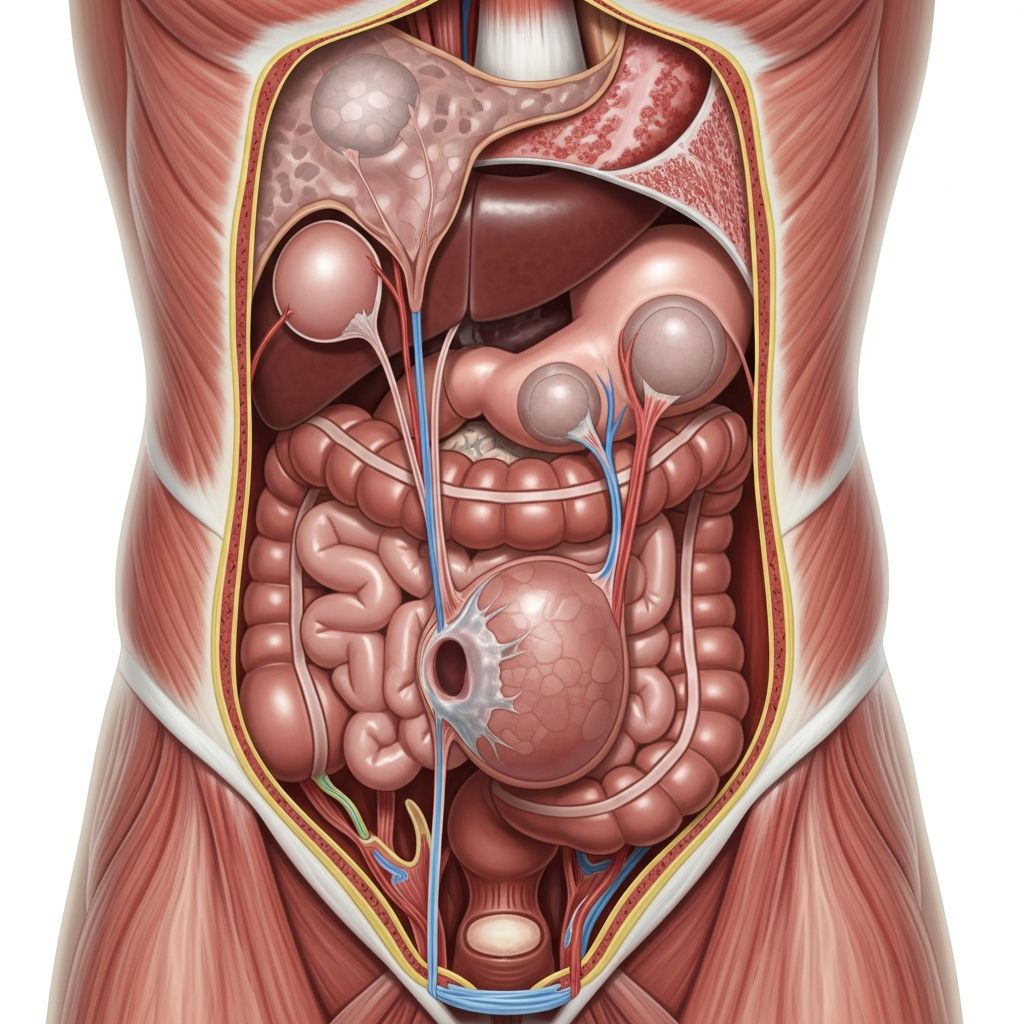
A hernia occurs when an organ or fatty tissue squeezes through a weak spot in a surrounding muscle or connective tissue, often forming a bulge that can cause pain or discomfort.
Hernias are common, affecting millions worldwide, and while many are not immediately dangerous, they rarely resolve without intervention and can lead to serious complications if untreated.
What Is a Hernia?
A hernia develops when internal organs or tissue protrude through a weakened area in the muscle wall that normally keeps them in place. This most frequently happens in the abdomen but can occur elsewhere, such as the groin or upper thigh. The condition arises from a combination of muscle weakness and strain, which may develop suddenly or gradually over time.
The peritoneum, a membrane lining the abdominal cavity, plays a key role; a defect allows contents to push through, creating a visible or palpable bulge. According to the Cleveland Clinic, hernias tend to worsen over time as the opening stretches, increasing risks of incarceration or strangulation where tissue gets trapped and loses blood supply.
Hernia Symptoms
Symptoms vary by type and severity but often include a noticeable lump or bulge, which may disappear when lying down or be reducible by pushing it back. Pain or discomfort, especially during activities like coughing, lifting, or straining, is common.
- Bulge in the affected area: Often visible in the groin, abdomen, or belly button; may increase in size with standing or straining.
- Pain or discomfort: Aching, burning, or sharp pain at the site, worsening with activity.
- Heavy or dragging sensation: Particularly in the groin or lower abdomen.
- Severe symptoms signaling emergency: Sudden intense pain, nausea, vomiting, redness, or inability to reduce the bulge, indicating possible strangulation.
Many hernias start asymptomatically as a painless swelling, but ignoring them can lead to complications like bowel obstruction.
Types of Hernias
Hernias are classified by their location and cause. Inguinal hernias are the most common, accounting for about 75% of cases, primarily in men.
| Type | Description | Common Locations | Who It Affects Most |
|---|---|---|---|
| Inguinal | Intestines push through the inguinal canal in the lower abdomen. | Groin area | Men (due to anatomy) |
| Femoral | Similar to inguinal but lower, through the femoral canal. | Upper thigh | Women (wider pelvis) |
| Hiatal | Stomach bulges through the diaphragm into the chest. | Upper stomach/chest | Older adults, overweight |
| Umbilical | Fatty tissue or intestine protrudes near the navel. | Belly button | Infants, obese adults, pregnant women |
| Incisional | Occurs at a site of previous abdominal surgery. | Surgical scar | Post-surgery patients |
Other less common types include epigastric (upper abdomen) and spigelian (side of abdominal muscles).
Causes and Risk Factors
Related Stories



Hernias result from increased pressure on a weak spot in the muscle or tissue. Congenital weaknesses exist from birth, but acquired ones develop from lifestyle or health factors.
- Increased abdominal pressure: Heavy lifting, persistent coughing, constipation, obesity, pregnancy.
- Muscle weakness: Aging, poor nutrition, smoking (impairs healing), previous injuries or surgeries.
- Demographic risks: Men for inguinal, women for femoral; family history increases likelihood.
The NHS highlights that risk factors like obesity and older age strain abdominal walls, while pregnancy adds pressure from uterine growth.
Diagnosis
Diagnosis typically begins with a physical exam where a doctor checks for a bulge, often asking the patient to cough or stand. Imaging like ultrasound, CT scans, or endoscopy may confirm the type and rule out complications, especially for hiatal hernias causing reflux symptoms.
Treatment Options
Watchful waiting suits small, asymptomatic hernias, with regular monitoring. Surgery is the definitive treatment, repairing the defect and reinforcing with mesh.
- Watchful waiting: For mild cases; hernias don’t heal naturally but may not worsen immediately.
- Surgical repair: Open surgery (larger incision) or laparoscopic (minimally invasive with small cuts and camera).
Laparoscopic offers faster recovery, less pain, and smaller scars but may not suit all cases. Robotic-assisted surgery, like da Vinci systems, enhances precision.
Post-surgery, avoid heavy lifting (>10 lbs) for weeks; full recovery takes 1-6 weeks depending on method.
Complications
Untreated hernias risk incarceration (trapped tissue) or strangulation (blood supply cut off), leading to tissue death, infection, or sepsis—emergencies requiring immediate surgery. Symptoms include severe pain, fever, and bowel issues.
Prevention
While not all hernias are preventable, strategies reduce risk:
- Maintain healthy weight to lessen abdominal pressure.
- Lift properly: Bend knees, exhale during lift, avoid breath-holding.
- Strengthen core with exercises like planks (avoid if hernia present).
- Treat chronic cough or constipation promptly.
- Quit smoking to improve tissue health.
Wearing supportive garments may help symptomatically but doesn’t cure.
Recovery After Hernia Surgery
Most are outpatient; resume light activities soon. Pain meds, ice, and rest aid healing. Complications like infection or recurrence (10% risk) are rare but monitored. Chronic pain affects some post-inguinal repair due to nerves.
When to See a Doctor
Seek care for any new bulge, persistent pain, or changes. Emergencies: Sudden worsening pain, nausea, or non-reducible bulge—call 911.
Frequently Asked Questions (FAQs)
Can a hernia go away on its own?
No, hernias do not resolve without surgery, though small ones may be monitored if asymptomatic.
Is hernia surgery painful?
Discomfort is managed with medication; laparoscopic is less painful with quicker recovery.
How long does hernia surgery recovery take?
1-2 weeks for laparoscopic, up to 6 weeks for open; follow lift restrictions.
Are hernias hereditary?
Weak spots can be congenital, increasing familial risk.
Can exercise prevent hernias?
Core strengthening helps, but avoid straining if at risk.
References
- Hernia: What it is, Symptoms, Types, Causes & Treatment — Cleveland Clinic. 2023-08-15. https://my.clevelandclinic.org/health/diseases/15757-hernia
- Hernia: Symptoms, types, causes, treatment, and more — Medical News Today. 2023-11-20. https://www.medicalnewstoday.com/articles/142334
- Hernia: Types, Symptoms, Causes, and More — Healthline. 2024-02-10. https://www.healthline.com/health/hernia
- Overview: Hernias — NCBI Bookshelf (InformedHealth.org). 2023-05-08. https://www.ncbi.nlm.nih.gov/books/NBK395554/
- Hernia — NHS (via Medical News Today summary). 2023. https://www.medicalnewstoday.com/articles/142334
Similar Articles








Read full bio of medha deb