Hernia: What It Is, Symptoms, Types, Causes & Treatment
Complete guide to understanding hernias, recognizing symptoms, and exploring treatment options.
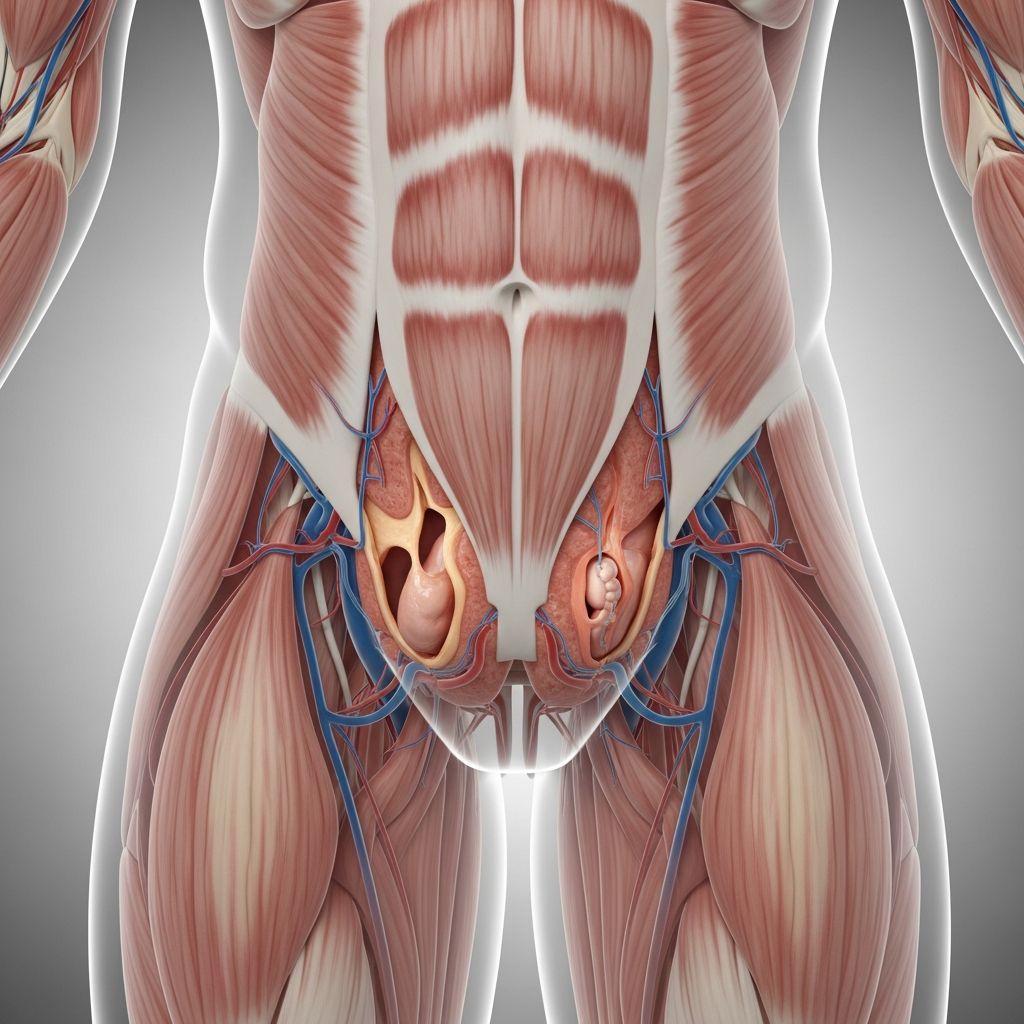
What Is a Hernia?
A hernia occurs when part of your insides bulges through an opening or weakness in the muscle or tissue that contains it. This condition develops when the inside layers of the abdominal wall weaken, allowing the inner lining of the abdomen to push through the weakened area and form a balloon-like sac. This sac can cause a loop of intestine or abdominal tissue to slip into the opening, leading to pain and potentially serious health complications.
Hernias are extremely common medical conditions, affecting millions of people worldwide. An estimated 5 million Americans have hernias, though only about 700,000 undergo surgical repair each year. While some hernias don’t cause symptoms and may not require treatment, others can progress and cause significant discomfort or complications if left untreated.
Types of Hernias
Hernias can develop in various locations throughout the body. Understanding the different types helps in identifying your condition and determining the appropriate treatment approach. Approximately eighty percent of all hernias are located near the groin, though hernias can also occur in other areas of the abdomen.
Inguinal Hernia
An inguinal hernia is when abdominal tissue, such as belly fat or a loop of intestines, bulges through an opening in your lower abdominal wall. This is the most common type of hernia, accounting for the majority of cases near the groin area. Inguinal hernias can often be repaired laparoscopically on an outpatient basis.
Ventral Hernia
A ventral hernia occurs along the vertical center of the abdominal wall. This category includes several subtypes: umbilical hernias (through the navel), epigastric hernias, incisional hernias (along a previous surgical incision), parastomal hernias, and multiply recurrent hernias. Many ventral hernias can be repaired with minimally invasive techniques.
Incisional Hernia
An incisional hernia develops when a section of intestine or tissue pushes through weak abdominal muscles at a previous surgical site. These hernias occur when the abdominal wall fails to heal properly after surgery, creating a weakness that allows tissue to protrude.
Femoral Hernia
Femoral hernias occur below the groin, typically in the upper inner thigh area. While less common than inguinal hernias, they can still cause discomfort and may require surgical repair.
Hiatal Hernia
A hiatal hernia occurs when part of the stomach protrudes through the diaphragm into the chest cavity. This type differs from abdominal hernias and may cause different symptoms, including acid reflux and heartburn.
Paraesophageal and Diaphragmatic Hernia
These hernias involve the diaphragm and tissues around the esophagus. They can be more complex to treat and may require specialized surgical approaches.
Causes of Hernias
Hernias develop when muscles or tissues weaken, creating openings through which internal structures can protrude. Several factors contribute to the development of hernias:
Muscle Weakness
The primary cause of hernias is weakness in the abdominal muscles or tissues. This weakness may be present from birth (congenital) or develop over time due to aging, strain, or muscle deterioration.
Related Stories



Increased Abdominal Pressure
Conditions or activities that increase pressure within the abdominal cavity can contribute to hernia formation. These include chronic coughing, straining during bowel movements, heavy lifting, pregnancy, and obesity.
Surgical History
Previous abdominal surgery can weaken the surgical site, making it susceptible to incisional hernias. The healing process may not fully restore the strength of the abdominal wall.
Trauma and Injury
Direct trauma to the abdominal area can damage muscles and tissues, leading to hernias. Complex cases may involve patients who have lost most of their abdominal wall due to trauma, infections, tumor resection, or multiple failed hernia repairs.
Age and Lifestyle Factors
As people age, muscles naturally weaken, increasing hernia risk. Lifestyle factors such as smoking, poor nutrition, and sedentary behavior can also contribute to muscle weakness and hernia development.
Symptoms of Hernias
Hernia symptoms vary depending on the type, size, and location of the hernia. Some people may not experience any symptoms, while others may notice significant discomfort.
Common Symptoms
Many people with hernias experience a noticeable bulge or lump in the affected area, particularly when standing or straining. This bulge may be more prominent during activities that increase abdominal pressure and may become less visible when lying down. Pain or discomfort at the hernia site is also common, ranging from mild aching to sharp pain. Some individuals experience discomfort that worsens with movement, lifting, or prolonged standing.
Associated Discomfort
Depending on the hernia type, additional symptoms may include pressure or heaviness in the affected area, burning or aching sensations, and mild to severe pain. In cases of hiatal hernias, symptoms may include acid reflux, heartburn, difficulty swallowing, or chest discomfort.
When Symptoms Are Absent
Many small hernias cause no symptoms and may be discovered incidentally during physical examinations or imaging for other reasons. Some patients may avoid treating their hernias because they fear painful surgery, but modern surgical techniques often involve minimal recovery periods and can be performed on an outpatient basis.
Diagnosis of Hernias
Doctors typically diagnose hernias through a physical examination. During this exam, a healthcare provider will look for a visible bulge and palpate the area to assess the hernia’s size and characteristics. Patients should inform their doctor if the bulge appears and disappears or if it changes with position or activity.
Imaging Studies
While a physical exam is often sufficient for diagnosis, medical imaging may be needed in some cases. CT scanning is commonly used to confirm diagnosis, assess hernia complexity, and plan surgical repair. Ultrasound may occasionally be used as an alternative imaging method. These tests help determine the hernia’s exact location, size, and content, which is crucial for surgical planning.
When to Seek Medical Attention
While some hernias remain stable and cause minimal symptoms, certain situations warrant immediate medical evaluation. You should contact a healthcare provider if you notice a new bulge in your abdomen or groin, experience persistent pain or discomfort at the suspected hernia site, notice that your hernia has changed in size or appearance, or if your symptoms are interfering with daily activities.
Seek immediate emergency care if you experience severe pain, nausea and vomiting, inability to have a bowel movement or pass gas, or if your hernia becomes red, warm, or tender. These symptoms may indicate a strangulated hernia, a serious condition where blood supply to the trapped tissue is cut off.
Hernia Treatment Options
Treatment approaches for hernias vary based on the hernia type, size, severity, symptoms, and individual patient factors. Some hernias do not require immediate treatment, while others benefit from surgical repair.
Watchful Waiting
Small, asymptomatic hernias may not require immediate treatment. Your doctor may recommend monitoring the hernia over time, watching for changes in size or symptoms. This approach allows you to avoid surgery if the hernia remains stable and causes no problems. However, hernias tend to worsen over time, which is why providers often recommend repairing them.
Surgical Treatment
Surgery is required to fully repair a hernia, as hernias will not go away on their own. Hernias also tend to worsen over time, which is why providers often recommend repairing them to prevent complications. The three primary surgical options for hernia repair are open, laparoscopic, and robotic surgery.
Open Surgery
Open surgery, the traditional surgical method, involves making an incision over the area of the hernia. The hernia bulge is returned to its correct position, and mesh is often placed to help strengthen and support the weakened area before closing the incision. This approach may be preferred for larger hernias or in certain clinical situations.
Laparoscopic Surgery
Laparoscopic surgery is a minimally invasive technique where a surgeon uses several small, key-hole-sized incisions. Instruments, such as a camera and specialized tools, are inserted through these incisions to perform the operation. This approach typically results in less pain, smaller scars, and faster recovery compared to open surgery.
Robotic Surgery
Similar to laparoscopic surgery, robotic surgery uses several smaller incisions. However, the surgeon performs the operation from a console located in the operating room, allowing for enhanced precision and visualization. Robotic surgery repair generally takes longer than open or laparoscopic surgery but offers advantages in complex cases.
Hernia Mesh
Most hernia repair surgeries are performed using mesh, a material used to reinforce the weak spot in the abdominal wall where the hernia was located. Placing mesh over the hernia location provides support and creates a barrier that helps prevent tissue from pushing through it. Mesh is typically attached to the body using stitches, staples, tacks, or surgical glue.
Surgical Preparation
Proper preparation before hernia surgery is essential for a successful outcome. Your surgeon will provide specific pre-operative instructions tailored to your situation. Generally, preparation involves:
Discussing any medications you take with your healthcare team, as some may need to be adjusted before surgery. Arranging for someone to drive you home after surgery is necessary, as you will not be able to drive yourself due to anesthesia. Following fasting instructions provided by your surgical team, typically nothing to eat or drink after midnight before surgery. Wearing comfortable, loose-fitting clothing on the day of surgery, and arranging for time off work during your recovery period.
The Surgical Procedure
Hernia surgery typically takes between 30 minutes to five hours, depending on the complexity of your specific hernia and the surgical technique used. Simple repairs may be quicker, while complex repairs or abdominal wall reconstructions may require more time.
The specific surgical process depends on whether you’re having open, laparoscopic, or robotic surgery. During the procedure, your surgical team will access the hernia site, reposition the protruding tissue or organs back into the abdomen, and reinforce the weakened area with mesh to prevent recurrence.
For complex cases, surgeons may perform advanced techniques such as component separation, where abdominal muscles are repositioned to provide better support. These advanced approaches can be performed through minimally invasive techniques, allowing patients to recover faster than with traditional large incisions.
Recovery and Aftercare
Recovery from hernia surgery varies based on the surgical technique used and individual factors. Most hernia surgeries are performed on an outpatient basis, meaning patients can go home the same day of the procedure.
Immediate Post-operative Period
After surgery, you may experience pain or discomfort, which can typically be managed with prescribed pain medications. Some patients feel tired and have less energy than usual. These symptoms are normal and generally improve within a few days to a week.
Activity Restrictions
Strenuous activity should be avoided for 4 to 6 weeks following surgery. Your surgeon will provide specific guidelines about when you can return to work, exercise, and normal activities. Most people can return to their daily routine within a few days, though this varies based on the type of surgery performed and your individual healing.
Wound Care
Follow wound care instructions exactly as prescribed by your doctor. Keep the incision clean and dry, watch for signs of infection such as redness, warmth, swelling, or discharge, and contact your healthcare provider if you notice any concerning symptoms.
Follow-up Appointments
Attend all scheduled follow-up appointments with your surgeon to monitor your healing progress. These visits allow your surgeon to assess your recovery and address any concerns.
Complications and Risks
While hernia repair surgery is generally safe, all surgical procedures carry some risks. Possible complications include infection at the surgical site, bleeding or hematoma formation, reaction to anesthesia, recurrence of the hernia, nerve damage causing numbness or tingling, and chronic groin pain following surgery.
Mesh-related complications, though rare, may include mesh infection or fistula formation. Advanced surgical techniques and innovations have reduced post-operative infections and wound complications by more than 50 percent compared to traditional methods.
Specialized Care for Complex Cases
Comprehensive hernia centers offer specialized programs for complex hernia cases and complications. For example, chronic groin pain clinics provide multi-disciplinary team approaches in collaboration with pain management specialists to determine which treatment options patients may respond to. These specialized programs help patients who experience chronic pain after inguinal hernia repair surgery.
Frequently Asked Questions
Q: Can a hernia heal on its own without surgery?
A: No, hernias cannot heal on their own. Surgery is required to fully repair a hernia, as they will not go away without intervention. Hernias typically worsen over time, which is why surgical repair is often recommended.
Q: How long does hernia surgery take?
A: Hernia surgery may take as little as 30 minutes for simple repairs and up to five hours for more complex repairs. The duration depends on your specific hernia type and the surgical technique used. Generally, robotic surgery repair takes longer than open or laparoscopic hernia surgery.
Q: Will I need to stay overnight in the hospital?
A: Most hernia surgeries are performed on an outpatient basis, meaning you can go home the same day. However, some complex cases, particularly incisional hernias, may require a one or two day hospital stay depending on the complexity and your individual health status.
Q: How long is the recovery period?
A: Recovery time varies depending on the type of surgery and individual factors. Most people can return to their daily routine within a few days. However, strenuous activity should be avoided for 4 to 6 weeks. Ask your surgeon for specific recovery expectations based on your situation.
Q: Can a hernia recur after surgery?
A: While hernia recurrence is possible, modern surgical techniques and the use of mesh significantly reduce recurrence rates. Your surgeon will discuss the specific recurrence risk for your hernia type and recommended surgical approach during your consultation.
Q: What are the signs of a serious hernia complication?
A: Seek immediate medical attention if you experience severe pain, nausea and vomiting, inability to have a bowel movement or pass gas, or if your hernia becomes red, warm, or tender. These symptoms may indicate a strangulated hernia, which requires emergency treatment.
References
- Hernia: What it is, Symptoms, Types, Causes & Treatment — Cleveland Clinic. 2024. https://my.clevelandclinic.org/health/diseases/15757-hernia
- Inguinal Hernia: Types, Causes, Symptoms & Treatment — Cleveland Clinic. 2024. https://my.clevelandclinic.org/health/diseases/16266-inguinal-hernia
- Incisional Hernia: What It Is, Symptoms & Treatment — Cleveland Clinic. 2024. https://my.clevelandclinic.org/health/diseases/incisional-hernia
- Hernia Surgery: Types, What To Expect, Recovery & Complications — Cleveland Clinic. 2024. https://my.clevelandclinic.org/health/procedures/17967-hernia-repair-surgery
- Understanding Abdominal Wall Hernias and Options for Reconstruction — Cleveland Clinic. 2024. https://my.clevelandclinic.org/podcasts/butts-and-guts/understanding-abdominal-wall-hernias-and-options-for-reconstruction
- How to Spot a Hernia — Cleveland Clinic Abu Dhabi. 2024. https://www.clevelandclinicabudhabi.ae/en/health-byte/digestive-health/how-to-spot-a-hernia
Similar Articles








Read full bio of Sneha Tete