Herpangina: Complete Guide To Symptoms, Treatment, And Prevention
Viral infection causing painful mouth ulcers, fever, and sore throat, primarily in children during summer outbreaks.
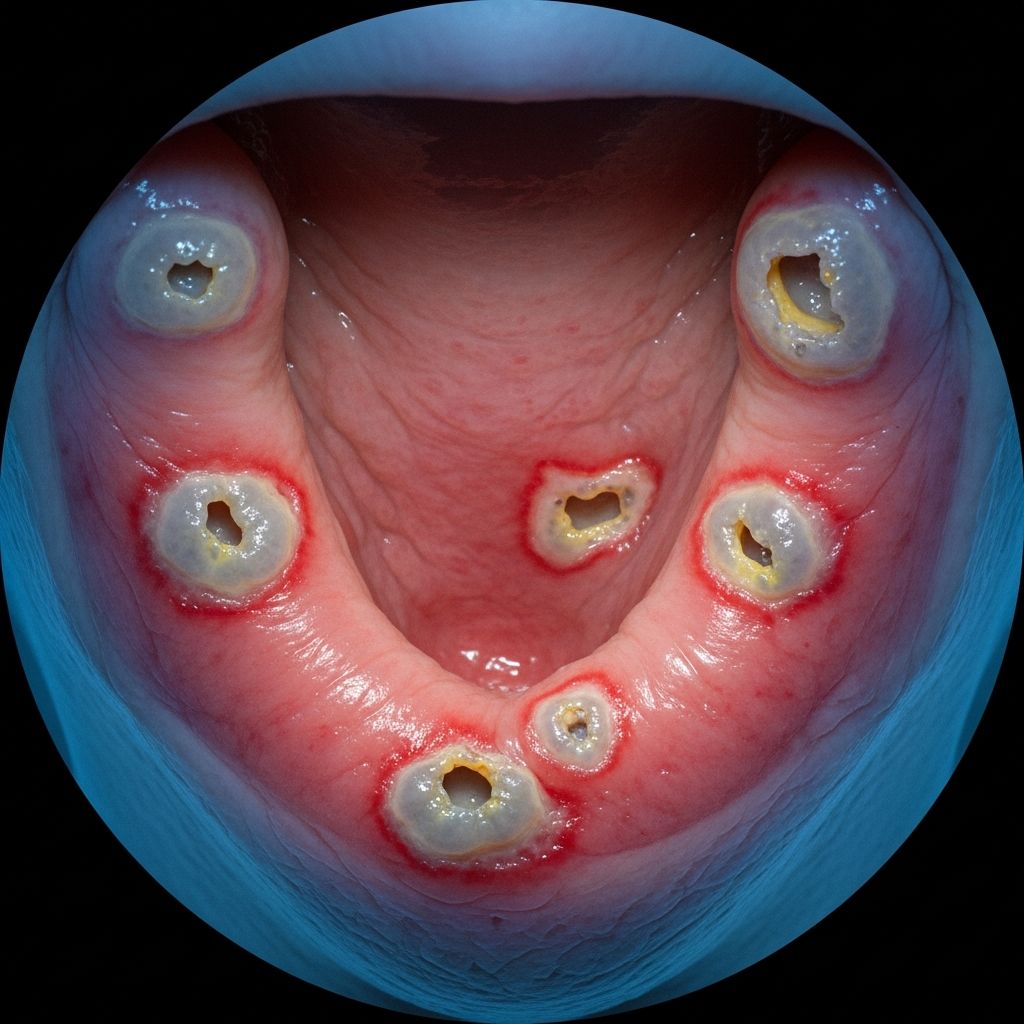
Herpangina is a highly contagious viral infection that primarily affects young children, causing painful blister-like sores in the mouth and throat, accompanied by fever and discomfort. It typically occurs in outbreaks during summer and early autumn, spreading rapidly in settings like daycares and schools.
What is herpangina?
Herpangina, also known as enteroviral vesicular pharyngitis, is a self-limited illness characterized by an enanthem—small vesicles or ulcers—on the soft palate, tonsils, uvula, and posterior pharynx. Unlike bacterial infections, it is caused by RNA viruses from the enterovirus family, most commonly coxsackievirus A (especially serotypes A2-A6, A8, A10), coxsackievirus B, echovirus, and enterovirus 71. These viruses thrive in warm weather, explaining the seasonal pattern from late spring through fall in temperate climates and year-round in tropical regions.
The disease was first described in 1957 by a Canadian pediatrician who noted clusters of cases with similar oral lesions. It predominantly impacts children aged 3-10 years, though infants and adults can be affected, albeit less commonly. Transmission occurs via the fecal-oral route, respiratory droplets, or contact with contaminated surfaces, with viruses surviving extended periods outside the body.
Who gets herpangina?
Herpangina most frequently affects children under 10 years, with peak incidence in those aged 3-5 years during outbreaks. It is rare in adults due to acquired immunity from prior exposures, but immunocompromised individuals or those in close contact with infected children remain at risk. Global outbreaks are reported, particularly in Asia with enterovirus 71 strains linked to severe complications.
- Children in daycare or preschool settings: Highest risk due to close contact.
- Siblings of infected children: Secondary spread common in households.
- Immunocompromised persons: May experience prolonged or severe symptoms.
- Adults: Occasional cases with milder symptoms like sore throat without drooling.
What causes herpangina?
Herpangina results from non-polio enteroviruses, single-stranded RNA viruses in the Picornaviridae family. Key causative agents include:
| Virus Type | Common Serotypes | Notes |
|---|---|---|
| Coxsackievirus A | A2, A4, A5, A6, A8, A10 | Most frequent cause; linked to hand-foot-mouth disease overlap. |
| Coxsackievirus B | B2, B3, B5 | Less common but associated with systemic symptoms. |
| Echoviruses | Various | Contribute to sporadic cases. |
| Enterovirus 71 | – | Associated with neurological complications in outbreaks. |
Viral replication occurs in the gastrointestinal tract before disseminating to the oropharynx, causing local inflammation and vesicle formation. Poor hygiene, crowded environments, and warm weather facilitate spread.
What are the clinical features of herpangina?
Symptoms onset abruptly 3-5 days post-exposure, starting with high fever (often >38.5°C/101.3°F), malaise, and sore throat. Within 24-48 hours, characteristic oral lesions appear: 1-2 mm grayish-white vesicles on an erythematous base, evolving to 3-4 mm shallow ulcers with red margins. Lesions number 5-15, clustering on the anterior pillars, soft palate, uvula, tonsils, and posterior pharynx; rarely on buccal mucosa or tongue.
Systemic features include:
- High fever lasting 1-4 days.
- Anorexia, dysphagia, drooling (especially in toddlers).
- Cervical lymphadenopathy.
- Headache, abdominal pain, vomiting, or diarrhea in some.
- Rash (maculopapular or petechial exanthem) in 10-30% of cases, varying by viral subtype.
In severe cases, dehydration manifests as dry mucous membranes, reduced urine output, and lethargy. Adults report similar symptoms sans drooling.
Diagnosis
Diagnosis is clinical, based on history of fever, oropharyngeal vesicles/ulcers in a child during enterovirus season. Differential includes hand-foot-mouth disease (distal lesions), aphthous stomatitis (solitary ulcers), herpetic gingivostomatitis (anterior mouth, gingival involvement), and bacterial pharyngitis (exudate without vesicles).
Lab confirmation via viral PCR from throat swabs, vesicles, or stool; viral culture or serology less practical. Rarely needed unless complications suspected.
Related Stories



Treatment of herpangina
As a viral illness, herpangina is self-limited, resolving in 7-10 days with supportive care. No antibiotics or routine antivirals; focus on symptom relief and preventing dehydration.
Symptomatic management
- Analgesia/Antipyretics: Acetaminophen or ibuprofen for fever >38.5°C and pain. Dose by age/weight.
- Soft diet: Cold milk, yogurt, ice cream, popsicles; avoid acidic/spicy foods.
- Hydration: Frequent small sips of cool fluids; monitor intake/output.
- Oral care: Avoid topical anesthetics like viscous lidocaine in young children due to aspiration risk; saltwater gargles for older patients.
Experimental: Interferon-alpha spray shows immunomodulatory promise but not standard. Hospitalization for IV fluids if severe dehydration.
Complications
Most cases benign, but risks include:
- Dehydration: Primary concern from dysphagia.
- Neurological: Rare aseptic meningitis, encephalitis (esp. EV71).
- Cardiac/Myocarditis: Coxsackie B-related.
- Respiratory distress: Severe pharyngitis.
Seek urgent care for persistent fever >5 days, dehydration signs, neck stiffness, or lethargy.
Prevention of herpangina
No vaccine; prevention relies on hygiene:
- Frequent handwashing with soap.
- Disinfect surfaces/toys.
- Exclude infected children from school/daycare until afebrile 24 hours.
- Avoid sharing utensils.
- Isolate cases.
Related topics
- Hand-foot-mouth disease
- Aphthous ulcers
- Herpetic gingivostomatitis
- Coxsackie viral infections
Frequently Asked Questions
Q: How long does herpangina last?
A: Symptoms peak in 3-5 days and resolve fully in 7-10 days with supportive care.
Q: Is herpangina contagious?
A: Yes, highly contagious via droplets, feces, or fomites from symptom onset through ~1 week.
Q: Can adults get herpangina?
A: Yes, but milder; symptoms include sore throat and fever without oral drooling.
Q: Does herpangina cause dehydration?
A: Commonly, due to painful swallowing; ensure fluid intake and watch for dry mouth or reduced urine.
Q: Are antibiotics needed for herpangina?
A: No, as it’s viral; they may worsen resistance if misused.
Q: How to soothe herpangina mouth sores?
A: Cold foods, popsicles, pain relievers; saltwater gargles for older children.
This article expands on herpangina’s epidemiology, drawing from clinical observations and authoritative sources. Outbreaks underscore the need for vigilant hygiene in pediatric settings. Early recognition prevents complications like dehydration, ensuring swift recovery.
References
- Herpangina — St. Louis Children’s Hospital. 2023. https://www.stlouischildrens.org/conditions-treatments/herpangina
- Herpangina (Kids and Adults): Symptoms and Treatments — ADA.com. 2023. https://ada.com/conditions/herpangina/
- Herpangina — NCBI Bookshelf (StatPearls). 2023-05-01. https://www.ncbi.nlm.nih.gov/books/NBK507792/
- Herpangina: Causes, Symptoms & Treatment — Cleveland Clinic. 2023. https://my.clevelandclinic.org/health/diseases/22508-herpangina
- Herpangina: Causes, Symptoms and When to Get Care — Banner Health. 2023. https://www.bannerhealth.com/services/infectious-disease/treatment/herpangina
Similar Articles








Read full bio of Sneha Tete