Herpes (HSV-1 and HSV-2): Symptoms, Treatment, and Prevention
Complete guide to understanding herpes simplex virus types, symptoms, transmission, and effective treatment options.
Understanding Herpes Simplex Virus (HSV-1 and HSV-2)
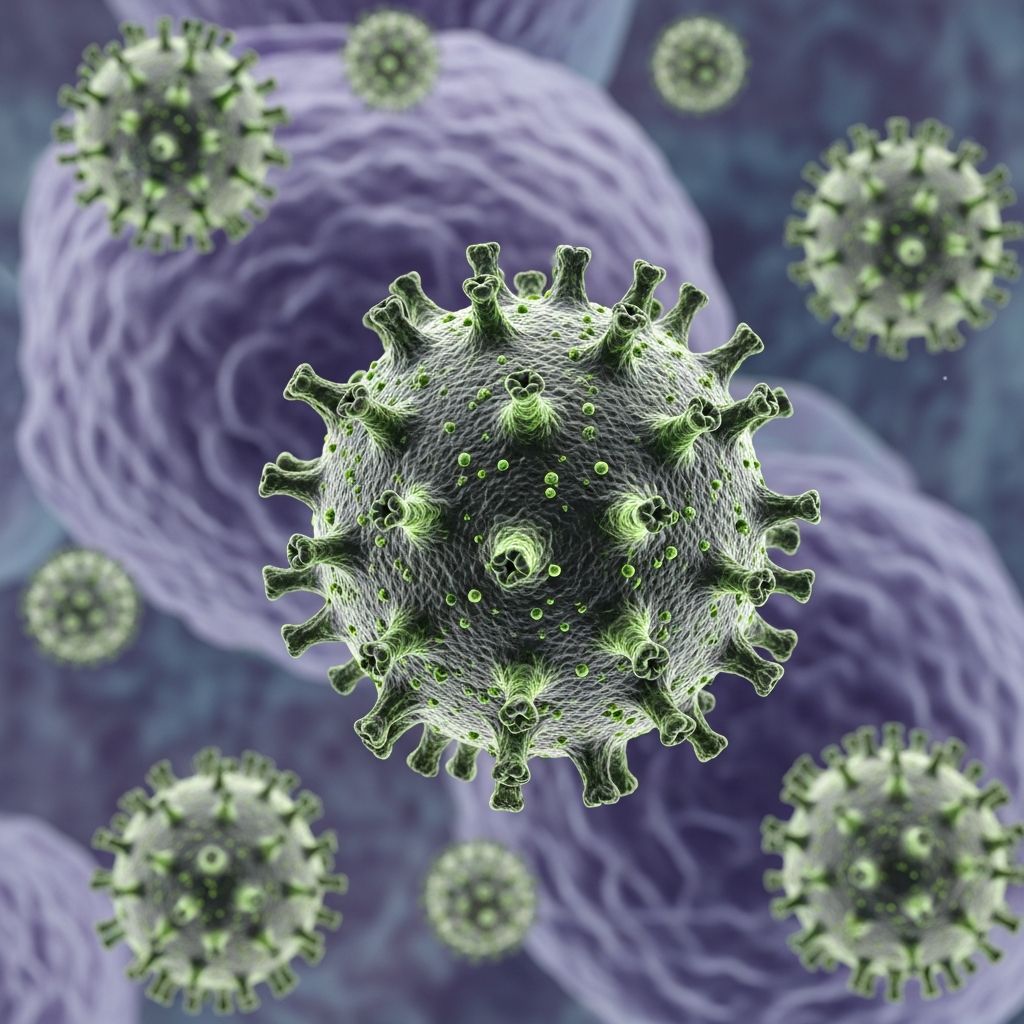
Herpes simplex virus (HSV) is a common viral infection that affects millions of people worldwide. There are two main types of herpes simplex virus: HSV-1 and HSV-2, each with distinct characteristics and patterns of infection. Understanding the differences between these two types, their symptoms, transmission methods, and available treatments is essential for managing the condition effectively and preventing spread to others.
HSV-1 commonly causes oral herpes, typically presenting as cold sores around the mouth, while HSV-2 primarily causes genital herpes. Both viruses are highly contagious and remain dormant in nerve cells after initial infection, potentially reactivating throughout a person’s lifetime. The initial outbreak is often the most severe, but subsequent recurrences typically produce milder symptoms as the immune system learns to manage the infection.
HSV-1: Oral Herpes
HSV-1 is the virus responsible for most oral herpes infections, commonly known as cold sores. This type of herpes infection primarily affects the mouth area, including the lips, gums, tongue, and throat. The first noticeable symptom is usually a cold sore or blister, which can form on the gums, lips, mouth, or throat. Some people may also experience a sore throat, medically known as pharyngitis, during their initial outbreak.
The symptoms of oral herpes typically develop gradually, often starting with a tingling, burning, or itchy sensation in the affected area before blisters appear. Once blisters form, they become painful and fluid-filled, eventually rupturing and forming crusts. Complete healing from an initial oral herpes outbreak can take up to three weeks, though recurrent episodes typically resolve more quickly.
HSV-2: Genital Herpes
HSV-2 primarily affects the genital area, resulting in blisters or ulcers on the genital region, buttocks, or thighs. Symptoms of genital herpes infection usually occur within two to fourteen days from the time of infection. Like oral herpes, genital herpes begins with prodromal symptoms including tingling, burning, or itchy feelings in the affected area before blisters appear.
The distinctive characteristics of genital HSV-2 infection include painful sores or blisters on the genitals or around the anus. During the initial outbreak, individuals may experience systemic symptoms such as decreased appetite, muscle aches, fever, tender lymph nodes, and pain with urination. These symptoms typically last for one to two weeks before resolving. Importantly, HSV-2 is much more likely than genital HSV-1 infection to cause recurrent symptoms, with almost all persons experiencing symptomatic first-episode HSV-2 genital herpes subsequently experiencing recurrent episodes of genital lesions.
Differences Between HSV-1 and HSV-2
| Characteristic | HSV-1 | HSV-2 |
|---|---|---|
| Primary Site of Infection | Mouth and lips | Genitals, buttocks, thighs |
| Common Name | Cold sores or oral herpes | Genital herpes |
| Recurrence Frequency | Less frequent recurrences | More common recurrences |
| Initial Symptom Duration | Up to 3 weeks | 1 to 2 weeks (usually shorter) |
| Genital Shedding Risk | Rapidly decreases after first year | Intermittent asymptomatic shedding ongoing |
Transmission of Herpes
HSV is highly contagious and spreads through direct contact with infected areas or bodily fluids. HSV-1 is mainly transmitted via contact with the mouth area, saliva, or oral secretions. This can occur through kissing, sharing utensils, toothbrushes, lip balm, or other items that come into contact with the mouth. HSV-2 is typically transmitted through sexual contact, including vaginal, anal, or oral sex with an infected partner.
Related Stories



It is important to note that transmission can occur even when visible sores are not present. Intermittent asymptomatic shedding occurs among persons with HSV-2 genital herpes infection, even those with longstanding clinically silent infection. This means individuals can unknowingly transmit the virus to sexual partners even during periods when they experience no symptoms. The risk of transmission is highest during active outbreaks when visible sores are present and when symptoms are most noticeable.
Symptom Timeline and Progression
The progression of herpes symptoms follows a predictable pattern, though individual experiences may vary. The initial outbreak is often the most severe, with symptoms potentially including fever, swollen lymph nodes, body aches, and general malaise in addition to the localized sores. After the immune system manages this first outbreak, the virus becomes dormant in nerve cells and may reactivate periodically, causing additional sores.
Recurrent outbreaks typically develop more quickly than the initial infection and produce milder symptoms. When an outbreak occurs, symptoms usually start with itching or burning in the area where sores will appear. This prodromal phase provides an opportunity to begin antiviral treatment before visible lesions develop, making early intervention particularly important for managing recurrences effectively. The frequency of outbreaks varies significantly from person to person, with some individuals experiencing only rare flare-ups while others may have more frequent episodes.
Factors Triggering Herpes Outbreaks
Several factors can trigger herpes reactivation and subsequent outbreaks. Understanding these triggers helps individuals take preventive measures to reduce outbreak frequency. Common triggers include:
Stress: Both emotional and physical stress are significant triggers for herpes reactivation. High stress levels can suppress immune function, allowing the dormant virus to reactivate and cause an outbreak.
Illness: Any type of systemic illness that compromises immune function can trigger herpes reactivation. Infections, fever, and other acute illnesses are common outbreak precipitants.
Pregnancy: Hormonal changes and immune system modifications during pregnancy can trigger herpes outbreaks.
Sunlight: For individuals with oral herpes, ultraviolet (UV) exposure can trigger cold sore recurrences. Sun exposure on the lips is a well-documented outbreak trigger.
Immunosuppression: Any condition or treatment that weakens the immune system, including HIV infection, increases herpes shedding and outbreak frequency.
Diagnosis of Herpes Simplex Virus
Healthcare providers use several methods to diagnose herpes simplex virus infection. A simple blood test can tell whether you have HSV in your body. If you have visible sores, providers typically perform a viral culture or PCR test on fluid collected from the sores to confirm HSV infection and determine which type is present.
If you don’t have sores, your provider can use a blood test to check for antibodies against HSV-1 or HSV-2. Antibodies are a sign you’ve been infected with the virus in the past. These type-specific serologic tests help distinguish between HSV-1 and HSV-2 infections, which is important for predicting recurrence patterns and planning appropriate treatment strategies. Test results help your provider determine which type of infection you have and plan treatment accordingly.
Treatment Options for Herpes
While there is no cure for HSV, there are effective treatment options available to manage symptoms and reduce the frequency of outbreaks. Treatment approaches fall into two main categories: episodic therapy for individual outbreaks and chronic suppressive therapy for preventing recurrent episodes.
Episodic Therapy: This short-term treatment targets a single episode or outbreak. It involves taking antiviral medication when you first notice signs of an outbreak, such as skin tingling or itching. The sooner you take antiviral medication, the better it works. Treatment for recurrent episodes is most effective when started within one day of lesion onset or during the prodrome that precedes some outbreaks. Episodic therapy can decrease how long symptoms last and how severe they are.
Chronic Suppressive Therapy: For individuals experiencing frequent outbreaks—generally at least six per year or severe outbreaks—providers may prescribe daily antiviral medication at a lower dose to prevent outbreaks from occurring. Providers typically use chronic suppressive therapy for people with genital HSV-2, while they don’t recommend it often for genital HSV-1 because this type causes fewer outbreaks and has a lower risk for recurrences and shedding.
Antiviral Medications
The antiviral medications commonly prescribed to alleviate the severity and duration of outbreaks include acyclovir, valacyclovir, and famciclovir. These drugs function by impeding viral DNA replication, thus restricting the virus’s ability to multiply. The medications come in different forms, including oral tablets, intravenous injections, and topical creams, allowing providers to tailor treatment based on individual circumstances.
Acyclovir (Zovirax): Typically taken five times daily for treatment of active outbreaks, acyclovir is often the most affordable antiviral option but requires frequent dosing.
Valacyclovir (Valtrex): This medication is taken twice daily and is often preferred by patients due to its convenient dosing schedule, though it is typically more expensive than acyclovir.
Famciclovir: Another effective antiviral option taken at varying frequencies depending on treatment approach.
All three medications appear equally effective for episodic treatment of genital herpes and are recommended by leading health organizations for managing HSV infections.
Symptomatic Relief and Comfort Measures
Beyond antiviral medications, several measures can help manage pain and discomfort associated with herpes outbreaks. These complementary approaches include:
Warm Baths: Soaking in warm water can provide soothing relief from pain and discomfort during herpes outbreaks.
Loose Clothing: Wearing loose-fitting clothing reduces friction and irritation on affected areas, minimizing pain.
Over-the-Counter Pain Medications: Ibuprofen, acetaminophen, and other OTC pain relievers can help manage discomfort associated with herpes sores.
Topical Creams: Over-the-counter topical medications and creams can provide localized relief and promote healing of sores.
Prevention and Transmission Reduction
While herpes cannot be completely prevented once exposed to the virus, several strategies can reduce transmission risk and outbreak frequency. Individuals with HSV should avoid sexual contact during active outbreaks when sores are present. Consistent condom use reduces (but does not eliminate) transmission risk. For individuals taking daily antiviral therapy, suppressive therapy significantly reduces the risk of transmission to sexual partners.
Those with oral herpes should avoid sharing personal items such as toothbrushes, utensils, lip balm, or beverages, particularly during symptomatic periods. Additionally, managing stress, maintaining a healthy immune system, protecting lips from sun exposure, and avoiding known personal triggers can help minimize outbreak frequency and severity.
Special Considerations and Future Treatments
Individuals with HIV infection require special attention regarding HSV management, as HSV shedding is increased among this population. Although antiretroviral therapy (ART) reduces the severity and frequency of symptomatic genital herpes, frequent subclinical shedding still occurs. Healthcare providers may recommend more aggressive suppressive therapy for individuals with HIV co-infection.
Scientists are actively researching vaccines to help prevent HSV or treat symptoms, but these are not yet available for clinical use. Ongoing research continues to explore new therapeutic approaches and prevention strategies that may improve outcomes for individuals living with herpes simplex virus infections.
Frequently Asked Questions
Q: Is herpes curable?
A: No, there is currently no cure for herpes. However, antiviral medications effectively manage symptoms, reduce outbreak frequency, and decrease transmission risk. The virus remains dormant in nerve cells for life.
Q: Can I transmit herpes without visible sores?
A: Yes, asymptomatic viral shedding occurs with both HSV-1 and HSV-2, meaning transmission is possible even without visible symptoms, though the risk is lower than during active outbreaks.
Q: How long do herpes outbreaks last?
A: Initial herpes outbreaks typically last one to three weeks. Recurrent outbreaks are usually shorter, lasting one to two weeks, with symptoms generally being milder than the initial infection.
Q: Can HSV-1 cause genital herpes?
A: Yes, HSV-1 can cause genital herpes through sexual contact, though it is less common than HSV-2 and typically causes fewer recurrences and less frequent shedding.
Q: What should I do if I think I have herpes?
A: Contact your healthcare provider for proper diagnosis through blood tests or viral culture. Early diagnosis allows for appropriate treatment and helps prevent transmission to partners. Your provider can discuss treatment options tailored to your specific situation.
References
- Herpes Simplex Virus: Understanding HSV-1 and HSV-2 — Virology Research Services. 2024-12-11. https://virologyresearchservices.com/2024/12/11/herpes-simplex-virus-understanding-hsv-1-and-hsv-2/
- Herpes Simplex Virus (HSV): Types, Symptoms, & Treatment — Cleveland Clinic. https://my.clevelandclinic.org/health/diseases/22855-herpes-simplex
- Herpes – STI Treatment Guidelines — Centers for Disease Control and Prevention (CDC). https://www.cdc.gov/std/treatment-guidelines/herpes.htm
- Herpes Simplex Virus — World Health Organization (WHO). https://www.who.int/news-room/fact-sheets/detail/herpes-simplex-virus
- HSV1 and HSV2 Both Cause Herpes — Does the Difference Matter? — GoodRx Health. https://www.goodrx.com/conditions/herpes/hsv1-vs-hsv2
- Herpes (HSV-1 & HSV-2): Symptoms, Transmission and Testing — Labcorp On Demand. https://www.ondemand.labcorp.com/blog/what-to-know-herpes-hsv-1-hsv-2
- FAQ: Herpes — MIT Health. https://health.mit.edu/faqs/herpes
Similar Articles








Read full bio of medha deb