Herpes Keratitis: Symptoms, Diagnosis, And Treatment Guide
Understand herpes keratitis causes, symptoms, treatments, and prevention for this vision-threatening corneal infection.
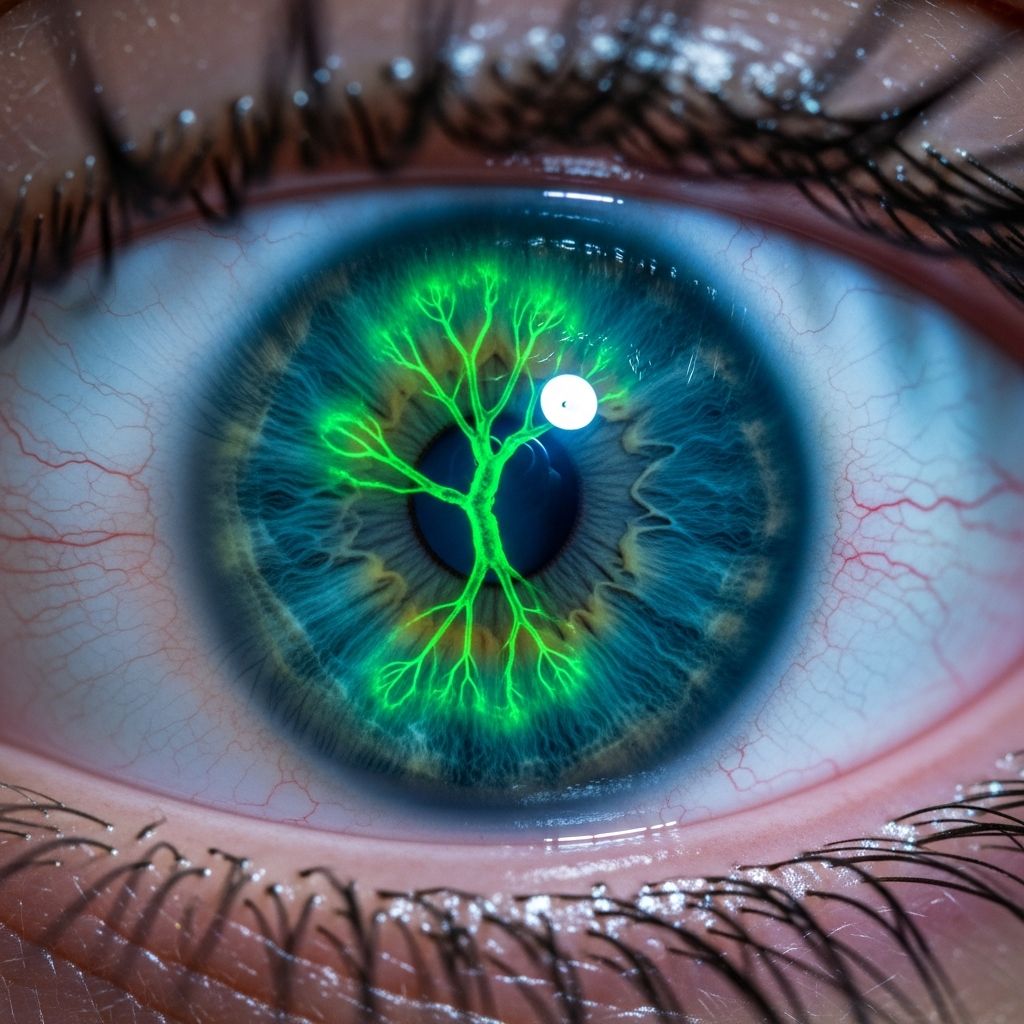
Herpes keratitis is a potentially sight-threatening condition caused by the herpes simplex virus (HSV) infecting the cornea, the clear front surface of the eye. This infection can lead to pain, vision impairment, and in severe cases, blindness if not managed properly.
Understanding the Herpes Simplex Virus Behind Eye Infections
The herpes simplex virus, primarily HSV-1, is responsible for most cases of ocular herpes. This double-stranded DNA virus typically starts with infections in the mouth or face during childhood but can remain dormant in nerve ganglia, reactivating later to affect the eyes. HSV-2, more associated with genital infections, can occasionally cause eye issues, though HSV-1 predominates in corneal cases.
Once inside the body, the virus travels along nerves to the trigeminal ganglion, where it hides latently. Reactivation occurs due to triggers, sending the virus back to the cornea via sensory nerves, sparking inflammation and tissue damage. This cycle explains why initial infections may be mild or unnoticed, while recurrences pose greater risks to vision.
Types of Herpes Keratitis and Their Characteristics
Herpes keratitis manifests in distinct forms, each targeting different corneal layers and requiring tailored management.
- Epithelial Keratitis: The most common initial presentation, affecting the outer corneal layer. It features branching dendritic ulcers visible under fluorescein staining, resembling tree branches or nerve patterns. These lesions harbor active virus replication at their edges.
- Stromal Keratitis: Involves deeper corneal layers, often from immune responses to viral antigens rather than active infection. It causes clouding, scarring, and neovascularization, leading to persistent vision loss.
- Endotheliitis: Targets the inner endothelial layer, causing corneal swelling (edema) and potential vision distortion.
Geographic ulcers, an advanced epithelial form, occur in immunocompromised individuals, covering larger areas with dead epithelial cells. Recurrent episodes can progress from epithelial to stromal involvement, amplifying damage.
Common Symptoms and Early Warning Signs
Recognizing symptoms promptly is crucial to prevent complications. Typical signs include:
- Severe eye pain or foreign body sensation
- Redness and swelling around the eye
- Blurred or decreased vision
- Light sensitivity (photophobia)
- Excessive tearing or watery discharge
- Eyelid blisters or sores in severe cases
These symptoms often mimic other eye conditions like bacterial keratitis, underscoring the need for professional diagnosis. Contact lens wearers should remove lenses immediately if symptoms arise, as HSV thrives in such environments. Untreated, symptoms can escalate to corneal scarring and permanent visual deficits.
Risk Factors That Trigger HSV Eye Infections
Primary infections spread via direct contact with infected secretions, such as from oral herpes lesions. Recurrent outbreaks stem from multiple triggers:
| Trigger Category | Examples | Mechanism |
|---|---|---|
| Environmental | Sunlight exposure, heat | UV light stimulates viral reactivation |
| Physiological | Fever, menstruation, stress | Immune suppression allows latency break |
| Traumatic | Eye injury, surgery, trigeminal nerve procedures | Physical disruption of nerves |
| Medical | Immunosuppression, corticosteroids, recent COVID-19 infection or vaccination | Reduced immune surveillance |
Individuals with atopy, HIV, or those on steroids face heightened risks, as their defenses falter against viral spread. Globally, HSV keratitis ranks as a leading infectious cause of blindness.
Related Stories



Diagnosis: Confirming HSV in the Cornea
Eye specialists diagnose via slit-lamp exams, revealing characteristic dendritic patterns under cobalt blue light with fluorescein dye. Corneal scrapings stained with Giemsa may show intranuclear inclusions or multinucleated giant cells, confirming viral presence.
Advanced cases might require PCR testing of tear samples for HSV DNA or confocal microscopy for subtle lesions. Differentiating from zoster or bacterial infections is vital, as treatments differ. Early detection via these methods improves outcomes significantly.
Treatment Strategies for Acute and Recurrent Episodes
Treatment hinges on antiviral agents to halt replication, with options varying by severity and patient tolerance.
- Topical Antivirals: Ganciclovir 0.15% gel (FDA-approved) or trifluridine drops, applied frequently (e.g., 5-9 times daily initially). Ideal for epithelial disease but can cause epithelial toxicity.
- Oral Antivirals: Acyclovir (400mg 5x/day), valacyclovir, or famciclovir for 7-14 days. Preferred for children, recurrences, or stromal involvement due to ease and lower toxicity.
- Steroids: Used cautiously in stromal cases to curb inflammation, always with antivirals to prevent worsening.
For vision-threatening scars, corneal transplants may be needed post-resolution. Prophylactic oral antivirals reduce recurrences by up to 50% in frequent cases.
Preventing Recurrence and Protecting Vision Long-Term
No cure eradicates latent HSV, so prevention focuses on trigger avoidance and suppressive therapy. Daily oral acyclovir (400mg twice daily) for high-risk patients cuts recurrence rates.
- Avoid UV exposure with sunglasses.
- Manage stress and illnesses promptly.
- Steer clear of corticosteroids without antiviral cover.
- Practice hygiene to prevent primary spread.
Regular ophthalmologist follow-ups monitor for subclinical reactivations, preserving corneal health.
Potential Complications and Prognosis
Repeated episodes foster corneal neovascularization, scarring, and secondary glaucoma, risking irreversible blindness. Immunocompromised patients face geographic ulcers or disseminated disease. With prompt treatment, 90% of epithelial cases resolve, but stromal forms may leave scars in 10-20%. Long-term antiviral prophylaxis improves prognosis markedly.
Frequently Asked Questions (FAQs)
Is herpes keratitis contagious?
Yes, through direct contact with eye secretions during active infection. Avoid sharing towels or eye makeup.
Can contact lenses cause it?
Lenses don’t cause HSV but can exacerbate by harboring virus or causing microtrauma.
How long does treatment last?
Acute epithelial: 7-10 days; stromal may require weeks with monitoring.
Does it always recur?
Up to 40% experience recurrences; prophylaxis reduces this.
Can it affect both eyes?
Rarely simultaneously, but bilateral involvement occurs in recurrences.
Living with Herpes Keratitis: Patient Tips
Empower yourself with education: track triggers in a journal, adhere to meds, and seek immediate care for symptoms. Support groups and routine exams maintain quality of life despite this chronic threat.
References
- Herpes Simplex Epithelial Keratitis — EyeWiki (American Academy of Ophthalmology). 2023. https://eyewiki.org/Herpes_Simplex_Epithelial_Keratitis
- Herpes Simplex Keratitis — Merck Manuals. 2024. https://www.merckmanuals.com/home/eye-disorders/corneal-disorders/herpes-simplex-keratitis
- Herpes Simplex Keratitis — StatPearls (NCBI Bookshelf). 2023-10-28. https://www.ncbi.nlm.nih.gov/books/NBK545278/
- What Causes HSV (Herpes Simplex Virus) Keratitis — CDC. 2024. https://www.cdc.gov/contact-lenses/causes/what-causes-hsv-herpes-simplex-virus-keratitis.html
- Diagnosis and Treatment of Herpes Keratitis — Review of Ophthalmology. 2023. https://www.reviewofophthalmology.com/article/diagnosis-and-treatment-of-herpes-keratitis
Similar Articles








Read full bio of Sneha Tete