Herpes-Like Conditions: 10 Common Mimics Of Genital Herpes
Discover common conditions that mimic herpes symptoms, from STIs to skin issues, and learn how to differentiate them for accurate diagnosis.
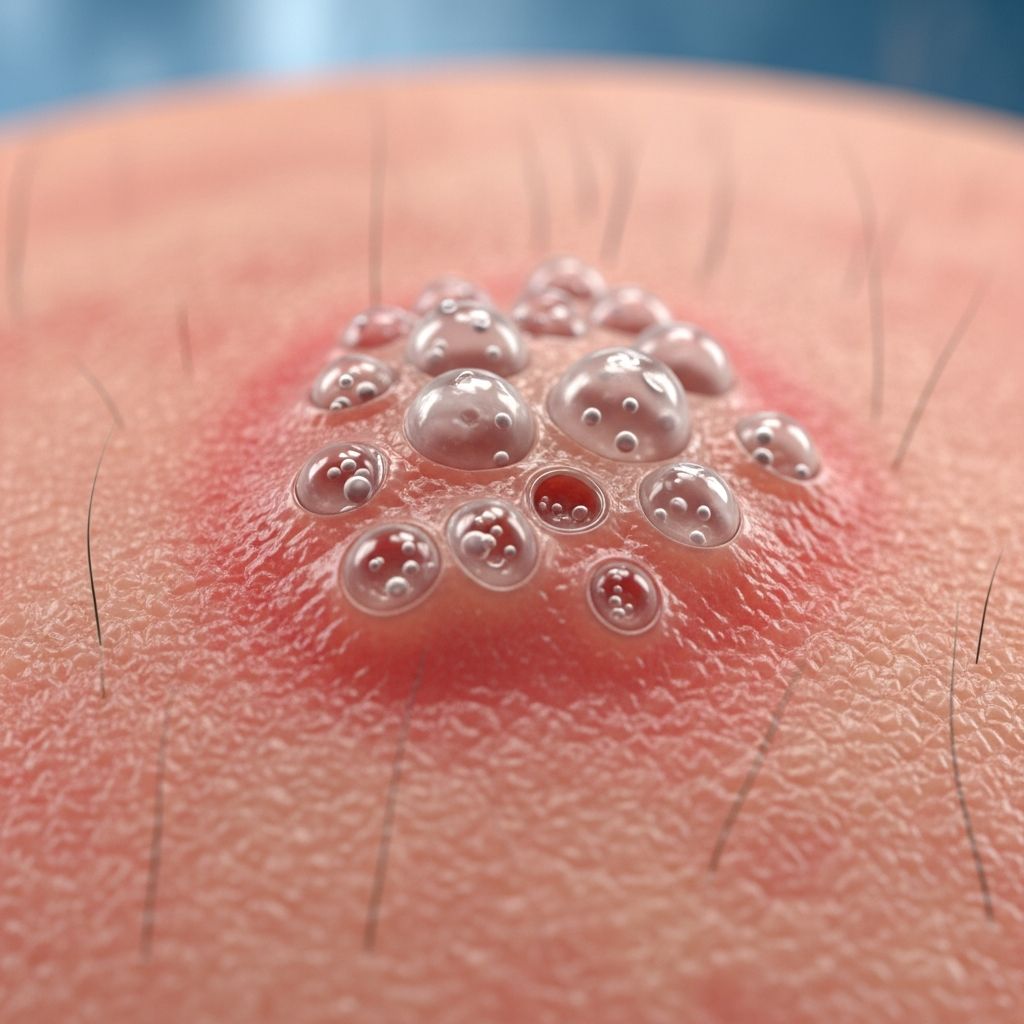
Genital herpes, caused by the herpes simplex virus (HSV), is a common sexually transmitted infection characterized by painful blisters or sores in the genital area. However, several other conditions can produce similar symptoms, such as blisters, ulcers, rashes, or itching, leading to potential misdiagnosis. These herpes-like conditions range from other STIs to skin infections and allergic reactions. Accurate diagnosis is crucial, as treatments differ significantly. This article covers the most common mimics, their symptoms, causes, and differentiation from herpes, empowering you to seek informed medical advice.
Syphilis
Syphilis, caused by the bacterium Treponema pallidum, is a sexually transmitted infection that progresses in stages. In its primary stage, it presents a single, painless sore called a chancre, often mistaken for a herpes lesion. Unlike herpes blisters that burst into painful ulcers, the syphilitic chancre is firm, round, and typically painless, appearing 10-90 days after exposure.
In the secondary stage, syphilis causes a widespread rash that may include rough, red, or reddish-brown spots on the palms and soles—areas rarely affected by herpes. Other symptoms include fever, swollen lymph nodes, and mucous membrane patches. Without treatment, it advances to latent and tertiary stages, potentially damaging organs.
- Key differences from herpes: Painless chancre vs. painful clusters of blisters; rash on palms/soles.
- Diagnosis: Blood tests (RPR, VDRL) or darkfield microscopy.
- Treatment: Penicillin injections; early treatment cures the infection and prevents progression.
According to the CDC, syphilis cases have risen sharply, emphasizing the need for testing in anyone with genital sores.
Chancroid
Chancroid, caused by Haemophilus ducreyi, is a bacterial STI prevalent in developing countries but increasingly reported in the U.S. It causes painful genital ulcers with ragged edges and grayish-yellow exudate, often accompanied by painful inguinal buboes (swollen lymph nodes).
Unlike herpes, chancroid ulcers are single or few, deep, and purulent, developing 3-10 days post-exposure. No blisters precede the ulcers, distinguishing it from HSV’s vesicular stage.
- Key differences: Painful, purulent ulcers with buboes; no vesicles.
- Diagnosis: Clinical exam, culture, or PCR testing.
- Treatment: Antibiotics like azithromycin or ceftriaxone.
Chancroid increases HIV transmission risk due to open sores.
Impetigo
Impetigo is a superficial bacterial skin infection, often caused by Staphylococcus aureus or Streptococcus pyogenes, common in children but possible in adults via skin-to-skin contact. It starts as red sores that rupture, forming honey-colored crusts, sometimes resembling herpes scabs.
Genital impetigo is rare but can occur from friction or poor hygiene. Lesions are itchy rather than painful and lack the clustered, recurrent nature of herpes.
- Key differences: Honey-crusted lesions; contagious via contact; no systemic symptoms like herpes prodrome (tingling).
- Diagnosis: Clinical; bacterial culture if needed.
- Treatment: Topical mupirocin or oral antibiotics for extensive cases.
Good hygiene prevents spread; it’s not sexually transmitted.
Contact Dermatitis
Contact dermatitis arises from exposure to irritants (e.g., soaps, latex condoms) or allergens (e.g., spermicides, fragrances), causing red, itchy rashes or blisters on genital skin. It mimics herpes with vesicles but is usually bilateral and non-recurrent.
Symptoms appear 12-72 hours after contact, including burning and swelling without ulcers.
- Key differences: Itchy over painful; linked to new products; resolves with avoidance.
- Diagnosis: Patch testing; history of exposure.
- Treatment: Topical steroids, emollients; identify and avoid triggers.
This non-infectious condition often resolves in days to weeks.
Folliculitis
Folliculitis involves inflamed hair follicles, often from bacteria, friction (e.g., shaving, tight clothing), or fungi like yeast. It presents as red, pustular bumps around follicles, sometimes mistaken for herpes pustules.
Genital folliculitis from pubic hair shaving is common, with itchy or tender pimples but no coalescing ulcers.
- Key differences: Centered on hairs; no tingling prodrome; self-limiting.
- Diagnosis: Clinical exam.
- Treatment: Warm compresses, antibacterial washes; antifungals if yeast-related.
Yeast Infection (Candidiasis)
Candida albicans overgrowth causes thick, white discharge, intense itching, and satellite pustules or red patches in the genital area. In men, it appears as balanitis with erythematous plaques.
Unlike herpes, yeast infections lack discrete blisters or ulcers; symptoms worsen with moisture and antibiotics.
- Key differences: Cottage-cheese discharge; extreme itch; responds to antifungals.
- Diagnosis: KOH prep microscopy.
- Treatment: OTC antifungals like fluconazole or clotrimazole.
Molluscum Contagiosum
This poxvirus infection causes small, firm, umbilicated papules with central dimples, spread by skin contact. Genital molluscum resembles flat warts or herpes but is painless and waxy.
Lesions persist months without ulcerating.
- Key differences: Pearly papules with central plug; no pain or recurrence pattern.
- Diagnosis: Clinical; biopsy if uncertain.
- Treatment: Cryotherapy, curettage; often self-resolves.
Genital Warts (HPV)
Human papillomavirus causes flesh-colored, cauliflower-like growths, distinct from herpes blisters but sometimes confused with clustered lesions.
Warts are painless and persistent.
- Key differences: Raised, irregular growths; no vesicles or pain.
- Diagnosis: Visual; acetic acid test.
- Treatment: Podophyllin, imiquimod, or ablation.
Bacterial Vaginosis
BV involves vaginal flora imbalance, causing fishy odor, thin discharge, and mild irritation—but rarely blisters. It’s confused with herpes if irritation causes minor abrasions.
- Key differences: Discharge-focused; no sores.
- Treatment: Metronidazole.
Behçet’s Disease
This rare autoimmune disorder causes recurrent oral and genital ulcers, plus eye inflammation. Ulcers are large, painful, and punch-out like advanced herpes.
- Key differences: Systemic symptoms; oral involvement common.
- Diagnosis: Clinical criteria.
- Treatment: Colchicine, steroids.
When to See a Doctor
Seek immediate care for first-time genital sores, recurrent outbreaks, fever, or symptoms lasting over a week. Providers use swabs, blood tests, or biopsies for diagnosis. HSV testing includes viral culture or PCR; blood tests detect antibodies but can’t distinguish active infection.
Recent research highlights unreliable commercial HSV blood tests, especially low positives, underscoring clinical correlation.
Treatment Options for Herpes and Mimics
| Condition | Treatment |
|---|---|
| Herpes | Antivirals (acyclovir, valacyclovir) |
| Syphilis | Penicillin |
| Chancroid | Antibiotics |
| Impetigo | Topical antibiotics |
| Contact Dermatitis | Steroids |
Frequently Asked Questions (FAQs)
What conditions are often mistaken for genital herpes?
Syphilis, chancroid, impetigo, folliculitis, yeast infections, and contact dermatitis commonly mimic herpes symptoms.
Can herpes be diagnosed visually?
Experienced clinicians may suspect it, but lab tests like PCR are needed for confirmation, as many conditions look identical.
Do herpes-like conditions require STI testing?
Yes, especially for ulcers or blisters, to rule out curable infections like syphilis.
Is treatment for herpes-like conditions the same?
No; antivirals treat herpes, while bacteria/yeast need antibiotics or antifungals.
How to prevent misdiagnosis?
Provide full history, avoid self-treatment, and insist on testing.
References
- Sexually Transmitted Infections Treatment Guidelines — Centers for Disease Control and Prevention (CDC). 2021-07-22. https://www.cdc.gov/std/treatment-guidelines/default.htm
- Herpes – STI Treatment Guidelines — CDC. 2021-07-22. https://www.cdc.gov/std/herpes/stdfact-herpes.htm
- Syphilis — World Health Organization (WHO). 2023-05-17. https://www.who.int/news-room/fact-sheets/detail/syphilis
- Fast facts about Herpes (Herpes Simplex Virus) — American Sexual Health Association (ASHA). 2024. https://www.ashasexualhealth.org/herpes/
- Impetigo: Diagnosis and Treatment — American Academy of Dermatology (AAD). 2023. https://www.aad.org/public/diseases/a-z/impetigo-treatment
Similar Articles








Read full bio of medha deb