Herpes Meningoencephalitis: Causes, Symptoms & Treatment
Understanding herpes meningoencephalitis: A medical emergency requiring immediate antiviral treatment.
Herpes Meningoencephalitis: Understanding This Serious Brain Infection
Herpes meningoencephalitis is a serious infection that affects both the brain and the membranes surrounding it, known as the meninges. This condition is caused by the herpes simplex virus (HSV), most commonly HSV-1 and HSV-2. It is classified as a medical emergency that requires immediate medical attention and treatment. Without prompt intervention, this condition can lead to severe complications and potentially life-threatening outcomes. Understanding the causes, symptoms, and treatment options is essential for patients, families, and healthcare providers alike.
What Is Herpes Meningoencephalitis?
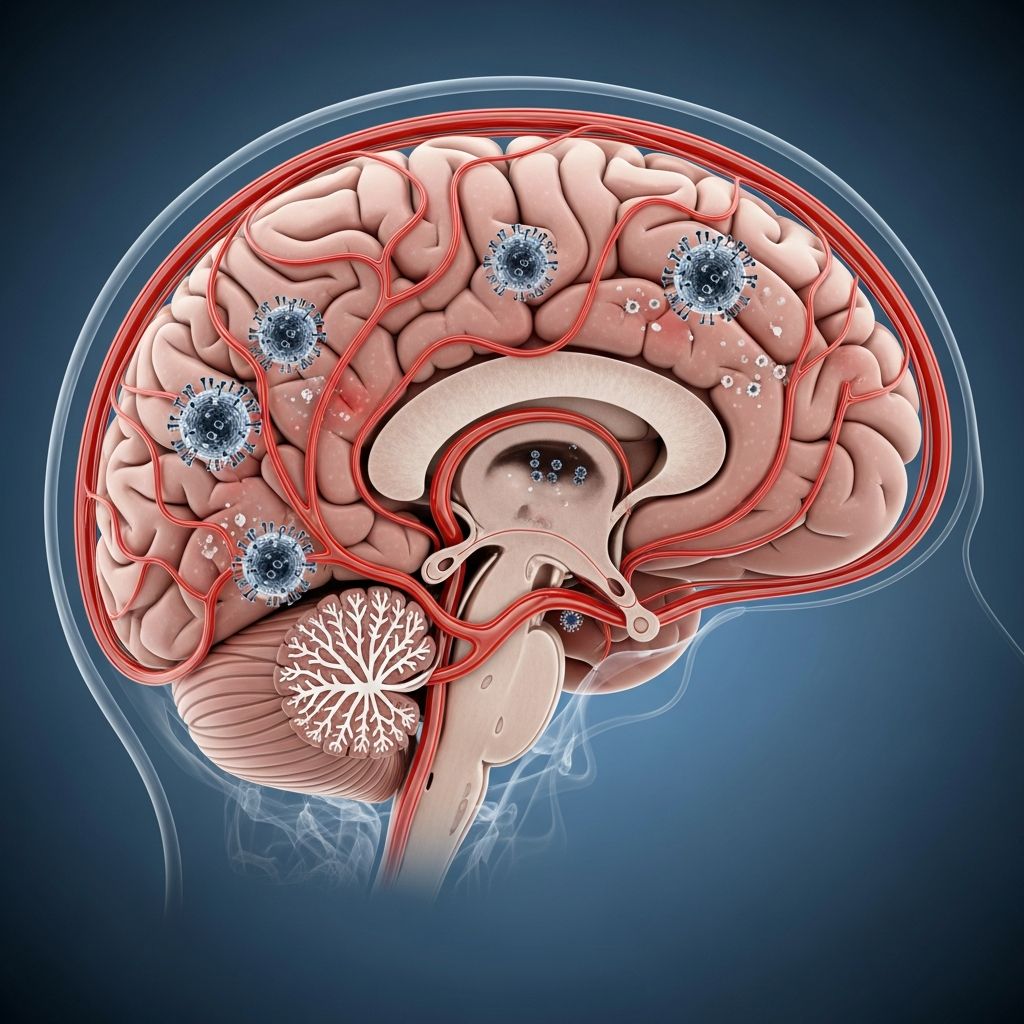
Herpes meningoencephalitis is a dual infection that combines meningitis (inflammation of the meninges) with encephalitis (inflammation of the brain tissue itself). The condition develops when the herpes simplex virus enters the central nervous system and causes inflammation in these critical areas. Both HSV-1 and HSV-2 can cause this serious condition, though HSV-1 is more commonly associated with encephalitis in adults and children, while HSV-2 typically causes meningitis. The infection can occur in individuals of any age, from newborns to elderly adults, though severity and presentation may vary based on age and immune status.
The virus can reach the brain through various pathways, including direct viral replication from peripheral sites, retrograde axonal transport along nerve fibers, or hematogenous dissemination through the bloodstream. Once established in the central nervous system, the virus triggers an inflammatory response that can damage brain tissue and cause the characteristic symptoms of meningoencephalitis.
Causes and Risk Factors
Herpes meningoencephalitis typically results from primary infection or reactivation of latent herpes simplex virus. While many people carry the herpes simplex virus, most do not develop meningoencephalitis. Certain factors increase the risk of developing this serious complication. Immunocompromised individuals, including those with advanced HIV infection, have a significantly higher risk of severe disease and CNS complications. Other risk factors include neonatal exposure to HSV during childbirth, recent primary HSV infection, and conditions that compromise immune function such as chemotherapy or organ transplantation.
In neonates, herpes meningoencephalitis most commonly results from vertical transmission of HSV-2 from mother to baby during vaginal delivery. Healthcare providers consider this infection particularly severe in newborns, potentially affecting multiple organ systems beyond the central nervous system.
Recognizing the Symptoms
The symptoms of herpes meningoencephalitis can develop rapidly, often over a period of days. Patients typically experience a prodromal phase with general flu-like symptoms, followed by progressive neurological deterioration. Early recognition of these symptoms is critical for timely diagnosis and treatment.
Common symptoms include:
- Fever and chills
- Severe headache
- Stiff neck (meningeal rigidity)
- Sensitivity to light (photophobia)
- Confusion and altered mental status
- Nausea and vomiting
- Seizures
- Drowsiness or excessive sleepiness
- Weakness and fatigue
- Loss of consciousness in severe cases
The presence of meningeal signs such as neck stiffness combined with neurological symptoms like confusion or seizures suggests involvement of both the meninges and brain tissue. Some patients may present with more subtle symptoms, particularly if they are immunocompromised. In children and infants, the presentation can be particularly discreet, featuring confusion, altered behavior, and sleepiness that might not immediately raise alarm.
Diagnostic Procedures
Accurate and timely diagnosis is essential for initiating appropriate treatment. Healthcare providers employ several diagnostic methods to confirm herpes meningoencephalitis.
Lumbar Puncture and Cerebrospinal Fluid Analysis: The lumbar puncture (spinal tap) is the primary diagnostic procedure. This test involves collecting cerebrospinal fluid (CSF) to examine its characteristics. In herpes meningoencephalitis, the CSF typically shows lymphocytic pleocytosis (increased white blood cells), mildly elevated protein levels, and normal glucose levels. PCR (polymerase chain reaction) testing of the CSF can detect HSV DNA, providing definitive confirmation of herpes virus infection.
Related Stories



Neuroimaging: Brain imaging studies, including MRI or CT scans, help identify areas of brain inflammation and exclude other potential diagnoses. MRI is typically preferred for detecting temporal lobe involvement, which is characteristic of HSV-1 encephalitis.
Electroencephalography (EEG): An EEG may reveal characteristic abnormalities that support the diagnosis and help identify seizure activity.
Viral Culture: While less commonly used today, viral culture of CSF can occasionally isolate herpes simplex virus, confirming the diagnosis.
Treatment Approaches
The primary treatment for herpes meningoencephalitis involves antiviral therapy to suppress viral replication and reduce inflammation. Early initiation of treatment significantly improves outcomes and reduces the risk of permanent neurological damage.
Antiviral Medications: Acyclovir is the primary antiviral agent used to treat herpes meningoencephalitis. This medication works by inhibiting viral DNA replication. The standard treatment protocol involves intravenous (IV) acyclovir administration at a dose of 5-10 mg/kg body weight every 8 hours. Treatment typically continues for 10-14 days for meningitis, though encephalitis often requires a longer course of 14-21 days. For patients showing clinical improvement, high-dose oral valacyclovir may be used to complete the total therapy course.
In newborns and young children, treatment duration is typically extended to 21 days due to the severity of disease in this population. Following IV therapy, healthcare providers may transition to oral antiviral therapy to complete the full treatment course.
Supportive Care: Beyond antiviral therapy, comprehensive supportive care is essential. Patients often require hospitalization for monitoring and management of complications. Medications to reduce brain swelling and prevent seizures may be administered. Pain management, fever control, and careful fluid management are important aspects of treatment. In severe cases with persistent seizures or respiratory compromise, patients may require intubation for airway protection.
Symptomatic Management: Healthcare providers recommend complementary measures including over-the-counter pain relievers for headache management, increased fluid intake to maintain hydration, and adequate rest to support immune function.
Timing and Prognosis
The timing of treatment initiation has profound implications for patient outcomes. If acyclovir treatment begins within the first 48 hours of illness onset, patient outcomes are substantially improved. Before acyclovir was introduced, the mortality rate from herpes simplex encephalitis was 70-80%. Since acyclovir became available, the mortality rate has decreased to 10-20%, representing a remarkable improvement in survival rates.
With appropriate treatment, most patients begin showing clinical improvement within one to two days. Complete recovery typically occurs within approximately one month for mild to moderate cases. However, outcomes depend on multiple factors including the severity of initial infection, patient age and immune status, duration of illness before treatment initiation, and the presence of complications.
Potential Complications
While early treatment significantly improves outcomes, herpes meningoencephalitis can still result in serious complications, particularly if treatment is delayed.
Short-term Complications: During the acute phase of illness, patients may experience seizures, brain swelling (cerebral edema), and increased intracranial pressure. These complications require aggressive management to prevent permanent damage.
Long-term Neurological Sequelae: Even with appropriate treatment, some patients with severe cases may experience permanent neurological consequences. These can include serious seizure disorders requiring long-term antiepileptic medication, memory problems affecting daily functioning, personality changes, cognitive difficulties, problems controlling body movements, and sensory deficits affecting hearing, vision, or speech. Some patients require long-term care and ongoing medical support to manage these complications.
In untreated cases, the consequences are far more severe. Without appropriate antiviral therapy, symptoms progress and worsen, potentially leading to permanent brain damage or death. The critical importance of early recognition and treatment cannot be overstated.
Special Considerations in Different Populations
Neonatal Herpes Meningoencephalitis: In newborns, HSV-2 causes global brain involvement, resulting in more extensive neurological sequelae compared to older patients. Neonatal infections may present without typical prodromal symptoms, making diagnosis more challenging. Treatment in neonates extends to 21 days of IV acyclovir, with repeated lumbar punctures at 7-day intervals to confirm viral clearance.
Immunocompromised Patients: Individuals with weakened immune systems, including those with advanced HIV infection, present with more severe symptoms and increased frequency of recurrent episodes. Herpes meningoencephalitis in this population may present atypically or with subtle symptoms that are easily overlooked. These patients require careful monitoring and often prolonged antiviral therapy.
Recurrent Herpes Meningoencephalitis: Some patients experience recurrent episodes of HSV-2 meningitis. For these individuals, oral valacyclovir may be used for the entire treatment course during recurrent episodes. However, suppressive therapy with lower doses of valacyclovir has not proven effective in preventing recurrent episodes, suggesting that higher CNS-penetrating doses may be necessary for effective prevention.
Prevention Strategies
While herpes meningoencephalitis cannot always be prevented, certain measures can reduce risk. The varicella-zoster vaccine (VZV vaccine) can help prevent complications from varicella-zoster virus, a related virus that can cause similar CNS infections. For genital herpes prevention, consistent use of barrier methods such as condoms reduces transmission risk. Pregnant women with herpes should discuss delivery options with their healthcare provider, as cesarean delivery may reduce the risk of neonatal infection.
Recovery and Rehabilitation
Recovery from herpes meningoencephalitis varies considerably depending on disease severity. Patients with mild disease typically recover fully within a month. Those with more severe disease may require extended hospitalization and subsequent rehabilitation services. Long-term follow-up neurological assessment helps identify residual deficits and guides rehabilitation efforts. Neuropsychological testing may reveal cognitive changes requiring vocational or educational adjustments. Some patients benefit from physical therapy, occupational therapy, or speech therapy depending on the specific neurological deficits sustained.
When to Seek Emergency Care
Herpes meningoencephalitis is a medical emergency. Seek immediate emergency medical care if you experience fever combined with severe headache, neck stiffness, confusion, sensitivity to light, seizures, or loss of consciousness. These symptoms warrant urgent evaluation, as rapid diagnosis and treatment initiation can be lifesaving and prevent permanent neurological damage.
Frequently Asked Questions
Q: How is herpes meningoencephalitis different from regular herpes?
A: While regular herpes causes lesions on the skin or genitals, herpes meningoencephalitis involves the central nervous system, specifically the brain and the membranes surrounding it. This is a much more serious condition that requires immediate hospitalization and antiviral therapy.
Q: Can herpes meningoencephalitis be cured completely?
A: With early treatment, most patients recover significantly. However, some may experience long-term neurological effects. Complete recovery depends on factors like treatment timing, severity, and individual immune response.
Q: How long does treatment typically last?
A: Treatment duration depends on the type of infection. Meningitis typically requires 10-14 days of IV antiviral therapy, while encephalitis requires 14-21 days. Newborns and children usually receive 21 days of treatment.
Q: Is herpes meningoencephalitis contagious?
A: The CNS infection itself is not directly contagious. However, the underlying herpes simplex virus is contagious through direct contact with active lesions or through other transmission routes.
Q: What is the survival rate with treatment?
A: With appropriate antiviral treatment, the mortality rate is approximately 10-20%, a significant improvement from the 70-80% mortality rate before acyclovir became available.
References
- Herpes Meningoencephalitis — University of Rochester Medical Center. 2024. https://www.urmc.rochester.edu/encyclopedia/content?ContentTypeID=134&ContentID=27
- Herpes – STI Treatment Guidelines — Centers for Disease Control and Prevention (CDC). 2024. https://www.cdc.gov/std/treatment-guidelines/herpes.htm
- Herpes Simplex Virus Encephalitis — Encephalitis Society. 2024. https://www.encephalitis.info/types-of-encephalitis/infectious-encephalitis/herpes-simplex-virus-encephalitis/
- Herpes Simplex Encephalitis — StatPearls, National Center for Biotechnology Information (NCBI) Bookshelf. 2024. https://www.ncbi.nlm.nih.gov/books/NBK557643/
- Herpes simplex virus — World Health Organization (WHO). 2023. https://www.who.int/news-room/fact-sheets/detail/herpes-simplex-virus
- Herpes Simplex Encephalitis in Children — Boston Children’s Hospital. 2024. https://www.childrenshospital.org/conditions/herpes-simplex-encephalitis
Similar Articles








Read full bio of medha deb