Herpes Simplex Virus Guide: Symptoms, Treatment, Prevention
Comprehensive insights into HSV-1 and HSV-2: symptoms, transmission risks, diagnosis methods, and effective management strategies for lifelong control.
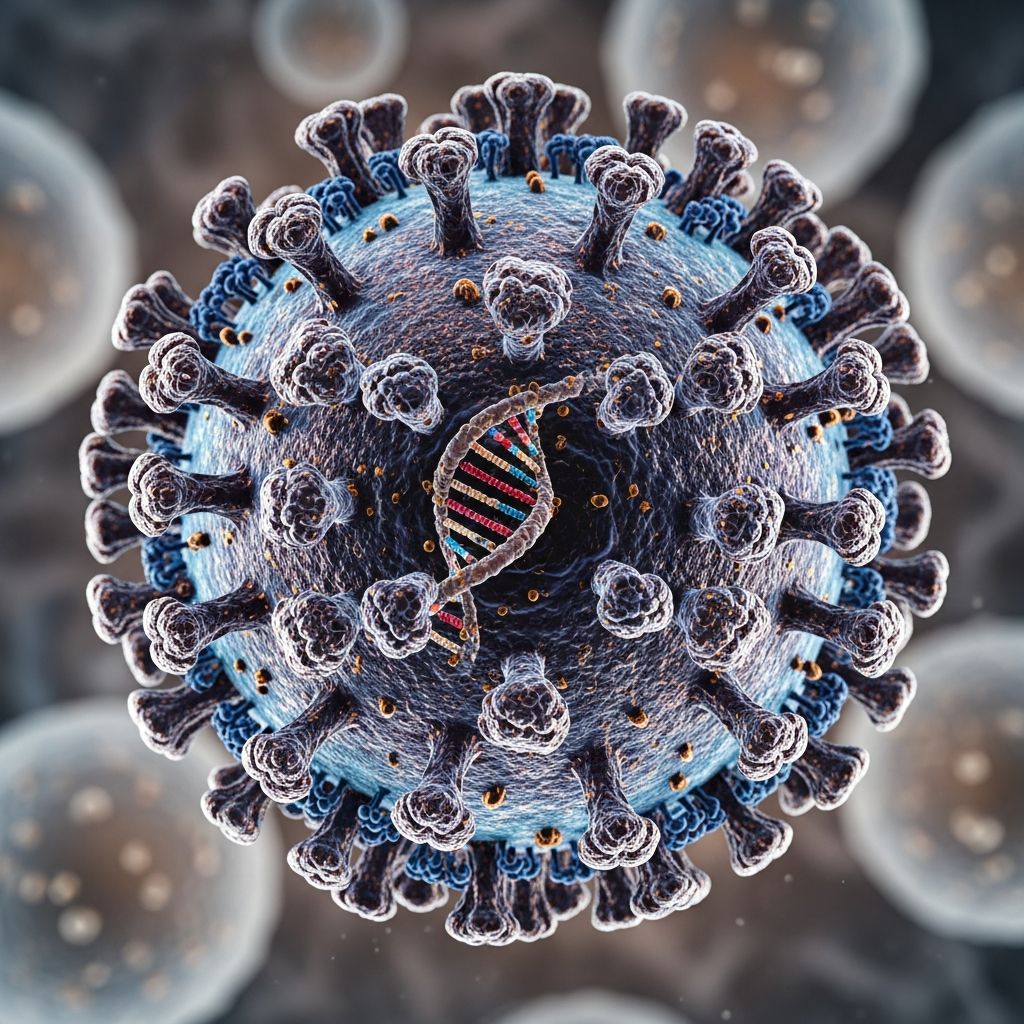
The herpes simplex virus (HSV) represents one of the most widespread viral infections globally, affecting billions through its two primary strains: HSV-1 and HSV-2. This virus establishes lifelong latency in nerve cells after initial exposure, leading to periodic reactivations that manifest as painful blisters or ulcers on the skin or mucous membranes. While incurable, HSV infections are manageable with antiviral therapies and preventive measures, significantly reducing outbreak frequency and transmission risks.
Understanding HSV Types and Their Distinctions
HSV-1 predominantly causes oral infections, resulting in cold sores around the mouth, whereas HSV-2 is more commonly linked to genital herpes. However, crossover infections occur frequently, with HSV-1 responsible for 20-30% of genital cases and HSV-2 occasionally affecting oral regions. According to global estimates, over 3.7 billion people under 50 harbor HSV-1, and 490 million aged 15-49 carry HSV-2, underscoring its prevalence.
| Feature | HSV-1 | HSV-2 |
|---|---|---|
| Primary Site | Oral (mouth, lips) | Genital, anal |
| Transmission Mode | Oral contact, saliva | Sexual contact |
| Recurrence Rate | Less frequent | More frequent |
| Global Prevalence | ~67% under 50 | ~13% aged 15-49 |
These differences influence clinical management, as HSV-2 tends to recur more often, impacting quality of life.
How HSV Spreads: Transmission Pathways
HSV transmits primarily through direct skin-to-skin contact, including during asymptomatic shedding when no visible sores are present. For HSV-1, common vectors include kissing, sharing utensils, or oral secretions; genital transmission often stems from oral-genital contact. HSV-2 spreads via vaginal, anal, or oral sex, with highest risk during active lesions but possible anytime via mucosal contact.
- Skin-to-skin during sores: Highest risk, involving blisters or ulcers.
- Asymptomatic shedding: Virus present on normal-appearing skin or mucosa.
- Vertical transmission: Rare, but neonatal herpes risk rises if maternal primary infection occurs late in pregnancy (up to 40% in third trimester).
- Autoinoculation: Touching sores then other body areas, though less common.
Incubation averages 6-8 days (range 1-26), during which the virus travels to sensory nerve ganglia for dormancy. Preventive steps like condom use reduce but do not eliminate risk, as exposure can occur on uncovered areas.
Recognizing Symptoms: From Initial Outbreak to Recurrences
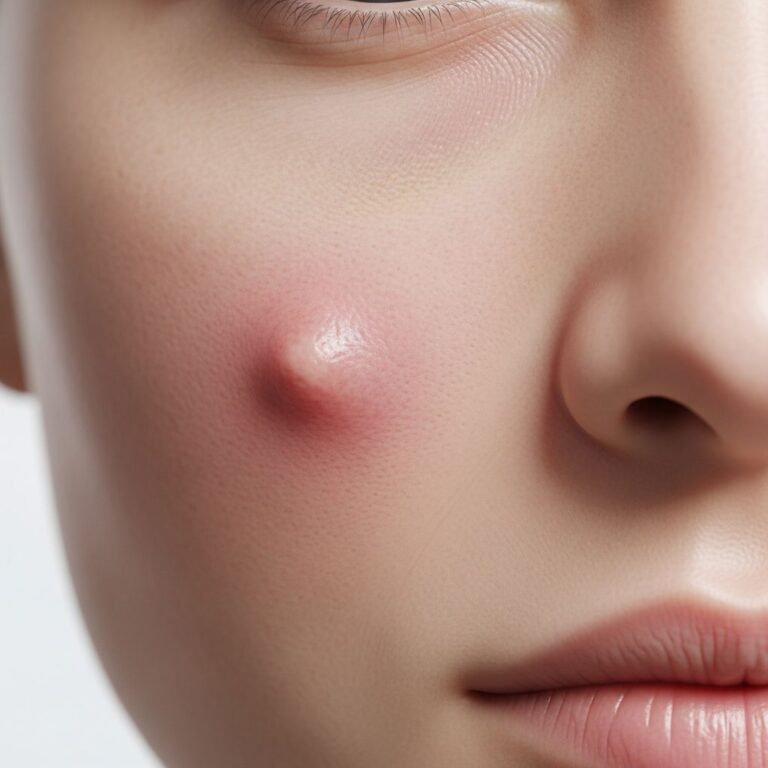
Primary infections are often asymptomatic (up to two-thirds of cases), but when symptomatic, they present intensely: fever, swollen lymph nodes, headache, and clusters of fluid-filled vesicles on red bases that rupture into painful ulcers. Oral primary gingivostomatitis involves mouth and gum sores with throat pain; genital primaries cause extensive lesions, dysuria, and flu-like symptoms.
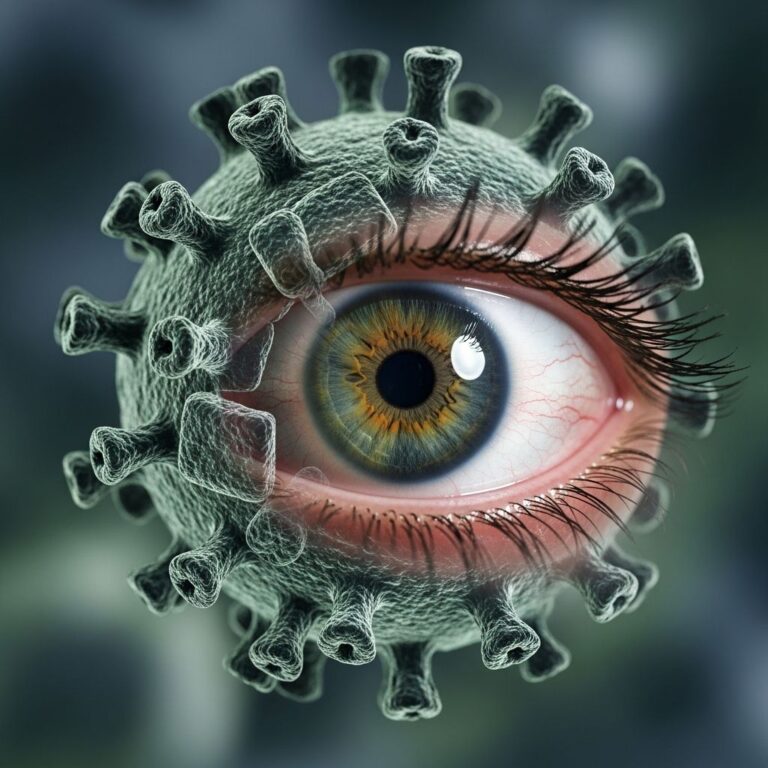
Recurrent episodes are milder, triggered by stress, illness, sunlight, or immunosuppression. Prodromal tingling or itching precedes blisters that crust over in 7-10 days. Severe manifestations include ocular herpes (keratitis), encephalitis (brain inflammation, PCR sensitivity 98%), or neonatal disseminated disease.
- Oral herpes: Lip or perioral blisters (cold sores).
- Genital herpes: Vesicles on genitals, buttocks, thighs.
- Complications: Meningitis, increased HIV acquisition risk from ulcers.
Accurate Diagnosis: Testing Methods Explained
Clinical appearance suggests HSV, but lab confirmation is essential due to mimicry by other ulcers. Viral culture from fresh lesion scrapings offers specificity but low sensitivity (50%), especially in healing or recurrent sites. PCR from swabs, CSF, or tissue provides superior sensitivity (98% for encephalitis) and typing.
Related Stories



Serology detects type-specific IgG antibodies (e.g., HerpeSelect), useful for asymptomatic screening or confirming primary infection via seroconversion. Tzanck smear shows multinucleated giants but lacks specificity. For neonates or immunocompromised, prompt PCR guides acyclovir initiation.
Treatment Options: Managing Outbreaks and Suppression
Antivirals like acyclovir, valacyclovir, or famciclovir shorten duration and severity if started early. Primary genital herpes: 7-10 days oral therapy; recurrences: 3-5 days. Suppressive therapy (daily dosing) halves recurrences and shedding for frequent cases or HIV-discordant couples.
| Treatment Type | Regimen Example | Purpose |
|---|---|---|
| Episodic | Valacyclovir 1g BID x 5 days | Acute outbreaks |
| Suppressive | Valacyclovir 500mg daily | Prevent recurrences |
| Severe (e.g., encephalitis) | IV Acyclovir 10mg/kg q8h | Hospital management |
Symptomatic relief includes analgesics, topical anesthetics, and sitz baths. No cure exists, but therapy mitigates transmission.
Prevention Strategies: Reducing Spread and Personal Risk
Avoid contact during outbreaks; disclose status to partners. Condoms and dental dams lower risk by 30-50%, though not fully protective. Suppressive antivirals reduce shedding by 50%. Vaccination research advances, but none approved yet. For pregnancy, suppressive therapy from 36 weeks prevents neonatal transmission.
- Abstinence during prodrome/outbreaks.
- Regular STI screening.
- Avoid sharing personal items.
Special Considerations: Vulnerable Populations
Immunocompromised individuals face disseminated disease; neonates risk mortality (60% if disseminated). Pregnant women with primary genital HSV near delivery may need C-section. HSV ulcers elevate HIV transmission 2-3 fold. Counseling emphasizes chronicity over stigma, promoting adherence.
Frequently Asked Questions (FAQs)
Can HSV be cured?
No, HSV is lifelong, but antivirals control symptoms effectively.
Is herpes only sexually transmitted?
No, HSV-1 often spreads non-sexually via oral contact.
How do I know if I have herpes?
Symptoms or positive PCR/serology confirm; many are asymptomatic.
Does herpes increase HIV risk?
Yes, genital ulcers facilitate HIV entry.
Can I breastfeed with oral herpes?
Yes, if lesions covered; avoid if active.
References
- Herpes Simplex Virus | Johns Hopkins ABX Guide — Johns Hopkins. 2023. https://www.hopkinsguides.com/hopkins/view/Johns_Hopkins_ABX_Guide/540242/all/Herpes_Simplex_Virus
- Herpes simplex virus – World Health Organization (WHO) — WHO. 2023-05-09. https://www.who.int/news-room/fact-sheets/detail/herpes-simplex-virus
- Herpes Simplex Virus (HSV): Types Symptoms, & Treatment — Cleveland Clinic. 2023-12-07. https://my.clevelandclinic.org/health/diseases/22855-herpes-simplex
- Herpes Simplex Virus (HSV) Infections – Infectious Diseases — Merck Manuals. 2024. https://www.merckmanuals.com/professional/infectious-diseases/herpesviruses/herpes-simplex-virus-hsv-infections
- Herpes – STI Treatment Guidelines — CDC. 2021-07-22. https://www.cdc.gov/std/treatment-guidelines/herpes.htm
- Herpes simplex infections — Primary Care Dermatology Society. 2025-07-18. https://www.pcds.org.uk/clinical-guidance/herpes-simplex
Similar Articles








Read full bio of Sneha Tete