Herpes Simplex Virus (HSV): Types, Symptoms & Treatment
Comprehensive guide to understanding HSV types, recognizing symptoms, and exploring treatment options.
Understanding Herpes Simplex Virus (HSV)
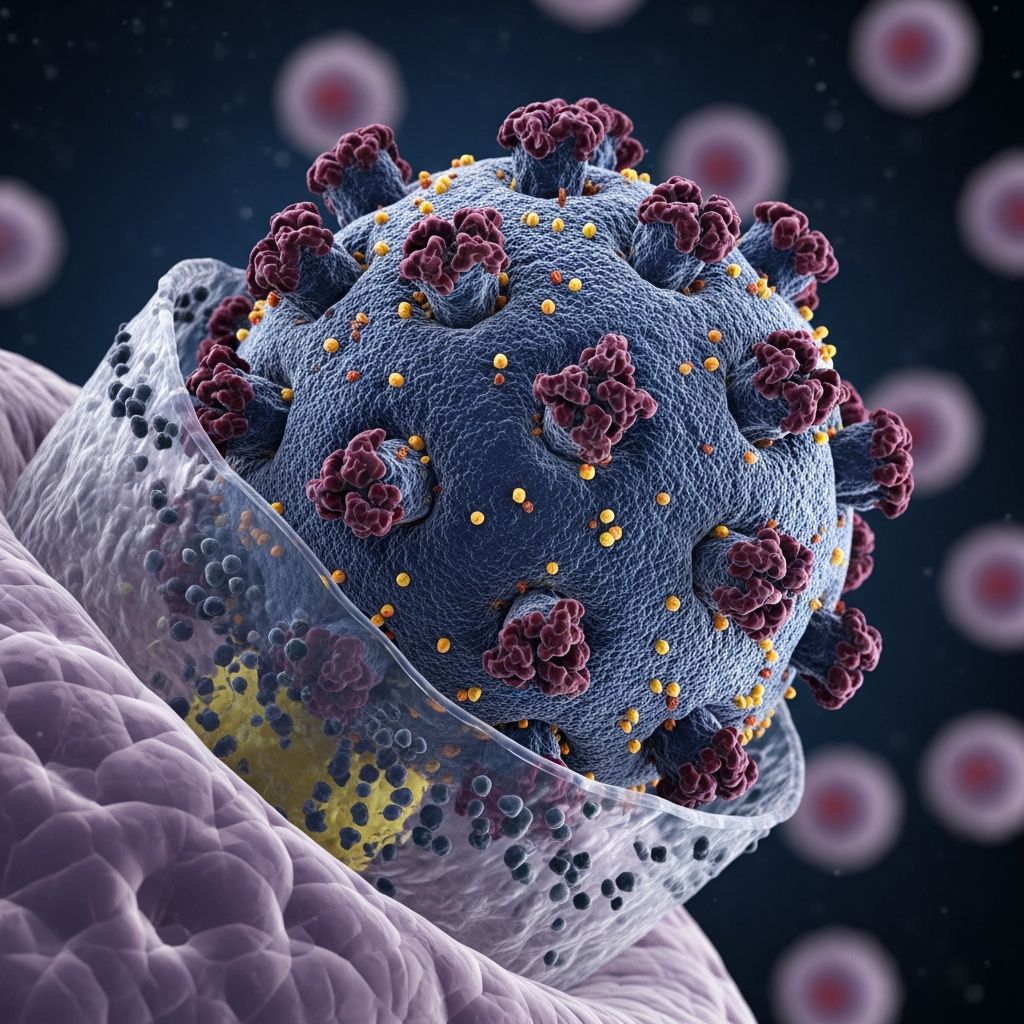
Herpes simplex virus (HSV) is one of the most common viral infections affecting humans worldwide. Once you become infected with HSV, the virus remains in your body for life, entering a dormant state in nerve tissues. While the virus stays inactive, you may not experience any symptoms. However, the virus can reactivate periodically, causing outbreaks characterized by painful sores and other uncomfortable symptoms. Understanding the nature of HSV, its transmission, and available treatment options is essential for managing this chronic condition effectively.
HSV belongs to a family of viruses that can cause various clinical manifestations depending on the site of infection and the individual’s immune status. The infection can range from mild, localized lesions to severe systemic disease, particularly in immunocompromised individuals or newborns. Modern antiviral medications have significantly improved the management of HSV, making it easier to control outbreaks and reduce transmission risk.
Types of Herpes Simplex Virus
There are two main types of herpes simplex virus: HSV-1 and HSV-2. Each type has distinct characteristics, preferred sites of infection, and transmission patterns.
HSV-1 (Herpes Simplex Virus Type 1)
HSV-1 primarily causes oral herpes, commonly known as cold sores or fever blisters. These painful sores typically develop on or around the lips, mouth, or face. HSV-1 spreads through oral secretions, making it highly contagious through kissing, sharing eating utensils, or touching infected areas. Many people contract HSV-1 during childhood, though infection can occur at any age. The virus remains dormant in nerve cells at the base of the brain and can reactivate throughout life, often triggered by stress, fever, sunlight exposure, or weakened immune function.
HSV-2 (Herpes Simplex Virus Type 2)
HSV-2 primarily causes genital herpes, spreading through sexual contact with an infected person. This type of herpes is classified as a sexually transmitted infection (STI). HSV-2 can be transmitted even when an infected person has no visible symptoms, through a process called asymptomatic shedding. The virus establishes latency in nerve cells in the sacral region of the spinal cord and reactivates periodically throughout life. While HSV-2 infection is lifelong, antiviral medications can effectively manage symptoms and reduce transmission risk to sexual partners.
Transmission and Risk Factors
Understanding how HSV spreads is crucial for preventing transmission and protecting others. The virus transmits through direct contact with infected areas, body fluids, or mucous membranes of an infected person.
How HSV Spreads
HSV-1 spreads primarily through oral contact, including kissing infected individuals or sharing personal items like toothbrushes, razors, or lip balm. The virus can also spread through touching a cold sore and then touching your own eyes or genitals, potentially causing infection in those areas. HSV-2 spreads through sexual contact, including vaginal, anal, or oral sex with an infected partner. Importantly, HSV can transmit even without visible sores, making prevention challenging. People with active outbreaks are most contagious, but asymptomatic shedding means transmission remains possible during latent periods.
Factors Affecting Transmission Risk
Several factors increase the likelihood of HSV transmission and reactivation. These include immune system suppression from HIV/AIDS, chemotherapy, or immunosuppressive medications; physical or emotional stress; illness or fever; hormonal changes during menstruation; sun exposure; and trauma to the skin in affected areas. Sexual partners of people with genital herpes face significant transmission risk, particularly if unprotected sex occurs during or near active outbreaks. Pregnant women with active genital herpes can transmit the virus to their baby during delivery, causing neonatal herpes, a serious condition requiring immediate medical intervention.
Related Stories



Symptoms of HSV Infection
HSV infections can present with various symptoms depending on the type of virus, location of infection, and whether it’s a primary infection or recurrence. Many infected individuals experience no symptoms initially, not realizing they carry the virus.
Primary Infection Symptoms
During the primary infection (first encounter with the virus), symptoms typically appear 2 to 14 days after exposure. Primary HSV-1 infection may cause fever, swollen lymph nodes, sore throat, and painful mouth sores. Some individuals experience only mild symptoms or none at all. Primary HSV-2 infection typically involves painful blisters or ulcers on the genitals, accompanied by fever, body aches, and swollen lymph nodes. The primary infection is usually the most severe, with symptoms lasting 7 to 10 days.
Recurrent Infection Symptoms
Recurrent outbreaks are generally milder and shorter than primary infections, lasting 3 to 7 days. Patients often experience warning signs, called prodromal symptoms, 12 to 24 hours before visible sores appear. These warning signs include tingling, itching, pain, or burning sensations in the affected area. Recurrent HSV-1 outbreaks cause cold sores on the lips or mouth, while HSV-2 recurrences cause genital or anal sores. The frequency of recurrences varies widely among individuals, with some experiencing frequent outbreaks and others having rare recurrences.
Asymptomatic Infections
Many people infected with HSV never develop noticeable symptoms, yet they can still transmit the virus to others. This asymptomatic shedding occurs when the virus replicates and sheds from the skin or mucous membranes without causing visible sores or symptoms. Asymptomatic individuals may unknowingly transmit HSV to sexual partners or through other contact routes, making screening and prevention particularly important in high-risk populations.
Diagnosis of HSV Infection
Healthcare providers use several methods to diagnose HSV infections, tailoring the approach based on clinical presentation and available symptoms.
Visual Examination
When visible sores are present, providers can often diagnose HSV based on their characteristic appearance and location. Oral herpes typically presents as grouped vesicles (small fluid-filled blisters) on the lips or mouth, while genital herpes causes similar lesions on the genitals or surrounding areas. However, visual examination alone cannot definitively confirm HSV or distinguish between HSV-1 and HSV-2.
Laboratory Testing
When visual diagnosis is uncertain or asymptomatic infection is suspected, laboratory tests provide definitive diagnosis. Providers can collect samples from active sores using a swab or scraping and send them to the laboratory for analysis. Polymerase chain reaction (PCR) testing is highly sensitive and specific, detecting HSV DNA in samples and identifying which type (HSV-1 or HSV-2) is present. Viral culture, once the standard diagnostic method, is less commonly used today due to lower sensitivity and longer turnaround times. Blood tests detect antibodies against HSV-1 or HSV-2, indicating past or present infection, though they cannot determine the timing of infection or distinguish recent from old infections.
Treatment Options for HSV
While no cure exists for herpes simplex virus, antiviral medications effectively manage symptoms and reduce outbreak frequency. Treatment approaches vary depending on whether patients experience episodic outbreaks or chronic recurrent disease.
Antiviral Medications
Prescription antiviral medications form the cornerstone of HSV treatment. The main antivirals used include acyclovir, valacyclovir, and famciclovir. These medications work by inhibiting viral DNA replication, reducing viral shedding, and shortening outbreak duration. Acyclovir, available as a topical cream for localized lesions or in oral and intravenous forms for systemic infection, is the oldest and most established antiviral. Valacyclovir, the active metabolite of acyclovir, offers better oral bioavailability and requires less frequent dosing. Famciclovir, another oral option, provides similar efficacy to valacyclovir. All three medications are available in various formulations and dosages, with providers selecting the most appropriate option based on infection type, severity, and individual patient factors.
Episodic Therapy
Episodic therapy targets individual outbreaks, involving short-term antiviral medication use when symptoms first appear. This approach works best when initiated early, ideally during the prodromal phase before visible sores develop. Taking antivirals immediately upon noticing tingling or itching can abort the outbreak entirely or significantly reduce its severity and duration. Episodic therapy typically lasts 5 to 10 days, depending on the medication and infection type. This approach suits patients with infrequent outbreaks and preserves antiviral efficacy by avoiding continuous medication use.
Chronic Suppressive Therapy
Chronic suppressive therapy involves taking antiviral medication daily regardless of symptoms. Healthcare providers typically recommend this approach for patients experiencing frequent outbreaks (six or more annually) or severe recurrent herpes. Chronic suppressive therapy significantly reduces outbreak frequency and severity, improves quality of life, and substantially decreases asymptomatic viral shedding, reducing transmission risk to sexual partners by approximately 50 percent. This approach is particularly valuable for individuals with genital HSV-2 or those in serodiscordant relationships (where one partner is infected and the other is not). Long-term suppressive therapy is generally well-tolerated with minimal side effects, though some patients develop resistance with prolonged use.
Managing HSV During Pregnancy
Pregnant women with a history of genital herpes require special consideration. While maternal antibodies provide some protection to newborns, transmission during delivery can cause neonatal herpes, a serious infection potentially causing severe complications. Healthcare providers typically recommend suppressive antiviral therapy during the third trimester for women with a history of genital herpes, whether symptomatic or asymptomatic. Many providers recommend cesarean delivery if active genital herpes lesions are present at delivery to prevent vertical transmission and the associated serious complications in newborns.
Prevention Strategies
While HSV cannot be prevented entirely in infected individuals, several strategies reduce transmission risk and outbreak frequency.
- Avoid sexual contact during active outbreaks and for at least two weeks after lesions heal
- Use condoms during all sexual activity to reduce transmission risk
- Use daily suppressive antiviral therapy to reduce asymptomatic shedding in sexual partners
- Avoid sharing personal items like toothbrushes, razors, and lip balm
- Wash hands thoroughly after touching sores to prevent autoinoculation
- Maintain stress management and adequate sleep to support immune function
- Limit sun exposure and use SPF 30+ lip balm during healing phases
- Support overall immune health through proper nutrition and exercise
Living with Herpes Simplex Virus
A diagnosis of herpes simplex virus can feel overwhelming, but modern treatment options make this condition highly manageable. Most people with HSV live normal, healthy lives with proper management. Antiviral medications have transformed HSV from a debilitating condition into a manageable chronic infection. Open communication with healthcare providers about symptoms, outbreak patterns, and sexual history enables personalized treatment plans. Many people find that outbreak frequency decreases over time, and suppressive therapy significantly improves quality of life. Support groups and reliable health information resources can provide emotional support and practical guidance for managing HSV.
When to Seek Medical Care
Contact a healthcare provider if you experience symptoms suggestive of HSV infection, particularly if you develop painful genital sores, difficulty urinating, or systemic symptoms like fever and body aches. Pregnant women with genital herpes symptoms should notify their obstetrician immediately. Seek emergency care if you develop severe headache, high fever, confusion, or sensitivity to light, as these could indicate HSV encephalitis or meningitis, rare but serious complications requiring immediate hospitalization.
Frequently Asked Questions
Q: Can HSV be cured?
A: No, there is currently no cure for herpes simplex virus. Once infected, the virus remains in your body permanently. However, antiviral medications effectively manage symptoms, reduce outbreak frequency, and suppress viral shedding.
Q: Can I transmit HSV without symptoms?
A: Yes, asymptomatic shedding allows HSV transmission even without visible sores or symptoms. This makes consistent prevention methods, particularly condom use and suppressive therapy in sexual relationships, important for reducing transmission risk.
Q: How often do HSV outbreaks occur?
A: Outbreak frequency varies widely among individuals. Some experience frequent recurrences (monthly or more often), while others have rare outbreaks. Factors like stress, illness, and immune status influence recurrence frequency. Suppressive antiviral therapy can reduce outbreak frequency by up to 80 percent.
Q: Is HSV the same as HIV?
A: No, HSV and HIV are different viruses. However, individuals with HIV or other immunocompromising conditions experience more severe and frequent HSV outbreaks and may require different treatment approaches.
Q: Can I get HSV from sharing cups or utensils?
A: HSV-1 can potentially spread through shared cups, utensils, or other personal items if there is contact with oral secretions or open sores. HSV-2 typically requires sexual contact for transmission.
Q: What should I do if I think I have HSV?
A: Contact a healthcare provider for proper diagnosis and treatment. Avoid sexual contact or kissing until evaluated, and do not share personal items. Early antiviral treatment provides the best outcomes for managing symptoms.
References
- Herpes Simplex Virus (HSV-1 & HSV-2), Qualitative PCR, CSF — Cleveland Clinic Laboratories. 2025. https://clevelandcliniclabs.com/test/herpes-simplex-virus-hsv-1-hsv-2-qualitative-pcr-csf/
- Herpes Simplex Virus (HSV) Encephalitis — Cleveland Clinic. 2025. https://my.clevelandclinic.org/health/diseases/hsv-encephalitis
- Neonatal Herpes: Can You Be Born With Herpes? — Cleveland Clinic. 2025. https://my.clevelandclinic.org/health/diseases/neonatal-herpes-simplex
- Cold Sore: Symptoms, Causes & Treatment — Cleveland Clinic. 2025. https://my.clevelandclinic.org/health/symptoms/cold-sores
- Anal Herpes: Causes, Symptoms & Treatment — Cleveland Clinic. 2025. https://my.clevelandclinic.org/health/diseases/anal-herpes
Similar Articles








Read full bio of Sneha Tete