Why Herpes Isn’t as Bad as You Think—And Why It’s More Common
Debunking myths about herpes: understanding prevalence, transmission, and modern management strategies.

When most people receive a diagnosis of herpes simplex virus (HSV), the emotional response can be overwhelming. The stigma surrounding the infection often creates disproportionate anxiety compared to the actual medical reality. However, the truth is both reassuring and sobering: herpes is far more common than social narratives suggest, and modern medicine has transformed it from a devastating lifelong burden into a highly manageable condition. Understanding the actual facts about herpes—from prevalence statistics to transmission dynamics and treatment options—can help reduce unnecessary fear and promote more informed health decisions.
The Prevalence of Herpes: More Common Than Most People Realize
One of the most striking facts about herpes simplex virus is its prevalence in the global population. The infection is not rare or unusual; it is remarkably widespread, affecting hundreds of millions of people worldwide.
According to the World Health Organization (WHO), an estimated 205 million people aged 15–49 years experienced at least one symptomatic episode of genital herpes in 2020. This represents approximately 5.3% of the global population in that age group. However, this statistic captures only those who experience recognizable symptoms. The actual number of people infected is significantly higher when accounting for asymptomatic infections.
HSV-1, the type most commonly associated with cold sores, is even more prevalent. The majority of adults worldwide carry HSV-1, with infection rates varying by geographic region and socioeconomic status. This widespread prevalence means that if you have herpes, you are far from alone—you are part of a substantial majority of the human population.
Asymptomatic Infection: The Silent Majority
A critical misunderstanding about herpes is the assumption that infection always produces noticeable symptoms. In reality, many people with HSV never experience recognizable outbreaks or may have such mild symptoms that they go unnoticed entirely.
Research indicates that most HSV infections are either asymptomatic or unrecognized. This means that many people carry the virus without ever knowing they have it. Among those with genital herpes, some may have minimal symptoms that they attribute to other causes, such as minor irritation or ingrown hairs.
The phenomenon of asymptomatic shedding—where the virus is present and potentially transmissible even without visible symptoms—further illustrates how herpes operates differently than public perception suggests. The virus can be shed from infected areas regardless of whether blisters or sores are visible.
Understanding HSV Transmission: Knowledge Reduces Risk
Transmission dynamics of herpes are more nuanced than popular misconceptions suggest, and understanding these details is essential for making informed decisions about sexual health and relationships.
How Herpes Spreads
Herpes simplex virus spreads through direct skin-to-skin contact. For HSV-1 (oral herpes), transmission primarily occurs through contact with infected areas in or around the mouth, including sores, saliva, and even normal-appearing skin surfaces. For HSV-2 (genital herpes), transmission occurs mainly during sexual contact through contact with genital or anal surfaces, skin, sores, or fluids.
The virus can be transmitted in several ways:
- Oral-to-genital contact: HSV can spread from one person’s mouth to another person’s genitals, causing genital herpes
- Genital-to-oral contact: HSV can spread from genitals to the mouth, causing oral herpes
- Skin-to-sore contact: Direct contact with active blisters or sores can transmit the virus, though this is less common than other transmission routes
Related Stories



Transmission Without Visible Symptoms
An important point that shifts the narrative around herpes is that transmission can occur even when no visible sores are present. This reality means that people with herpes cannot simply rely on visible symptoms to determine when they might transmit the virus. However, it also means that uninfected partners can reduce their risk through consistent protective measures such as condom use and antiviral suppression therapy for infected partners.
Infection Timeline and Progression: What to Expect
Understanding the typical disease progression can help people better manage expectations and recognize what is normal following infection.
The incubation period—the time between exposure and symptom onset—typically ranges from 6 to 8 days, though it can extend from 1 to 26 days. This means symptoms may not appear immediately after infection, which can make it difficult to pinpoint when and where infection occurred.
The Primary Infection Phase
When HSV first enters the body, the primary infection phase begins. During this stage, the virus travels to nearby nerve cells and begins replicating. The immune system recognizes the infection and mounts a response, leading to inflammation and characteristic symptoms.
Symptoms during primary infection may include:
- Fever and body aches
- Painful blisters or ulcers at the infection site
- Sore throat (for oral herpes)
- Headache
- Swollen lymph nodes near the infection site
However, it is crucial to note that some people experience a primary infection with no symptoms at all and remain unaware they are infected.
The Latency Phase and Recurrences
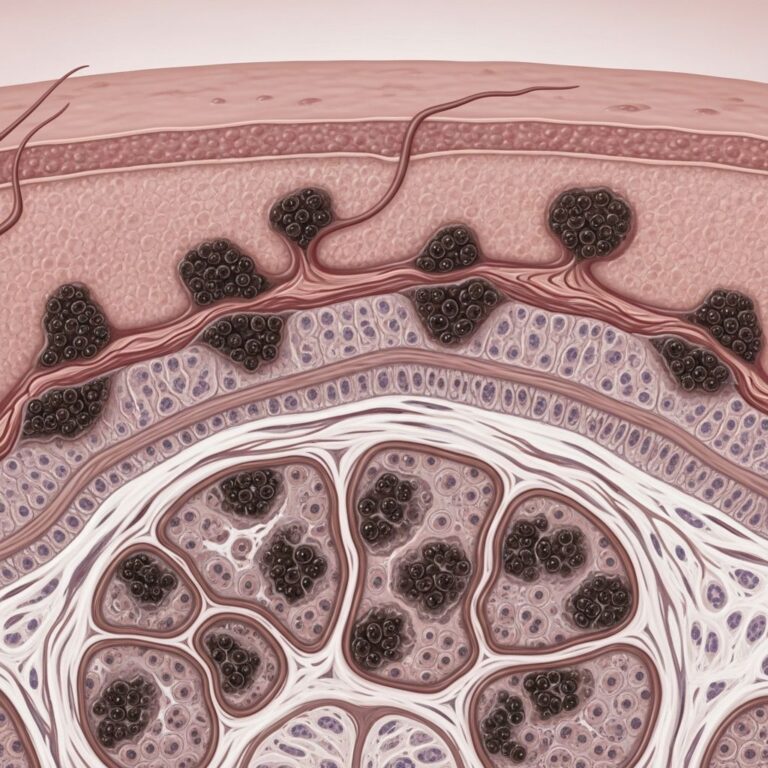
After the primary infection resolves—typically within a few weeks—the virus does not leave the body. Instead, it enters a latency phase, residing dormant within nerve cells. During this stage, most infected cells are inactive, and the person typically has no symptoms or outbreaks.
In some people, the virus reactivates periodically, causing recurrent outbreaks. These recurrences are typically shorter and less severe than the primary infection. Additionally, the frequency of recurrent outbreaks generally decreases over time. Many people find that after several years, recurrences become rare or cease altogether.
What Triggers Herpes Reactivation?
The virus can reactivate due to various triggers, many of which are manageable or avoidable:
- Illness or fever
- Sun exposure (particularly for oral herpes)
- Menstrual cycle
- Physical injury to the affected area
- Emotional stress
- Surgical procedures
For people whose oral herpes is triggered by sunlight, simple preventive measures such as avoiding sun exposure and using sunscreen can significantly reduce recurrence rates. Stress management, adequate sleep, and maintaining overall health can also help minimize reactivation in many individuals.
Treatment Options: Modern Medicine Has Changed the Game
Perhaps the most important point in shifting perspectives on herpes is understanding what modern antiviral medications can achieve. While herpes cannot be cured, it is highly treatable and manageable.
Antiviral Medications
Antiviral medicines can significantly reduce symptom severity and duration. Commonly prescribed medications include:
- Acyclovir
- Famciclovir
- Valacyclovir
These medications work best when started within 48 hours of symptom onset. For first episodes, antiviral treatment can substantially decrease pain, duration of blisters, and time to full healing.
Suppressive Therapy
Beyond treating individual outbreaks, many people benefit from long-term suppressive antiviral therapy. This approach involves taking antiviral medication continuously or at regular intervals to reduce the frequency of recurrent outbreaks and lower transmission risk to sexual partners. For many people, suppressive therapy results in few or no outbreaks, essentially rendering their infection unnoticeable in daily life.
What Medications Cannot Do
While antiviral medications are effective, it is important to note that they cannot cure herpes infection. The virus remains in nerve cells dormant. However, this distinction between management and cure should not diminish the significance of what modern medicine offers: the ability to control symptoms effectively and maintain a normal quality of life.
Complications and Severity: A Reality Check
While the vast majority of people with herpes experience mild to moderate symptoms that are manageable with treatment, it is responsible to acknowledge that complications can occur in specific populations.
In immunocompromised individuals, including those with advanced HIV infection, herpes can cause more severe symptoms and more frequent recurrences. Additionally, rare complications can include meningoencephalitis (brain infection) and disseminated infection. For HSV-1, rare complications include encephalitis (brain infection) or keratitis (eye infection).
Furthermore, HSV-2 infection increases the risk of acquiring and transmitting HIV infection. This interaction underscores the importance of safe sex practices for people with genital herpes.
In rare cases, neonatal herpes—infection transmitted from mother to child during delivery—can occur, though this is uncommon. Pregnant women with genital herpes can discuss management options with their healthcare providers to minimize this risk.
Despite these potential complications, they occur in a small proportion of cases and are largely preventable or manageable with proper medical care and awareness.
The Psychological and Social Impact
While the physical manifestations of herpes are often manageable, the psychological and social dimensions warrant acknowledgment. Recurrent symptoms can be distressing, and genital herpes may carry stigma that affects sexual relationships.
However, several considerations can help contextualize this burden:
- As noted earlier, the infection is extraordinarily common, affecting hundreds of millions of people globally
- Many people with herpes lead completely normal sexual and romantic lives
- Open communication with sexual partners, combined with protective measures and antiviral therapy, allows for safe, fulfilling relationships
- Mental health support and counseling can help individuals process the emotional aspects of diagnosis
Diagnosis: A Simple Blood Test
Another factor that has improved the herpes landscape is diagnostic accessibility. A simple blood test can definitively determine if someone has HSV. This means there is no ambiguity about diagnosis once testing is performed, allowing people to move forward with informed management plans.
Living with Herpes: Key Takeaways
The narrative surrounding herpes often bears little resemblance to the medical reality. While herpes is a lifelong infection that cannot be cured, it is:
- Extraordinarily common, affecting hundreds of millions of people
- Often asymptomatic or minimally symptomatic
- Highly manageable with modern antiviral medications
- Associated with decreasing recurrence frequency over time
- Compatible with normal sexual relationships when properly managed
- Treatable in ways that significantly reduce transmission risk
Frequently Asked Questions
Q: Can herpes be cured?
A: No, herpes cannot be cured. However, antiviral medications can effectively manage symptoms, reduce outbreak frequency, and lower transmission risk. The virus remains dormant in nerve cells but can be controlled with proper treatment.
Q: Is herpes dangerous?
A: For most people, herpes causes mild to moderate symptoms that are manageable with treatment. Severe complications are rare and typically occur in immunocompromised individuals. However, HSV-2 can increase HIV acquisition risk, making safe sex practices important.
Q: How common is herpes?
A: Herpes is extremely common. An estimated 205 million people aged 15–49 have experienced symptomatic genital herpes, and HSV-1 infection is present in the majority of the global adult population.
Q: Can you transmit herpes without symptoms?
A: Yes, herpes can be transmitted even when no visible sores are present through asymptomatic shedding. This is why consistent condom use and antiviral suppression therapy are important preventive measures for partners of infected individuals.
Q: How long do outbreaks last?
A: Primary infections typically resolve within a few weeks. Recurrent outbreaks are generally shorter and less severe. With antiviral treatment started within 48 hours of symptom onset, duration can be further reduced.
Q: Can herpes affect fertility or pregnancy?
A: Herpes does not affect fertility. Pregnant women with genital herpes can discuss management options with healthcare providers to minimize the risk of neonatal transmission, which is rare but serious.
References
- Herpes Simplex Virus — World Health Organization (WHO). 2022. https://www.who.int/news-room/fact-sheets/detail/herpes-simplex-virus
- Herpes Simplex Virus (HSV): Types, Symptoms, and Treatment — Cleveland Clinic. 2024. https://my.clevelandclinic.org/health/diseases/22855-herpes-simplex
- Genital Herpes | Herpes Simplex 1 — MedlinePlus (National Library of Medicine, National Institutes of Health). 2024. https://medlineplus.gov/herpessimplex.html
- A Comprehensive Overview of Epidemiology, Pathogenesis and Management of Herpes Simplex Labialis — Journal of Central Nervous System Disease, NIH/PubMed Central. 2023. https://pmc.ncbi.nlm.nih.gov/articles/PMC9867007/
Similar Articles








Read full bio of Sneha Tete