Herpes Viruses: Types, Symptoms, and Treatment
Comprehensive guide to herpes simplex virus infections, clinical manifestations, and evidence-based treatment options.
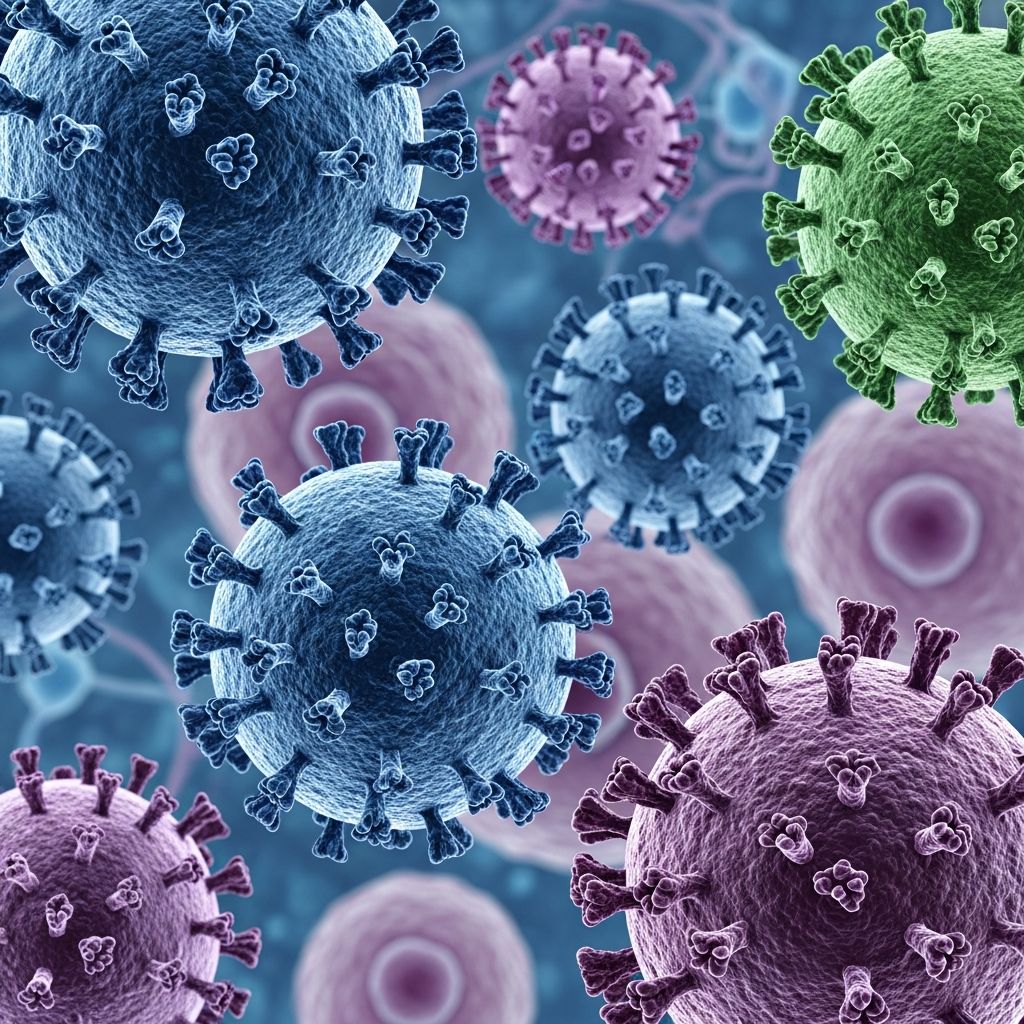
Herpes simplex virus (HSV), also known as herpesvirus hominis, is a common infection that affects millions of people worldwide. The infection is characterized by painful blisters or ulcers that can recur over time. While herpes is treatable, it is not curable, and infected individuals may experience periodic reactivation of the virus throughout their lives. Understanding the different types of herpes viruses, their modes of transmission, clinical presentations, and treatment options is essential for managing this condition effectively.
Types of Herpes Simplex Virus
There are two major types of herpes simplex virus: HSV-1 and HSV-2, which are closely related but differ in epidemiology and typical sites of infection.
HSV-1 (Oral Herpes)
HSV-1 is traditionally associated with orofacial infections and commonly causes cold sores or fever blisters around the mouth. This type of herpes predominantly spreads through oral contact and is extremely prevalent in the general population. HSV-1 is ubiquitous, with an estimated 50 percent of high socioeconomic status patients becoming seropositive by age 30. However, HSV-1 can also spread to the genital area through oral contact, and either HSV-1 or HSV-2 can cause herpes sores on the face or genitals. The virus can be triggered by various factors, including sunburn, which may precipitate a herpes simplex outbreak in individuals with prior HSV-1 infection.
HSV-2 (Genital Herpes)
HSV-2 is traditionally associated with genital infection and spreads primarily through sexual contact. This type predominantly causes genital herpes, though there is considerable overlap in disease manifestations between HSV-1 and HSV-2. Both HSV-1 and HSV-2 are highly contagious and can be transmitted through direct skin-to-skin contact, even when there are no visible symptoms.
Transmission and Epidemiology
Herpes simplex viruses spread primarily through skin-to-skin contact. The virus can be transmitted in several ways:
- Direct contact with herpes blisters or sores during an outbreak
- Oral contact for HSV-1 transmission
- Sexual contact for HSV-2 transmission
- Asymptomatic viral shedding, even when visible symptoms are absent
The incubation period for herpes simplex infections ranges from one to 26 days, with a typical duration of six to eight days. This is the time frame within which an infected individual develops symptoms after first acquiring the virus.
Pathogenesis and Viral Mechanism
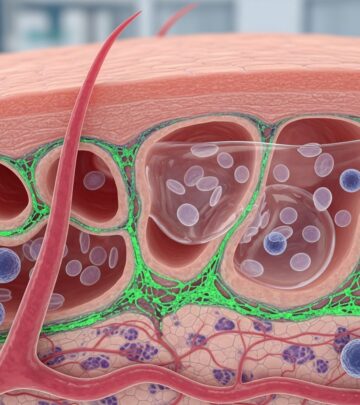
The pathogenesis of herpes simplex infection involves a complex interaction between the virus and the host immune system. At the contact site, HSV-1 primary infections are initiated after the virus penetrates tissue and fuses its envelope with the epidermal and dermal skin membranes at the cellular and mucosal level. Following initial infection, the virus travels through the nerves to nearby skin or mucosa. The immune system recognizes the invader and sends out immune cells, leading to inflammation and the formation of characteristic blisters on the skin.
After the primary infection resolves, the virus lies dormant in the dorsal root nerve ganglion and can reactivate at a later date. Reactivation can be provoked by direct damage to the nerve axon during medical procedures, tissue manipulation, inflammatory reactions, or various other triggers such as stress, immunosuppression, or ultraviolet exposure.
Clinical Manifestations
Clinical manifestations of herpes simplex vary depending on whether the infection is primary or recurrent, and the type and location of infection.
Symptoms of Primary Infection
Symptoms of herpes vary from person to person, but commonly include:
- Painful blisters or sores on the affected area
- Itching, burning, or tingling sensations before an outbreak
- Flu-like symptoms such as fever and swollen lymph nodes in some cases
- Swollen lymph nodes in the affected region (such as underneath the jaw or along the groin)
Recurrent Herpes Lesions
The initial stage of recurrent herpes labialis (RHL) generally commences with prodromal symptoms such as stinging pain, tingling or burning sensations, chilling tenderness of the skin, and itchiness at reactivation sites. These prodromal symptoms occur up to 6 hours in 46–60% of patients, caused by abrupt viral duplication at sensory neuron terminals of the epidermis or mucosal layers.
Clinical Appearance and Progression
Signs and symptoms often appear 24 to 48 hours after triggering events such as aesthetic procedures. Herpetic lesions initially appear as thin-walled intra-epidermal vesicles that subsequently burst, crust, and then heal. They are typically circular ulcerations covered by a yellowish film with surrounding erythema. The lesions may show weeping from the ulcerations before healing. The first time sores appear, they typically show up between 2 and 20 days after contact with an infected person, and sores can last from 7 to 10 days.
In some cases, herpes zoster (HZV) appears as vesicles or blisters in a unilateral dermatomal distribution, whereas herpes simplex may be bilateral and appear in several distinct areas. Herpetic eruptions may also develop secondary bacterial infections and require topical or systemic antibiotics in addition to antiviral treatment.
Diagnosis of Herpes Simplex
Dermatologists employ several diagnostic approaches to confirm herpes simplex infection:
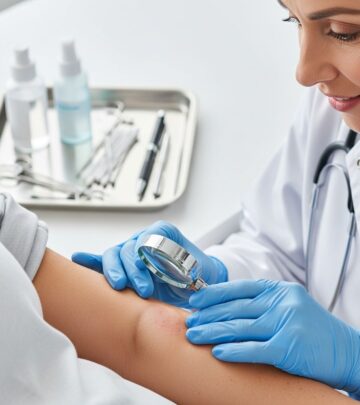
- Clinical examination: During an outbreak, dermatologists often can diagnose herpes simplex by visual examination of the sores
- Swab testing: A dermatologist may take a swab from a sore and send it to a laboratory for confirmation
- Blood tests: When sores are not present, blood tests can detect the herpes simplex virus in the body
- Molecular testing: Advanced tests can identify the specific type of HSV present
Treatment Options
Although there is no cure for herpes simplex, several treatment modalities can effectively manage symptoms and reduce outbreak duration.
Antiviral Medications
Antiviral medications are the primary treatment approach for herpes simplex infections. Common medications include:
- Acyclovir: Available in topical formulations suitable for outbreaks when there has been no breach in the skin during treatment. Acyclovir is also available in oral and intravenous forms to shorten outbreaks
- Valacyclovir: An oral antiviral that can shorten the duration of outbreaks and reduce viral shedding
- Famciclovir: Another oral antiviral option that helps reduce viral shedding and outbreak duration
- Foscarnet: A selective inhibitor of HSV-1 DNA polymerase activity that shows clinical efficacy in decreasing the size and development time of recurrent lesions, particularly useful for acyclovir-resistant herpes simplex virus
Topical Treatments
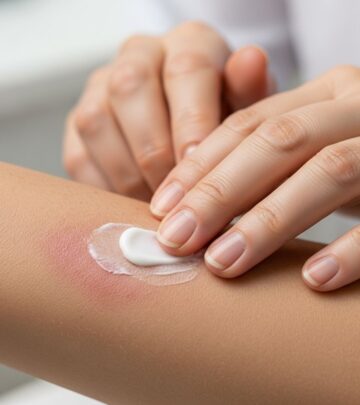
Topical treatments provide symptomatic relief and may help accelerate healing. Over-the-counter creams and prescription ointments can provide symptomatic relief by reducing burning, itching, or tingling sensations. Acyclovir cream formulations and other topical antivirals are commonly used for managing outbreaks, particularly when skin integrity remains intact.
Systemic Management
For more severe infections or frequent recurrences, oral antiviral medications such as acyclovir, valacyclovir, or famciclovir taken as pills can shorten an outbreak duration. These medications are particularly useful for managing genital herpes and recurrent oral herpes infections.
Prophylactic Treatment
Prophylactic antiviral medication is recommended for patients undergoing certain aesthetic procedures, particularly CO2 laser resurfacing, even in patients with no history of HSV. Studies have demonstrated that a 500-patient cohort showed postoperative HSV infection in 14 patients (7.4%), with half of these lacking previous known infection. Many practitioners advocate prophylactic use of antiviral medication for patients who have previously had a herpetic outbreak following an aesthetic procedure.
Lifestyle Modifications and Preventive Measures
Beyond medication, several lifestyle strategies can help minimize outbreaks and reduce transmission risk:
- Stress management to reduce outbreak frequency
- Maintaining a healthy diet rich in immune-supporting nutrients
- Practicing good hygiene, particularly during outbreaks
- Using condoms during sexual contact to reduce transmission risk
- Avoiding direct contact with lesions during outbreaks
- Protecting lips from excessive sun exposure, as ultraviolet exposure can trigger reactivation
Special Considerations in Aesthetic Procedures
The risk of herpes reactivation following dermal filler injection is rare, with an incidence of HSV-1 reactivation estimated to be less than 1.45 percent. However, reactivation can occur when direct damage to the nerve axon occurs during an aesthetic procedure. Tissue manipulation and inflammatory reactions may also play a role in this process. Notably, in the case of dermal filler injections, hyaluronic acid has been demonstrated to act as a protective agent and prevent viral replication.
Clinical Outcomes and Prognosis
The good news is that herpes simplex sores often clear without treatment. Most people experience decreasing frequency of recurrent episodes over time. While the infection is treatable, the virus remains latent in nerve tissue and can reactivate periodically throughout life. Recurrent symptoms of both oral and genital herpes may be distressing, and genital herpes may also be stigmatizing and have an impact on sexual relationships.
Frequently Asked Questions
Q: Can herpes simplex be cured?
A: No, there is currently no cure for herpes simplex virus. However, antiviral medications can effectively manage symptoms, reduce outbreak duration, and decrease viral shedding.
Q: How long does a herpes outbreak last?
A: Sores can last from 7 to 10 days. The first time sores appear, they typically show up between 2 and 20 days after contact with an infected person.
Q: Can I transmit herpes without visible symptoms?
A: Yes, both HSV-1 and HSV-2 can be transmitted through direct skin-to-skin contact, even when there are no visible symptoms. This is called asymptomatic viral shedding.
Q: What triggers herpes reactivation?
A: Various factors can trigger reactivation including stress, immunosuppression, ultraviolet exposure, sunburn, tissue trauma, and inflammatory reactions.
Q: Is antiviral prophylaxis necessary before aesthetic procedures?
A: Prophylactic antiviral medication is recommended for patients undergoing certain procedures like CO2 laser resurfacing, and for those with a history of herpes outbreaks following aesthetic procedures.
Q: What is the difference between HSV-1 and HSV-2?
A: HSV-1 is traditionally associated with oral herpes and spreads through oral contact, while HSV-2 is traditionally associated with genital herpes and spreads through sexual contact. However, either type can cause lesions in either location.
Q: How is herpes simplex diagnosed?
A: Herpes can be diagnosed through clinical examination during an outbreak, swab testing of sores, blood tests to detect the virus, or molecular testing when sores are not present.
References
- A Comprehensive Overview of Epidemiology, Pathogenesis and Management of Herpes Simplex Virus Infection — National Center for Biotechnology Information (NCBI). 2022. https://pmc.ncbi.nlm.nih.gov/articles/PMC9867007/
- Prophylaxis and Treatment of Herpetic Infections — Journal of the Canadian Academy of Dermatology (JCAD). 2024. https://jcadonline.com/aesthetic-complications-herpetic-infections/
- Understanding Herpes: A Dermatologist’s Perspective — Pariser Dermatology. 2025. https://pariserderm.com/2025/03/17/understanding-herpes-a-dermatologists-perspective/
- Herpes Simplex Virus (HSV): Types, Symptoms, and Treatment — Cleveland Clinic. 2024. https://my.clevelandclinic.org/health/diseases/22855-herpes-simplex
- Herpes Simplex Virus Fact Sheet — World Health Organization (WHO). 2024. https://www.who.int/news-room/fact-sheets/detail/herpes-simplex-virus
- Herpes Simplex: Overview and Clinical Presentation — American Academy of Dermatology (AAD). 2024. https://www.aad.org/public/diseases/a-z/herpes-simplex-overview
- Herpes Simplex Infections: Clinical Guidance — Primary Care Dermatology Society (PCDS). 2025. https://www.pcds.org.uk/clinical-guidance/herpes-simplex
Similar Articles



Read full bio of Sneha Tete