Herpes Zoster: Diagnosis, Treatment, Prevention For Clinicians
Comprehensive guide to herpes zoster: aetiology, clinical features, diagnosis, management, and prevention strategies for healthcare professionals.
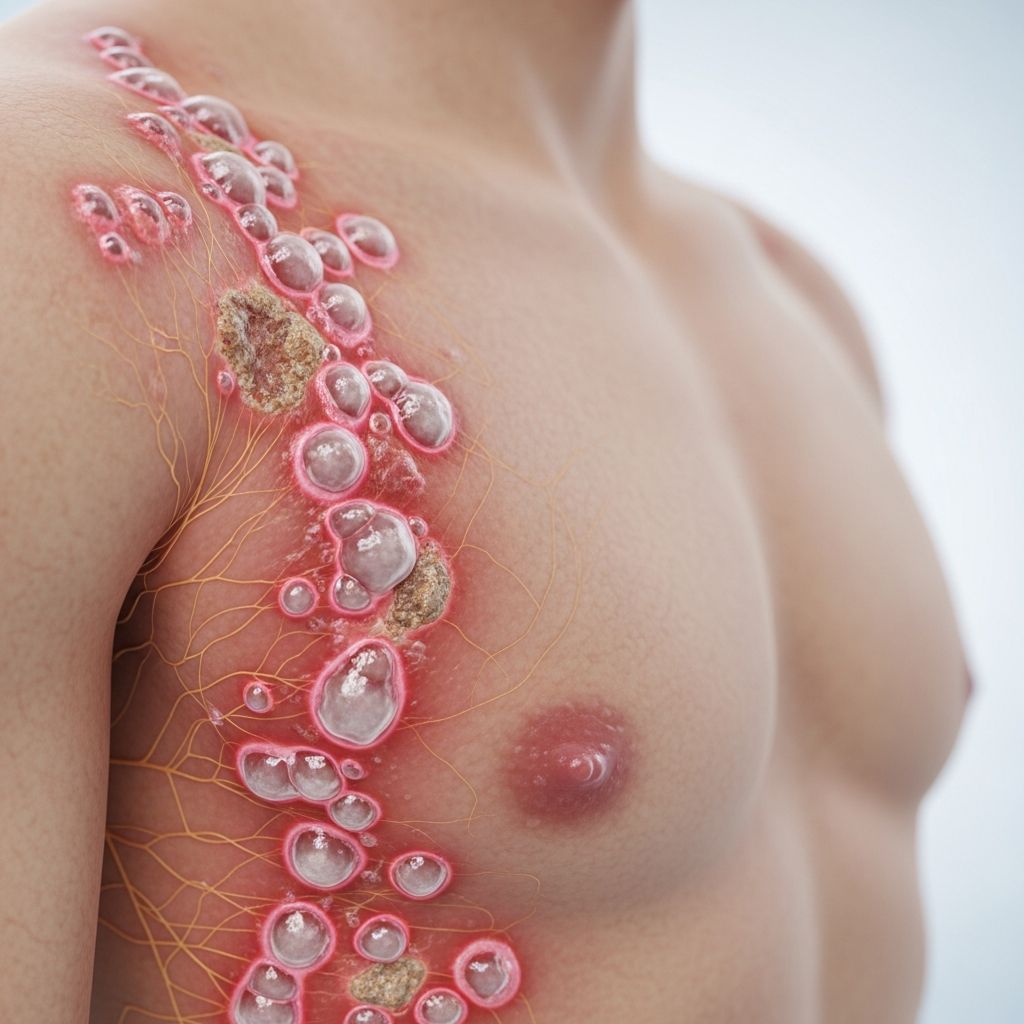
Herpes zoster, commonly known as shingles, results from reactivation of the varicella-zoster virus (VZV) latent in dorsal root ganglia following primary chickenpox infection. This CME article provides dermatologists and healthcare professionals with essential knowledge on its aetiology, clinical manifestations, differential diagnosis, management, complications, and prevention.
What is the cause of herpes zoster?
Herpes zoster is caused by reactivation of the varicella-zoster virus (VZV), also known as human herpesvirus 3, the same virus responsible for chickenpox (varicella). After primary infection, typically in childhood, VZV establishes latency in sensory dorsal root ganglia and cranial nerve ganglia. Reactivation occurs when cell-mediated immunity declines, often due to advancing age, immunosuppression, stress, or underlying diseases.
The virus travels along sensory nerves to the skin, causing inflammation, vesicular eruption, and severe neuropathic pain confined to the affected dermatome. Approximately 30% of individuals who have had chickenpox will develop shingles in their lifetime, with incidence rising sharply after age 50.
Who is at risk of herpes zoster?
Anyone who has had chickenpox is at risk, but certain factors increase susceptibility:
- Age: Incidence increases with age; over 50% of cases occur in those over 60 years.
- Immunosuppression: HIV/AIDS, chemotherapy, organ transplantation, corticosteroids, or diseases like lymphoma.
- Gender: Slightly more common in females.
- Race: Higher rates in Caucasians.
- Recent stressors: Physical trauma, emotional stress, or radiotherapy.
Immunocompromised patients face higher risks of disseminated disease, visceral involvement, and severe complications.
What are the clinical features of herpes zoster?
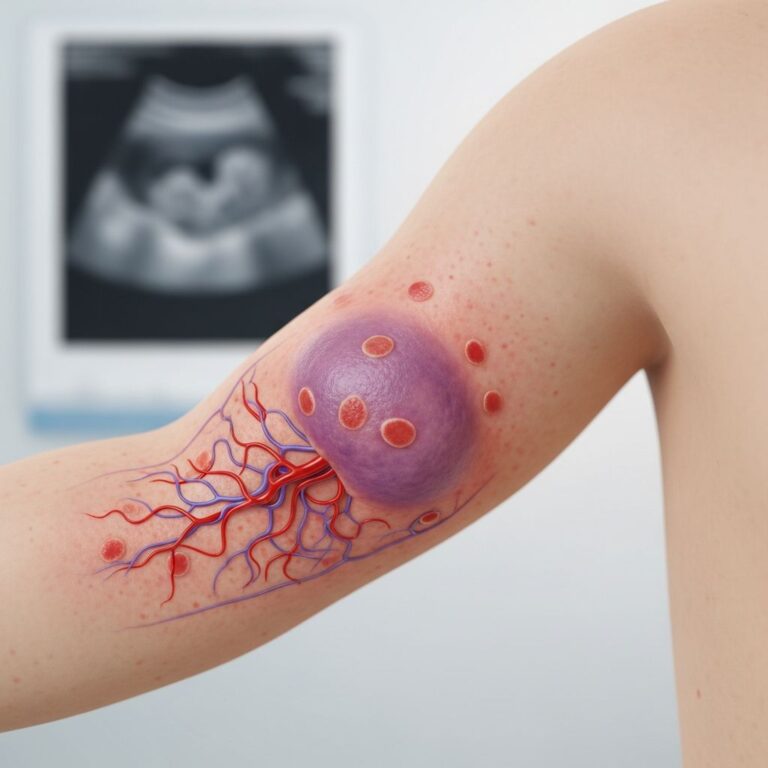
Herpes zoster typically presents with a unilateral, dermatomal distribution of painful vesicles on an erythematous base, following nerve pathways. Key phases include:
- Prodrome (1–5 days): Pain, burning, tingling, or hyperaesthesia in the affected dermatome; may include headache, photophobia, or malaise.
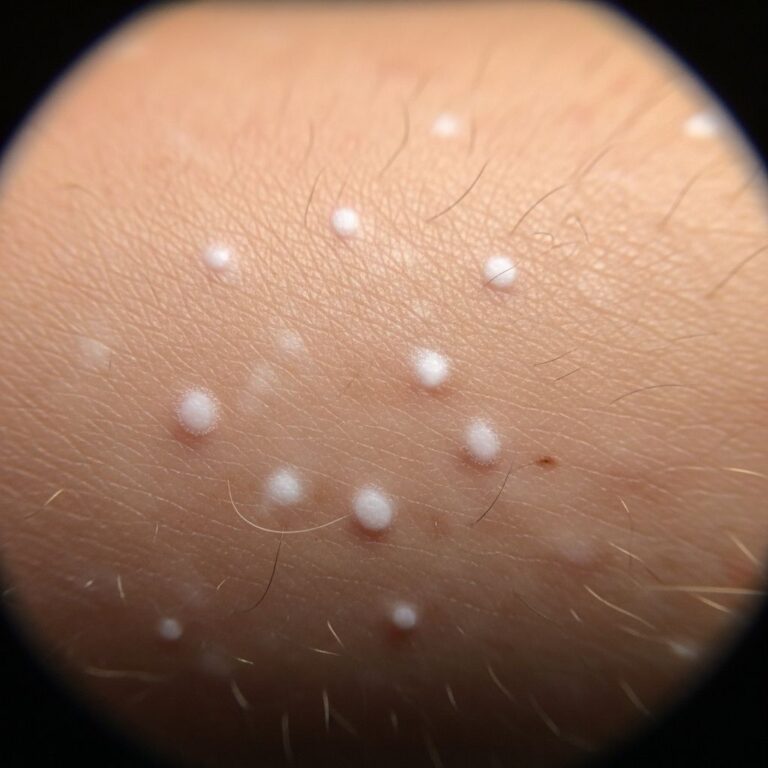
- Rash evolution: Macules → papules → vesicles → pustules → crusting (7–10 days); resolves in 2–4 weeks.
- Common sites: Thoracic (T5-L1, 50–60%), cranial (10–20%, esp. ophthalmic V1), lumbar, cervical.
Pain is neuropathic, described as burning, stabbing, or electric shock-like, often preceding rash by days. In zoster sine herpete, pain occurs without rash due to subclinical reactivation.
Ophthalmic zoster (HZO)
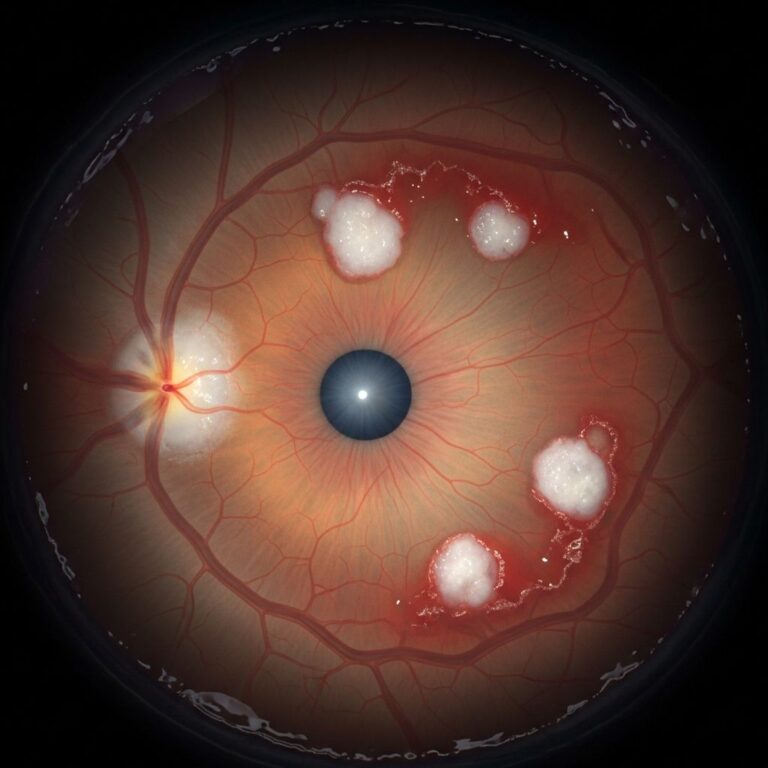
Involves trigeminal V1 branch; rash on nose tip (Hutchinson sign) indicates ocular risk. Complications: keratitis, uveitis, scleritis, retinitis, glaucoma, optic neuritis; may cause vision loss.
Otalgia zoster (Ramsay Hunt syndrome)
Affects geniculate ganglion (VII): vesicles in ear canal, facial palsy, hearing loss, vertigo, tinnitus.
Disseminated zoster
>20 extra-dermatomal lesions; occurs in 2% immunocompetent, up to 40% immunocompromised patients. Risk of visceral involvement (lungs, liver, brain).
How is herpes zoster diagnosed?
Diagnosis is clinical based on characteristic unilateral dermatomal vesicular rash with pain. Confirm in atypical cases via:
- Tzanck smear: Multinucleated giant cells in vesicle fluid.
- Viral culture/PCR: Gold standard from vesicle fluid or crusts.
- Direct fluorescent antibody (DFA): Rapid VZV detection.
Related Stories



Serology is unhelpful for acute diagnosis due to prior exposure.
What is the differential diagnosis for herpes zoster?
| Condition | Key Differentiators |
|---|---|
| Herpes simplex | Bilateral, recurrent, non-dermatomal; fewer vesicles. |
| Contact dermatitis | Itchy > painful; crosses dermatomes; no vesicles. |
| Impetigo | Golden crusts; no pain/prodrome; children. |
| Zosteriform herpes simplex | Recurrent; PCR differentiates. |
| Pyoderma gangrenosum | Ulcerative; systemic disease association. |
What should be done if herpes zoster is suspected?
Assess immune status, rash extent, and complications (esp. ophthalmic). Urgent ophthalmology referral for HZO. Start antivirals within 72 hours of rash onset for best outcomes.
- Cover lesions to prevent spread.
- Analgesia for pain.
- Exclude contacts if immunocompromised/disseminated.
How is herpes zoster treated?
Treatment focuses on antiviral therapy, pain control, and complication prevention.
Antivirals
Initiate within 72 hours; extend to 7–10 days if new lesions or immunocompromised.
| Drug | Dose (Adults) | Duration |
|---|---|---|
| Valaciclovir | 1 g TDS | 7 days |
| Aciclovir | 800 mg 5x/day | 7 days |
| Famciclovir | 500 mg TDS | 7 days |
Dose adjust for renal impairment. IV aciclovir for disseminated/HZO/severe cases.
Pain management
- First-line: Paracetamol ± codeine, NSAIDs.
- Neuropathic: Amitriptyline (10–75 mg nocte), gabapentin (300–3600 mg/day), pregabalin, duloxetine.
- Severe: Opioids (oxycodone, morphine), lignocaine 5% patch, capsaicin cream (after crusting).
- Refractory: Gabapentin + tricyclics; specialist input.
Skin care
Keep clean/dry; potassium permanganate soaks; topical antibiotics if superinfected.
Complications of herpes zoster
Occur in 10–20%; more frequent/serious in elderly/immunocompromised.
- Postherpetic neuralgia (PHN): Pain >3 months post-rash (10–20% over 60 years); treat as above + TCAs, gabapentinoids, 8% capsaicin patch.
- Ocular: Vision loss in 1–2% HZO.
- Neurological: Motor weakness (5%), encephalitis, myelitis.
- Secondary bacterial infection.
- Disseminated/visceral disease.
How is herpes zoster prevented?
Live attenuated vaccines reduce incidence/PHN.
- Zostavax: Single dose ≥50 years; 50–60% efficacy; less effective >70 years.
- Shingrix (recombinant glycoprotein E): 2 doses IM, 2–6 months apart, ≥50 years; >90% efficacy, including immunocompromised ≥19 years (FDA 2021).
Prefer Shingrix; contraindicated in pregnancy, untreated TB. Vaccinate despite prior shingles.
Transmission of herpes zoster
Not person-to-person directly; contagious via VZV from lesions to chickenpox-sus susceptibles (direct contact/airborne if disseminated/immunocompromised). Isolate until crusted; cover lesions.
Herpes Zoster FAQs
Can you get shingles more than once?
Yes, rare (4%); higher in immunocompromised.
Is shingles contagious?
Causes chickenpox in susceptibles; not shingles.
How long is shingles contagious?
Until all lesions crusted (7–10 days).
Does shingles vaccine prevent postherpetic neuralgia?
Yes, Shingrix >90% effective.
Can shingles affect internal organs?
Yes, esp. disseminated cases: pneumonia, hepatitis, encephalitis.
References
- Shingles (Herpes Zoster) — New Jersey Department of Health. 2023. https://www.nj.gov/health/cd/documents/chapters/shingles_ch.pdf
- Herpes zoster (syn. shingles) — Primary Care Dermatology Society (PCDS). 2024. https://www.pcds.org.uk/clinical-guidance/herpes-zoster
- Herpes Zoster and Postherpetic Neuralgia: Prevention and Management — American Academy of Family Physicians (AAFP). 2017-11-15. https://www.aafp.org/pubs/afp/issues/2017/1115/p656.html
- Shingles Overview: Types, Causes, Symptoms — Pfizer. 2025. https://www.pfizer.com/disease-and-conditions/shingles
- Shingles: Care Instructions — Kaiser Permanente. 2024. https://healthy.kaiserpermanente.org/health-wellness/health-encyclopedia/he.shingles-care-instructions.uh3267
- Herpes zoster: A Review of Clinical Manifestations and Management — National Library of Medicine (PMC). 2022. https://pmc.ncbi.nlm.nih.gov/articles/PMC8876683/
Similar Articles








Read full bio of Sneha Tete