Heterochromia: 3 Types, Causes, Diagnosis, And Care
Discover the fascinating world of heterochromia, from its types and genetic roots to when it signals serious health issues.
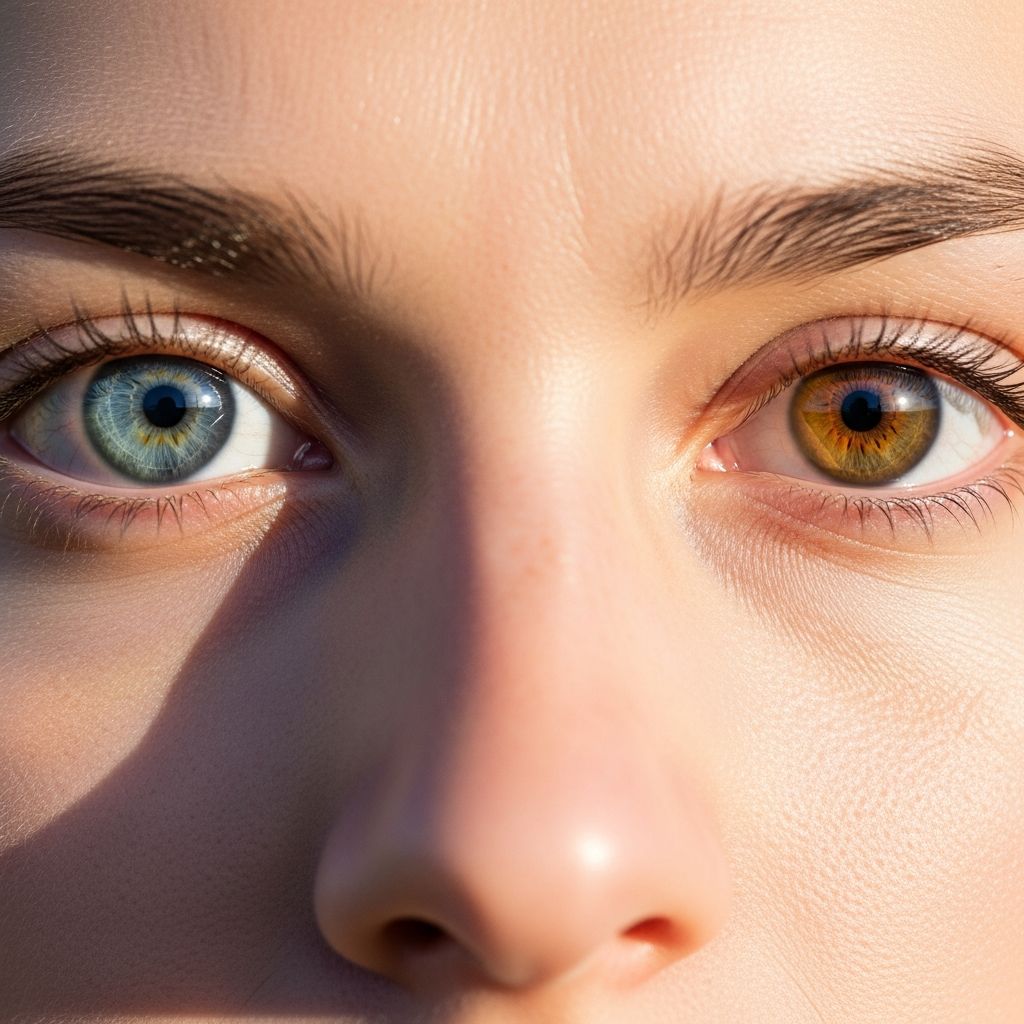
Heterochromia refers to a striking variation in eye color, either between the two eyes or within sections of a single iris. This condition arises primarily from differences in melanin distribution, the pigment responsible for eye hue. While frequently congenital and benign, it can occasionally indicate underlying medical issues warranting professional evaluation.
Understanding the Iris and Pigmentation Basics
The iris, the colored portion surrounding the pupil, controls light entry into the eye. Its color stems from melanin levels: higher concentrations produce brown or black tones, while lower amounts yield blue, green, or gray shades. Light scatters in low-melanin irises, creating blue appearances, whereas dense melanin absorbs light for darker colors.
Heterochromia disrupts this uniformity. Genetic factors during fetal development often dictate melanin deposition, but external influences can alter it later in life. Recognizing these patterns helps distinguish harmless variations from those needing intervention.
Primary Types of Heterochromia
Heterochromia manifests in distinct forms, each defined by the location and extent of color disparity.
- Complete Heterochromia: Each eye displays a fully distinct color, such as one blue and one brown. This rare form typically emerges at birth due to uneven melanin production between eyes.
- Sectoral Heterochromia: A portion of one iris differs from the remainder, often appearing as a wedge or patch. For instance, a brown segment in a green eye. It usually affects a single eye and is congenital.
- Central Heterochromia: The iris center near the pupil contrasts with the outer ring, resembling a spiked or multi-toned effect. Commonly bilateral, it may mimic hazel eyes but features sharper demarcations.
These categories aid in initial assessment, guiding further investigation into origins.
Congenital Origins: Born with Unique Eyes
Many cases stem from birth, influenced by genetics. Mutations in genes regulating melanin synthesis, like those tied to Waardenburg syndrome, can produce heterochromia alongside hearing loss or facial traits. Sturge-Weber syndrome, marked by facial birthmarks, occasionally involves eye color differences due to vascular anomalies.
Congenital Horner syndrome, disrupting nerve signals to the eye, lightens the affected iris. Though rare in newborns, it prompts checks for tumors like neuroblastoma. Most congenital instances pose no vision threats and are celebrated as distinctive features.
Acquired Heterochromia: Changes Over Time
Not all heterochromia is present from birth; some develop later from injury, disease, or medications. Eye trauma can scar the iris, shifting its pigment. Retained metal fragments cause ocular siderosis, darkening the iris via iron deposition.
Prostaglandin drops for glaucoma irreversibly darken treated irises, especially in lighter eyes. Inflammatory conditions like Fuchs heterochromic iridocyclitis lighten one iris, often with cataracts or glaucoma risks. Oculodermal melanocytosis heightens pigmentation around the eye, necessitating melanoma surveillance.
| Cause | Effect on Iris | Associated Risks |
|---|---|---|
| Trauma | Darker or lighter | Glaucoma, lens issues |
| Prostaglandin drops | Darkening | Permanent in treated eye |
| Fuchs iridocyclitis | Lightening | Cataracts, glaucoma |
| Ocular siderosis | Darkening | Structural damage |
Related Stories



Syndromes and Systemic Links
Certain syndromes link heterochromia to broader health concerns. Horner syndrome, from sympathetic nerve interruption, causes lighter iris, ptosis, and miosis. In adults, sudden onset signals emergencies like carotid dissection; in children, it may indicate tumors.
Waardenburg syndrome features heterochromia with white forelock and deafness. Parry-Romberg syndrome involves facial atrophy potentially affecting eye pigment. These associations underscore the need for holistic evaluation.
Recognizing Warning Signs
Benign heterochromia rarely affects vision, but accompanying symptoms demand attention:
- Blurred vision or floaters in the affected eye
- Pain, redness, or photophobia
- Sudden pupil changes or ptosis
- Rapid color shifts over days
- Discharge, swelling, or persistent ache
New unilateral changes, especially with headache or neck pain, require immediate care to exclude uveitis, herpes, or vascular issues.
Diagnostic Approaches
Eye specialists begin with history: onset timing, trauma, medications, family patterns. Slit-lamp exams reveal iris details, pupil responses, and inflammation. Advanced tests include:
- Pharmacologic dilation for Horner confirmation
- Orbital imaging (CT/MRI) for foreign bodies or masses
- Gonioscopy for angle anomalies
Understanding progression refines cause identification, from genetic to pathologic.
Management and Monitoring Strategies
Congenital, asymptomatic cases need routine exams. Acquired forms target root causes: anti-inflammatories for uveitis, glaucoma therapy, or siderosis surgery. Cosmetic contacts offer options but require fitting to avoid complications.
Ongoing surveillance suits high-risk cases like melanocytosis, checking for glaucoma or melanoma annually. Prompt symptom reporting preserves vision.
Heterochromia in Animals and Famous Cases
Beyond humans, heterochromia graces animals like dogs (Australian Shepherds), cats (Turkish Vans), and horses. One blue eye often pairs with deafness in white-coated breeds.
Human icons include David Bowie (anisocoria mimicking heterochromia), Kate Bosworth, and Max Scherzer, highlighting its aesthetic appeal.
Frequently Asked Questions (FAQs)
Is heterochromia harmful?
Usually not, if congenital and stable. Monitor for vision changes or new symptoms.
Can heterochromia develop suddenly?
Yes, signaling issues like Horner syndrome or inflammation—seek urgent evaluation.
Does it affect vision?
Rarely directly, but linked conditions like glaucoma can.
Can contacts hide it?
Yes, under professional guidance.
Is it hereditary?
Often, via genes controlling pigmentation.
Protecting Eye Health with Heterochromia
Annual dilated exams track changes. UV protection prevents further damage. Report new symptoms swiftly. Heterochromia, while captivating, merits vigilance for underlying issues.
This condition blends rarity and beauty, but informed care ensures lasting ocular wellness.
References
- Heterochromia – Trappe — Refocus Eye Doctors. 2024. https://trappe.refocuseyedoctors.com/article/heterochromia-eye-color-variation/
- Heterochromia: The Rainbow in Your Eyes Explained — Blue Fin Vision. 2024. https://bluefinvision.com/blog/what-is-heterochromia-understanding-the-rainbow-in-your-eyes/
- What Can Having Different Colored Eyes Mean for Health? — AARP. 2024. https://www.aarp.org/health/conditions-treatments/heterochromia-different-color-eyes/
- Heterochromia: Why Are My Eyes Different Colors? — Optometrists.org. 2024. https://www.optometrists.org/general-practice-optometry/guide-to-eye-health/heterochromia-why-are-my-eyes-different-colors/
- A Comprehensive Guide to Heterochromia — Lentz Eye Care. 2024. https://lentzeyecare.com/blog/526641-a-comprehensive-guide-to-heterochromia
- Heterochromia: a review of conditions that may affect iris pigmentation — RBO Journal. 2024. https://www.rbojournal.org/en/article/heterochromia-a-review-of-conditions-that-may-affect-iris-pigmentation/
- Heterochromia: Causes & Types — Cleveland Clinic. 2024. https://my.clevelandclinic.org/health/symptoms/25112-heterochromia
Similar Articles








Read full bio of medha deb