Hiatal Hernia: 4 Types, Symptoms, And Treatment Guide
Comprehensive insights into hiatal hernia: from symptoms and causes to effective treatments and prevention strategies for better digestive health.
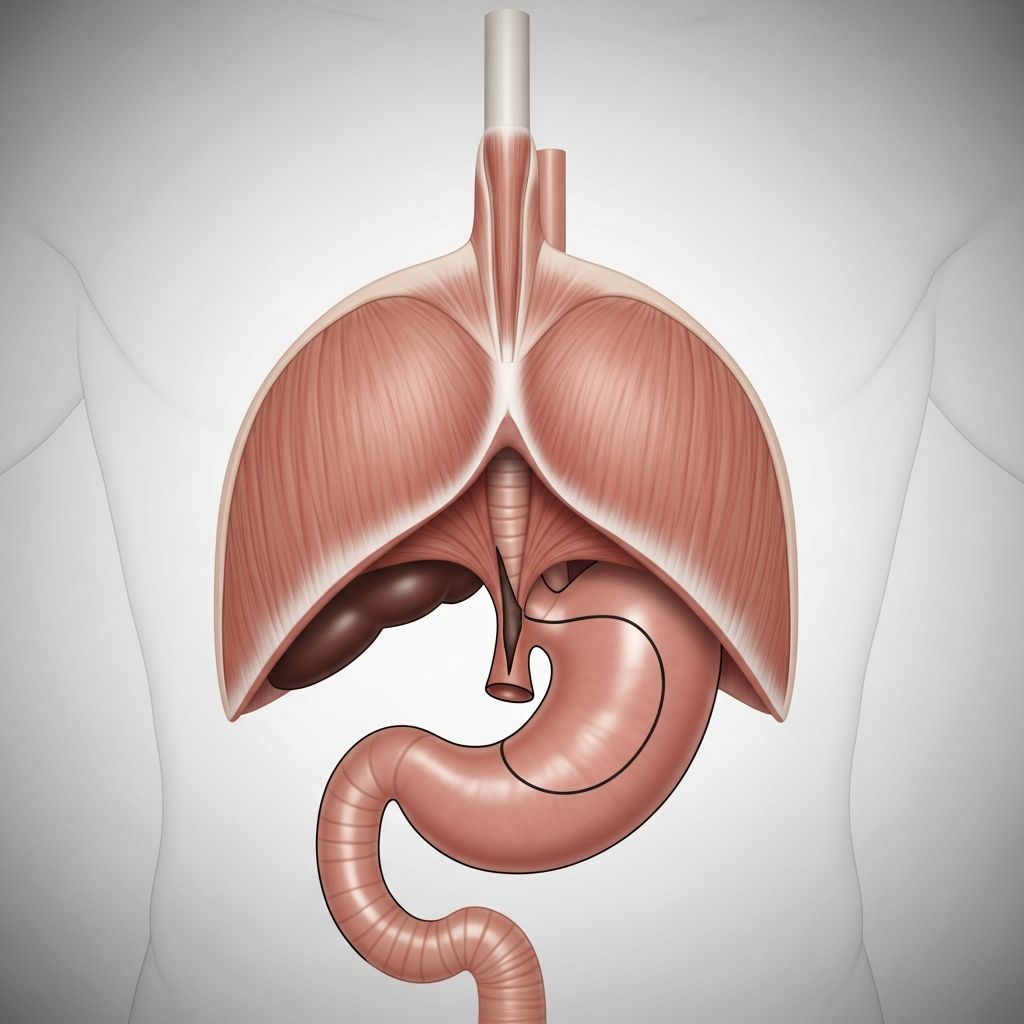
Hiatal hernia occurs when the upper portion of the stomach protrudes through the diaphragm’s esophageal hiatus into the chest cavity. This condition affects the separation between the abdominal and thoracic regions, potentially leading to digestive complications.
The Diaphragm and Esophageal Hiatus Explained
The diaphragm is a dome-shaped muscle essential for breathing, dividing the chest from the abdomen. It features a hiatus, a natural opening through which the esophagus passes to connect with the stomach. In a healthy setup, the lower esophageal sphincter (LES) at this junction prevents stomach acid from refluxing into the esophagus. When a hernia develops, this mechanism weakens, allowing acid backup and symptoms like heartburn.
Primary Types of Hiatal Hernias
Hiatal hernias are categorized into distinct types based on anatomy and involved structures:
- Sliding (Type I): The most prevalent form, where the gastroesophageal junction and upper stomach slide upward through the hiatus. Often linked to gastroesophageal reflux disease (GERD).
- Paraesophageal (Type II):strong> The stomach’s fundus herniates beside the esophagus while the gastroesophageal junction stays in place. Higher risk of complications like volvulus.
- Mixed (Type III): Combines features of sliding and paraesophageal hernias, involving both the junction and fundus.
- Type IV: Rare, involving other organs such as the colon, spleen, or small bowel alongside the stomach.
Small sliding hernias frequently remain asymptomatic, while larger or paraesophageal types may require intervention.
Common Symptoms and Warning Signs
Many individuals with small hiatal hernias experience no noticeable issues. However, when symptoms arise, they often mimic other conditions, prompting diagnostic evaluation. Key indicators include:
- Persistent
heartburn
, a burning sensation in the chest, especially after meals or when lying down. - **Regurgitation** of food or sour liquid into the mouth.
- Difficulty or pain when
swallowing
(dysphagia or odynophagia). - **Chest or abdominal pain**, sometimes radiating and mimicking heart issues.
- Shortness of breath, chronic cough, or wheezing due to irritation or compression.
- Less common: vomiting blood (hematemesis), black stools indicating bleeding, or anemia from chronic blood loss.
| Symptom | Hiatal Hernia | GERD (Often Co-occurs) |
|---|---|---|
| Heartburn | Common | Primary |
| Regurgitation | Frequent | Frequent |
| Chest Pain | Possible | Occasional |
| Dysphagia | Possible | Less Common |
| Shortness of Breath | Occasional | Rare |
Symptoms tend to worsen with bending, straining, or large meals. Extraesophageal manifestations like hoarseness or asthma may signal progression.
Root Causes and Risk Factors
The precise etiology varies, but several factors contribute to hiatal hernia development:
- Age-related weakening of the diaphragm and connective tissues, common over 50.
- Obesity increases intra-abdominal pressure, pushing the stomach upward.
- Smoking, which relaxes the LES and elevates abdominal pressure.
- Pregnancy, heavy lifting, chronic coughing, or straining during bowel movements.
- Trauma, prior surgeries, or congenital defects in rare cases.
These elements strain the hiatus, enlarging it over time and facilitating herniation.
How Hiatal Hernia is Diagnosed
Diagnosis begins with a detailed history focusing on reflux symptoms and risk factors. Physical exams may reveal bowel sounds in the chest for large hernias, though most are not palpable.
Essential imaging includes:
- Upper GI series (barium swallow): Visualizes the hernia and reflux dynamically, aiding surgical planning.
- Endoscopy: Assesses esophageal damage, inflammation, or Barrett’s esophagus.
- Esophageal manometry: Measures LES pressure and motility.
- pH monitoring: Confirms acid reflux correlation with symptoms.
- CT scan: For complex cases or preoperative evaluation.
Early detection prevents complications like esophageal strictures or ulceration.
Related Stories



Lifestyle Modifications for Symptom Relief
Conservative measures effectively manage most sliding hiatal hernias:
- Elevate the head of the bed 6-8 inches to reduce nighttime reflux.
- Avoid trigger foods: spicy, fatty, caffeine, chocolate, alcohol, and large meals.
- Maintain a healthy weight through diet and exercise to lessen abdominal pressure.
- Quit smoking and limit NSAIDs that irritate the esophagus.
- Eat smaller, frequent meals and remain upright post-eating.
These changes often suffice without medication.
Medical Treatments and Medications
For persistent symptoms, medications target acid production and neutralization:
- Antacids (e.g., Tums) for quick relief.
- H2 blockers (e.g., ranitidine) reduce acid secretion.
- Proton pump inhibitors (PPIs) (e.g., omeprazole) provide potent, long-term suppression.
PPIs heal esophagitis in many cases but require monitoring for long-term side effects.
Surgical Interventions: When and How
Surgery is indicated for failed medical therapy, large paraesophageal hernias, obstruction, bleeding, or respiratory compromise. Procedures include:
- Nissen fundoplication: Wraps stomach fundus around the esophagus to reinforce the LES, often laparoscopic.
- Hiatal hernia repair: Reduces contents and tightens the hiatus.
- Mesh reinforcement for large defects.
Success rates exceed 90% for symptom relief, though recurrence is possible.
Potential Complications and Long-Term Risks
Untreated hiatal hernias can lead to:
- GERD complications: Esophagitis, strictures, Barrett’s esophagus, or adenocarcinoma.
- Paraesophageal risks: Strangulation, volvulus, perforation—medical emergencies.
- Chronic anemia from occult bleeding or pulmonary issues from aspiration.
Regular follow-up mitigates these risks.
Prevention Strategies for Hiatal Hernia
While not entirely preventable, reducing modifiable risks helps:
- Sustain ideal body weight.
- Avoid straining activities; use proper lifting techniques.
- Treat constipation and chronic cough promptly.
- Adopt anti-reflux habits early.
Frequently Asked Questions (FAQs)
Is hiatal hernia dangerous?
Most are benign, but large or paraesophageal types can lead to serious issues if untreated.
Can hiatal hernia cause heart attack-like pain?
Yes, reflux-related chest pain may mimic cardiac events; seek immediate evaluation.
Does hiatal hernia require surgery?
Only if symptomatic and unresponsive to conservative measures.
Can diet cure hiatal hernia?
Diet manages symptoms but doesn’t repair the hernia.
Is hiatal hernia common in young people?
Rarer, but possible with obesity or trauma; prevalence rises with age.
References
- Hiatal hernia – Symptoms, diagnosis and treatment — BMJ Best Practice. 2023. https://bestpractice.bmj.com/topics/en-us/735
- Hiatal hernia – Symptoms and causes — Mayo Clinic. 2023-10-25. https://www.mayoclinic.org/diseases-conditions/hiatal-hernia/symptoms-causes/syc-20373379
- Hiatal Hernia Symptoms & Treatment — Aurora Health Care. 2023. https://www.aurorahealthcare.org/services/gastroenterology-colorectal-surgery/hiatus-hernia-hiatal-hernia
- Hiatal Hernia — StatPearls – NCBI Bookshelf. 2023-07-17. https://www.ncbi.nlm.nih.gov/books/NBK562200/
- Hiatal Hernia: What It Is, Symptoms, Treatment & Surgery — Cleveland Clinic. 2023-10-11. https://my.clevelandclinic.org/health/diseases/8098-hiatal-hernia
- Hiatal Hernia — MedlinePlus. 2023. https://medlineplus.gov/hiatalhernia.html
Similar Articles








Read full bio of medha deb