Hiatal Hernia: 4 Types, Symptoms, And Treatment Options
Understand hiatal hernia symptoms, causes, types, diagnosis, and treatments for better management and relief.
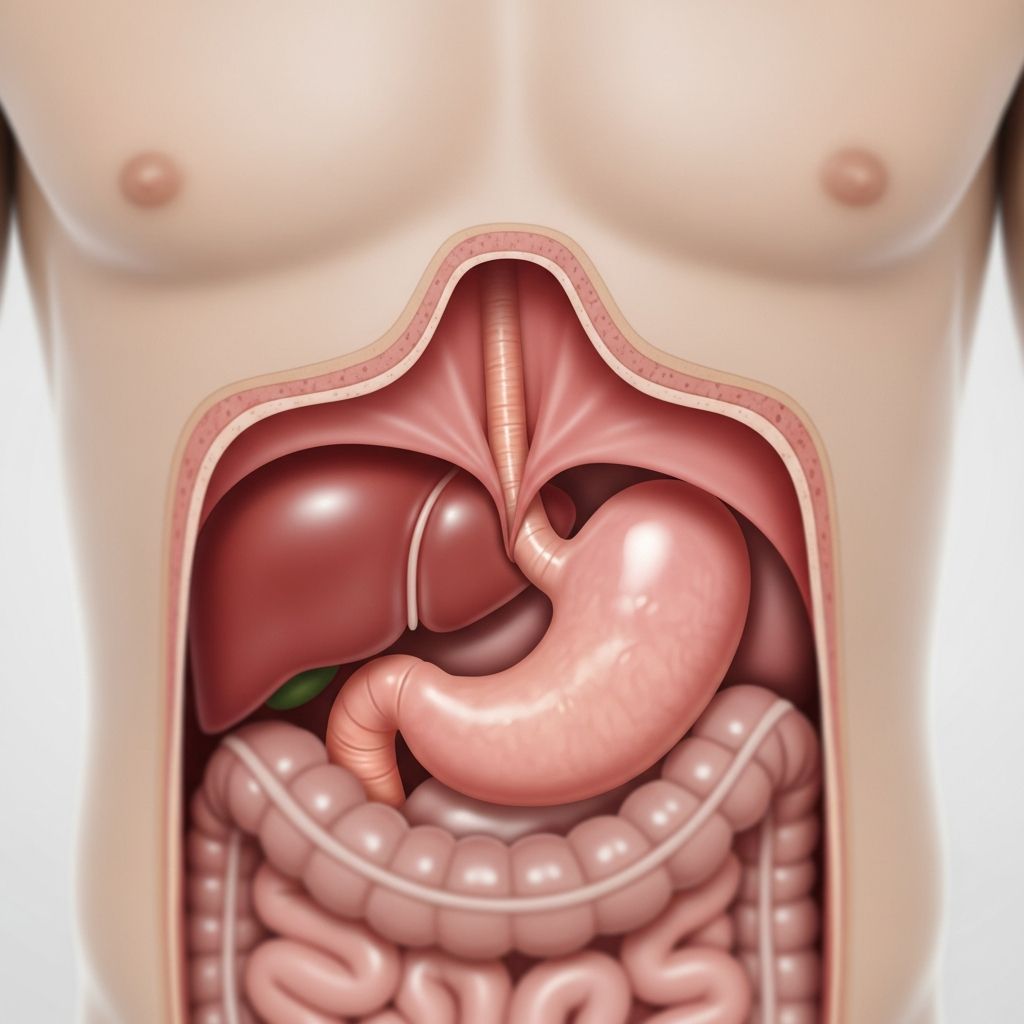
A
hiatal hernia
occurs when the upper part of the stomach bulges through the diaphragm into the chest cavity via the esophageal hiatus, often leading togastroesophageal reflux disease (GERD)
symptoms like heartburn.What Is a Hiatal Hernia?
The diaphragm is a muscular sheet separating the chest from the abdomen, with the esophagus passing through an opening called the
esophageal hiatus
. In a hiatal hernia, part of the stomach protrudes through this hiatus due to weakness in the surrounding tissues. This condition is prevalent, affecting about 20% of the U.S. population, rising to 50% over age 50, 60% over 60, and 70% over 70. Many cases are asymptomatic, but when symptoms arise, they typically involve acid reflux as the gastroesophageal junction (GEJ) displaces upward, impairing the lower esophageal sphincter’s function.Types of Hiatal Hernia
Hiatal hernias are classified into four types based on anatomy and organs involved:
- Type I (Sliding Hiatal Hernia): The most common, comprising over 95% of cases. The GEJ and upper stomach slide above the diaphragm while the fundus remains below.
- Type II (Pure Paraesophageal Hernia): The GEJ stays in place, but part of the gastric fundus herniates beside the esophagus through the hiatus.
- Type III: A mixed type combining features of Types I and II; both GEJ and fundus protrude, accounting for over 90% of paraesophageal hernias.
- Type IV: Involves herniation of other abdominal organs (e.g., colon, spleen) alongside the stomach through the enlarged hiatus.
Sliding hernias (Type I) mainly cause reflux, while paraesophageal types (II-IV) risk complications like volvulus or strangulation.
Symptoms of Hiatal Hernia
Many hiatal hernias produce no symptoms and are incidental findings. When present, they often mimic GERD:
- Typical Reflux Symptoms: Heartburn, regurgitation, dysphagia, chest pain (may mimic heart attack).
- Atypical Manifestations: Pulmonary issues (cough, aspiration pneumonia), cardiac symptoms (palpitations, shortness of breath), obstructive signs (nausea, vomiting, early satiety, bloating).
- Pain Characteristics: Chest or abdominal discomfort worsened by bending, coughing, or straining; large hernias may cause mechanical symptoms.
Symptoms stem from acid exposure in the esophagus or mechanical compression in paraesophageal hernias.
Causes and Risk Factors
Hiatal hernias develop from widening of the esophageal hiatus due to cumulative abdominal pressure:
- Intra-abdominal Pressure Increases: Obesity, pregnancy, heavy lifting, straining (e.g., constipation, coughing).
- Demographic Risks: Age (muscle weakening), overweight/obesity, elderly status.
- Other Factors: Multiple pregnancies, prior esophageal/gastric surgery, skeletal disorders with bone degeneration.
The condition progresses slowly from daily stresses straining the diaphragm.
Diagnosis of Hiatal Hernia
Diagnosis combines history, imaging, and endoscopy:
- Upper Endoscopy (EGD): Visualizes hernia, assesses esophagitis, Barrett’s esophagus.
- Barium Swallow Radiograph: Demonstrates hernia anatomy and reflux.
- Esophageal Manometry/pH Monitoring: Evaluates motility and acid exposure.
- CT Scan: For complex paraesophageal hernias or complications.
SAGES guidelines emphasize multimodal evaluation for surgical candidates.
Hiatal Hernia Treatment
Treatment escalates from conservative to surgical based on symptoms and complications.
Lifestyle Modifications
First-line for symptomatic GERD-related hernias:
- Weight loss if overweight.
- Head-of-bed elevation (6-8 inches).
- Avoid meals 2-3 hours before bedtime; eliminate triggers (chocolate, caffeine, alcohol, spicy/citrus foods, carbonated drinks).
- Smaller, frequent meals; quit smoking.
Medications
Reduce acid production:
- Antacids: Neutralize acid (e.g., Tums).
- H2 Blockers: Cimetidine, ranitidine.
- Proton Pump Inhibitors (PPIs): Omeprazole, esomeprazole (most effective).
PPIs heal esophagitis in 80-90% of cases but don’t fix the hernia.
Surgery
Indicated for refractory symptoms, complications (strangulation, Cameron lesions), or large paraesophageal hernias:
Related Stories



- Laparoscopic Fundoplication: Gold standard; reduces hernia sac, repairs hiatus, wraps fundus around esophagus (Nissen 360° or Toupet 270° for dysmotility).
- Approach: Transabdominal (preferred) or transthoracic.
Surgery resolves reflux in 85-90% of patients.
When to See a Doctor
Seek care for:
- Persistent heartburn unresponsive to OTC meds.
- Dysphagia, unexplained weight loss, vomiting blood, black stools (ulcer/bleeding risks).
- Severe chest pain (rule out cardiac issues).
- Signs of incarceration: intense pain, inability to pass gas/stool.
Complications
Untreated hernias risk:
- GERD Progression: Esophagitis, strictures, Barrett’s esophagus, esophageal adenocarcinoma.
- Paraesophageal Risks: Volvulus, incarceration, strangulation (emergency).
- Cameron Lesions: Linear gastric ulcers causing anemia.
Prevention
- Maintain healthy weight.
- Avoid straining (treat constipation, cough).
- Limit heavy lifting; use proper technique.
Frequently Asked Questions (FAQs)
Is hiatal hernia serious?
Most are benign, but paraesophageal types can lead to life-threatening complications like strangulation requiring urgent surgery.
Can hiatal hernia heal on its own?
No, hernias don’t resolve spontaneously; management controls symptoms, surgery repairs anatomy.
Does hiatal hernia cause shortness of breath?
Yes, large hernias may compress lungs or cause vagus nerve irritation leading to atypical pulmonary symptoms.
How is hiatal hernia surgery performed?
Laparoscopically: hernia reduction, hiatal closure, fundoplication to reinforce the sphincter.
Can diet cure hiatal hernia?
Diet/lifestyle alleviates GERD symptoms but doesn’t repair the defect.
References
- The management of hiatal hernia: an update on diagnosis and treatment — Nicollas et al., Annals of Laparoscopic and Endoscopic Surgery. 2019-11-01. https://pmc.ncbi.nlm.nih.gov/articles/PMC6853045/
- Atypical and typical manifestations of the hiatal hernia — Goodwin, Annals of Laparoscopic and Endoscopic Surgery. 2016-12-29. https://ales.amegroups.org/article/view/6254/html
- Hiatal Hernia: What It Is, Symptoms, Treatment & Surgery — Cleveland Clinic. 2023-08-01. https://my.clevelandclinic.org/health/diseases/8098-hiatal-hernia
- Hiatal Hernia — Cedars-Sinai. Accessed 2026. https://www.cedars-sinai.org/health-library/diseases-and-conditions/h/hiatal-hernia.html
Similar Articles








Read full bio of Sneha Tete