Hiatal Hernia Symptoms: What You Need to Know
Discover common and uncommon hiatal hernia symptoms, from heartburn to breathing difficulties.
What Is a Hiatal Hernia?
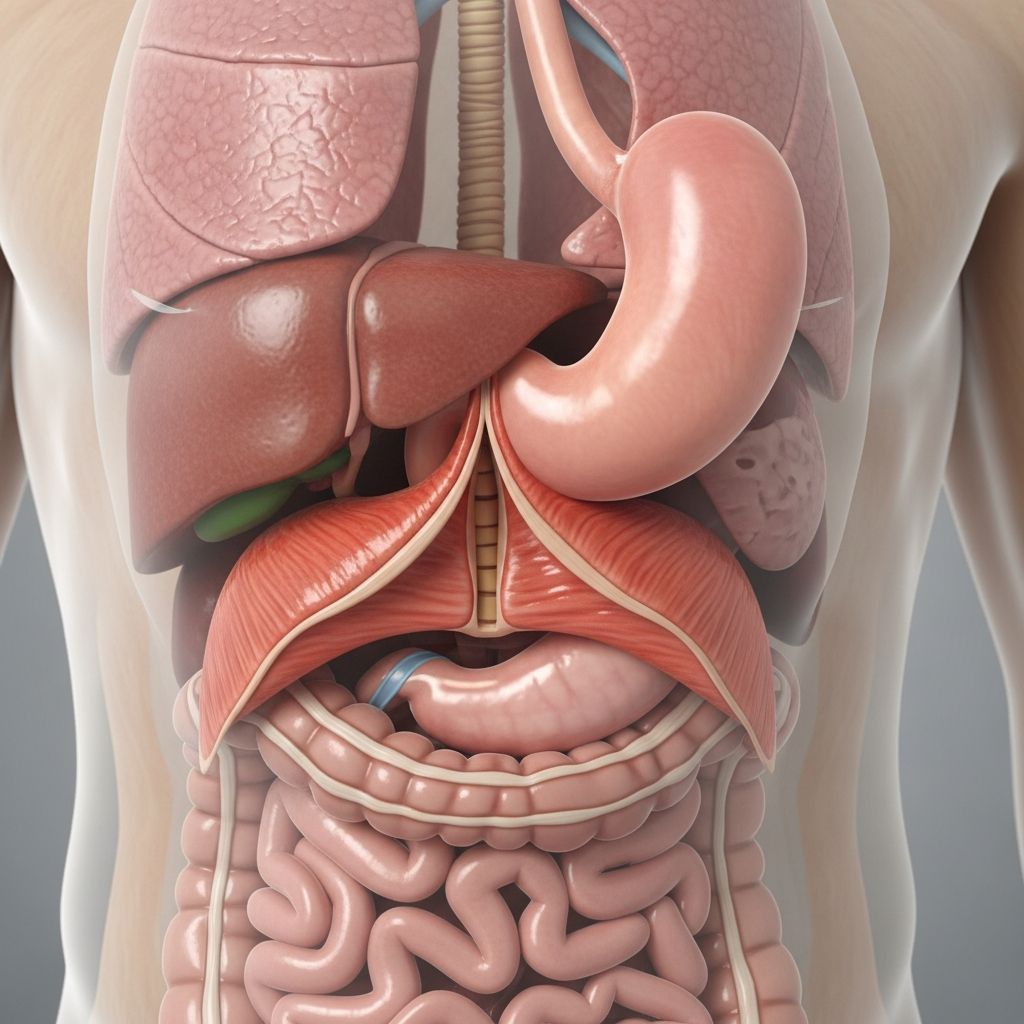
A hiatal hernia occurs when part of your stomach pushes through an opening in your diaphragm and moves into your chest cavity. The diaphragm is the muscle that separates your abdomen from your chest and helps control breathing. When this opening—called the hiatal opening—becomes enlarged, stomach tissue can slip through, creating a hiatal hernia.
The condition is more common than many people realize. However, a hiatal hernia by itself rarely causes symptoms. Most people with hiatal hernias never experience noticeable problems and may never know they have one. Pain and discomfort typically occur not from the hernia itself, but from the upward flow of stomach acid, air, or bile that results from the condition.
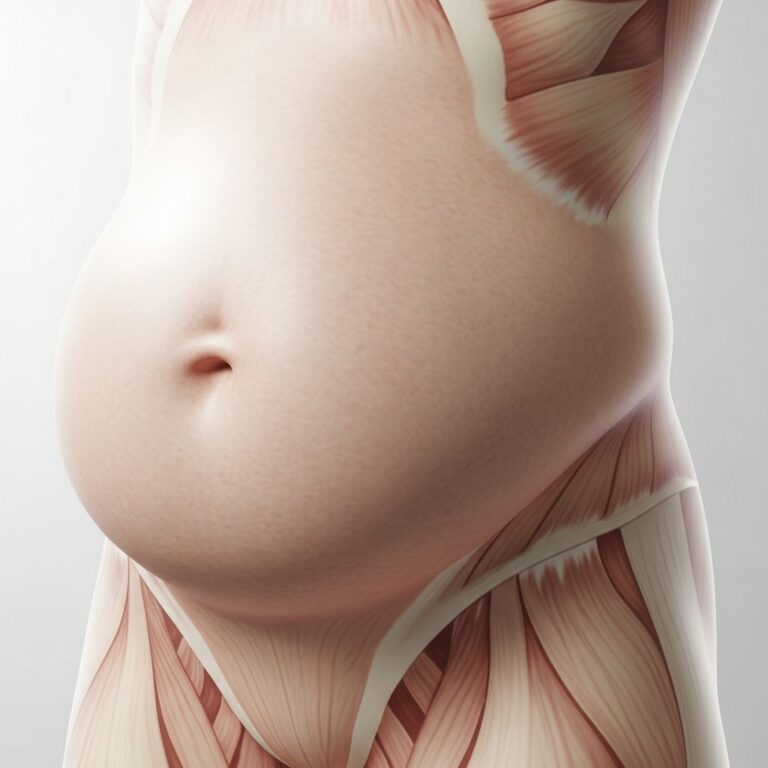
There are different types of hiatal hernias, with sliding hiatal hernias being the most common. If you only have a sliding hiatal hernia, you probably won’t feel the hernia itself, and you won’t see an external bulge like you might with other types of hernias.
Common Hiatal Hernia Symptoms
When hiatal hernias do cause symptoms, they often relate to chronic acid reflux and gastroesophageal reflux disease (GERD). Understanding these common symptoms can help you recognize whether you might have a hiatal hernia and when to seek medical attention.
Heartburn and Acid Reflux
Heartburn is the most characteristic symptom of a hiatal hernia, defined as a burning sensation in the retrosternal area (the area behind your breastbone). This symptom is often worse when bending over or lying down, as gravity allows stomach acid to flow more easily into your esophagus.
Weekly heartburn episodes are reported in 2–7% of patients with GERD, and these episodes occur during sleep 25% of the time. The burning sensation can range from mild discomfort to severe pain, and many people experience heartburn for years before seeking a diagnosis.
Regurgitation
Food regurgitation is another common symptom where stomach contents flow backward into your esophagus and throat. This regurgitation may leave a bitter or sour taste in your mouth. Large hiatal hernias can present with frequent regurgitation, which may significantly impact quality of life and nutritional intake.
Difficulty Swallowing
Dysphagia (difficulty swallowing) can occur with hiatal hernias, particularly larger ones. You might feel like food is getting stuck or moving slowly through your esophagus. This symptom requires medical evaluation, as it can sometimes indicate a more serious condition.
Chest and Abdominal Pain
Chest pain associated with a hiatal hernia can be concerning because it may feel similar to heart attack symptoms. The pain typically stems from acid irritation of your esophagus, which runs through your chest up to your throat. You may feel the pain higher or lower in your chest, or it may radiate throughout the area.
Related Stories



In patients with hiatal hernias presenting with acute chest pain, it’s important to rule out acute coronary syndromes and acute aortic syndromes through proper medical evaluation. Outside of these cardiovascular emergencies, GERD is the most common contributing factor for chest pain, with up to 25% of patients experiencing chest pain of noncardiac origin.
Abdominal pain or discomfort in the epigastrium (upper abdomen) is also common. Patients often describe this as a full or heavy feeling that may be relieved with vomiting or regurgitation.
Gastrointestinal Obstructive Symptoms
Beyond reflux symptoms, hiatal hernias can cause obstructive symptoms related to how the hernia affects stomach function:
- Early satiety: Feeling full soon after you start eating, often limiting oral nutrition and leading to weight loss
- Nausea and vomiting: Feeling sick to your stomach, which may be relieved by vomiting
- Bloating: A persistent feeling of fullness and abdominal distention
- Postprandial fullness: Excessive fullness in the chest or epigastrium after eating
- Burping or hiccupping: Frequent belching and involuntary diaphragm contractions
These obstructive symptoms can be exacerbated with oral intake and may significantly impact eating patterns and nutritional status. In some cases, hiatal hernias can lead to more serious complications such as gastric outlet obstruction, secondary gastric volvulus, intestinal obstruction and ischemia, and gastrointestinal bleeding.
Respiratory and Throat-Related Symptoms
As a hiatal hernia enlarges and more stomach or additional abdominal structures move into the mediastinum (the space in the chest between the lungs), respiratory manifestations may become more prominent. Non-gastrointestinal symptoms become more frequent with larger hernias.
- Shortness of breath or dyspnea: Difficulty breathing, especially during exertion
- Difficulty breathing: More severe respiratory compromise in cases of large hernias
- Sore or irritated throat: Irritation from repeated acid exposure
- Hoarseness: A raspy or strained voice due to throat irritation
- Recurrent respiratory infections: Increased susceptibility to infections due to aspiration of stomach contents
Typical pulmonary presentations consist of dyspnea, dyspnea on exertion, and atelectasis (collapsed lung tissue) as a result of pulmonary compression. In rare cases, pulmonary fibrosis has been associated with hiatal hernias, likely due to the increased prevalence of GERD and aspirated stomach acid damaging lung tissue.
Sleep Disturbances
Many people with hiatal hernias experience significant sleep problems. Surveys report a prevalence of sleep disturbance ranging from 23–81% in patients with heartburn and regurgitation. Breakthrough symptoms often occur at night, where people wake up in the middle of the night with acid reflux sensations in the back of the throat. This nighttime reflux can be particularly problematic because aspirating stomach contents while lying down poses additional risks.
Cardiac Symptoms and Arrhythmias
While rare, hiatal hernias can present with cardiac manifestations. Hiatal hernias have been associated with an increased prevalence of atrial fibrillation, a type of irregular heartbeat. In large population-based studies, hiatal hernias were associated with increased frequency of atrial fibrillation across all age groups, but particularly in younger patients. Men and women under age 55 with hiatal hernias showed a 17.5-fold and 19-fold increase in atrial fibrillation, respectively, compared to the general population.
This association is thought to result from compression of the left atrium as the enlarged hernia moves into the chest cavity. It’s important to note that compression symptoms may explain cardiac symptoms, but any chest pain or irregular heartbeat should be evaluated by a healthcare provider to rule out primary cardiac conditions.
Other Symptoms to Watch For
Additional symptoms that may accompany hiatal hernias include:
- Bad breath: Often resulting from acid reflux and poor esophageal clearance
- Upset stomach: General gastrointestinal discomfort
- Iron deficiency anemia: An atypical manifestation that can result from chronic gastrointestinal bleeding, particularly from Cameron lesions (ulcerations in the stomach)
When Symptoms Get Worse
Certain activities and positions can worsen hiatal hernia symptoms. You might experience increased pain when:
- Bending over or leaning forward
- Lying down, especially shortly after eating
- Coughing or straining
- Lifting something heavy
- Eating large meals or certain trigger foods
Understanding your personal symptom triggers can help you manage the condition through lifestyle modifications and dietary changes.
Hiatal Hernia vs. GERD: Key Differences
Many people confuse hiatal hernias with GERD, and understandably so—they share many symptoms. However, they are distinct conditions, though closely related. GERD is the most common contributing factor to symptoms in patients with hiatal hernias.
A hiatal hernia is a structural problem—part of your stomach physically protrudes through your diaphragm. GERD is a functional disorder where stomach acid repeatedly flows backward into your esophagus. While hiatal hernias can cause GERD, not all people with GERD have hiatal hernias, and not all people with hiatal hernias have GERD symptoms.
The challenge is that symptoms can be identical, making diagnosis difficult based on history alone. If you experience chronic heartburn, regurgitation, or related symptoms, your doctor may need to perform imaging tests to determine whether a hiatal hernia is responsible.
When to Seek Medical Attention
While most hiatal hernias are not serious and many cause no symptoms at all, certain situations warrant medical evaluation:
- Chronic heartburn or reflux that interferes with daily life or sleep
- Chest pain, especially if it feels like a heart attack—always seek immediate emergency care if you suspect cardiac issues
- Difficulty swallowing that persists or worsens
- Unexplained weight loss due to early satiety or difficulty eating
- Signs of gastrointestinal bleeding (black or bloody stools)
- Severe or worsening respiratory symptoms
- Symptoms that don’t respond to lifestyle changes or over-the-counter medications
A larger hiatal hernia could eventually become serious, and you’d probably have symptoms if you had a larger one. Regular monitoring and appropriate treatment can help prevent complications.
Symptom Management and Lifestyle Modifications
Once diagnosed, many hiatal hernia symptoms can be managed through conservative approaches:
- Eating smaller, more frequent meals instead of large meals
- Avoiding trigger foods that worsen acid reflux
- Staying upright after eating for at least 2-3 hours
- Elevating the head of your bed while sleeping
- Avoiding bending over or lying down immediately after eating
- Managing stress, which can worsen reflux symptoms
- Taking prescribed or over-the-counter medications as recommended
With proper care, you can reduce or eliminate symptoms and improve your quality of life.
Frequently Asked Questions
Q: Can you feel a hiatal hernia?
A: Most people cannot feel a hiatal hernia itself. If you only have a sliding hiatal hernia, which is most common, you probably won’t feel it, and you won’t see an external bulge. You might only feel discomfort related to acid reflux symptoms rather than the hernia structure itself.
Q: Do all hiatal hernias cause symptoms?
A: No. Many people never have symptoms of hiatal hernias. In fact, the true incidence and prevalence of hiatal hernia is difficult to quantify because many patients remain asymptomatic and undiagnosed. You may never know that you have one unless imaging tests are performed for other reasons.
Q: Can hiatal hernia symptoms feel like a heart attack?
A: Yes. The chest pain associated with GERD related to hiatal hernias can be indistinguishable from ischemic cardiac pain and can occur without accompanying heartburn or regurgitation. This is why any chest pain should be evaluated by a healthcare provider to rule out serious cardiac conditions.
Q: Is a hiatal hernia serious?
A: Most hiatal hernias aren’t serious and don’t even cause symptoms. However, a larger hernia could eventually become serious. The most common problem that hiatal hernias cause is chronic acid reflux, which can damage your esophagus over time if severe and not well-managed with medications.
Q: What is the difference between a hiatal hernia and GERD?
A: A hiatal hernia is a structural problem where part of your stomach protrudes through your diaphragm. GERD is a functional disorder where stomach acid flows backward into your esophagus. While hiatal hernias can cause GERD, they are distinct conditions, though closely associated. The incidence of symptomatic hiatal hernias appears linked to GERD diagnosis.
Q: Can hiatal hernias cause respiratory problems?
A: Yes. As a hiatal hernia enlarges and moves into the chest cavity, respiratory manifestations may predominate. Typical pulmonary symptoms include dyspnea and difficulty breathing as a result of pulmonary compression. This occurs more commonly with larger hernias.
Q: Are hiatal hernia symptoms worse at night?
A: Many people experience breakthrough symptoms at night, waking up in the middle of the night with acid sensations in the back of their throat. Surveys report sleep disturbance ranging from 23–81% in patients with heartburn and regurgitation associated with hiatal hernias. Symptoms are typically worse when lying down because gravity cannot help prevent stomach acid from flowing into the esophagus.
References
- Atypical and typical manifestations of the hiatal hernia — Goodwin et al., Annals of Esophageal Diseases. 2022. https://ales.amegroups.org/article/view/6254/html
- Hiatal hernia — MedlinePlus Medical Encyclopedia, U.S. National Library of Medicine. 2024. https://medlineplus.gov/ency/article/001137.htm
- The Connection Between Hiatal Hernias and GERD — Banner Health. 2024. https://www.bannerhealth.com/healthcareblog/teach-me/do-i-have-a-hiatal-hernia
- Hiatal Hernia: What It Is, Symptoms, Treatment & Surgery — Cleveland Clinic. 2024. https://my.clevelandclinic.org/health/diseases/8098-hiatal-hernia
- The management of hiatal hernia: an update on diagnosis and treatment — National Institutes of Health, PubMed Central. 2019. https://pmc.ncbi.nlm.nih.gov/articles/PMC6853045/
- Understanding Hiatal Hernias — Penn State Health. 2024. https://www.youtube.com/watch?v=gqsU42X7OG4
- Hiatal Hernia — Cedars-Sinai. 2024. https://www.cedars-sinai.org/health-library/diseases-and-conditions/h/hiatal-hernia.html
Similar Articles








Read full bio of Sneha Tete