Hiatal Hernia Treatment: Complete Guide To Relief And Repair
Explore comprehensive treatments for hiatal hernia, from lifestyle changes and medications to advanced surgical options for lasting relief.
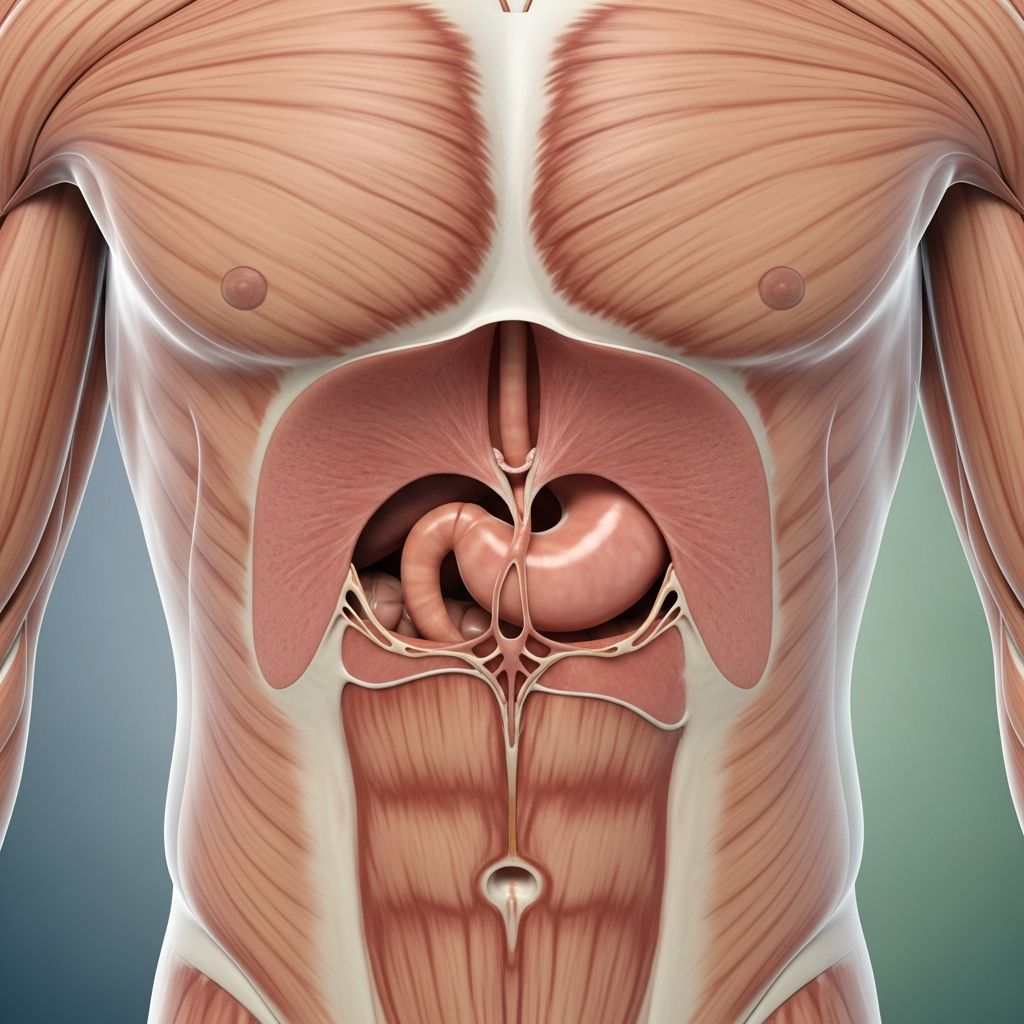
A hiatal hernia occurs when part of the stomach pushes through the diaphragm into the chest cavity, often leading to gastroesophageal reflux disease (GERD) symptoms like heartburn and regurgitation. Treatment focuses on symptom relief, preventing complications, and repairing the hernia in severe cases.
What Is a Hiatal Hernia?
The diaphragm is a muscle separating the chest from the abdomen, with a small opening (hiatus) for the esophagus. In a hiatal hernia, the upper stomach protrudes through this hiatus. There are four types: Type I (sliding, most common, ~95% of cases), Types II-IV (paraesophageal, where stomach parts roll into the chest, riskier).
Many hiatal hernias are asymptomatic, discovered incidentally during imaging. Symptomatic cases cause acid reflux, chest pain, difficulty swallowing, or rarely, obstruction. Risk factors include obesity, age over 50, smoking, and pregnancy.
Symptoms of Hiatal Hernia
- Heartburn or acid reflux, especially after meals or lying down
- Regurgitation of food or sour liquid
- Chest pain mimicking heart issues
- Difficulty swallowing (dysphagia)
- Bloating, belching, or nausea
- For paraesophageal hernias: severe pain, vomiting, or shortness of breath if volvulus occurs
Symptoms worsen with large meals, bending, or straining. Complications include esophagitis, Barrett’s esophagus, anemia from bleeding, or strangulation (rare but emergency).
Diagnosis of Hiatal Hernia
Diagnosis starts with history and physical exam. Key tests include:
- Upper endoscopy (EGD): Visualizes hernia, assesses esophagus damage
- Barium swallow X-ray: Shows hernia size and type during swallowing
- Esophageal manometry: Measures muscle function, crucial pre-surgery
- pH monitoring: Confirms GERD by tracking acid exposure
- CT scan: For large or complicated hernias
Accurate typing guides treatment: Type I managed medically; Types II-IV often surgically.
Lifestyle Changes for Hiatal Hernia
First-line treatment for mild symptoms involves non-drug measures to reduce reflux.
- Weight loss: Even 10% reduction decreases pressure on the stomach
- Diet modifications: Avoid triggers like spicy foods, chocolate, caffeine, alcohol, citrus, carbonated drinks. Eat small, frequent meals; no eating 2-3 hours before bed
- Positional changes: Elevate bed head 6-8 inches; avoid lying down post-meal
- Quit smoking: Reduces lower esophageal sphincter relaxation
- Clothing and habits: Loose clothes, no tight belts; chew gum to increase saliva
These changes control symptoms in 70-80% of Type I cases without meds.
Medications for Hiatal Hernia
For persistent GERD symptoms, medications suppress acid and aid motility (though prokinetics lack strong evidence).
| Medication Type | Examples | Purpose | Notes |
|---|---|---|---|
| Antacids | Tums, Rolaids, Pepto-Bismol | Neutralize stomach acid | For occasional use; not long-term |
| H2 blockers | Famotidine (Pepcid), Ranitidine | Reduce acid production | Moderate relief; faster than PPIs |
| Proton Pump Inhibitors (PPIs) | Omeprazole (Prilosec), Esomeprazole (Nexium) | Strong acid suppression | First-line for daily use; 8-week trial, then twice daily if needed |
| Prokinetics | Metoclopramide | Improve motility | Not recommended due to lack of efficacy evidence |
PPIs heal esophagitis in 90% of patients but don’t shrink the hernia or stop regurgitation. Long-term use risks bone fractures, infections; taper under guidance.
Related Stories



When Is Surgery Needed for Hiatal Hernia?
Surgery is indicated for:
- Failed medical therapy with persistent symptoms
- Paraesophageal hernias (Types II-IV) due to strangulation risk
- Large Type I (>3cm) with complications like Barrett’s
- Young patients avoiding lifelong PPIs
- Obesity with bariatric surgery combo
SAGES 2013 guidelines (still current) recommend against repairing asymptomatic Type I hernias. Urgent surgery for volvulus or obstruction.
Hiatal Hernia Surgery Options
Laparoscopic repair is gold standard (90% success), minimally invasive via small incisions.
Fundoplication Procedures
- Nissen (360° wrap): Full stomach wrap around esophagus; ideal for normal motility
- Toupet (270° posterior): Partial wrap for dysmotility, reduces gas bloat
Repair involves pulling stomach below diaphragm, closing hiatus (sutures or mesh), and fundoplication to reinforce lower esophageal sphincter.
Mesh Reinforcement
Biologic/synthetic mesh reduces short-term recurrence (up to 12 months) vs. sutures alone, but long-term benefits unclear. Surgeon discretion advised.
Other Approaches
- Robotic-assisted: Enhanced precision, similar outcomes to laparoscopic
- Open surgery: Rare, for huge hernias or prior failures
- Endoscopic therapies: Emerging, like transoral incisionless fundoplication (TIF); limited data
- With bariatrics: Safe combo with sleeve gastrectomy for obese GERD patients
Recovery After Hiatal Hernia Surgery
Hospital stay: 1-2 days for laparoscopic. Diet progression: liquids to soft foods over weeks. Full recovery 2-6 weeks; avoid heavy lifting 4-6 weeks. Success: 90% symptom-free, off meds. Recurrence ~50% long-term, often asymptomatic; reoperation if needed. Complications (5-10%): dysphagia, gas bloat, infection.
Hiatal Hernia Treatment by Type
| Hernia Type | First-Line Treatment | Second-Line |
|---|---|---|
| Type I (Sliding) | PPI once/twice daily (8 weeks) | Laparoscopic fundoplication |
| Types II-IV (Paraesophageal) | Surgery (fundoplication) | PPI/H2 blockers for symptoms |
Outlook and Prevention
Most symptoms resolve with treatment. Prevention: maintain healthy weight, avoid smoking, manage GERD early. Regular follow-up post-surgery monitors recurrence.
Frequently Asked Questions (FAQs)
What is the success rate of hiatal hernia surgery?
Hiatal hernia surgery achieves about 90% success, allowing most patients to stop reflux medications.
Can hiatal hernia be cured without surgery?
Mild cases yes, via lifestyle and meds; hernias don’t resolve spontaneously but symptoms can be managed lifelong.
Is mesh always used in hiatal hernia repair?
No, optional for recurrence risk reduction short-term; long-term data lacking.
How long does recovery take after laparoscopic fundoplication?
1-2 days hospital, 2-6 weeks full recovery.
Are PPIs safe long-term for hiatal hernia?
Effective but monitor for side effects like fractures; not curative.
References
- The management of hiatal hernia: an update on diagnosis and treatment — Antoniou SA et al. Annals of Laparoscopic and Endoscopic Surgery. 2019-11-29. https://pmc.ncbi.nlm.nih.gov/articles/PMC6853045/
- Hiatal hernia — MedlinePlus Medical Encyclopedia. U.S. National Library of Medicine. 2023-10-01. https://medlineplus.gov/ency/article/001137.htm
- Hiatal Hernia: What It Is, Symptoms, Treatment & Surgery — Cleveland Clinic. 2023-07-12. https://my.clevelandclinic.org/health/diseases/8098-hiatal-hernia
Similar Articles








Read full bio of medha deb