Hib Vaccine: Complete Guide For Parents And Caregivers
Comprehensive guide to the Haemophilus influenzae type b vaccine: protection, schedules, safety, and benefits for children.
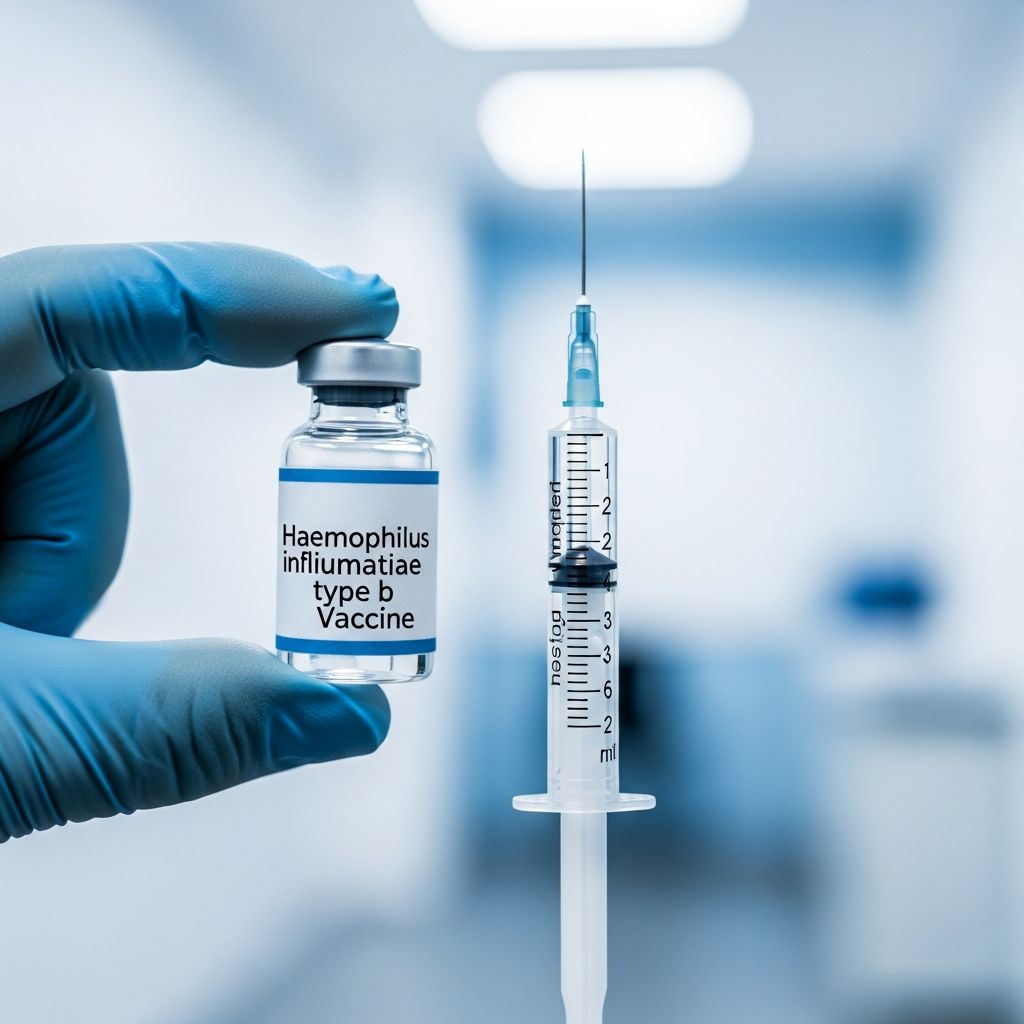
The Haemophilus influenzae type b (Hib) vaccine is a critical tool in preventing severe bacterial infections that primarily affect young children. This conjugate vaccine targets the Hib strain, which can lead to life-threatening conditions such as meningitis, pneumonia, and epiglottitis.
Understanding Haemophilus Influenzae Type B
Haemophilus influenzae type b is a gram-negative bacterium characterized by its polysaccharide capsule made of polyribosyl ribitol phosphate (PRP). Despite its name, it does not cause influenza but rather invasive diseases that were once a leading cause of childhood meningitis before widespread vaccination. In the pre-vaccine era, Hib infections were responsible for significant morbidity and mortality, particularly in children under five years old.
The bacterium spreads through respiratory droplets and can invade the bloodstream, leading to rapid progression of illness. Globally, Hib disease has declined by over 90% in countries with routine immunization programs, underscoring the vaccine’s transformative impact.
How the Hib Vaccine Works
The Hib vaccine employs a conjugate mechanism, where the PRP polysaccharide from the bacterial capsule is chemically linked to a carrier protein such as tetanus toxoid, diphtheria toxoid, or meningococcal outer membrane protein. This conjugation shifts the immune response from T-cell independent to T-cell dependent, enabling robust antibody production even in infants under two years old, who previously responded poorly to plain polysaccharide vaccines.
Upon injection, the vaccine stimulates B cells to produce anti-PRP antibodies with T-cell assistance via MHC class II presentation. This results in long-lasting immunity, with clinical efficacy rates of 95-100% in fully vaccinated children. Different formulations include PRP-OMP (meningococcal protein conjugate), which allows a simpler two-dose primary series, and PRP-T (tetanus toxoid conjugate), requiring three doses.
Diseases Prevented by the Hib Vaccine
- Meningitis: Inflammation of the brain and spinal cord membranes, a hallmark Hib disease causing seizures, hearing loss, or neurological damage.
- Pneumonia: Severe lung infection leading to respiratory failure in young children.
- Epiglottitis: Swelling of the epiglottis that obstructs airways, historically a medical emergency.
- Septicemia: Bloodstream infection that can progress to shock.
- Other invasive infections: Including cellulitis, arthritis, and pericarditis.
Notably, the vaccine protects against all manifestations of Hib disease but not non-typeable or other serotype strains of H. influenzae.
Recommended Vaccination Schedules
Health authorities like the CDC recommend Hib vaccination for all children under five years. Schedules vary by vaccine type and are designed to ensure immunity before peak disease risk.
| Vaccine Type | Primary Series | Booster |
|---|---|---|
| PRP-T (e.g., tetanus toxoid conjugate) | 2, 4, 6 months | 12-15 months |
| PRP-OMP (e.g., meningococcal conjugate) | 2, 4 months | 12-15 months |
Doses must be spaced at least four weeks apart, starting no earlier than six weeks of age. A booster is essential as primary series immunity wanes.
Catch-Up and Special Schedules
For delayed vaccination:
- Children 7-11 months: 2-3 doses + booster.
- 12-14 months: 2 doses, one at least 2 months before 15 months.
- 15-59 months: 1 dose if unvaccinated.
High-risk groups, such as those with HIV, asplenia, or post-stem cell transplant, require tailored regimens, often including additional doses. Healthy children over five years typically do not need vaccination.
Safety Profile and Side Effects
Hib vaccines are highly safe, with minor local reactions like pain, redness, or swelling at the injection site occurring in 5-30% of recipients, resolving within 1-2 days. Systemic effects such as fever or irritability are uncommon (under 10%), and serious adverse events are rare.
The vaccine is administered intramuscularly, often combined with other childhood vaccines like DTaP or IPV. Contraindications include severe allergic reaction to a prior dose or components. Precautions apply in moderate to severe acute illness. No evidence links Hib vaccines to increased risk of autoimmune diseases or other long-term issues.
Related Stories



Monitoring After Vaccination
Observe for immediate hypersensitivity (within 15-30 minutes). Parents should watch for fever or unusual irritability for 24-48 hours. Vaccine Information Statements (VIS) must be provided before each dose.
Who Should Receive the Hib Vaccine?
- All infants starting at 2 months.
- Catch-up for unvaccinated children under 5 years.
- High-risk older children/adults: HIV-positive 5-18 years (1 dose); asplenic patients pre-surgery; post-transplant recipients.
Pregnant individuals do not routinely receive it, as it’s not indicated for maternal immunization.
Global Impact and Effectiveness
Since introduction, Hib vaccines have averted millions of cases. In the US, invasive Hib disease dropped over 99% post-1990s. EU/EEA countries include it in routine schedules, mirroring global reductions. Efficacy exceeds 95% against invasive disease, with immunogenicity over 95% in infants.
Common Myths and Facts
| Myth | Fact |
|---|---|
| Hib vaccine causes Hib disease. | The vaccine uses inactivated components and cannot cause infection. |
| It’s only needed for high-risk kids. | Routine for all under 5 years due to universal risk. |
| One dose is enough. | Full series + booster required for protection. |
Frequently Asked Questions (FAQs)
What age is the Hib vaccine given?
Starting at 2 months, with doses up to 15 months.
Can the Hib vaccine be combined with others?
Yes, often in combo vaccines like Pentacel or Vaxelis.
Is the Hib vaccine live or inactivated?
Inactivated conjugate vaccine; no live bacteria.
What if my child misses a dose?
Catch-up schedules ensure protection; consult a provider.
Does Hib vaccine protect against flu?
No, it targets bacterial Hib, not influenza virus.
Importance in Childhood Immunization Programs
Incorporating Hib vaccine into national schedules has revolutionized pediatric health. It exemplifies conjugate vaccine technology’s success, paving the way for similar vaccines against pneumococcus and meningococcus. Parents and caregivers play a key role by adhering to schedules, reducing herd immunity gaps.
Consult healthcare providers for personalized advice, especially in travel to endemic areas where Hib remains prevalent.
References
- Haemophilus influenzae type b (Hib) Vaccine Injection — Cleveland Clinic. 2023. https://my.clevelandclinic.org/health/drugs/18834-haemophilus-influenzae-type-b-conjugate-vaccine-injection
- Hib vaccine — Wikipedia (citing primary sources). 2024. https://en.wikipedia.org/wiki/Hib_vaccine
- Haemophilus influenzae type b — Institute for Vaccine Safety, Johns Hopkins. 2023. https://www.vaccinesafety.edu/haemophilus-influenzae-type-b/
- Haemophilus influenzae Type b Vaccine — StatPearls, NCBI Bookshelf. 2023-10-30. https://www.ncbi.nlm.nih.gov/books/NBK553112/
- Hib Vaccine for Kids — Nemours KidsHealth. 2024. https://kidshealth.org/en/parents/hib-vaccine.html
- Hib Vaccination — Centers for Disease Control and Prevention (CDC). 2024. https://www.cdc.gov/hi-disease/vaccines/index.html
- Haemophilus influenzae type b (Hib) Vaccine VIS — Immunize.org. 2021-08-12. https://www.immunize.org/wp-content/uploads/vis/hib.pdf
Similar Articles








Read full bio of medha deb