Hibiscus Tea Benefits: 7 Clinically Proven Health Effects
Discover the science-backed health benefits of hibiscus tea, from lowering blood pressure to boosting antioxidants and supporting heart health.
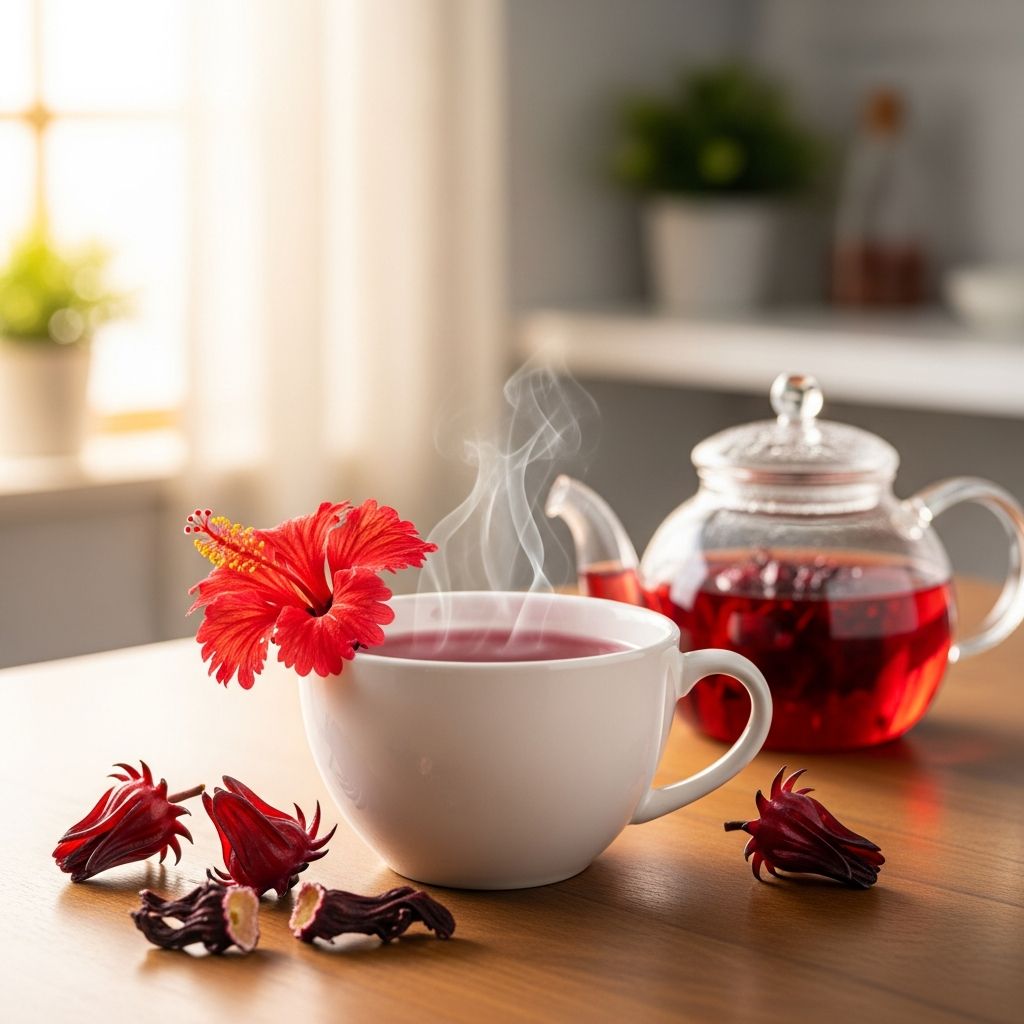
Hibiscus tea, made from the calyces of the Hibiscus sabdariffa plant, is a tart, caffeine-free herbal infusion with a vibrant ruby color and cranberry-like flavor. Rich in antioxidants and bioactive compounds, it has been used traditionally in Africa, Asia, and the Caribbean for centuries to support health. Modern research highlights its potential to lower blood pressure, improve cholesterol profiles, protect the liver, and more. This article examines the key benefits, supported by clinical evidence, while noting limitations in current studies.
What Is Hibiscus Tea?
Hibiscus tea is brewed by steeping dried hibiscus calyces— the sepals surrounding the flower— in hot water. Unlike true tea from the Camellia sinensis plant, it contains no caffeine, making it suitable for evening consumption. Its tart taste comes from organic acids like citric and malic acid, while its deep red hue derives from anthocyanins, potent antioxidants.
Originating from tropical regions, hibiscus has been cultivated for food, medicine, and fiber. Today, it’s popular worldwide as a refreshing drink, often sweetened or mixed with fruits. Nutritionally, one cup (240 ml) provides vitamin C (about 18% DV), minerals like iron and calcium, and polyphenols that drive its health effects.
Potential Health Benefits of Hibiscus Tea
1. Packed With Antioxidants
Hibiscus tea is loaded with antioxidants, including anthocyanins, polyphenols, and flavonoids, which neutralize free radicals—unstable molecules that damage cells and contribute to aging, cancer, and chronic diseases. A study in people with Marfan syndrome found hibiscus extract reduced oxidative stress and boosted blood antioxidant levels. These compounds combat inflammation and protect against oxidative damage linked to heart disease, diabetes, and neurodegeneration.
2. May Help Lower Blood Pressure
One of the most studied benefits is hibiscus tea’s ability to reduce blood pressure, a major risk factor for heart disease and stroke. A meta-analysis of randomized trials showed hibiscus significantly lowered systolic blood pressure by 7.10 mmHg compared to placebo or other teas (95% CI: -13.00 to -1.20; p=0.02). In a trial of 46 adults with hypertension, daily hibiscus tea for one month decreased both systolic and diastolic readings more than placebo. Cleveland Clinic notes it affects nearly half of U.S. adults with high blood pressure.
3. May Help Improve Blood Fat Levels (Cholesterol)
Hibiscus may improve lipid profiles by raising HDL (good) cholesterol and lowering LDL (bad), total cholesterol, and triglycerides. In a 2009 study of 60 diabetics, hibiscus tea for one month increased HDL and reduced LDL/triglycerides versus black tea. A 2022 review confirmed it outperforms other teas in lowering LDL. Another trial with high-cholesterol participants drinking hibiscus twice daily for 15 days boosted HDL. Subgroup analysis from a meta-review showed total cholesterol reductions of 11.07 mg/dL versus other beverages.
4. May Boost Liver Health
The liver processes toxins, produces proteins, and metabolizes fats; hibiscus supports its function. A 2014 study in 19 overweight adults found 12 weeks of hibiscus extract improved liver steatosis (fat buildup). Animal studies confirm reduced liver damage markers and better fatty liver outcomes in high-fat diet models. Human trials on tea specifically are limited, but extracts suggest protective effects against non-alcoholic fatty liver disease.
5. Supports Healthy Weight Management
Hibiscus may aid weight loss by blocking fat absorption and improving metabolism. Test-tube and animal studies show it inhibits fat accumulation and promotes fat breakdown. A human trial linked it to reduced body fat in overweight individuals, though more research is needed. Its diuretic properties may also reduce bloating.
Related Stories



6. May Help Fight Bacteria
Hibiscus exhibits antibacterial properties against pathogens like E. coli and Staphylococcus aureus. Lab studies demonstrate it disrupts bacterial cell walls, potentially aiding urinary tract infections and oral health. Traditional use includes it as a mouthwash for gingivitis.
7. Other Potential Benefits
- Immune Support: High in vitamin C, which enhances white blood cell function and collagen synthesis for wound healing and iron absorption.
- Anti-Cancer Effects: Polyphenols inhibited cancer cell growth (e.g., mouth, prostate, stomach) in test-tube studies by up to 52%.
- Anti-Inflammatory: Reduces markers linked to arthritis, cancer, and heart disease.
- Bone and Blood Health: Vitamin K aids clotting and bone metabolism; minerals like copper support immunity.
How to Make Hibiscus Tea
Brewing is simple: Use 1-2 teaspoons of dried hibiscus calyces per cup of boiling water. Steep 5-10 minutes for stronger flavor and benefits. Strain and serve hot or iced. Enhance with lemon, ginger, cinnamon, or honey. Aim for 2-3 cups daily for potential effects, but consult a doctor for medicinal use.
Nutrition Facts (Per 8 oz Cup, Unsweetened)
| Nutrient | Amount | % Daily Value |
|---|---|---|
| Calories | 0 | 0% |
| Vitamin C | 4.6 mg | 5% |
| Iron | 0.5 mg | 3% |
| Calcium | 8 mg | 1% |
| Antioxidants (Polyphenols) | High | – |
Values approximate; varies by brand.
Are There Hibiscus Tea Side Effects?
Generally safe in moderation (up to 3 cups/day), but potential issues include:
- Low Blood Pressure: May enhance effects of antihypertensive drugs.
- Estrogenic Effects: Avoid if pregnant, breastfeeding, or with hormone-sensitive conditions (e.g., breast cancer).
- Drug Interactions: With chloroquine (malaria drug), diabetes meds (lowers blood sugar), or acetaminophen (affects liver processing).
- Stomach Upset: Tartness may irritate sensitive stomachs; dilute if needed.
Those with low blood pressure or on medications should consult healthcare providers.
Frequently Asked Questions (FAQs)
Is hibiscus tea good for high blood pressure?
Yes, studies show it lowers systolic and diastolic pressure, especially in mildly hypertensive individuals.
Does hibiscus tea help with weight loss?
It may support weight management by blocking fat absorption, but evidence is preliminary; combine with diet and exercise.
Can I drink hibiscus tea every day?
Up to 3 cups daily is typically safe for most adults, providing antioxidants without caffeine.
Is hibiscus tea acidic?
Yes, due to citric acid; use a straw to protect tooth enamel.
Who should avoid hibiscus tea?
Pregnant women, those on blood pressure/diabetes meds, or with hormone-related issues.
References
- Hibiscus Tea Benefits: 13 Reasons Your Body Loves It — My Tea Drop. 2023. https://www.myteadrop.com/blogs/news/hibiscus-tea-benefits
- 8 Benefits of Hibiscus Tea — Healthline. 2023-10-24. https://www.healthline.com/nutrition/hibiscus-tea-benefits
- A systematic review and meta-analysis of the effects of Hibiscus sabdariffa — PMC/NCBI. 2022-04-28. https://pmc.ncbi.nlm.nih.gov/articles/PMC9086798/
- Hibiscus Tea: Is It Good for You? — WebMD. 2024. https://www.webmd.com/diet/hibiscus-tea-is-it-good-for-you
- 7 Benefits of Hibiscus Tea — Cleveland Clinic. 2023-07-12. https://health.clevelandclinic.org/benefits-of-hibiscus
- Hibiscus tea: Health benefits and risks — Medical News Today. 2023. https://www.medicalnewstoday.com/articles/318120
Similar Articles








Read full bio of medha deb