Hibiscus Water Benefits: 7 Science-Backed Health Perks
Discover the science-backed health benefits of hibiscus water, from blood pressure support to antioxidant protection and weight management.
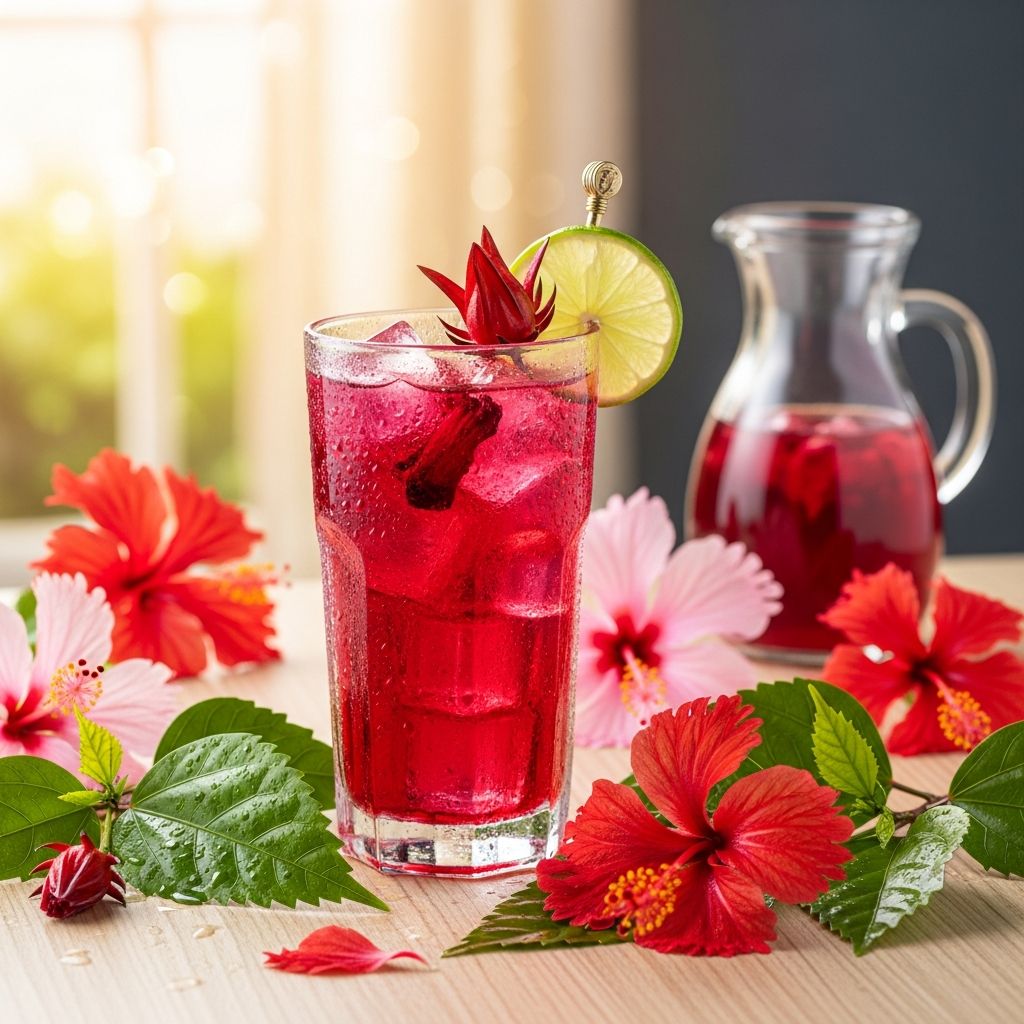
Hibiscus water, made by infusing water with the tart, crimson calyces of the hibiscus plant (Hibiscus sabdariffa), has gained popularity as a refreshing beverage with promising health effects. Rich in antioxidants, vitamins, and bioactive compounds, it may support heart health, liver function, digestion, and weight management. Research, including human clinical trials, highlights its potential, though more studies are needed for definitive recommendations.
What Is Hibiscus Water?
Hibiscus water is a simple infusion prepared by steeping dried hibiscus calyces— the sepals surrounding the plant’s flower— in hot or cold water. Native to tropical regions like Africa and Asia, hibiscus has been used traditionally in cultures worldwide for its cooling properties and medicinal benefits. In Egypt and Sudan, it’s consumed to maintain body temperature and support heart health. Europeans have used it for respiratory support and circulation. Today, it’s enjoyed plain, sweetened, or mixed with fruits for a tangy, cranberry-like flavor.
Nutritionally, hibiscus is low in calories but packed with vitamin C, which aids collagen formation, iron absorption, and immune function. Its phytochemicals, including anthocyanins and polyphenols, drive many of its health effects. Unlike tea, hibiscus water is naturally caffeine-free, making it ideal for daily hydration.
7 Science-Backed Benefits of Hibiscus Water
Emerging research supports several benefits of hibiscus water, primarily from studies on hibiscus tea or extracts, which share similar compositions. Here’s a breakdown:
1. Packed With Antioxidants
Hibiscus water is loaded with powerful antioxidants like anthocyanins, flavonoids, and polyphenols that combat free radicals—unstable molecules linked to cell damage, aging, and chronic diseases. A study in people with Marfan syndrome found hibiscus infusion reduced oxidative stress and boosted blood antioxidant levels. These compounds may protect against heart disease, cancer, and inflammation. Daily consumption could enhance overall cellular protection.
2. May Lower Blood Pressure
High blood pressure affects nearly half of U.S. adults and raises risks for heart disease and stroke. Multiple trials show hibiscus water effectively lowers systolic and diastolic pressure. In one study, patients drinking hibiscus tea twice daily for 42 days saw 61.8% reach target blood pressure below 140/90 mmHg, thanks to anthocyanins and hibiscus acid’s ACE-inhibitory effects. Its high potassium content may also promote vasorelaxation.
3. Supports Healthy Cholesterol Levels
Hibiscus may improve blood fat profiles, reducing heart disease risk. A trial in people with diabetes found one month of hibiscus tea raised HDL (good) cholesterol while lowering total cholesterol, LDL, and triglycerides. Another study in metabolic syndrome patients noted similar improvements with hibiscus extract. A 2022 review confirmed it outperforms other teas in lowering LDL. Water-soluble fibers and antioxidants contribute to these effects.
4. Promotes Liver Health
The liver detoxifies the body, but fat accumulation (steatosis) can impair it. Hibiscus extract improved liver steatosis in overweight individuals after 12 weeks. Animal studies show it reduces liver damage markers and fatty liver from high-fat diets. Antioxidants like polyphenols shield the liver from oxidative stress. Human tea studies are limited, but extracts suggest promise.
Related Stories



5. Aids Weight Management
Hibiscus may block fat absorption and boost metabolism via polyphenols. A 12-week double-blind trial with hibiscus powder capsules reduced waist circumference, body fat percentage, and improved fatty liver more than placebo. Small human studies link it to lower BMI and body fat. Its diuretic effects also reduce bloating.
6. Antibacterial and Anti-Inflammatory Effects
Hibiscus extract inhibits bacteria like E. coli, potentially easing UTIs and gut issues. Test-tube studies show it matches some antibiotics against multiple strains. It also fights inflammation implicated in cancer, arthritis, and heart disease. Kidney studies note diuretic benefits for fluid removal.
7. Supports Digestion and Respiratory Health
Its natural acids stimulate digestion, relieve constipation, and support gut microbiome. Diuretic properties aid kidney function and reduce bloating. Traditionally, it’s used for upper respiratory health and skin soothing.
How to Make Hibiscus Water
Preparing hibiscus water is easy and customizable:
- Hot brew: Steep 1-2 teaspoons dried calyces per cup boiling water for 5-10 minutes. Strain and serve hot or iced.
- Cold brew: Soak 1/4 cup calyces in 1 quart water overnight in the fridge for a smoother taste.
- Flavored variations: Add lemon, ginger, mint, or honey. For concentrates, use stronger brews and dilute.
Start with 1-2 cups daily. Use organic, food-grade hibiscus to avoid pesticides.
Nutrition Facts for Hibiscus Water
| Nutrient (per 8 oz unsweetened) | Amount | % Daily Value* |
|---|---|---|
| Calories | 0 | 0% |
| Vitamin C | ~10-20 mg | 11-22% |
| Anthocyanins | ~36 mg/10g dry | N/A |
| Polyphenols | High | N/A |
| Potassium | Moderate | N/A |
| *Based on 2,000-calorie diet. Values approximate from dry calyces diluted. | ||
Potential Side Effects and Precautions
Hibiscus water is generally safe for most adults in moderation (up to 3 cups daily). However:
- Low blood pressure: May enhance effects of medications; monitor if hypotensive.
- Pregnancy/breastfeeding: Avoid, as it may stimulate menstruation or affect estrogen.
- Drug interactions: Possible with hydrochlorothiazide (diuretic), diabetes meds (lowers blood sugar), or chloroquine (reduces absorption).
- Hallucinogenics: High doses may cause mild hallucinations; stick to tea strengths.
- Allergies: Rare, but test small amounts.
Consult a doctor if you have conditions or take medications. Not a substitute for medical treatment.
Frequently Asked Questions (FAQs)
Is hibiscus water good for high blood pressure?
Yes, studies show it can lower systolic and diastolic pressure, with one trial achieving target BP in over 60% of participants after 42 days.
Does hibiscus water help with weight loss?
Evidence suggests it reduces body fat and waist size via fat-blocking and metabolic effects, as seen in a 12-week human trial.
Can hibiscus water detox the liver?
It may protect against damage and improve fatty liver, supported by human and animal studies.
Is hibiscus water acidic?
Yes, mildly acidic (pH ~2.5 brewed), but gentle on stomachs; dilute if sensitive.
How much hibiscus water should I drink daily?
1-3 cups is safe for most; start low to assess tolerance.
Conclusion
Hibiscus water stands out as a delicious, antioxidant-rich drink with evidence-based perks for blood pressure, cholesterol, liver health, and more. Incorporate it mindfully alongside a balanced diet for optimal results. While promising, view it as a supportive beverage, not a cure-all—ongoing research continues to uncover its full potential.
References
- Hibiscus for Health: Overview, Benefits, & Side Effects — Gaia Herbs. 2023. https://www.gaiaherbs.com/blogs/seeds-of-knowledge/the-surprising-health-benefits-of-hibiscus
- 8 Benefits of Hibiscus — Healthline. 2023-03-06. https://www.healthline.com/nutrition/hibiscus-tea-benefits
- Hibiscus Tea: Is It Good for You? — WebMD. 2023. https://www.webmd.com/diet/hibiscus-tea-is-it-good-for-you
- 7 Benefits of Hibiscus Tea — Cleveland Clinic. 2023. https://health.clevelandclinic.org/benefits-of-hibiscus
- Physiological Effects and Human Health Benefits of Hibiscus sabdariffa — NIH/PMC. 2022. https://pmc.ncbi.nlm.nih.gov/articles/PMC9033014/
- Friday Favorites: Fat-Blocking Benefits of Hibiscus Tea — NutritionFacts.org. 2024-04-08. https://nutritionfacts.org/video/friday-favorites-fat-blocking-benefits-of-hibiscus-tea/
Similar Articles








Read full bio of medha deb