HIDA Scan: Patient Guide To Procedure And Results
Complete guide to HIDA scans: Learn how hepatobiliary imaging evaluates liver and gallbladder function.
What Is a HIDA Scan?
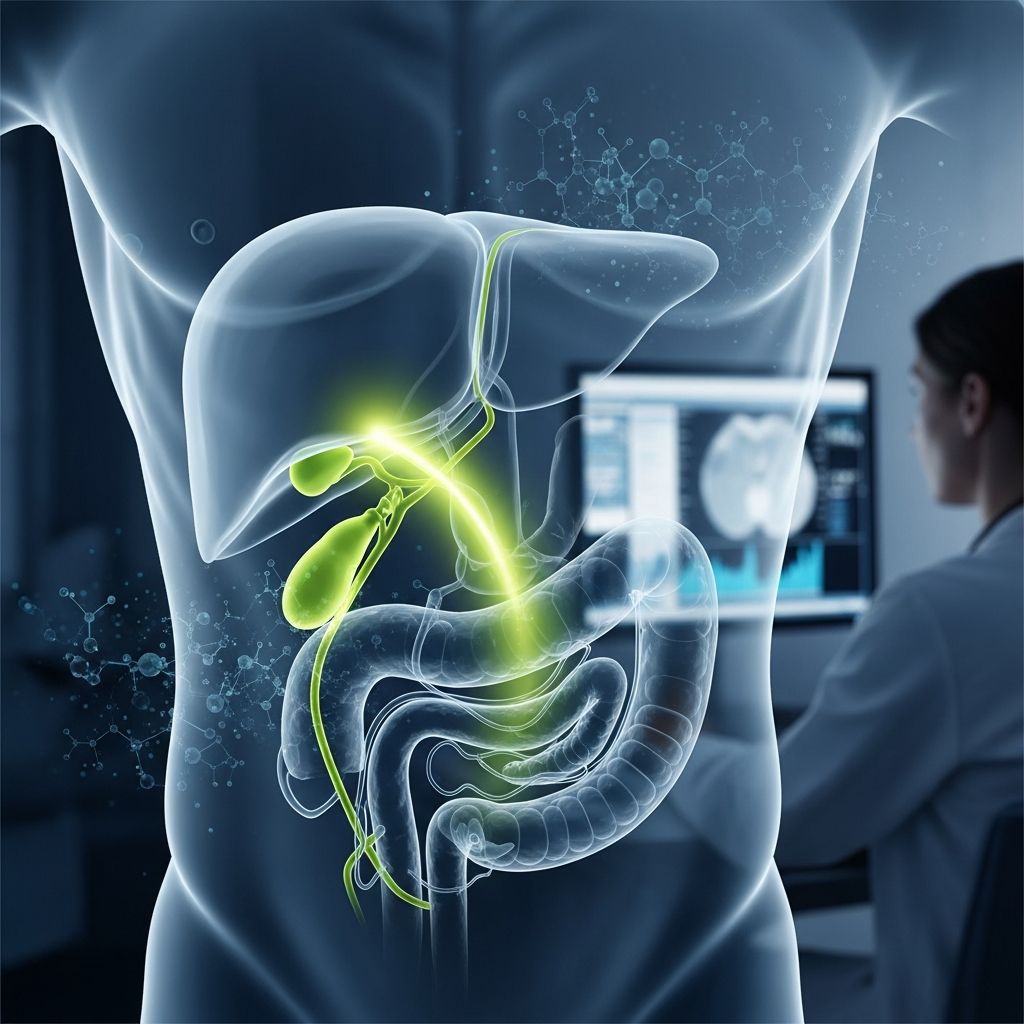
A HIDA scan, also known as a hepatobiliary iminodiacetic acid scan, is an advanced imaging procedure performed in the nuclear medicine department of radiology. This diagnostic test uses a special radioactive chemical tracer and a scanning camera to evaluate how well your liver, bile ducts, and gallbladder are functioning. Unlike traditional imaging methods such as ultrasound or CT scans, HIDA scans provide unique functional information about the biliary system by tracking the movement of bile through your digestive organs.
The procedure works by injecting a small amount of radioactive material called a radiotracer into your bloodstream. As this tracer moves through your body, it travels to your liver, where it combines with bile. The radiotracer then follows the path of bile from your liver into your gallbladder, through the bile ducts, and into your small intestine. During this journey, a special camera called a gamma camera detects the energy released by the radioactive material and creates detailed pictures of your biliary system, allowing healthcare providers to assess organ function and identify potential problems.
Why Doctors Recommend HIDA Scans
Your healthcare provider may recommend a HIDA scan if you experience symptoms suggesting problems with your biliary system or liver function. Common reasons for ordering this diagnostic test include:
- Severe stomach pain, particularly on the right side of your abdomen
- Unexplained nausea and vomiting
- Jaundice, characterized by yellowing of the skin and eyes
- Pain or fever following gallbladder surgery or upper gastrointestinal procedures
- Complications after liver transplant surgery
- Evaluation of newborns with severe jaundice
Additionally, if you have had a biliary stent placed—a thin, hollow tube inserted into your bile ducts to keep them open—your provider may order a HIDA scan to ensure the stent is functioning properly and not causing complications.
Conditions Diagnosed by HIDA Scans
HIDA scans can help diagnose a variety of medical conditions affecting the biliary system and liver. These include:
- Acute cholecystitis: Sudden inflammation of the gallbladder
- Chronic cholecystitis: Long-term inflammation of the gallbladder
- Bile duct blockages: Obstructions preventing bile flow
- Biliary leaks: Abnormal discharge of bile from the biliary system
- Biliary atresia: A rare congenital condition where bile ducts are underdeveloped or absent, often affecting infants
- Sphincter of Oddi dysfunction: Problems with the muscle controlling bile flow into the small intestine
- Gallbladder dysfunction: Reduced ability of the gallbladder to contract and empty properly
- Complications from surgery: Fistulas or other abnormal connections between organs
For patients who have undergone liver transplantation, HIDA scans play an important role in monitoring the health and function of the newly transplanted organ. Multiple scans may be performed over time to ensure the transplanted liver is working properly and to detect any complications early.
Understanding the HIDA Scan Procedure
Before Your Scan
Preparation for a HIDA scan is minimal compared to many other diagnostic procedures. Your healthcare provider will give you specific instructions based on your individual situation. In most cases, you’ll need to fast for a few hours before the procedure to ensure accurate results. You should wear comfortable, loose-fitting clothing and remove any jewelry or metal objects that could interfere with the imaging equipment. Inform your healthcare provider about any medications you’re taking and whether you might be pregnant, as this affects the decision to proceed with the scan.
Related Stories



During the Procedure
The HIDA scan procedure typically unfolds in the following steps:
- You will be asked to lie on a comfortable imaging table and remain very still throughout the procedure
- A technician will position a gamma camera above your abdomen to capture images
- An intravenous (IV) needle will be placed in a vein in your arm or hand
- The radioactive tracer will be injected through the IV into your bloodstream
- The tracer travels through your body to your liver, where bile-producing cells absorb it
- As the tracer moves with bile into your gallbladder, through the bile ducts, and into your small intestine, the gamma camera continuously captures images
- The technician may inject morphine or another medication through the IV to help move the tracer into your gallbladder more effectively
- In some cases, sincalide may be administered to stimulate gallbladder contraction and emptying, providing additional functional information
The HIDA scan itself is a painless procedure, though you may feel a brief sting or pinch when the IV needle is inserted. The procedure typically lasts about one hour, though more extensive scanning may take longer. Remaining still during the test is essential to ensure the images are clear and accurate for proper diagnosis.
After Your Scan
After the procedure is complete, you can typically resume your normal activities immediately. The radioactive tracer used in HIDA scans is eliminated from your body naturally through urine and bowel movements over the next 24 to 48 hours. Drinking plenty of fluids after the scan can help expedite this process. There are generally no restrictions on eating, drinking, or physical activity following a HIDA scan.
Understanding HIDA Scan Results
After your HIDA scan is completed, a radiologist will carefully examine the images, write a detailed report, and share the findings with your healthcare provider. This process typically takes less than 24 hours. Your provider will then discuss the results with you and explain what they mean for your health.
Normal Results
A normal HIDA scan shows the radioactive tracer moving smoothly from your liver into your gallbladder and then into your small intestine. This pattern indicates that your liver is producing bile normally, your bile ducts are patent and functioning correctly, and your gallbladder is emptying properly. Normal results also suggest there are no blockages, leaks, or structural abnormalities in your biliary system.
Abnormal Results
Abnormal HIDA scan results may indicate various conditions requiring further evaluation or treatment. Common abnormal findings include:
- Blocked or delayed bile flow: Suggests obstruction in the bile ducts, possibly from gallstones or strictures
- Non-functioning gallbladder: The tracer fails to enter the gallbladder, indicating the organ is inflamed or non-functional
- Rapid gallbladder emptying: May suggest dumping syndrome or other motility disorders
- Bile leaks: The tracer appears outside the normal bile ducts, indicating a leak in the biliary system
- Abnormal bile duct patterns: May reveal structural abnormalities, strictures, or congenital conditions
Risks and Benefits of HIDA Scans
Benefits
HIDA scans offer significant advantages as a diagnostic tool. They provide unique functional information about the biliary system that other imaging procedures cannot easily obtain. Unlike ultrasound or CT scans, which show only structure, HIDA scans demonstrate how organs are actually working. This functional assessment is particularly valuable for diagnosing gallbladder dysfunction and evaluating sphincter of Oddi problems. Additionally, HIDA scans use very small amounts of radiation and can be performed quickly without requiring invasive procedures.
Risks
HIDA scans involve exposure to a small amount of radiation through the radioactive tracer. However, the radiation dose is very small and comparable to the background radiation you’re naturally exposed to in your environment. Serious complications from HIDA scans are extremely rare. Most people experience no adverse effects from the procedure. Potential minor side effects may include:
- Brief discomfort at the IV insertion site
- Allergic reactions to the tracer (very rare)
- Mild nausea in some patients
The benefits of a HIDA scan far outweigh the risks for most patients, particularly those not pregnant. Women who are pregnant or breastfeeding should discuss the procedure with their healthcare provider, as the decision to proceed requires careful consideration of risks versus benefits in this population.
Medical Professionals Involved in HIDA Scans
Three types of medical professionals work together to ensure the success and accuracy of your HIDA scan:
- Nuclear medicine technologists: Calibrate the scanning equipment, administer the radiotracer, and operate the gamma camera to capture images
- Nuclear medicine physicians: Oversee the procedure, ensure patient safety, and may interpret preliminary findings
- Radiologists: Provide expert interpretation of the images, write the diagnostic report, and communicate findings to your healthcare provider
Frequently Asked Questions About HIDA Scans
Is a HIDA scan painful?
No, the HIDA scan procedure itself is painless. You may feel a brief sting or pinch when the IV needle is inserted into your arm, but this discomfort is minimal and temporary. Most patients tolerate the procedure very well.
How long does a HIDA scan take?
Most HIDA scans take approximately one hour to complete. In some cases, depending on the extent of imaging needed and individual factors, the procedure may take up to two or three hours. Your healthcare provider can give you a more specific time estimate based on your particular situation.
Can I eat before my HIDA scan?
Your healthcare provider will give you specific fasting instructions before your scan. Generally, you may be asked to fast for a few hours beforehand. It’s important to follow these instructions carefully, as eating can affect how the tracer moves through your biliary system and may compromise the accuracy of the results.
Is the radiation from a HIDA scan dangerous?
The amount of radiation used in a HIDA scan is very small and safe for most patients. The radiation exposure is comparable to the background radiation you’re naturally exposed to in your environment. The benefits of obtaining accurate diagnostic information typically far outweigh any risks from this minimal radiation exposure.
What should I do after my HIDA scan?
After your scan, you can resume your normal activities immediately. There are no restrictions on eating, drinking, or physical activity. Drinking plenty of fluids over the next 24 to 48 hours can help your body eliminate the radioactive tracer through natural processes.
When will I get my results?
A radiologist will interpret your images and prepare a report, which typically takes less than 24 hours. Your healthcare provider will then review the results and discuss them with you, explaining what they mean for your health and any recommended next steps.
Conclusion
HIDA scans represent an important diagnostic tool in nuclear medicine, offering healthcare providers valuable information about how your liver, gallbladder, and bile ducts are functioning. By tracking the movement of a radioactive tracer through your biliary system, these scans can help diagnose a wide range of conditions, from gallbladder inflammation to bile duct blockages to post-surgical complications. The procedure is safe, painless, and provides functional information that other imaging methods cannot easily obtain. If your healthcare provider has recommended a HIDA scan, understanding what to expect can help you feel more comfortable and prepared for the procedure. The detailed images and diagnostic information obtained from your scan will help guide your treatment plan and improve your overall health outcomes.
References
- HIDA Scan: What It Is, Purpose, Procedure & Results — Cleveland Clinic. 2024. https://my.clevelandclinic.org/health/diagnostics/17099-hida-scan
- HIDA Scan: Results, Side Effects, (+ Procedure Preparation) — Hoag Hospital. 2024. https://www.hoag.org/specialties-services/digestive-health/procedures-treatments/hepatobiliary-hida-scan/
- Hepatobiliary Iminodiacetic Acid Scan — StatPearls, National Center for Biotechnology Information (NCBI). 2024. https://www.ncbi.nlm.nih.gov/books/NBK539781/
- HIDA Scan: Preparation, Results, Side Effects, and Cost — Healthline Media. 2024. https://www.healthline.com/health/hida-scan
- HIDA Scan for Gallbladder: Purpose, Prep, Risks, and Results — WebMD. 2024. https://www.webmd.com/digestive-disorders/what-is-gallbladder-scan
Similar Articles








Read full bio of Sneha Tete