Hidden Causes of Weight Gain Beyond Diet
Discover the surprising physiological, hormonal, and lifestyle factors behind unexplained weight gain.

Understanding Hidden Causes of Weight Gain
Weight gain isn’t always a straightforward matter of eating too much or exercising too little. While increased caloric intake combined with reduced physical activity certainly contributes to weight gain, the reality is often far more complex. Many people find themselves gaining weight despite maintaining seemingly stable eating and exercise habits, which can be frustrating and confusing. The explanation for this mysterious weight gain frequently lies in factors that aren’t immediately obvious—physiological changes, hormonal fluctuations, underlying health conditions, medication side effects, and lifestyle factors that subtly influence how our bodies store and burn energy.
Understanding these hidden culprits is essential for anyone struggling with unexplained weight gain. By identifying the root causes, you can take targeted steps to address the underlying issues rather than simply restricting calories or intensifying workouts. This comprehensive guide explores the major hidden causes of weight gain and provides insights into how each factor affects your body’s metabolism and weight management.
Age-Related Changes and Muscle Loss
One of the most significant hidden causes of weight gain as we age is the progressive loss of muscle mass, a condition known as sarcopenia. As we grow older, physiological changes occur that can dramatically impact weight management and metabolism. According to obesity medicine specialists, smaller muscles use fewer calories at rest, meaning that if your diet remains unchanged, you will naturally consume more calories than your body requires. This metabolic shift results in the excess calories being stored as fat, even without any increase in food intake.
This muscle loss accelerates after age 30, with adults typically losing between 3-8% of their muscle mass per decade, and the rate increasing after age 60. Since muscle tissue is metabolically active and burns calories throughout the day, this loss directly reduces your overall caloric expenditure. This is why many people experience weight gain during middle age and beyond, even when their eating habits haven’t changed significantly.
Hormonal Changes and Sex Hormones
Hormonal fluctuations represent another critical factor in age-related weight gain. Older men and women experience significant reductions in certain sex hormones that play important roles in metabolism and body composition. In women, declining estrogen levels during perimenopause and menopause are associated with increased sleep problems and greater accumulation of body fat, particularly around the abdomen. In men, reduced testosterone levels are linked to decreased muscle mass and increased fat storage.
These hormonal changes aren’t simply cosmetic concerns—they fundamentally alter how your body processes and stores energy. Estrogen and testosterone both influence metabolic rate, appetite regulation, and fat distribution patterns. When these hormones decline, your body becomes more prone to weight gain and fat accumulation, particularly in the abdominal region. This explains why many people experience significant weight shifts during the menopausal transition or as they age, regardless of their exercise and dietary habits.
Chronic Stress and Cortisol
Chronic stress represents one of the most underestimated causes of weight gain. As we age, managing stress becomes increasingly challenging, and those under constant stress often develop consistently elevated levels of the stress hormone cortisol. Cortisol serves multiple functions in the body, including helping to replenish energy stores. However, when cortisol levels remain chronically elevated, this can indirectly promote weight gain through several mechanisms.
Related Stories



First, elevated cortisol can increase appetite by signaling to the body that it needs to replenish energy stores, even when calories are sufficient. Second, chronic stress often leads to compulsive eating behaviors—particularly consumption of “comfort” foods that are typically high in sugar, unhealthy fats, extra calories, and sodium. These foods provide temporary emotional relief but contribute significantly to weight gain and metabolic dysfunction.
The stress-weight connection extends beyond just hormonal changes. Chronic stress affects sleep quality, immune function, and glucose metabolism, all of which influence weight gain. Additionally, stress can increase visceral fat accumulation (fat stored around the organs), which is particularly concerning for metabolic health and disease risk.
Sleep Deprivation and Sleep Quality
Age-related changes significantly affect our ability to sleep well, and poor sleep has emerged as a major contributor to weight gain. Research indicates that chronic short sleepers—those getting six hours or fewer each night—experience significant hormonal disruptions that promote weight gain. Short sleep duration is associated with:
Higher levels of hormones that increase hunger: Sleep deprivation elevates ghrelin, often called the “hunger hormone,” which signals the brain that the body needs food.
Lower levels of hormones that signal fullness: Insufficient sleep reduces leptin, the satiety hormone that tells your brain you’re satisfied, making it easier to overeat.
Elevated cortisol levels: Sleep deprivation increases stress hormone production, creating a dual mechanism for weight gain.
Interestingly, getting too much sleep (more than 8 hours per night) is also associated with weight gain, suggesting that maintaining consistent, moderate sleep duration is optimal. The relationship between sleep and weight is bidirectional—while poor sleep promotes weight gain, excess weight can cause sleep disorders like sleep apnea, creating a difficult cycle.
Underlying Health Conditions
Unexplained weight gain, particularly if it occurs relatively recently, often indicates an underlying health condition that requires medical attention. Several medical disorders can directly cause weight gain through various mechanisms:
Heart Failure: Individuals with heart failure frequently experience weight gain due to fluid retention, which manifests as swelling (edema) in the feet, ankles, legs, or abdomen. This weight gain would typically be accompanied by symptoms such as fatigue or shortness of breath.
Thyroid Problems: Hypothyroidism (underactive thyroid) significantly reduces metabolic rate, leading to weight gain even without increased food intake. The thyroid gland produces hormones that regulate metabolism, and insufficient thyroid hormone production dramatically slows caloric expenditure.
Diabetes: Both type 1 and type 2 diabetes can contribute to weight gain through various mechanisms, including insulin resistance and changes in glucose metabolism.
Sleep Apnea: This condition, involving repeated pauses in breathing during sleep, disrupts sleep quality and elevates cortisol, both promoting weight gain.
Kidney Disease: Certain kidney conditions affect fluid balance and nutrient metabolism, potentially contributing to weight gain.
If you experience unexplained weight gain accompanied by other symptoms, consulting with a healthcare provider is essential to rule out underlying medical conditions.
Medication Side Effects
Many commonly prescribed medications carry weight gain as a potential side effect. Some drugs, such as prednisone (a corticosteroid), can cause weight gain by promoting fluid retention and increasing appetite. Other medications known to contribute to weight gain include certain antidepressants, antipsychotics, anticonvulsants, and some diabetes medications.
If you’ve noticed weight gain coinciding with starting a new medication, discuss this concern with your healthcare provider. In some cases, alternative medications with fewer weight-related side effects may be available. However, never stop taking a prescribed medication without medical guidance, as the benefits of the medication may outweigh the weight gain risk.
Late-Night Eating and Circadian Rhythm Disruption
The timing of food consumption plays a more significant role in weight management than many people realize. Evidence from recent research suggests that eating late at night can have several detrimental metabolic effects. Late-night eating may make us hungrier during daytime hours, slow down metabolic rate, and increase body fat accumulation.
This phenomenon relates to circadian rhythms—the body’s internal biological clock that regulates metabolism, hormone production, and energy expenditure. Eating when your body’s metabolic rate naturally declines (evening and nighttime hours) means that calories consumed are less efficiently burned and more likely to be stored as fat. Additionally, late-night eating is often associated with less healthy food choices and larger portion sizes, compounding the metabolic disadvantage.
The Gut Microbiome Connection
Emerging research has identified the gut microbiome—the population of microorganisms living in your digestive tract—as a potential factor in weight gain. The genetic material of these microbes, collectively called your microbiome, appears to influence appetite, metabolism, blood sugar regulation, and fat storage patterns.
Studies have consistently found that the gut microbes of people with obesity differ significantly from those of lean individuals. However, the causality remains unclear. Does the microbiome composition actually cause obesity, or do the dietary patterns of people with obesity create conditions that favor different microbial populations? Research indicates it’s likely bidirectional—your diet shapes your microbiome, and your microbiome influences your metabolism and food preferences.
The evidence from animal studies is particularly compelling, showing that transferring microbes from obese animals to lean animals can result in weight gain. In humans, however, the evidence remains less definitive, and more research is needed to establish clear causal relationships and develop effective microbiome-based interventions.
Dietary and Lifestyle Factors
Beyond the hidden physiological factors, specific dietary and lifestyle changes are independently associated with long-term weight gain. Research demonstrates substantial differences in weight change based on dietary patterns, with consumption of refined or processed foods and liquid carbohydrates showing the strongest associations with weight gain.
Key dietary factors affecting weight include:
Sugar-Sweetened Beverages: These liquid calories are particularly problematic for weight management, as they don’t trigger the same satiety mechanisms as solid foods.
Processed Foods: These items are typically high in calories, unhealthy fats, and added sugars while being low in fiber and nutrients.
Refined Grains: Foods made with refined grains lack the fiber found in whole grains, making it easier to overeat.
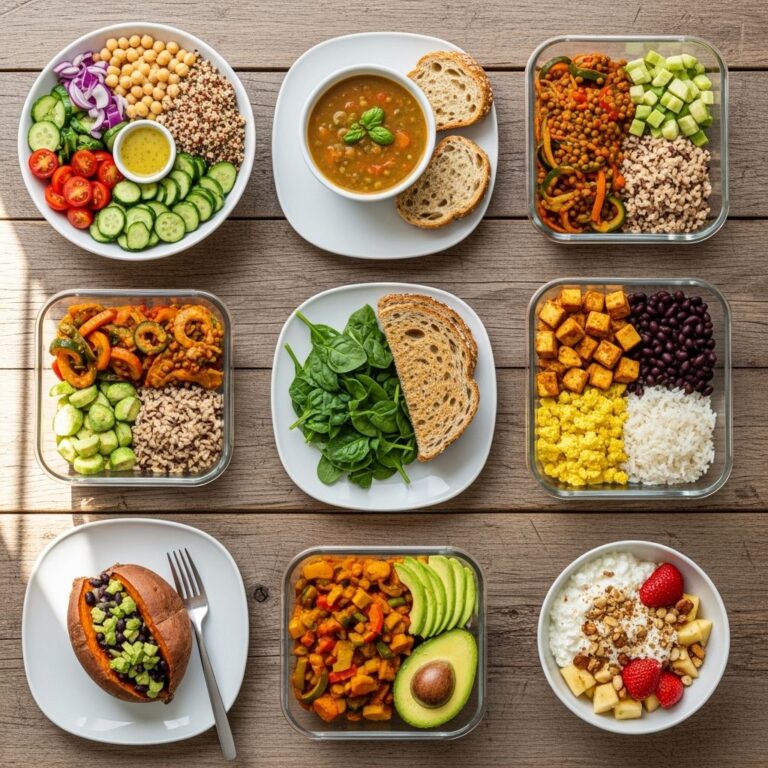
Whole Grains and Produce: Conversely, whole grains, fruits, and vegetables support weight management through their fiber content and nutrient density.
Lifestyle factors also play crucial roles:
Physical Activity: Sedentary behavior contributes to weight gain, with television watching specifically associated with additional weight gain.
Alcohol Consumption: Regular alcohol intake adds significant calories and affects metabolism.
Smoking Status: New smokers who quit experience initial weight gain, while former smokers tend to maintain slightly elevated weight.
Creating a Comprehensive Weight Management Strategy
Understanding the multiple hidden causes of weight gain enables you to develop a more effective, personalized approach to weight management. Rather than focusing solely on calorie restriction, address the underlying factors contributing to your weight gain. This might include prioritizing sleep quality, implementing stress management techniques, addressing hormonal imbalances with medical supervision, treating underlying health conditions, and making strategic dietary choices.
A comprehensive approach considers your individual circumstances, including age, medications, health status, sleep patterns, stress levels, and dietary habits. Working with healthcare providers, including physicians, registered dietitians, and mental health professionals, can help you identify which factors are most relevant to your situation and develop targeted interventions.
Frequently Asked Questions
Q: Can muscle loss really cause weight gain without eating more?
A: Yes. Muscle tissue is metabolically active, burning calories even at rest. As muscle mass decreases with age, your resting metabolic rate declines. If your caloric intake remains the same, the surplus calories get stored as fat, resulting in weight gain despite unchanged eating habits.
Q: How much does sleep deprivation affect weight?
A: Sleep deprivation significantly impacts appetite-regulating hormones, increasing hunger signals and decreasing satiety signals. Chronic short sleep (6 hours or less) is associated with higher body weight and increased difficulty with weight management, independent of dietary changes.
Q: Can hormonal changes cause significant weight gain?
A: Yes. Changes in estrogen, testosterone, and other sex hormones directly affect metabolism, appetite, and fat distribution. Women entering menopause often experience notable weight gain due to declining estrogen levels, even without dietary changes.
Q: Should I be concerned if I’m gaining weight unexpectedly?
A: Unexplained weight gain, particularly if recent and accompanied by other symptoms, warrants medical evaluation. This could indicate thyroid problems, heart conditions, diabetes, or other health issues requiring treatment.
Q: Does eating timing really affect weight gain?
A: Yes. Eating late at night may increase hunger during the day, slow metabolism, and promote fat storage. Aligning eating patterns with your natural circadian rhythm supports better metabolic health and weight management.
Q: Can medications cause weight gain?
A: Several medications, including corticosteroids, certain antidepressants, and antipsychotics, can promote weight gain through various mechanisms. If you notice weight gain after starting a medication, discuss alternatives with your healthcare provider.
References
- Hidden Causes of Weight Gain — Harvard Health Publishing, Harvard Medical School. 2024. https://www.health.harvard.edu/staying-healthy/hidden-causes-of-weight-gain
- Changes in Diet and Lifestyle and Long-Term Weight Gain in Women and Men — The New England Journal of Medicine. National Institutes of Health. 2011. https://pmc.ncbi.nlm.nih.gov/articles/PMC3151731/
- Dietary and Behavioral Factors Associated with Long-term Weight Change — Centers for Disease Control and Prevention (CDC). U.S. Department of Health & Human Services. https://www.cdc.gov/
- The Effects of Sleep on Metabolism and Weight — National Center for Biotechnology Information (NCBI), U.S. National Library of Medicine. https://www.ncbi.nlm.nih.gov/
- Hormonal Changes and Metabolism in Aging — American Geriatrics Society. https://www.americangeriatrics.org/
- Stress Hormones and Weight Gain — American Psychological Association. https://www.apa.org/
- Medication-Induced Weight Gain — American Academy of Family Physicians (AAFP). https://www.aafp.org/
Similar Articles








Read full bio of medha deb