Hidden Dangers of Protein Powders: What You Need to Know
Uncover the toxic risks lurking in protein powders and safer alternatives for optimal nutrition.
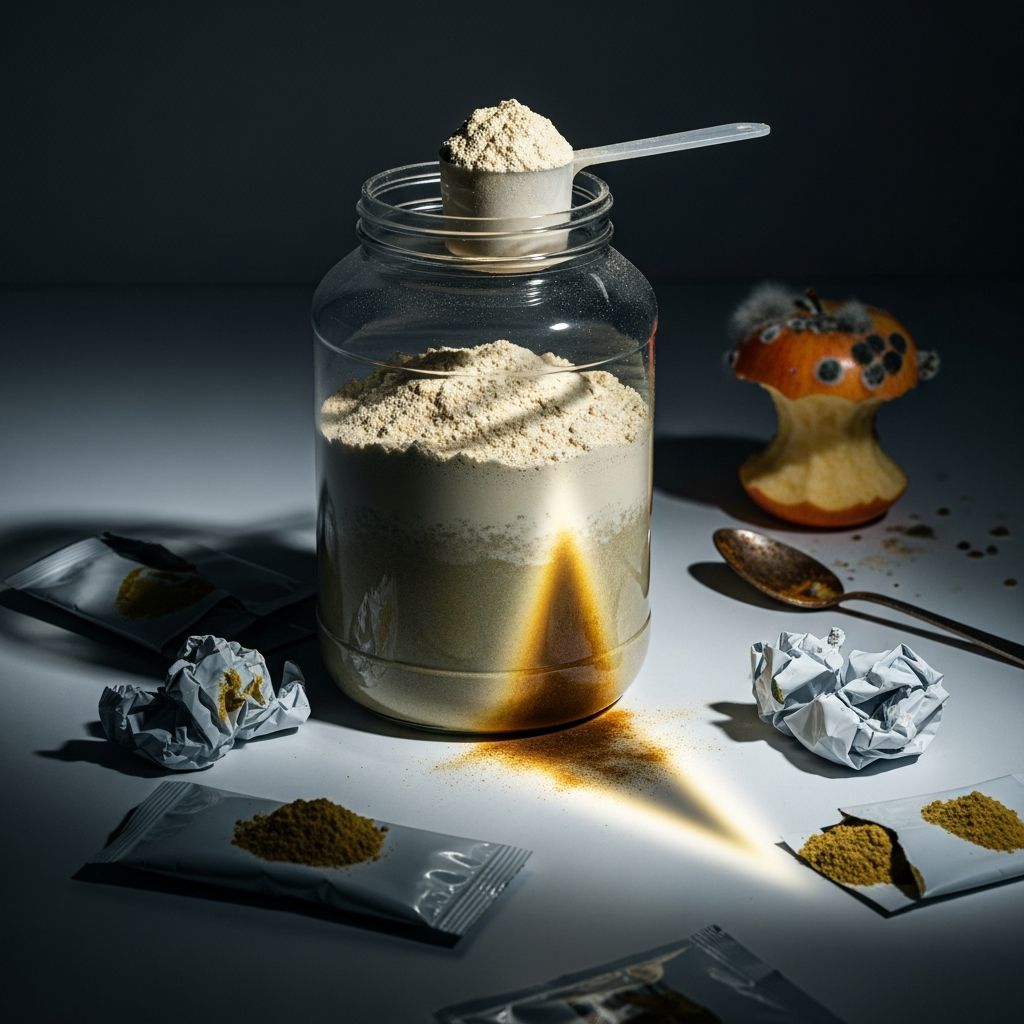
The Hidden Dangers of Protein Powders: A Comprehensive Guide
Protein powders have become ubiquitous in fitness routines and dietary supplements, marketed as convenient solutions for meeting daily protein requirements. However, emerging research from Harvard Medical School and other leading institutions reveals concerning health risks associated with many commercial protein powder products. What consumers perceive as a healthy dietary choice may actually expose them to dangerous contaminants and toxic substances that accumulate in the body over time.
The popularity of protein supplements has surged dramatically over the past decade, driven by fitness trends, bodybuilding culture, and aggressive marketing campaigns. Yet behind the sleek packaging and health claims lie potential hazards that most consumers remain unaware of. Understanding these dangers is crucial for anyone considering protein powder supplementation, particularly those who use these products regularly.
Heavy Metal Contamination in Protein Powders
One of the most alarming findings from recent investigations concerns heavy metal contamination in protein powders. A 2025 Consumer Reports investigation tested 23 popular protein powders and shakes, revealing that more than two-thirds contained lead levels exceeding what experts consider safe for daily consumption. The maximum safe daily lead intake is approximately 0.5 micrograms per day for adults, yet many products dramatically exceeded this threshold in a single serving.
The contamination is widespread across different protein powder types. Plant-based protein products showed the most concerning levels, with average lead content approximately nine times higher than dairy-based proteins and twice as high as beef-based alternatives. Certain products were so contaminated that experts advised against their consumption entirely.
Specific Contaminants Found
Research has identified multiple toxic substances in protein powder products beyond lead:
– Lead: Accumulates in the brain, kidneys, and cardiovascular system, with particular risks for children and prenatal exposure- Arsenic: Classified as a known human carcinogen by the Environmental Protection Agency- Cadmium: A probable human carcinogen linked to kidney damage and bone disease- Mercury: Neurotoxic substance that accumulates in tissues over time- Bisphenol-A (BPA): Endocrine-disrupting chemical used in plastic production, found in alarming quantities in some products
The Clean Label Project examined 134 protein powder products and identified 130 different types of toxins, with some present in significant quantities. One particularly concerning finding revealed a protein powder containing 25 times the allowed limit of BPA in a single serving. Such extreme contamination highlights the inconsistency and lack of quality control in the protein powder industry.
How Heavy Metals Enter Protein Powders
The presence of heavy metals in protein supplements is not entirely accidental. Crops used to manufacture these powders naturally absorb heavy metals from soil, water, and air. This bioaccumulation process means that plant-based proteins, which concentrate nutrients from soil, tend to accumulate more heavy metals than animal-based alternatives.
However, the concerning aspect is that manufacturers often fail to filter or test for these contaminants adequately. Unlike prescription and over-the-counter medications, the Food and Drug Administration does not review, approve, or test dietary supplements before they reach consumers. This regulatory gap creates an environment where products can be sold with minimal safety verification.
Related Stories



The cumulative nature of heavy metal exposure represents a critical health concern. While a single serving of even a contaminated product may not cause immediate harm, consistent use results in bioaccumulation—small amounts building up over time to reach toxic levels. This slow accumulation is particularly dangerous because consumers may not associate health problems developing months or years later with their protein powder consumption.
Specific Products of Concern
Consumer Reports testing identified several products requiring special caution due to excessive lead contamination:
Products to Avoid Entirely:
– Naked Nutrition’s Vegan Mass Gainer: 7.7 micrograms of lead per serving (1,570% of safe daily limit)- Huel’s Black Edition: 6.3 micrograms of lead per serving (1,290% of safe daily limit)
Products to Limit:
– Garden of Life’s Sport Organic Plant-Based Protein: 400-600% of safe daily limits- Momentous’ 100% Plant Protein: 400-600% of safe daily limits
These findings represent deterioration compared to testing conducted 15 years earlier. Not only were average lead levels higher in the 2025 testing, but fewer products showed undetectable contamination levels, indicating worsening industry-wide quality control issues.
Additional Concerns Beyond Heavy Metals
Pesticide and Microbial Contamination
Beyond heavy metals, protein powders frequently contain pesticide residues and other chemical contaminants. These substances may include herbicides, fungicides, and other agricultural chemicals used during crop cultivation. When concentrated into powder form, trace amounts of pesticides can reach concerning levels, particularly with regular consumption.
Limited Long-Term Safety Data
Kathy McManus, director of the Department of Nutrition at Harvard-affiliated Brigham and Women’s Hospital, emphasizes that we lack adequate long-term safety data on regular protein powder consumption. “I don’t recommend using protein powders except in a few instances, and only with supervision,” McManus states. This cautious position reflects the reality that many protein powder products have been in widespread use for only one or two decades, insufficient time to understand potential long-term health consequences.
Digestive Issues
For individuals with specific dietary sensitivities, protein powders can cause significant gastrointestinal discomfort. People with dairy allergies or lactose intolerance who consume milk-based protein powders often experience bloating, cramping, gas, and diarrhea. Even for those without allergies, the concentrated protein can be difficult to digest, particularly when consuming large quantities.
The Problem of Unregulated Supplements
The fundamental issue underlying protein powder safety concerns is minimal regulatory oversight. Under the Dietary Supplement Health and Education Act of 1994, supplements are treated differently from pharmaceutical drugs. Manufacturers bear responsibility for ensuring product safety and efficacy, but the FDA does not conduct pre-market review or approval for dietary supplements as it does for prescription medications.
This regulatory gap means consumers have limited recourse when products prove harmful. Manufacturers may not disclose all ingredients, may mislabel protein content, and face minimal consequences for contamination. The lack of standardized testing protocols allows inconsistent quality across the industry, making it difficult for consumers to identify which products are safer than others.
Why Most People Don’t Need Protein Powders
A critical point emphasized by Harvard nutrition experts is that the average American already consumes adequate protein through normal diet. The recommended dietary allowance for protein is 0.8 grams per kilogram of body weight, easily achievable through whole foods for the vast majority of people. Protein powders represent a convenience product, not a medical necessity for most consumers.
Even individuals engaged in regular strength training typically can meet elevated protein requirements through dietary sources. The marketing of protein powders creates artificial demand, suggesting necessity where none exists for most people. This unnecessary supplementation exposes consumers to contamination risks without corresponding health benefits.
Superior Protein Alternatives
Plant-Based Protein Sources
Numerous whole food sources provide complete or complementary proteins without contamination concerns:
– Legumes: Lentils, chickpeas, and beans offer 15-20 grams of protein per cooked cup along with fiber and micronutrients- Soy Products: Tofu and tempeh provide complete proteins with all essential amino acids, offering 10-20 grams per serving- Nuts and Seeds: Almonds, pumpkin seeds, and hemp seeds provide protein plus healthy fats and minerals- Whole Grains: Quinoa and other grains contain complete proteins when combined with legumes- Edamame: Young soybeans provide 11 grams of protein per cup with complete amino acid profiles
Animal-Based Protein Sources
– Fish: Salmon, tuna, and sardines provide 25-30 grams of protein per serving plus omega-3 fatty acids- Poultry: Chicken and turkey offer lean protein without heavy metal concerns associated with plant-based supplements- Eggs: Complete proteins containing all essential amino acids, with 6 grams per egg- Dairy Products: Greek yogurt, cottage cheese, and milk provide protein with calcium and probiotics- Beef: Red meat offers complete proteins plus iron and B vitamins
These whole food sources provide not only protein but also fiber, vitamins, minerals, and phytonutrients that protein powders cannot replicate. The synergistic combination of nutrients in whole foods supports better overall health than isolated protein supplements.
When Protein Powders Might Be Appropriate
While generally not recommended for average consumers, certain specific situations may warrant protein powder use:
– Medical Conditions: Individuals recovering from surgery or serious illness may have temporary difficulty meeting protein needs through whole foods- Severe Food Allergies: People with multiple food allergies limiting whole food protein options might require supplementation under medical supervision- Extreme Athletic Performance: Elite athletes with training volumes making whole food consumption impractical might use powders, though with medical oversight- Aging Adults: Elderly individuals struggling with dental problems or swallowing difficulties may benefit from protein supplements under healthcare provider guidance
In all these situations, medical supervision is essential. Healthcare providers can recommend specific products that have undergone independent testing and can monitor for adverse effects.
If You Choose to Use Protein Powders
Harm Reduction Strategies
For individuals determined to use protein powders despite associated risks, several strategies can minimize exposure:
– Limit Frequency: Use protein powders occasionally rather than daily, reserving them for situations where whole food options are truly unavailable- Choose Dairy-Based: When possible, select dairy-based powders, which showed lower heavy metal contamination than plant-based alternatives in testing- Research Products: Consult independent testing reports from Consumer Reports and Clean Label Project before purchasing- Avoid High-Risk Products: Stay away from products flagged as containing extremely high contaminant levels- Monitor for Symptoms: Watch for unusual side effects including gastrointestinal discomfort, headaches, or other concerning symptoms- Consult Healthcare Providers: Discuss protein powder use with doctors, particularly if you have chronic health conditions or take medications
Emerging Research and Industry Response
The 2025 Consumer Reports investigation prompted significant industry and regulatory response. Consumer Reports launched a petition requesting FDA action to establish strong limits on heavy metals in protein powders and shakes. The organization emphasized that consumers should not worry about protein shake safety and called for industry accountability.
Leading researchers continue investigating protein powder contamination, with Harvard’s Department of Nutrition and other institutions publishing warnings about products. However, regulatory change remains slow, leaving consumers to navigate conflicting information and inconsistent product quality.
Frequently Asked Questions
Q: Are all protein powders dangerous?
A: While contamination is widespread, not all protein powders pose equally severe risks. Dairy-based products generally showed lower heavy metal levels than plant-based alternatives. However, because many people don’t need supplementation, avoidance remains the safest approach.
Q: How much lead contamination is actually dangerous?
A: Consumer Reports considers 0.5 micrograms per day the maximum safe daily lead intake. Accumulation over time damages the brain, kidneys, and cardiovascular system, with children and prenatal exposures at highest risk.
Q: Can I get enough protein without supplements?
A: Yes, the average American easily meets protein requirements through whole foods. Even individuals doing strength training can achieve elevated protein needs through dietary sources like chicken, fish, eggs, legumes, and dairy.
Q: Why doesn’t the FDA regulate protein powders?
A: The Dietary Supplement Health and Education Act of 1994 classifies supplements differently from pharmaceutical drugs, shifting safety responsibility to manufacturers rather than requiring pre-market FDA approval.
Q: What should I do if I’ve been using protein powder regularly?
A: There’s no need to panic from occasional use, but consider discontinuing regular consumption. Consult your healthcare provider if you experience unusual symptoms. Discuss your protein powder history during medical appointments so providers can monitor for potential heavy metal exposure.
Q: Which protein sources are safest?
A: Whole food sources including chicken, fish, eggs, Greek yogurt, lentils, beans, tofu, and nuts provide complete proteins without contamination concerns. These foods offer additional nutritional benefits beyond isolated protein.
Conclusion
The hidden dangers of protein powders represent a significant public health concern that deserves greater attention. Heavy metal contamination, particularly lead, affects the majority of tested products, with some containing 15 times the recommended safe daily limits. Combined with BPA, pesticides, and other contaminants, protein powders expose regular users to unnecessary health risks.
The lack of regulatory oversight means consumers bear responsibility for evaluating product safety, a burden that most people cannot reasonably fulfill. Given that most people don’t need protein supplementation to meet nutritional requirements, the risk-benefit calculation clearly favors whole food sources.
For the occasional user, minimal risk likely exists, but regular consumption poses genuine health concerns particularly for vulnerable populations including children and pregnant women. Healthcare providers should routinely discuss protein powder use with patients, and consumers should reconsider whether convenience truly justifies potential toxin exposure. By prioritizing whole food protein sources, individuals can meet nutritional needs while eliminating contamination risks entirely.
References
- Protein Powders and Shakes Contain High Levels of Lead — Consumer Reports. 2025-05-28. https://www.consumerreports.org/lead/protein-powders-and-shakes-contain-high-levels-of-lead-a4206364640/
- Harvard Scientists Issue ‘Toxic’ Warning Over ‘Hidden Dangers’ of Protein Powders — LADBible. 2025-06-01. https://www.ladbible.com/news/health/protein-warning-harvard-medical-school-722521-20250601
- Some Protein Powders, Shakes Contain High Levels of Lead and Other Harmful Metals — CBS News. 2025-05-28. https://www.cbsnews.com/news/protein-powders-shakes-lead-consumer-reports/
- Protein Powders May Be Doing More Harm than Good — Center for Research on Globalization. 2025-06-15. https://www.center4research.org/protein-powders-more-harm-than-good/
- Harvard Scientists Believe There Are ‘Hidden Dangers’ to Protein Powders — Food Bible. 2025-06-05. https://www.foodbible.com/health/diet/harvard-scientists-hidden-dangers-protein-powder-groundbreaking-study-250602-20250605
- Dietary Supplement Health and Education Act of 1994 — U.S. Congress. 1994. https://www.fda.gov/regulatory-information/dietary-supplement-health-and-education-act-dshea
Similar Articles








Read full bio of medha deb