Eye Exams: Essential Guide To Hidden Health Clues
Discover how routine eye checkups can uncover serious conditions like diabetes, heart disease, and cancer long before other symptoms appear.
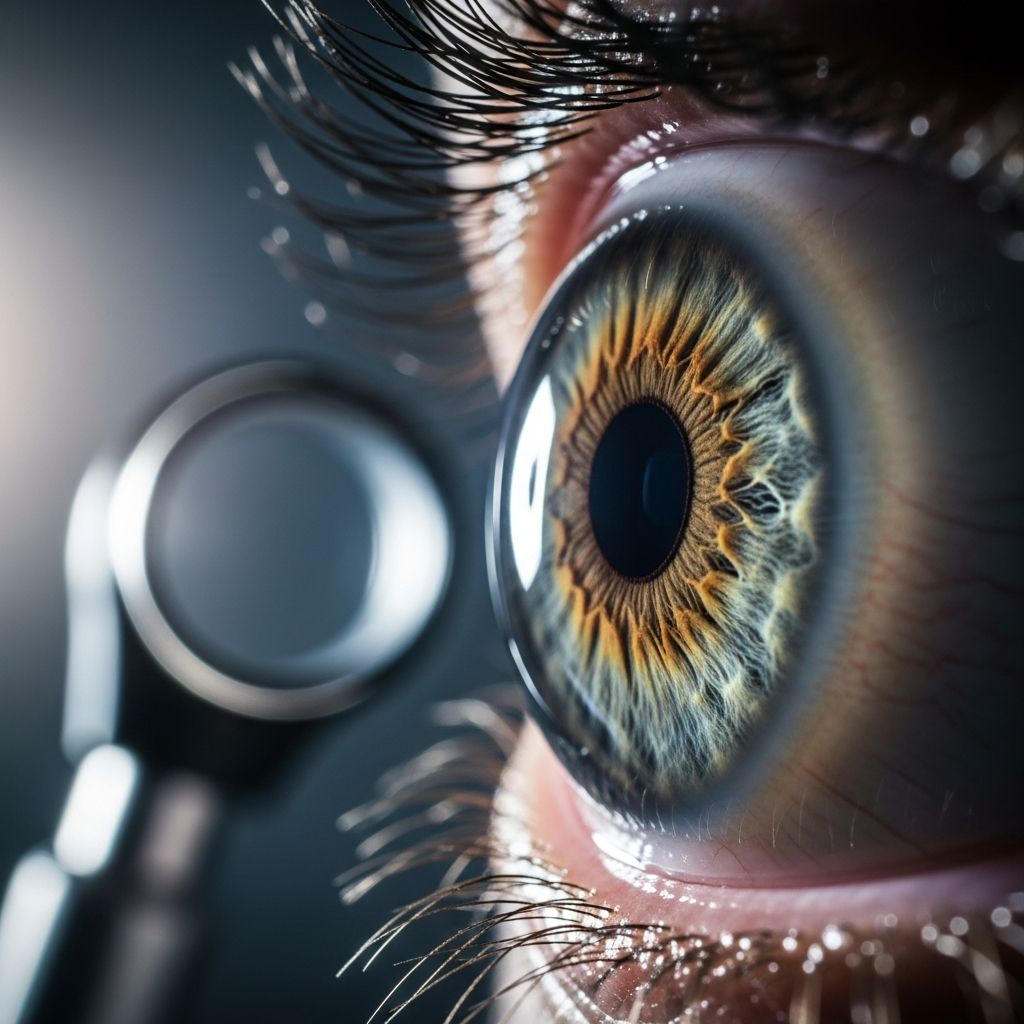
Comprehensive eye examinations extend far beyond assessing refractive errors or prescribing glasses. They provide a unique view into the body’s vascular, neurological, and inflammatory systems through direct observation of the retina, optic nerve, and surrounding structures. These non-invasive checks can flag systemic diseases at stages where intervention is most effective, potentially preventing vision loss and broader health complications.
The Retina as a Health Mirror
The retina, the light-sensitive layer at the back of the eye, contains a dense network of blood vessels and nerves that mirror the body’s overall circulatory and neurological status. Changes here often appear before symptoms manifest elsewhere, making eye exams a frontline tool for early detection.
- Blood vessel irregularities: Narrowing, blockages, or leaks indicate vascular stress from conditions like hypertension or diabetes.
- Optic nerve assessment: Swelling or damage signals neurological issues such as tumors or inflammation.
- Deposits and plaques: Lipid accumulations point to metabolic disorders including high cholesterol.
During a dilated exam, eye care professionals use tools like ophthalmoscopy and optical coherence tomography (OCT) to scrutinize these features in detail.
Cardiovascular Risks Uncovered
Eye exams frequently reveal cardiovascular threats by examining retinal arteries and veins, which parallel those in the heart and brain.
| Condition | Eye Exam Signs | Health Implications |
|---|---|---|
| High Blood Pressure | Artery narrowing, flame hemorrhages, or cotton wool spots | Increased risk of heart attack, stroke, kidney damage |
| Heart Disease | Reduced retinal blood flow (ischemia), plaque-like deposits | Blocked arteries potentially leading to cardiac events |
| High Cholesterol | Corneal arcus (white ring around iris), retinal vessel blockages | Atherosclerosis progression |
These findings prompt immediate referrals to primary care physicians for blood pressure management or lipid-lowering therapies, halting progression.
Diabetes and Its Ocular Footprint
Diabetic retinopathy emerges as one of the earliest detectable complications of diabetes, often preceding formal diagnosis. High blood sugar damages retinal capillaries, causing microaneurysms, exudates, and neovascularization.
- Yellowish leaks from vessels signal initial retinopathy.
- Swelling in the macula (diabetic macular edema) threatens central vision.
- Early intervention with laser therapy or anti-VEGF injections preserves sight and controls systemic glucose levels.
In populations with high diabetes prevalence, such as 10.5% of adults in certain U.S. states, annual eye exams are critical for timely management.
Neurological Warnings from the Optic Nerve
The optic nerve serves as a direct conduit to the brain, displaying abnormalities in various neurological disorders.
- Multiple Sclerosis (MS): Optic neuritis, causing sudden vision loss, affects up to 75% of MS patients initially.
- Brain Tumors or Strokes: Papilledema (optic disc swelling) or peripheral vision deficits indicate intracranial pressure or prior ischemic events.
- Parkinson’s Disease: Subtle eye movement irregularities precede motor symptoms.
Related Stories



Tools like visual field testing and fundus photography identify these changes, enabling neurologist referrals for MRI confirmation.
Cancer Detection Through the Pupil
Malignant processes can infiltrate ocular tissues, becoming visible during routine fundus exams.
| Cancer Type | Ocular Manifestation | Detection Method |
|---|---|---|
| Melanoma | Dark pigmented lesions on retina or choroid | Dilated fundus exam, ultrasound |
| Leukemia | Retinal hemorrhages, white-centered spots | Retinal imaging |
| Brain Tumor | Papilledema, pupil abnormalities | Ophthalmoscopy |
| Breast Cancer Metastasis | Choroidal lesions (2-5% of cases) | OCT, biopsy referral |
Basal cell carcinoma on eyelids is also readily spotted externally. Prompt oncology consultation follows suspicious findings, as early intervention improves survival rates dramatically.
Autoimmune and Inflammatory Conditions
Systemic inflammation often targets ocular structures first, yielding diagnostic clues.
- Rheumatoid Arthritis: Scleritis (outer coat inflammation) in 40% of cases.
- Sjögren’s Syndrome: Severe dry eyes with 64% prevalence.
- Sarcoidosis: Uveitis in 50-60% of patients.
- Thyroid Disease (Graves’): Proptosis (bulging eyes), lid retraction.
These signs necessitate rheumatology or endocrinology evaluation, where treatments like steroids or immunosuppressants can mitigate damage.
Nutritional and Metabolic Deficiencies
Eye exams expose dietary shortfalls through specific manifestations.
- Vitamin A Deficiency: Night blindness, Bitot’s spots (foamy patches).
- Vitamin B12 Shortage: Optic neuropathy leading to central scotomas.
- Thiamine (B1) Lack: Nystagmus, extraocular muscle palsy.
Correcting these via supplements resolves ocular symptoms and averts systemic neuropathy or Wernicke’s encephalopathy.
Age-Related Eye Diseases with Systemic Ties
While primarily ocular, these conditions intersect with broader health risks.
- Glaucoma: Optic nerve damage from pressure spikes; links to vascular dysregulation.
- Cataracts: Lens clouding post-50; accelerated by diabetes, steroids.
- Macular Degeneration: Central vision loss; smoking and hypertension exacerbate.
Tonometry, slit-lamp exams, and OCT facilitate early management, preserving function.
Why Schedule Regular Eye Exams?
Adults should undergo comprehensive dilated exams annually or biennially, depending on risk factors like age over 40, family history, or diabetes. Children need baseline checks for refractive errors that impact development. These visits detect over 270 conditions per optometric associations, with 95% of vision threats preventable via early action.
FAQs
How often should I get an eye exam?
Healthy adults: every 1-2 years. Diabetics or hypertensives: annually. Consult your doctor for personalized schedules.
Does an eye exam hurt?
No. Dilation may cause temporary light sensitivity and near-blur, lasting 4-6 hours.
Can eye exams replace blood tests?
No, but they complement by providing visual biomarkers that prompt further testing.
What if I have no vision symptoms?
Silent diseases like hypertension damage silently; exams catch them proactively.
Are eye exams covered by insurance?
Most plans cover comprehensive exams; check for frequency limits.
References
- Six Health Conditions an Eye Exam Can Reveal — University of Utah Health. 2023-11. https://healthcare.utah.edu/healthfeed/2023/11/six-health-conditions-eye-exam-can-reveal
- 10 Issues My Eye Doctor Can Detect in an Eye Exam — Vision Eye Group. N/A. https://www.visioneyegroup.com/blog/10-issues-my-eye-doctor-can-detect-in-an-eye-exam/
- Eye exams can detect early signs of disease hiding in your body — Blue Shield of California News. 2022-08-16. https://news.blueshieldca.com/2022/08/16/eye-exams-can-detect-early-signs-of-disease-hiding-in-your-body
- Hidden Health Issues Your Eye Exam Could Reveal — Shady Grove Ophthalmology. N/A. https://www.shadygroveophthalmology.com/hidden-health-issues-your-eye-exam-could-reveal/
- Why Eye Exams Are Important — Centers for Disease Control and Prevention (CDC). N/A. https://www.cdc.gov/vision-health/about-eye-disorders/why-eye-exams-are-important.html
- See the Full Picture of Your Health with an Annual Comprehensive Eye Exam — American Optometric Association (AOA). N/A. https://www.aoa.org/healthy-eyes/caring-for-your-eyes/full-picture-of-eye-health
Similar Articles








Read full bio of Sneha Tete