Laser Hair Removal for Hidradenitis Suppurativa
Discover how laser hair removal targets HS symptoms, reduces flare-ups, and improves skin health as part of a comprehensive treatment plan.
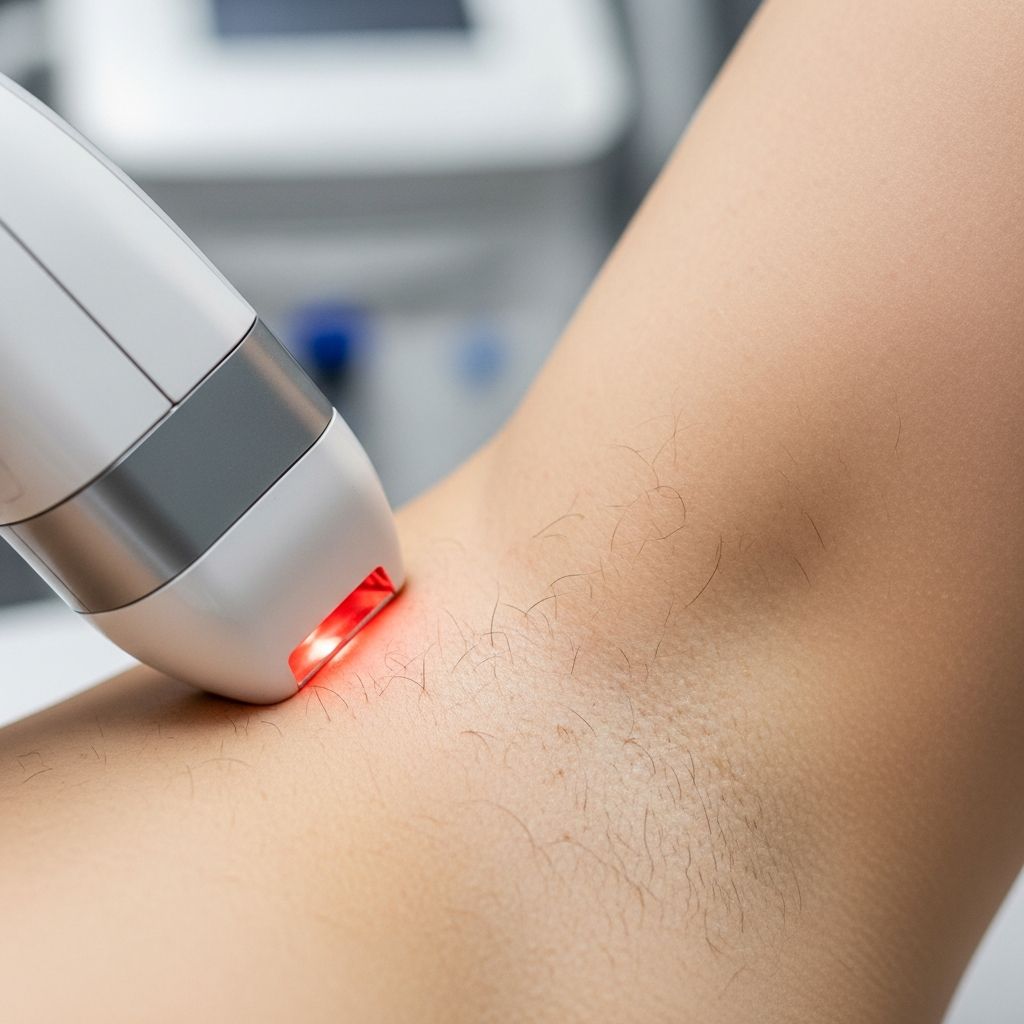
Hidradenitis suppurativa (HS) is a chronic inflammatory skin condition that causes painful lumps, abscesses, and scarring, primarily in areas like the armpits, groin, and under the breasts where hair follicles and sweat glands are dense. Laser hair removal has emerged as a promising treatment by targeting hair follicles—the root cause of inflammation in HS—leading to significant reductions in lesions and flare-ups.
What Is Hidradenitis Suppurativa?
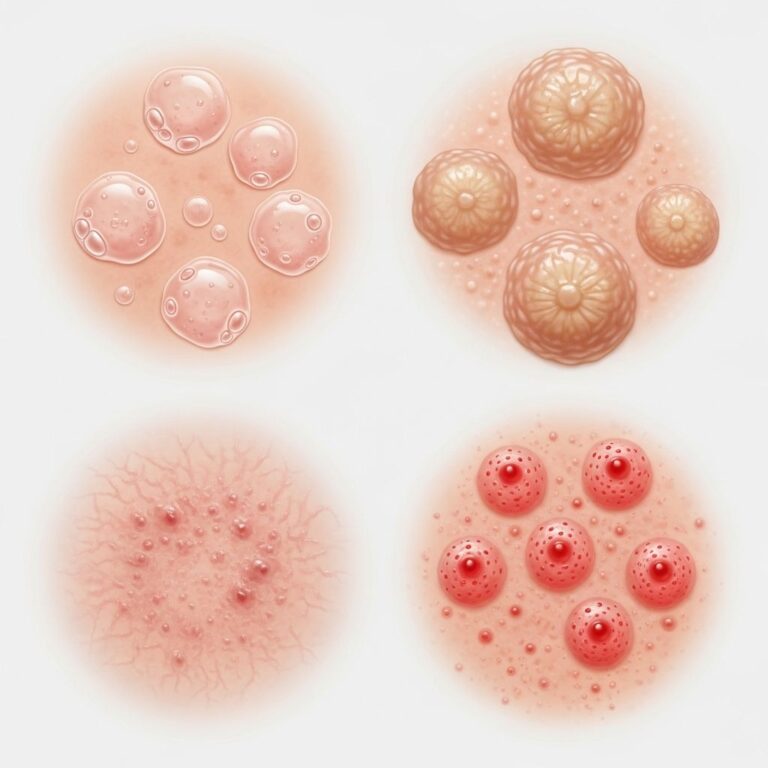
**Hidradenitis suppurativa (HS)**, also known as acne inversa, affects approximately 1% of the population, predominantly women and individuals with a family history of the condition. It manifests as recurrent, painful nodules and tunnels under the skin, often leading to drainage, odor, and severe scarring if untreated. The condition is driven by blocked hair follicles that trap bacteria, triggering an overactive immune response and chronic inflammation.
HS is classified into stages: Hurley Stage I involves single abscesses without sinus tracts; Stage II features recurrent lesions with scarring; and Stage III involves widespread interconnected tracts and abscesses. Early intervention is crucial to prevent progression, and treatments range from topical therapies to biologics like adalimumab (Humira).
- Common symptoms: Painful bumps, pus-filled abscesses, tunneling, and foul-smelling discharge.
- Risk factors: Smoking, obesity, genetics, and hormonal influences.
- Impact: Significant quality-of-life reduction due to pain, mobility issues, and emotional distress.
How Laser Hair Removal Helps HS
Laser hair removal works by delivering concentrated light energy to hair follicles, heating and destroying them without damaging surrounding skin. In HS, this reduces the follicular occlusion that initiates inflammation, preventing new lesions and calming existing ones. Unlike shaving or waxing, which can irritate skin and worsen flares, laser therapy provides long-term hair reduction.
Clinical evidence supports its efficacy. A randomized controlled trial using 755-nm alexandrite laser showed patients receiving four monthly treatments had about
70% fewer lesions
in treated areas compared to controls. A systematic review and meta-analysis confirmed50–75% reductions in flare-ups
across studies, with smoother skin persisting for months post-treatment.The precision of lasers like Nd:YAG, diode, or alexandrite allows targeting of affected areas only, making it ideal for sensitive zones. Sessions typically last 15-30 minutes, with mild redness resolving quickly.
Benefits of Laser Hair Removal for HS
- Reduces Lesion Count: Targets root cause, decreasing nodules by up to 70% after a few sessions.
- Prevents Flare-Ups: Long-term hair reduction minimizes triggers for 6-12 months or more.
- Improves Skin Texture: Less scarring and smoother appearance over time.
- Minimizes Pain: Fewer abscesses mean less discomfort and drainage.
- Non-Invasive: Outpatient procedure with minimal downtime compared to surgery.
Patients often report enhanced confidence and mobility, allowing better adherence to daily activities.
Related Stories



The Laser Hair Removal Procedure for HS
Treatment begins with a consultation to assess HS stage, skin type, and hair color (darker hair responds best). Shaving the area is required pre-treatment to focus energy on follicles.
- Preparation: Avoid sun exposure, retinoids, and waxing for 4-6 weeks prior.
- Session: Protective eyewear is worn; cooling gel applied; laser pulses delivered in a grid pattern.
- Post-Care: Apply soothing creams, avoid heat/sweat for 48 hours, and use gentle cleansers.
- Frequency: 4-8 sessions, 4-6 weeks apart, for optimal results.
Side effects are rare: temporary redness, swelling, or pigment changes, especially in darker skin tones. Providers adjust settings for safety.
Effectiveness and Clinical Evidence
Multiple studies validate laser therapy’s role in HS management. The 2024 JAAD International trial (Sidhom et al.) demonstrated superior lesion reduction with alexandrite laser versus sham treatment. A Lasers in Surgery and Medicine meta-analysis (Shipman et al.) pooled data showing consistent improvements across laser types.
| Study | Laser Type | Key Finding | Follow-Up |
|---|---|---|---|
| Sidhom et al., 2024 | 755-nm Alexandrite | 70% lesion reduction | 4 months |
| Shipman et al., 2024 | Various | 50-75% flare reduction | 6-12 months |
| Kanwal et al., 2024 | IPL/Laser | Improved efficacy in mild-moderate HS | 3-6 months |
Long-term data indicates sustained benefits when combined with medical therapies.
Who Is a Good Candidate?
Ideal candidates have mild to moderate HS (Hurley I-II) with active hair growth in affected areas. It’s suitable for most skin types, though multiple sessions may be needed for lighter hair. Contraindications include active infections, pregnancy, or photosensitive medications. Consult a dermatologist experienced in HS for personalized advice.
Combining Laser with Other HS Treatments
Laser hair removal enhances standard therapies. Biologics like
Humira (adalimumab)
, FDA-approved for moderate-severe HS, target TNF-alpha to reduce inflammation systemically. Topical clindamycin or oral antibiotics manage bacteria, while intralesional steroids shrink nodules.- Laser + Humira: Synergistic for faster remission.
- With weight loss: Reduces mechanical stress on skin folds.
- Surgical excision for severe Stage III cases post-laser stabilization.
Lifestyle Changes to Optimize Results
Maximizing laser outcomes requires holistic care:
- Wear Loose Clothing: Breathable fabrics reduce friction.
- Quit Smoking: Tobacco exacerbates inflammation.
- Healthy Weight & Diet: Anti-inflammatory foods like fruits, veggies, and omega-3s aid healing.
- Stress Management: Yoga, meditation, and 7-9 hours sleep nightly.
- Hygiene: Gentle antiseptics without harsh scrubbing.
Studies link these changes to fewer flares, amplifying laser benefits.
Risks and Side Effects
Generally safe, but possible issues include:
- Hyperpigmentation/hypopigmentation (1-5% risk, temporary).
- Blistering or crusting in sensitive skin.
- Paradoxical hair growth (rare).
Experienced providers minimize risks through patch tests and tailored protocols.
Frequently Asked Questions (FAQs)
Is laser hair removal painful for HS patients?
Mild discomfort like a rubber band snap; numbing creams and cooling make it tolerable.
How many sessions are needed for HS?
Typically 4-8, spaced 4 weeks apart, with maintenance every 6-12 months.
Can laser cure HS completely?
No, but it significantly reduces symptoms and prevents progression when combined with other treatments.
Does insurance cover laser for HS?
Often not, as it’s off-label; check with providers for financing options.
Is it safe for dark skin tones?
Yes, with Nd:YAG lasers designed for melanin-rich skin.
Choosing a Provider
Seek board-certified dermatologists specializing in HS and laser tech. Facilities like academic centers or dedicated clinics offer advanced devices and protocols. Initial consults evaluate fit and set expectations.
Laser hair removal represents a targeted, evidence-based approach to managing HS, offering hope for fewer flares and better skin health. Consult a specialist to see if it’s right for you.
References
- Treatment of hidradenitis suppurativa with 755-nm alexandrite laser hair removal: A randomized controlled trial — Sidhom M, et al. JAAD International. 2024-07-01. https://pubmed.ncbi.nlm.nih.gov/39072264/
- Efficacy of laser hair removal in hidradenitis suppurativa: A systematic review and meta-analysis — Shipman WD III, et al. Lasers in Surgery and Medicine. 2024-05. https://onlinelibrary.wiley.com/doi/10.1002/lsm.23748
- The efficacy of intense pulsed light and laser hair removal in hidradenitis suppurativa treatment — Kanwal A, et al. Journal of Drugs in Dermatology. 2024-11. https://jddonline.com/articles/the-efficacy-of-intense-pulsed-light-and-laser-hair-removal-in-hidradenitis-suppurativa-treatm-S1545961624P0926X/
- Lifestyle Factors in Hidradenitis Suppurativa — Journal of Integrative Dermatology. 2023. https://www.jintegrativederm.org/article/123456
- Nutrients and Hidradenitis Suppurativa — Giovanelli L, et al. Nutrients. 2019-09. https://www.mdpi.com/2072-6643/11/9/2065
Similar Articles








Read full bio of medha deb