Hidradenitis Suppurativa Causes: Triggers & Risk Factors
Unraveling the complex causes of hidradenitis suppurativa, from genetics and immunity to lifestyle factors like smoking and obesity.
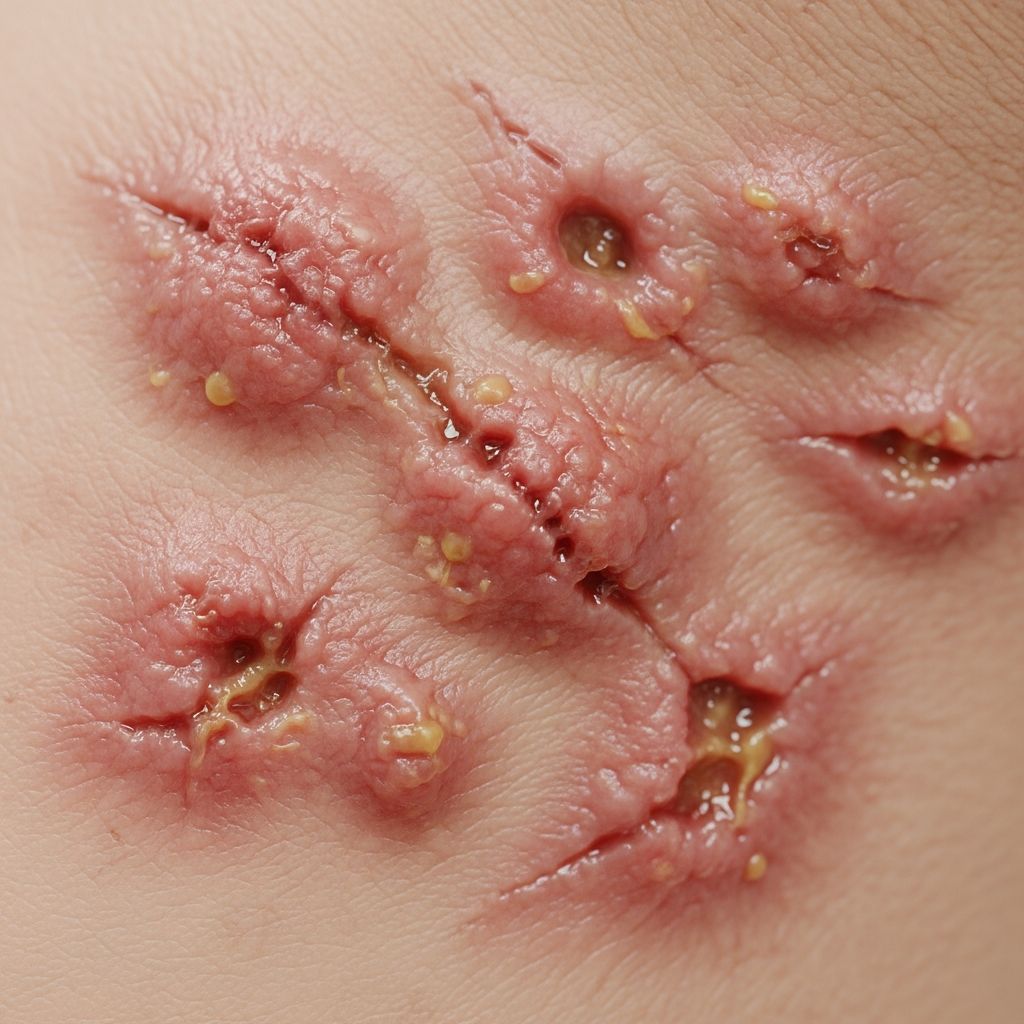
Hidradenitis suppurativa (HS) is a chronic inflammatory skin disease characterized by painful nodules, abscesses, and scarring, primarily in areas like the armpits, groin, and under the breasts. The exact etiology remains unknown, but it involves a combination of follicular occlusion, genetic predisposition, immune dysregulation, and environmental triggers such as smoking and obesity.
What Is Hidradenitis Suppurativa?
Hidradenitis suppurativa, often abbreviated as HS, manifests as recurrent, painful lumps under the skin that can rupture, drain pus, and form sinus tracts or tunnels. These lesions typically occur in apocrine gland-bearing areas where skin rubs together, leading to significant pain, odor, and impaired quality of life. Unlike acne, HS affects deeper skin structures and is not primarily bacterial in origin, though secondary infections can occur.
The condition progresses in stages: Hurley stage I involves single abscesses without sinus tracts; stage II features recurrent lesions with tracts; and stage III involves widespread interconnected lesions and scarring. Postpubertal onset is common, with females more affected, and symptoms worsening with obesity or smoking.
Pathophysiology: How HS Develops
The pathogenesis of HS begins with hyperkeratinization and occlusion of the hair follicle, leading to dilation, rupture, and an inflammatory cascade. Keratin and sebum accumulate, fostering bacterial overgrowth and immune activation, resulting in nodules, abscesses, and chronic inflammation. This creates a cycle of tissue destruction, fistula formation, and scarring.
Key steps include:
- Perifollicular inflammation and follicular plugging.
- Follicle rupture spilling contents into the dermis.
- Immune-mediated inflammation with cytokine release (e.g., TNF-α).
- Biofilm formation in tracts exacerbating suppuration.
Sustained inflammation links HS to systemic effects, including metabolic syndrome and cardiovascular risks.
Genetic Factors in HS
Genetics play a crucial role, with familial clustering observed in 30-40% of cases. Mutations in gamma-secretase genes like NCSTN, PSEN1, and PSENEN disrupt Notch signaling, impairing follicular integrity and immunity. These are more common in early-onset, severe HS.
Syndromic forms include PASH (pyoderma gangrenosum, acne, HS), PAPASH (pyogenic arthritis, pyoderma gangrenosum, acne, HS), and PASS syndromes, featuring autoinflammatory flares with fever and elevated markers. Family history increases risk, supporting genetic counseling for at-risk individuals.
Immune System Dysfunction
HS is increasingly viewed as an autoinflammatory disease with dysregulated innate immunity. Overproduction of pro-inflammatory cytokines like TNF-α, IL-1β, and IL-17 drives chronic inflammation. Associations with Crohn’s disease, pyoderma gangrenosum, and spondyloarthropathies underscore shared immune pathways.
Inflammasome activation leads to excessive keratinocyte proliferation and impaired resolution of inflammation. Biologics targeting TNF (e.g., adalimumab) confirm immune dysregulation’s centrality.
Role of Bacteria
While not the primary cause, bacteria contribute secondarily. Cultures from HS lesions often show skin commensals or are sterile, but sinus tracts harbor biofilms of Staphylococcus and anaerobes, promoting flares. Dysbiosis in the skin microbiome may perpetuate inflammation, though antibiotics provide temporary relief rather than cure.
Related Stories



Smoking as a Major Risk Factor
Smoking is strongly linked to HS, affecting 70-90% of patients. Nicotine induces epidermal hyperplasia, keratinocyte proliferation, and inflammation via aryl hydrocarbon receptors. Dose-response ties pack-years to severity, and cessation improves symptoms in some.
| Smoking Impact on HS | Evidence |
|---|---|
| Increased prevalence (70-90% of cases) | Observational studies |
| Worsens severity | Dose-dependent association |
| Pathogenic mechanism | Hyperkeratosis, inflammation |
| Benefit of quitting | Symptom reduction |
Obesity and Metabolic Factors
Obesity triples HS risk via mechanical friction, adipokine-driven inflammation, and insulin resistance. Higher BMI correlates with severity; weight loss (e.g., bariatric surgery) reduces flares by 50% in studies. Associated conditions include metabolic syndrome, diabetes, and dyslipidemia.
Friction in skin folds exacerbates follicular occlusion, while systemic inflammation amplifies disease.
Hormonal Influences
HS often flares premenstrually, suggesting androgen or hormonal roles, though evidence is mixed. Postpubertal onset and female predominance (3:1 ratio) implicate sex hormones in apocrine gland activity and keratinization.
Demographic Risk Factors
- Sex: Females 3 times more affected, possibly due to hormones or reporting bias.
- Age: Onset teens to 40s, peaking in 20s.
- Race: Higher in Black individuals, potentially genetic.
- Family history: Inherited tendency.
Associated Conditions and Comorbidities
HS links to systemic diseases:
- Inflammatory bowel disease (Crohn’s).
- Psoriasis, severe acne, arthritis.
- Cardiovascular risks (atherosclerosis, metabolic syndrome).
- Psychiatric issues (depression, anxiety).
- Rarely, squamous cell carcinoma in chronic perianal lesions.
These suggest HS as a systemic inflammatory disorder.
Other Potential Triggers
Excess weight, friction, and endocrine factors contribute. No clear role for diet or hygiene, though weight management helps. HS in Down syndrome is noted but rare.
Diagnosis and When to See a Doctor
Diagnosis is clinical, based on history and lesions. Biopsy rules out mimics. Seek care for recurrent painful lumps draining pus, especially if scarring or tunneling occurs. Early intervention prevents progression.
Treatment Overview
Management targets inflammation and risks: weight loss, smoking cessation, antibiotics for flares, biologics (adalimumab FDA-approved), surgery for advanced disease. Multidisciplinary care improves outcomes.
Frequently Asked Questions (FAQs)
What causes hidradenitis suppurativa?
HS arises from follicular occlusion, genetics, immune dysregulation, aggravated by smoking and obesity.
Is HS genetic?
Yes, mutations in NCSTN, PSEN1, PSENEN, and family history increase risk.
Does smoking cause HS?
It strongly associates (70-90% of cases) and worsens severity; quitting helps.
Can weight loss improve HS?
Yes, reducing BMI alleviates friction and inflammation.
Is HS curable?
No, but manageable with lifestyle changes, meds, and surgery.
Why more common in women?
Hormonal factors and skin folds; 3:1 female:male ratio.
References
- Hidradenitis suppurativa causes and risk factors — Medical News Today. 2023-10-01. https://www.medicalnewstoday.com/articles/hidradenitis-suppurativa-causes
- Hidradenitis Suppurativa: Causes, Features, and Current Treatments — PMC (NCBI). 2018-11-15. https://pmc.ncbi.nlm.nih.gov/articles/PMC6239161/
- Hidradenitis suppurativa – Symptoms and causes — Mayo Clinic. 2023-08-09. https://www.mayoclinic.org/diseases-conditions/hidradenitis-suppurativa/symptoms-causes/syc-20352306
- Resources on Hidradenitis Suppurativa and Down Syndrome — Advocate Health. 2024-01-01. https://adscresources.advocatehealth.com/news/resources-on-hidradenitis-suppurativa/
Similar Articles








Read full bio of Sneha Tete