Hidradenitis Suppurativa Diagnosis: 5 Tips To Get Diagnosed
Understand the challenges of diagnosing hidradenitis suppurativa, from delayed recognition to effective strategies for accurate identification.
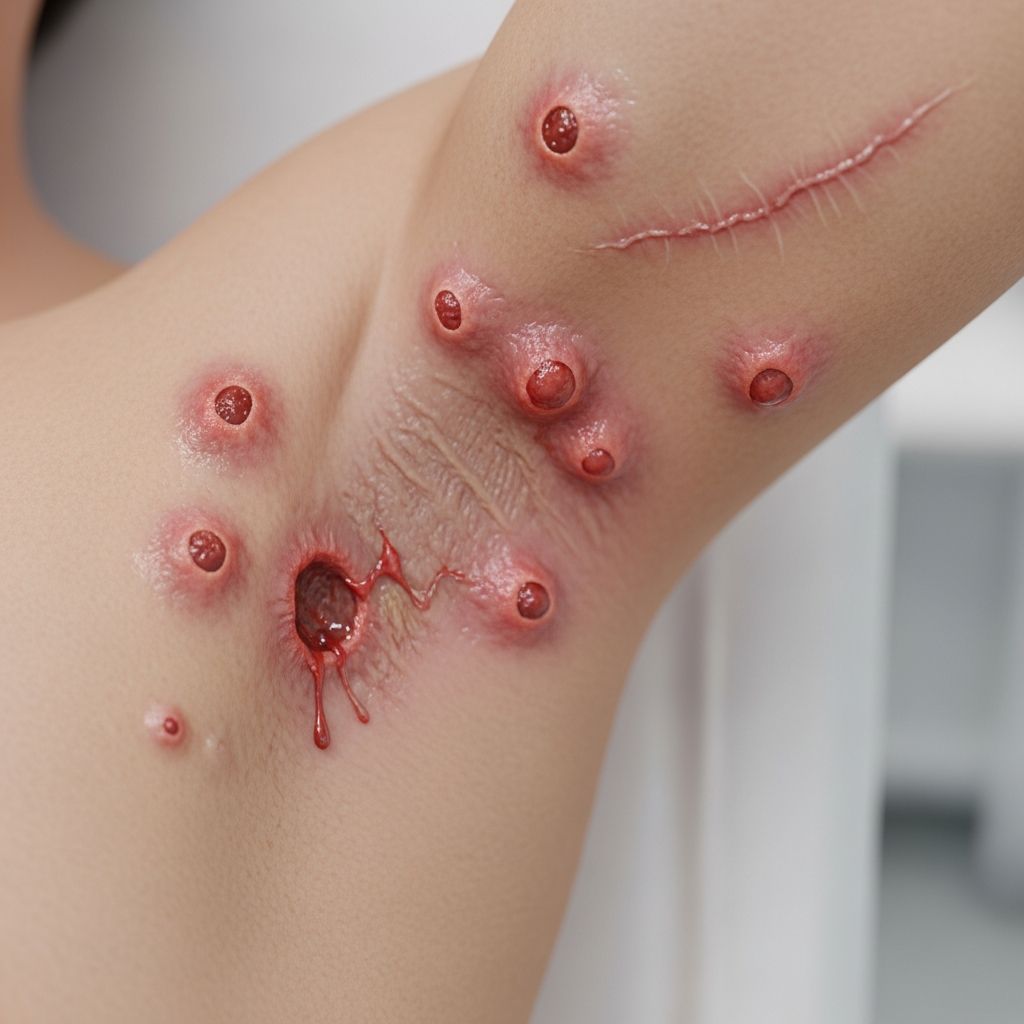
Hidradenitis suppurativa (HS) is a chronic inflammatory skin condition characterized by painful, recurring abscesses and nodules, primarily in areas like the armpits, groin, and under the breasts. Diagnosis often takes 3 to 10 years due to misdiagnosis and limited awareness, leading to prolonged suffering and scarring.
What Is Hidradenitis Suppurativa?
Hidradenitis suppurativa, commonly abbreviated as HS, involves blocked hair follicles that evolve into inflamed lesions, tunnels under the skin, and chronic drainage. Unlike simple boils, HS lesions are deep, painful, and recurrent, often progressing to severe stages if untreated. The condition affects about 1% of the population, predominantly women, with onset typically in young adulthood.
Symptoms start as small, tender bumps resembling pimples or folliculitis but worsen into abscesses filled with pus. Over time, these can form sinus tracts—tunnels connecting lesions—and lead to scarring that restricts movement. Pain levels vary but can be debilitating, interfering with daily activities, work, and sleep.
Symptoms of Hidradenitis Suppurativa
- Painful nodules: Firm, pea-sized lumps under the skin in friction-prone areas like armpits, groin, buttocks, thighs, or under breasts.
- Abscesses: Swollen, pus-filled boils that rupture and drain foul-smelling fluid.
- Tunneling (sinus tracts): Narrow channels under the skin linking lesions, causing persistent leakage.
- Scarring: Thick, rope-like scars or pitted skin after healing.
- Flare-ups: Episodes triggered by stress, hormones, obesity, or smoking, lasting days to months.
Early symptoms are often mistaken for acne, ingrown hairs, or infections, delaying recognition.
Why Is HS So Hard to Diagnose?
The average diagnostic delay for HS is nearly 10 years, with patients visiting multiple providers and enduring misdiagnoses. This stems from low disease awareness, nonspecific early symptoms, and stigma associating HS with poor hygiene—despite no link to cleanliness.
Insurance claims data from over 8,900 U.S. patients shows initial diagnoses often by family medicine (24%) or dermatology (21%), but nondermatologists predominate early on. Dermatology referrals increase post-diagnosis, reducing emergency visits.
Stigma exacerbates delays: Patients hide symptoms due to odor, embarrassment, or fear of judgment, avoiding care. Racial biases also play a role, with myths like ‘HS is a Black woman’s disease’ alienating others.
Common Misdiagnoses and Myths
HS is frequently confused with:
- Folliculitis or boils
- Crohns disease (due to perianal involvement)
- Infections like MRSA
- Acne or hidradenitis (non-suppurativa)
Myths persist: Many blame hygiene, leading patients to scrub excessively, worsening irritation. One patient recalled doctors saying, ‘Clean better,’ despite scrubbing until bleeding. Racial stereotypes further hinder, as seen in cases where non-Black patients were dismissed.
Diagnostic Criteria for HS
HS diagnosis is clinical, based on three Hurley criteria:
| Hurley Stage | Description |
|---|---|
| Stage 1 | Single or multiple abscesses without sinus tracts or scarring. |
| Stage 2 | Recurrent abscesses with sinus tracts and scarring, separated by normal skin. |
| Stage 3 | Diffuse involvement with multiple interconnected tracts and scarring. |
Related Stories



No lab test confirms HS; biopsy is rare and used to rule out mimics like tuberculosis. Key is history: recurrent lesions in typical sites for over 6 months.
Efforts to improve include education for primary care to refer promptly to dermatologists, who handle 25% of follow-up diagnoses.
The Patient Journey: Real Stories
Personal accounts highlight diagnostic struggles. Belinda Rubio developed symptoms at age 8, blamed on hygiene, enduring 13-15 lancings without diagnosis until her 20s. Long-term antibiotics caused severe side effects before biologics.
Brindley Brooks, symptomatic at 10, faced ‘recurrent boils’ label and racial dismissal until age 16. Surgery later induced remission, leading to advocacy via HS Connect.
Other stories involve ER persistence yielding stage 3 diagnoses or nutrition-led remission post-childbirth flares. These underscore emotional toll: isolation, defeat, and invalidated pain.
Who Diagnoses HS?
First diagnoses split across specialties:
- Family medicine/general practice: 24%
- Dermatology: 21%
- Internal medicine, surgery, emergency: Remainder
Dermatologists dominate subsequent care (24-25%), improving management. Early nondermatologist involvement delays specialist access.
Patients average age 37 at diagnosis (women 36, men 42). Prevalence matches 0.3% literature estimates.
Tips for Getting Diagnosed Faster
- Track symptoms: Photograph lesions, note locations, frequency, triggers.
- Seek dermatology: Request referral if primary care unsure.
- Advocate: Use ‘hidradenitis suppurativa’ term; mention family history (possible genetic link).
- Join support: Groups like HS Connect provide validation, tips.
- Prepare questions: Ask about Hurley stage, biologics, surgery.
Persistent ER or second opinions can breakthrough, as in cases yielding rapid diagnoses.
Treatment After Diagnosis
Post-diagnosis, options escalate by stage: topical antibiotics (clindamycin) for mild; oral meds (tetracycline) or biologics (adalimumab, FDA-approved for HS) for moderate-severe. Surgery removes tracts in advanced cases. Nutrition, weight management aid remission.
Biologics may lose efficacy, termed ‘failing treatment,’ requiring switches.
Frequently Asked Questions (FAQs)
What is the average time to HS diagnosis?
Typically 3-10 years, due to misdiagnosis and low awareness.
Can HS be diagnosed without a biopsy?
Yes, it’s clinical based on recurrent lesions in specific sites.
Is HS caused by poor hygiene?
No, it’s inflammatory, not infectious; hygiene myths delay care.
Which doctor should I see for HS?
Dermatologist ideally; primary care often first but refer quickly.
Can diet help HS after diagnosis?
Yes, anti-inflammatory, gluten-free approaches aided some remissions.
References
- Real Talk About Getting Diagnosed With HS — HealthCentral. 2023. https://www.healthcentral.com/condition/hidradenitis-suppurativa/real-talk-about-hs-diagnosis
- Diagnosis and management of hidradenitis suppurativa: Analysis of US insurance claims data — JAAD International (NIH/PMC). 2023-10-21. https://pmc.ncbi.nlm.nih.gov/articles/PMC10696258/
Similar Articles








Read full bio of medha deb