Hidradenitis Suppurativa Prevention: What You Need To Know
Learn proven strategies to prevent hidradenitis suppurativa flares and manage this chronic skin condition effectively for better quality of life.
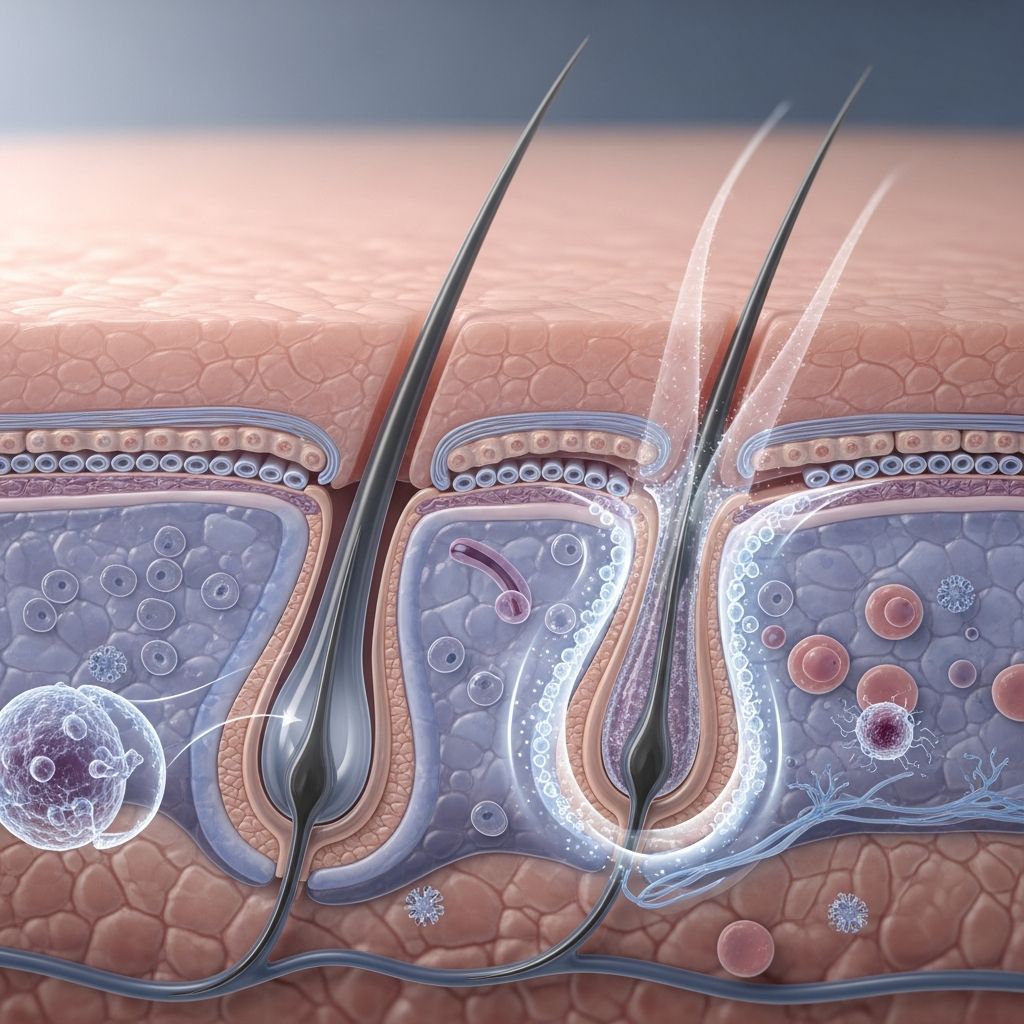
Hidradenitis suppurativa (HS) is a chronic inflammatory skin condition characterized by painful lumps, abscesses, and tunnels under the skin, primarily in areas like armpits, groin, and under breasts. While there is no cure, prevention strategies can significantly reduce flare frequency and severity, improving quality of life. Early intervention is crucial to prevent disease progression and complications.
What Is Hidradenitis Suppurativa?
HS involves recurring painful nodules, abscesses, and sinus tracts in apocrine gland-bearing areas. It affects 1-4% of the population, with higher prevalence in women, smokers, and those with obesity or family history. The disease progresses through Hurley stages: Stage I (single lesions), Stage II (recurrent lesions with scarring), and Stage III (diffuse interconnected tracts). Delayed diagnosis, averaging 7-10 years, worsens outcomes.
Pathogenesis includes follicular occlusion, bacterial overgrowth, inflammation, and immune dysregulation. Risk factors encompass smoking (up to 90% of patients), obesity (BMI >30 triples risk), genetics, and comorbidities like metabolic syndrome.
Why Prevention Matters for HS
Prevention targets modifiable risk factors to halt progression from mild to severe disease. Untreated HS leads to scarring, fistulas, restricted mobility, chronic pain, depression, and reduced quality of life. Studies show early multifaceted approaches—lifestyle changes, hygiene, and treatments—reduce morbidity and improve outcomes. For instance, weight loss and smoking cessation correlate with fewer flares.
Lifestyle Changes to Prevent HS Flares
Modifying daily habits is foundational for HS management.
- Weight Management: Obesity exacerbates HS by increasing skin friction and inflammation. A 10-15% body weight reduction via calorie-controlled diets (e.g., Mediterranean) and exercise can decrease flares by 50% in Hurley Stage I/II patients. Aim for 150 minutes of moderate aerobic activity weekly, focusing on low-impact options like swimming to avoid friction.
- Smoking Cessation: Nicotine impairs wound healing and promotes inflammation; 70-90% of HS patients smoke. Quitting reduces disease severity; use nicotine replacement, counseling, or medications like varenicline. Programs report 30% flare reduction post-cessation.
- Dietary Adjustments: Limit dairy, yeast, and high-glycemic foods, which may trigger inflammation via IGF-1 pathways. Anti-inflammatory diets rich in omega-3s (fish, nuts) and turmeric show anecdotal benefits. Track triggers with a food diary.
- Clothing and Friction Reduction: Wear loose, breathable cotton fabrics; avoid underwire bras. Use barrier creams or zinc oxide to minimize rubbing in affected areas.
Hygiene Practices for HS Prevention
Gentle hygiene prevents bacterial overgrowth without irritating skin.
- Clean affected areas twice daily with fragrance-free, antibacterial washes like chlorhexidine 4% or benzoyl peroxide 10%. Pat dry gently; avoid harsh scrubbing.
- After sweating or bowel movements, cleanse promptly to reduce moisture buildup.
- Shave cautiously or use clippers; depilatories or laser hair removal may prevent follicular occlusion in mild cases.
Avoid tight clothing post-hygiene to promote airflow. These practices reduce superinfections, a common flare trigger.
Medical Treatments to Prevent HS Progression
Pharmacotherapy complements lifestyle measures, tailored by Hurley stage.
| Hurley Stage | Prevention-Focused Treatments | Evidence |
|---|---|---|
| Stage I (Mild) | Topical clindamycin 1% twice daily; zinc gluconate 90mg daily | RCTs show 60% improvement vs. placebo |
| Stage II (Moderate) | Oral tetracyclines (500mg BID x3 months); rifampin-clindamycin combo | Case series: 70% response rate |
| Stage III (Severe) | Biologics (adalimumab 40mg weekly); surgery for tracts | Phase III RCTs: HiSCR in 50% patients |
Related Stories



Topical agents target localized disease; systemic antibiotics leverage anti-inflammatory effects despite unclear antimicrobial role. Biologics like adalimumab (FDA-approved for moderate-severe HS) block TNF-alpha, achieving clinical response in 46-58% of patients in RCTs. Adjuvants include metformin for metabolic control and pain management with NSAIDs or opioids.
Surgical and Procedural Interventions
For persistent lesions, surgery prevents recurrence.
- Incision and Drainage: For acute abscesses, but not preventive.
- Wide Excision: Removes tracts in Stage II/III; recurrence risk 20-30%.
- Laser Therapy: CO2 or Nd:YAG reduces hair follicles, preventing occlusion; 70% improvement in mild-moderate HS.
- DERMOIDECTOMY: Early deroofing of sinuses halts progression.
Combine with medical therapy for best outcomes.
Managing Comorbidities and Psychological Impact
HS links to IBD, PCOS, depression (40% prevalence), and cardiovascular disease. Screen and treat comorbidities: statins for dyslipidemia, psychotherapy/CBT for mental health. Pain management improves adherence; multidisciplinary care (dermatologist, surgeon, psychologist) optimizes prevention.
Monitoring and Early Flare Detection
Track symptoms with apps or journals. Early signs (itching, induration) warrant intensified hygiene/topicals. Regular dermatologist visits (every 3-6 months) adjust plans. HS-specific QoL tools like HiSQOL guide therapy.
Frequently Asked Questions (FAQs)
What causes hidradenitis suppurativa flares?
Flares stem from friction, sweating, hormonal changes, stress, obesity, smoking, and infections. Identifying personal triggers is key to prevention.
Can diet prevent HS flares?
While not curative, low-dairy, anti-inflammatory diets reduce flares in some; evidence is emerging but promising.
Is hidradenitis suppurativa curable?
No cure exists, but prevention strategies achieve long-term remission in 50-70% with adherence.
How long until prevention strategies work?
Lifestyle changes show benefits in 3-6 months; medications in 12 weeks. Consistency is essential.
Should I quit smoking for HS?
Yes, cessation is the single most impactful prevention step, reducing severity significantly.
Conclusion
Preventing HS requires a holistic approach: lifestyle optimization, hygiene, targeted therapies, and expert care. Early action prevents progression, enhances QoL, and minimizes surgery needs. Consult a dermatologist for personalized plans.
References
- Hidradenitis Suppurativa: Causes, Features, and Current Treatments — Zouboulis CC et al. PMC. 2018-11-20. https://pmc.ncbi.nlm.nih.gov/articles/PMC6239161/
- Improving Hidradenitis Suppurativa Outcomes by Addressing Treatment Gaps — Santoro C et al. American Journal of Managed Care. 2023-01-01. https://www.ajmc.com/view/improving-hidradenitis-suppurativa-outcomes-by-addressing-treatment-gaps
Similar Articles








Read full bio of Sneha Tete