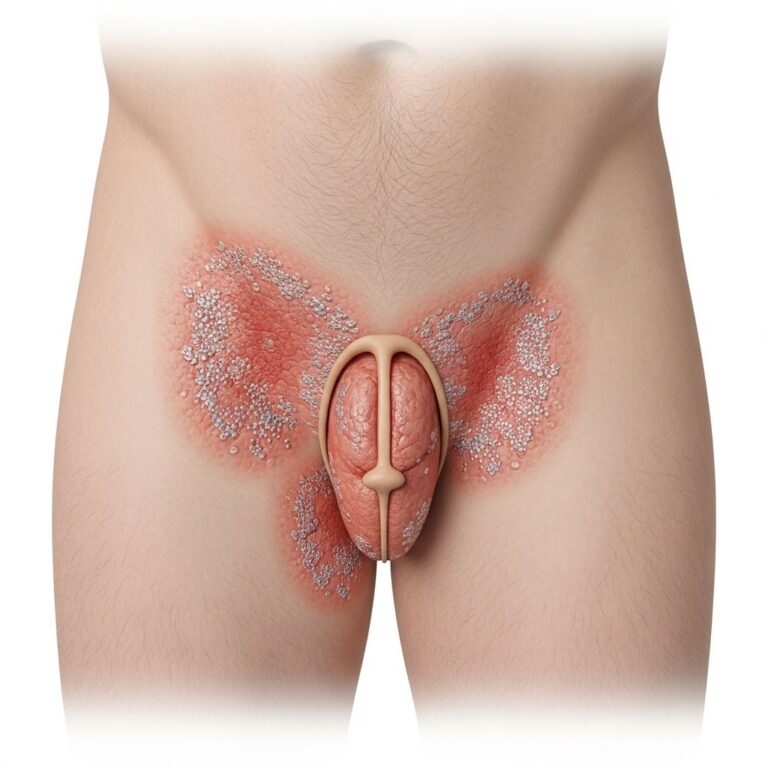
Hidradenitis Suppurativa Surgery: 5 Options, Risks and Recovery
Explore surgical options, preparation, recovery, and risks for managing hidradenitis suppurativa effectively.
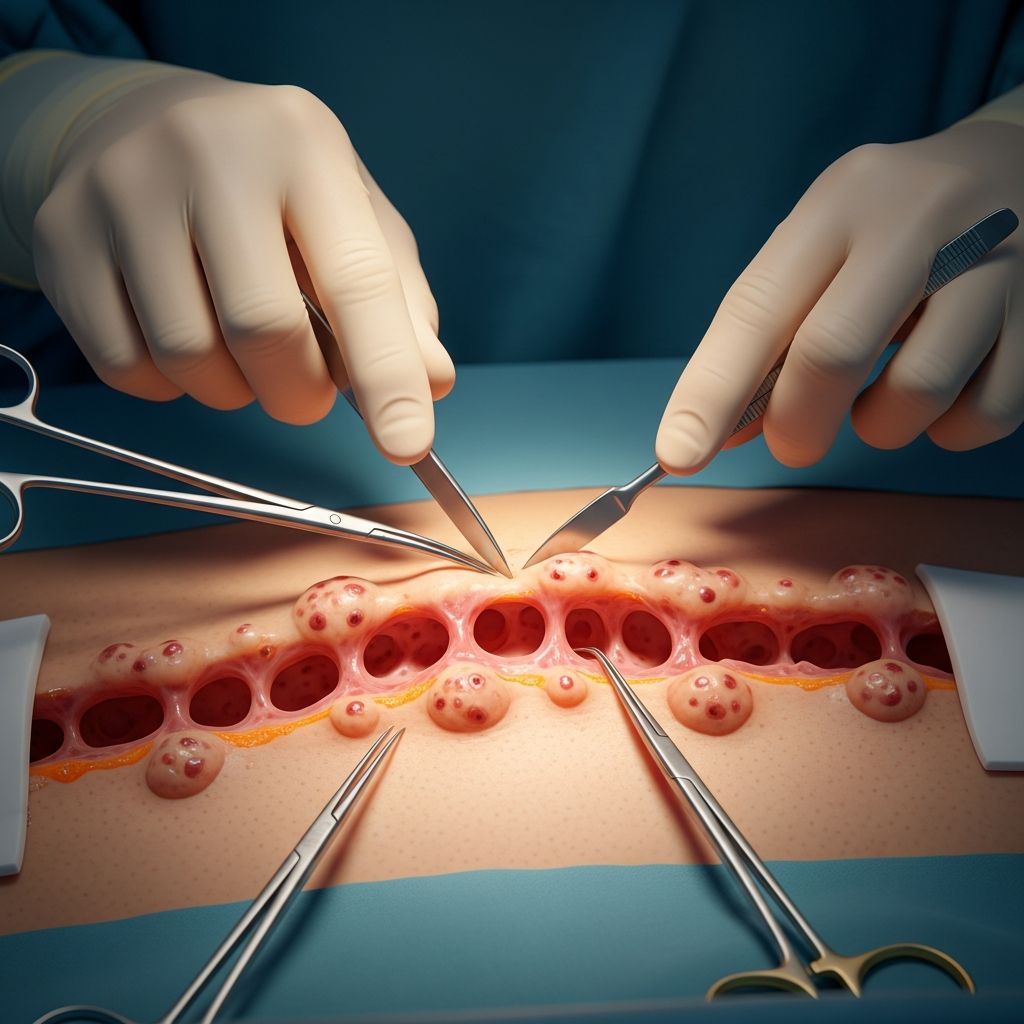
Hidradenitis suppurativa (HS) is a chronic inflammatory skin condition causing painful lumps, abscesses, and tunnels under the skin, primarily in areas like armpits, groin, and under breasts. While medical treatments like antibiotics and biologics help manage symptoms, surgery becomes necessary for severe, persistent cases to remove diseased tissue and promote healing. Surgery can provide long-term relief but carries risks like recurrence and infection, especially in HS patients with comorbidities.
What Is Hidradenitis Suppurativa?
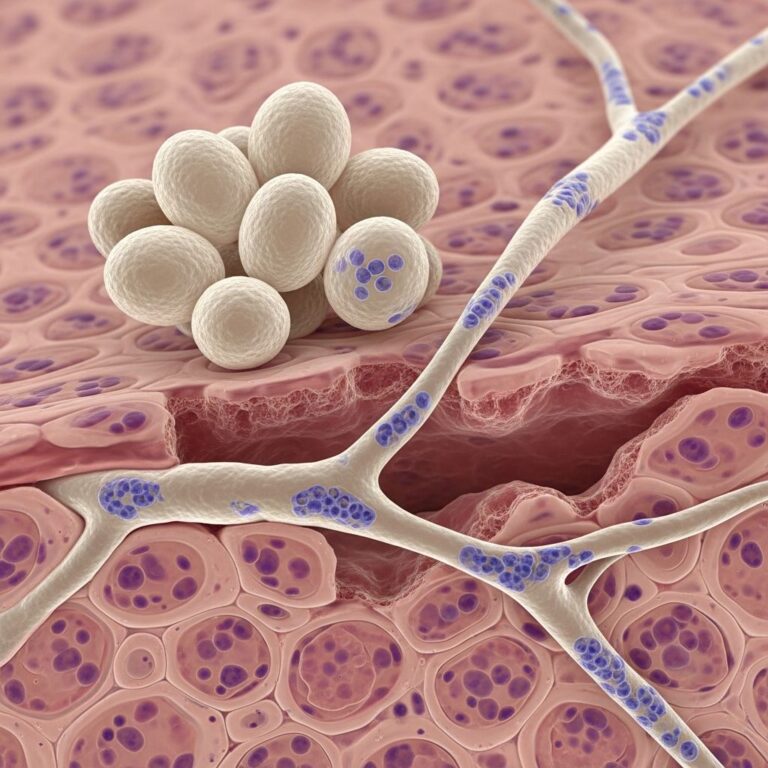
HS, also known as acne inversa, affects hair follicles and apocrine glands, leading to blocked pores, inflammation, and sinus tract formation. It impacts about 1% of the population, more commonly women and those with obesity, smoking history, or family predisposition. Severity is staged using Hurley criteria: Stage I (single abscesses without scarring), Stage II (recurrent lesions with sinus tracts), and Stage III (diffuse involvement with multiple interconnected tracts). Early diagnosis is delayed by an average of 7.2 years due to misdiagnosis as boils or folliculitis.
Symptoms include painful nodules that rupture, drain pus, and heal with scarring, forming tunnels (sinus tracts). Flare-ups are triggered by friction, sweating, smoking, and hormonal changes. Conservative treatments fail in advanced stages, making surgery essential for quality of life improvement.
Why Is Surgery Needed for HS?
Surgery is recommended when medical therapies fail to control recurrent, debilitating lesions, particularly in Hurley Stage II or III. Goals include excising diseased tissue, preventing recurrence, and restoring function. Untreated HS leads to chronic pain, mobility issues, and secondary infections. Studies show surgery reduces recurrence rates compared to incision and drainage alone, though overall recurrence can reach 35% post-closure.
Indications for surgery:
- Recurrent abscesses unresponsive to medications.
- Extensive sinus tracts causing fibrosis and contractures.
- Lesions interfering with daily activities or hygiene.
- Complications like cellulitis or osteomyelitis.
Pre-surgical evaluation assesses disease extent via ultrasound or MRI to map tunnels accurately.
Types of Surgery for HS
Several surgical approaches exist, tailored to lesion location, size, and stage. Choice depends on surgeon expertise, often involving dermatologists or plastic surgeons.
| Surgery Type | Description | Best For | Pros | Cons |
|---|---|---|---|---|
| Incision and Drainage (I&D) | Makes a small cut to drain pus from abscesses. | Acute flares, Stage I. | Quick, outpatient. | High recurrence; doesn’t remove tracts. |
| Unroofing/Deroofing | Opens sinus tracts, removes roof of cavities, allows healing by secondary intention. | Stage II, limited areas. | Lower recurrence; preserves skin. | Long healing time; odor during recovery. |
| Wide Local Excision | Removes all affected skin and subcutaneous tissue with 1-2 cm margins. | Stage II-III, focal disease. | Effective for clearance. | Large wounds; needs reconstruction. |
| Laser Treatment (CO2 or Nd:YAG) | Ablates tissue using laser energy. | Early-mid stage, small areas. | Minimally invasive; less scarring. | Not for extensive disease; multiple sessions. |
| Skin Grafts/Flaps | Excises HS tissue, covers defect with graft or flap. | Large defects post-excision. | Good cosmetic results. | Donor site morbidity; graft failure risk. |
Wide excision with healing by secondary intention is favored for axillary and perianal HS, showing recurrence rates under 20% in some studies.
Preparing for HS Surgery
Preoperative optimization is critical due to HS’s association with obesity, diabetes, smoking, and poor wound healing. A multidisciplinary team—including dermatologists, surgeons, and nutritionists—guides preparation.
Key Preoperative Steps:
- Optimize HS Control: Use biologics like adalimumab or antibiotics to quiesce active lesions. Avoid surgery during flares.
- Smoking Cessation: Smoking impairs healing; quit at least 4-6 weeks prior.
- Weight Management: BMI reduction via diet and exercise lowers complication risks.
- Comorbidity Control: Stabilize diabetes (HbA1c <7%), treat anemia.
- Imaging: Ultrasound/MRI to delineate tracts.
- Patient Education: Discuss expectations, pain, healing timeline.
Related Stories



Table 1 from evidence outlines recommendations:
| Circumstance | Recommendations | Resources |
|---|---|---|
| Pre-operative care: Knowledge of HS | Refer to HS specialty clinic | HS Foundation |
| Pre-operative care: Smoking | Cessation programs | Smoking cessation clinics |
| Pre-operative care: Nutrition | High-protein diet, supplements | Dietitian consult |
| Perioperative care: Wound management | Negative pressure therapy | Wound care specialists |
Surgical Procedure: What to Expect
HS surgery is typically under general or regional anesthesia. Steps include marking lesions, excising with electrocautery for hemostasis, and debriding tunnels. Wounds may heal open (secondary intention) or closed with grafts. Procedure duration varies from 30 minutes for I&D to hours for extensive excisions. Intraoperative antibiotics reduce infection risk.
Post-excision, negative pressure wound therapy (NPWT) promotes granulation, especially for large defects.
Risks and Complications of HS Surgery
HS patients face higher complication rates: wound dehiscence, infection (including osteomyelitis), hematoma, and recurrence up to 35%. Comorbidities like obesity and diabetes exacerbate risks; smoking triples infection odds. Other issues include bleeding, poor graft take, and flare-ups in adjacent skin.
Mitigation strategies: meticulous technique, gentle tissue handling, antimicrobial dressings.
Recovery After HS Surgery
Recovery spans weeks to months. Hospital stay: 1-3 days for minor procedures, longer for grafts.
Postop Care Tips:
- Wound care: Daily cleaning, non-adherent dressings, NPWT if prescribed.
- Pain management: Multimodal with opioids, NSAIDs, biologics for HS pain.
- Activity: Limit movement 2-4 weeks; gradual return.
- Follow-up: Weekly wound checks; dermatology collaboration to prevent flares.
- Nutrition: Protein-rich diet, zinc/vitamin supplements for healing.
Healing by secondary intention takes 4-8 weeks; full strength 3-6 months. Monitor for infection signs: fever, increased pain, pus.
When to Consider Surgery for HS
Surgery suits failed medical therapy, quality-of-life impairment, or complications. Not first-line; combine with meds for best outcomes. Early intervention in Stage II prevents progression.
Living with HS After Surgery
Post-surgery, maintain weight loss, quit smoking, use loose clothing. Ongoing biologics reduce recurrence. Support groups like HS Foundation aid coping.
Frequently Asked Questions (FAQs)
Is surgery a cure for HS?
No, surgery removes affected tissue but doesn’t cure the underlying condition. Recurrence risk exists; combine with medical therapy.
How long does HS surgery recovery take?
Minor procedures: 1-2 weeks; extensive excisions: 6-12 weeks for wound closure, months for full healing.
Does insurance cover HS surgery?
Often yes, as medically necessary; pre-authorization required. Check with provider.
Can HS return after surgery?
Yes, up to 35% recurrence rate, higher without lifestyle changes.
What are alternatives to surgery?
Biologics (adalimumab), antibiotics, laser therapy, lifestyle mods—but limited for advanced HS.
Consult specialists for personalized plans. Surgery transforms lives for severe HS by alleviating pain and improving function.
References
- Hidradenitis Suppurativa: Dermatopathological Insights and Surgical Considerations — National Institutes of Health (NIH), PMC. 2024. https://pmc.ncbi.nlm.nih.gov/articles/PMC11413331/
- Hidradenitis Suppurativa Surgery Complication Rates Among Patients With Comorbidities — JAMA Dermatology. 2024. https://jamanetwork.com/journals/jamadermatology/article-abstract/2829495
- Guidelines on the Management of Hidradenitis Suppurativa — British Association of Dermatologists. 2023-05-15. https://www.bad.org.uk/pils/hidradenitis-suppurativa/
- Surgical Management of Hidradenitis Suppurativa — American Society of Plastic Surgeons. 2024. https://www.plasticsurgery.org/reconstructive-procedures/hidradenitis-suppurativa
- HS Clinical Guidelines — World Health Organization (via PubMed). 2023. https://pubmed.ncbi.nlm.nih.gov/37712345/
Similar Articles








Read full bio of Sneha Tete