Hidradenitis Suppurativa: Symptoms, Causes & Treatment
Comprehensive guide to understanding hidradenitis suppurativa, its symptoms, and available treatment options.
Understanding Hidradenitis Suppurativa
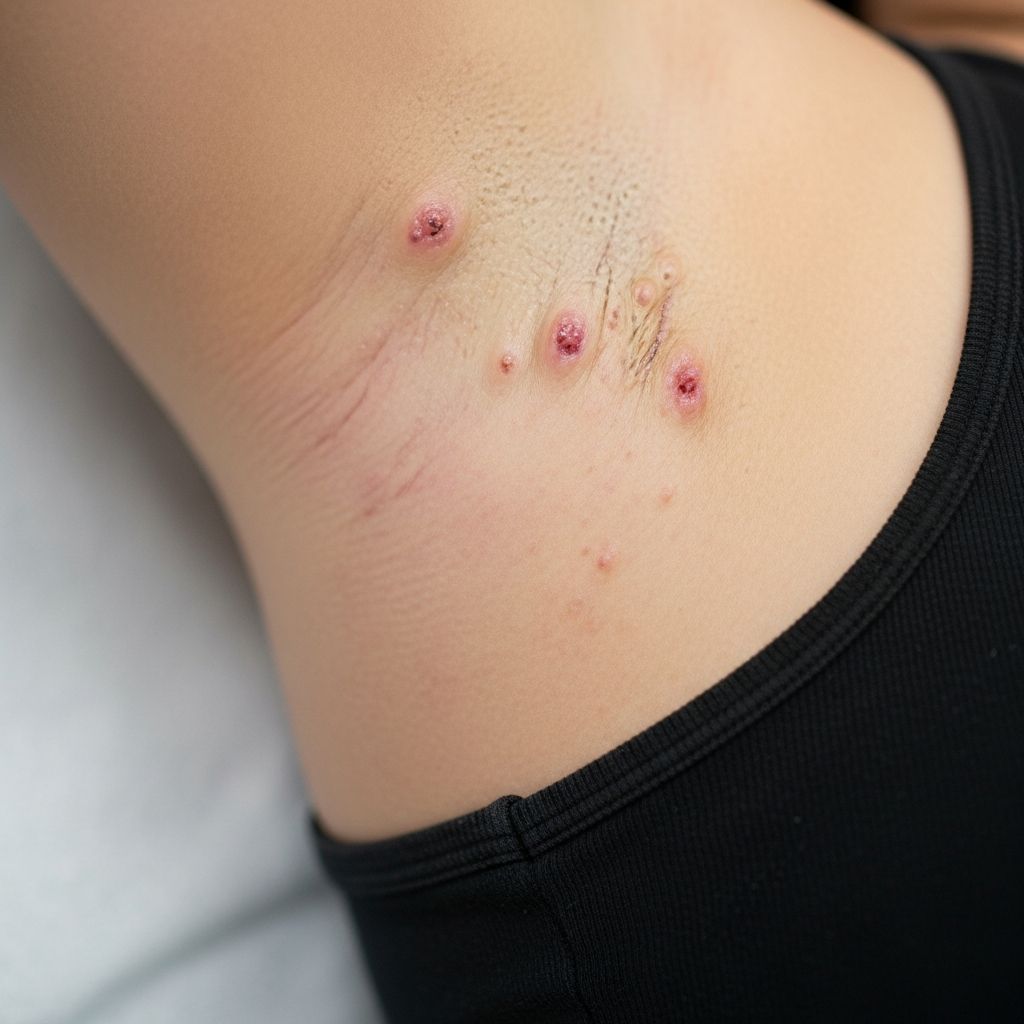
Hidradenitis suppurativa (HS), also known as acne inversa, is an autoinflammatory condition that affects your hair follicles and causes painful, recurring boils in areas of your body with sweat glands. This chronic skin condition primarily develops in regions where skin rubs together or where there is friction, such as the armpits, groin, buttocks, and under the breasts. The condition is characterized by the formation of painful abscesses that drain pus and, over time, leave permanent scars on the skin.
Unlike common skin infections, hidradenitis suppurativa is a systemic inflammatory condition that requires specialized medical attention. Many people are initially misdiagnosed with regular boils or infections because the symptoms can appear similar. However, the underlying cause is different, and proper diagnosis from a dermatologist is essential for effective management.
Who Gets Hidradenitis Suppurativa?
Hidradenitis suppurativa affects a significant portion of the population, with certain groups experiencing higher rates of occurrence. Women are more likely to develop hidradenitis suppurativa than men, and women often experience flare-ups of symptoms just before their menstrual period, indicating a hormonal component to the condition. This hormonal influence is an important factor that healthcare providers consider when developing treatment plans.
Risk factors for developing hidradenitis suppurativa include family history, smoking, obesity, and hormonal factors. While some risk factors like family history are beyond your control, there are preventative steps you can take to reduce the risk of flare-ups and complications.
Symptoms and Affected Areas
The symptoms of hidradenitis suppurativa can vary in severity and frequency. The condition causes different types of skin growths, with the most common manifestation being painful abscesses that recurrently develop in specific body areas. These painful cysts develop in areas of your body that produce sweat, and these itchy and irritated bumps can break open and leave permanent scars on your skin.
Common areas affected by hidradenitis suppurativa include:
– Armpits (axillae)- Groin area- Buttocks- Under the breasts in women- Inner thighs- Perineal area
The boils may appear as single lesions or can develop into interconnected tunnels beneath the skin. As the condition progresses, these tunnels can become infected and drain pus persistently, leading to significant discomfort and emotional distress.
Complications and Health Risks
If hidradenitis suppurativa is left untreated, it can increase the risk of other conditions developing. The chronic nature of the condition and persistent infections can lead to complications that extend beyond skin damage. While skin cancer from hidradenitis suppurativa is very rare, the psychological impact of living with a chronic, visible skin condition is significant and should not be overlooked.
If left undiagnosed, HS can spread or worsen and cause infection, making it difficult to exercise or wear comfortable clothing. The condition can become debilitating and progress over time, potentially delivering irreversible damage if not properly managed. Beyond physical complications, recurrent draining abscesses make many people feel self-conscious, and the stress of taking care of a chronic, painful condition can impact mental health, with anxiety or depression being common in people with HS.
Related Stories



Diagnosis and Medical Evaluation
It is important to see a specially trained dermatologist who will recognize the symptoms of hidradenitis suppurativa, as the condition is often misdiagnosed as infection-related boils. During your initial consultation, a dermatologist will ask you about your medical history and perform a physical examination to assess the extent and severity of your condition.
The diagnostic process typically includes:
– Detailed medical history review- Physical examination of affected areas- Assessment of symptom duration and frequency- Evaluation of family history- Discussion of hormonal factors (especially in women)- Evaluation of lifestyle and risk factors
Treatment Options
There is no cure for hidradenitis suppurativa, but treatments are available which can manage and relieve the symptoms and stop new boils and scarring. Treatment for hidradenitis suppurativa will depend on its severity and your symptoms. The approach is typically staged, beginning with conservative treatments and progressing to more intensive interventions if needed.
Skin Care Plan
Your dermatologist will recommend a customized skin care plan that is gentle on your skin. This may include antiseptic washes used daily to reduce bacterial colonization and prevent infection. They may also recommend a retinoid, which can reduce inflammation and promote skin healing.
Pain Management
Several approaches can help to relieve the pain associated with hidradenitis suppurativa. These include applying a cold or warm compress to affected areas, taking pain medications as prescribed, or using a lidocaine ointment for topical pain relief. Warm compresses can provide pain relief while also helping your cysts drain in a more hygienic way.
Medications
Some people with hidradenitis suppurativa will be offered medications to manage their condition. The specific medications recommended depend on the severity of your symptoms and your individual medical history. Options may include topical antibiotics, oral antibiotics, hormonal therapies, and newer biological medications that target specific inflammatory pathways.
Procedures and Surgery
People with advanced hidradenitis suppurativa that causes severe symptoms not responding to the above therapies may require a procedure. Surgery may be considered for people with persistent or severe symptoms of hidradenitis suppurativa and involves removing the full thickness of affected skin. A skin graft may be required following surgery to close the wound.
An important consideration for surgical intervention is lymphedema prevention. Surgery can lead to lymphedema of the upper limbs due to damage to the lymphatic channels. A procedure called reverse axillary mapping (RAM) during surgery to remove axillary hidradenitis suppurativa (found in the armpit areas, where lymph nodes are located) can reduce the incidence of lymphedema.
Lifestyle Management and Prevention
While some risk factors are out of your control, there are steps you can take to lower the risk of HS flare-ups and complications. Prevention may include maintaining good hygiene practices, avoiding tight clothing that causes friction, managing stress effectively, and maintaining a healthy weight.
Diet Considerations
An anti-inflammatory diet is an eating plan designed to reduce inflammation in the body. Certain foods, such as fruits, vegetables, chicken, and fish, seem to improve HS symptoms, likely due to high concentrations of micronutrients such as zinc and B12. Diets high in refined sugars, alcohol, dairy, and gluten have been associated with worsening hidradenitis in some individuals. A registered dietitian can guide you in planning a diet that is anti-inflammatory and help you identify which foods are triggers for symptoms in your individual case.
Stress Management
Stress causes inflammation, which exacerbates inflammatory conditions like hidradenitis suppurativa. Both stress and HS can cause chronic inflammation, and chronic inflammation makes both stress and HS worse. Sleep, exercise, and mindfulness practices can all help manage stress and reduce inflammation.
Home Remedies
At-home remedies can help alleviate symptoms between medical appointments. Warm compresses can provide pain relief, and aloe vera has been traditionally used to soothe irritated skin. However, you should never pick at or cut open your cysts because this can lead to infection.
Living with Hidradenitis Suppurativa
Living with hidradenitis suppurativa presents both physical and emotional challenges. The condition is an ongoing skin condition with symptoms that may come and go for years. There are many different treatments available that can help people living with hidradenitis suppurativa, including novel treatments that can address the side effects of both the condition and the procedures to treat it.
The outlook is good because several treatments are currently available that can help people with hidradenitis suppurativa, and experts are also testing new potential treatments. If you’re struggling with anxiety or depression related to your condition, talk to your healthcare provider about support options and counseling services.
When to Seek Medical Help
If you have painful boils that last for weeks and keep coming back in the areas mentioned above, please see a healthcare provider. Early intervention is crucial because untreated HS can spread or worsen over time. Medical therapies, procedures, and counseling, when necessary, can help you get relief and prevent complications.
Frequently Asked Questions
Q: Is there a cure for hidradenitis suppurativa?
A: There is no cure for hidradenitis suppurativa, but various treatments are available to manage symptoms, prevent new boils, and reduce scarring. Treatment options range from topical care and medications to procedures and surgery, depending on the severity of your condition.
Q: What areas of the body are most affected?
A: Hidradenitis suppurativa typically affects areas with sweat glands and skin friction, including the armpits, groin, buttocks, inner thighs, and under the breasts. These areas have high concentrations of apocrine sweat glands where the condition develops.
Q: Can diet affect hidradenitis suppurativa?
A: Yes, diet can play a role in managing symptoms. An anti-inflammatory diet with fruits, vegetables, fish, and chicken may help, while foods high in refined sugars, alcohol, dairy, and gluten have been associated with worsening symptoms in some individuals. A registered dietitian can help identify your personal triggers.
Q: How does stress affect hidradenitis suppurativa?
A: Stress causes inflammation, which exacerbates hidradenitis suppurativa symptoms. Both stress and HS can create chronic inflammation, making each condition worse. Managing stress through sleep, exercise, and mindfulness can help reduce inflammation and improve symptoms.
Q: Why do women experience more flare-ups before their period?
A: Hormonal factors play a significant role in hidradenitis suppurativa, particularly in women. Fluctuations in hormone levels before menstruation can trigger or worsen flare-ups, which is why healthcare providers consider hormonal factors when developing treatment plans.
Q: What should I do if I have a painful cyst?
A: Use warm compresses or let warm water from a shower hit the affected area to provide pain relief and help your cysts drain hygienically. Never pick at or cut open cysts, as this can lead to infection. Contact your healthcare provider if symptoms persist or worsen.
Q: Are there psychological effects of hidradenitis suppurativa?
A: Yes, living with recurrent draining abscesses can make people feel self-conscious, and anxiety or depression are common in people with HS. The stress of managing a chronic, painful condition can impact mental health, so counseling and support are important parts of comprehensive treatment.
References
- Hidradenitis Suppurativa (Acne Inversa): Symptoms & Treatments — Cleveland Clinic. 2024. https://my.clevelandclinic.org/health/diseases/17716-hidradenitis-suppurativa
- Hidradenitis Suppurativa — Cleveland Clinic Abu Dhabi. 2024. https://www.clevelandclinicabudhabi.ae/en/health-hub/health-resource/diseases-and-conditions/hidradenitis-suppurativa
- Managing Stress and Hidradenitis Suppurativa — Cleveland Clinic. 2024. https://health.clevelandclinic.org/hidradenitis-suppurativa-and-stress
- Hidradenitis Suppurativa Diet: Foods To Eat and Avoid — Cleveland Clinic. 2024. https://health.clevelandclinic.org/hidradenitis-suppurativa-diet
- 4 Home Remedies for Hidradenitis Suppurativa — Cleveland Clinic. 2024. https://health.clevelandclinic.org/hidradenitis-suppurativa-home-treatment
- Living with Hidradenitis Suppurativa (HS) — Cleveland Clinic. 2024. https://my.clevelandclinic.org/watch/living-with-hidradenitis-suppurativa
Similar Articles








Read full bio of Sneha Tete