Hidradenitis Suppurativa Symptoms: 6 Telltale Signs To Spot
Recognizing the signs of hidradenitis suppurativa: from painful nodules to scarring and complications.
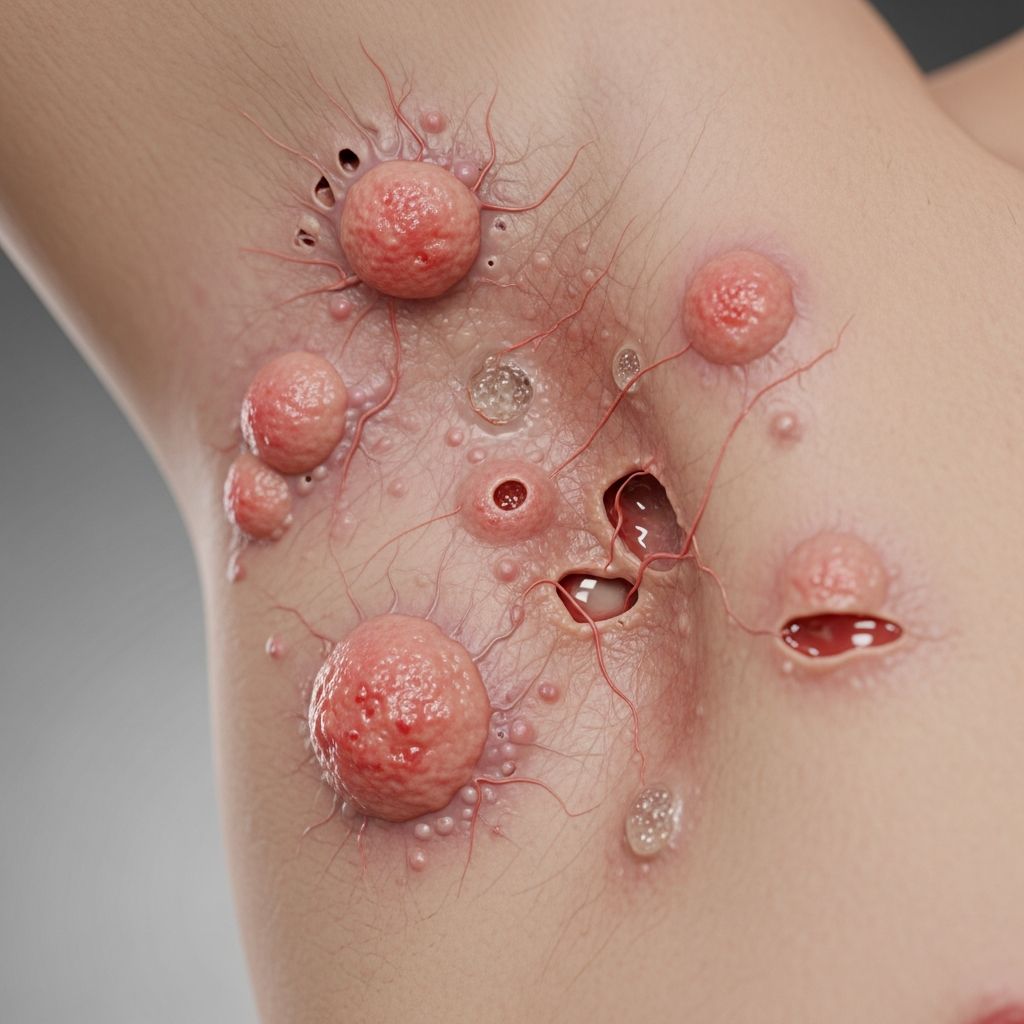
Hidradenitis suppurativa (HS) is a chronic inflammatory skin condition characterized by painful, recurring lumps under the skin, primarily in areas where skin rubs together. These symptoms often start as deep, tender nodules resembling pimples or boils and can progress to severe abscesses, sinus tracts, and scarring if untreated.
What Is Hidradenitis Suppurativa?
Hidradenitis suppurativa, often abbreviated as HS, affects hair follicles in intertriginous areas like armpits, groin, and under breasts, leading to recurrent inflamed nodules, abscesses, fistulas, and extensive scarring. The disease typically begins in puberty or early adulthood, peaks in the third and fourth decades, and is more common in women, smokers, and those with obesity. Initial follicular occlusion and rupture trigger inflammation, bacterial overgrowth, and chronic suppuration, severely impacting quality of life. An average diagnostic delay of seven years exacerbates progression.
Where Does Hidradenitis Suppurativa Develop?
HS primarily develops in skin-fold areas where skin rubs against skin and hair is coarse, such as armpits, groin, inner thighs, buttocks, and under the breasts. Less common sites include perianal areas, near ears, belly button, neck, back, or face. Men more often experience gluteal, perianal, or atypical lesions (chest, legs), while women have more frontal involvement like inguinal and inframammary folds. Disease subtypes include axillary-mammary (48%), follicular (26%), and gluteal (26%), with severity linked to higher BMI and acne.
Signs and Symptoms of Hidradenitis Suppurativa
HS symptoms evolve progressively, starting subtly and worsening without intervention. Early discomfort may precede visible lesions, followed by nodules that form abscesses, tunnels, and scars.
Early Discomfort Before Lumps Appear
Before nodules form, affected skin may feel uncomfortable, swollen, burning, itching, or excessively sweaty, signaling impending HS activity.
Painful, Deep Nodules
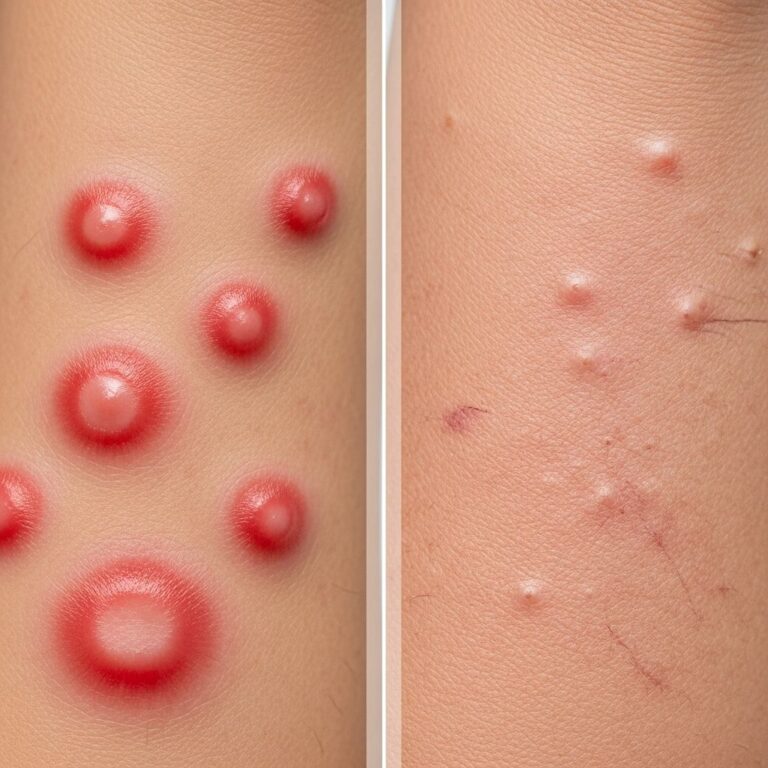
The hallmark initial symptom is a tender, deep nodule resembling a pimple, cyst, or boil, most common in armpits or groin. These are painful due to inflammation around ruptured follicles.
Nodules Grow and Form Abscesses
Nodules multiply, enlarge, fill with pus, and merge into painful abscesses. Recurrent flares in the same spots characterize the disease.
Abscesses Break Open with Drainage
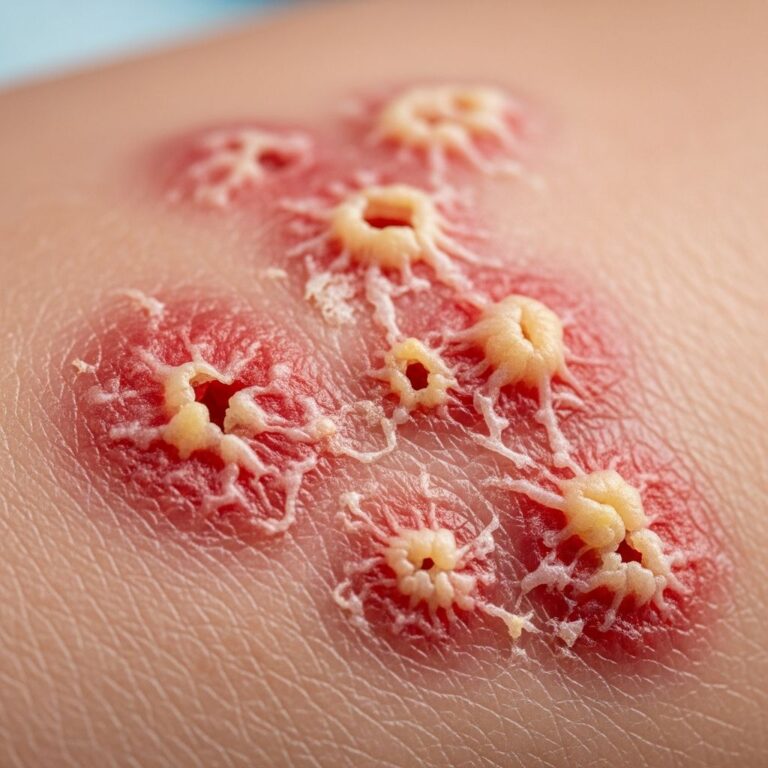
Ruptured abscesses release foul-smelling pus and blood, staining clothes and causing embarrassment due to odor.
Blackhead-Like Spots (Comedones)
In advanced stages, double blackhead-like bumps (twin comedones) appear, a distinctive HS feature.
Slow-Healing Wounds, Sinus Tracts, and Scarring
Lesions heal slowly, forming subcutaneous sinus tracts (tunnels) that drain chronically and lead to permanent, rope-like scars restricting movement. Some patients have persistent open wounds.
Progression of Hidradenitis Suppurativa Without Treatment
Untreated HS advances from isolated nodules to widespread scarring, tunnels, and complications. Early intervention halts progression.
Complications of Hidradenitis Suppurativa
Chronic HS leads to physical and psychological burdens.
Related Stories



- Pain: Deep lumps and tracts cause severe pain, often requiring strong analgesics.
- Infections: Secondary bacterial infections, rarely sepsis.
- Itch: Prominent in groin, armpits, thighs.
- Scars Restricting Movement: Thick fibrosis limits arm/leg motion.
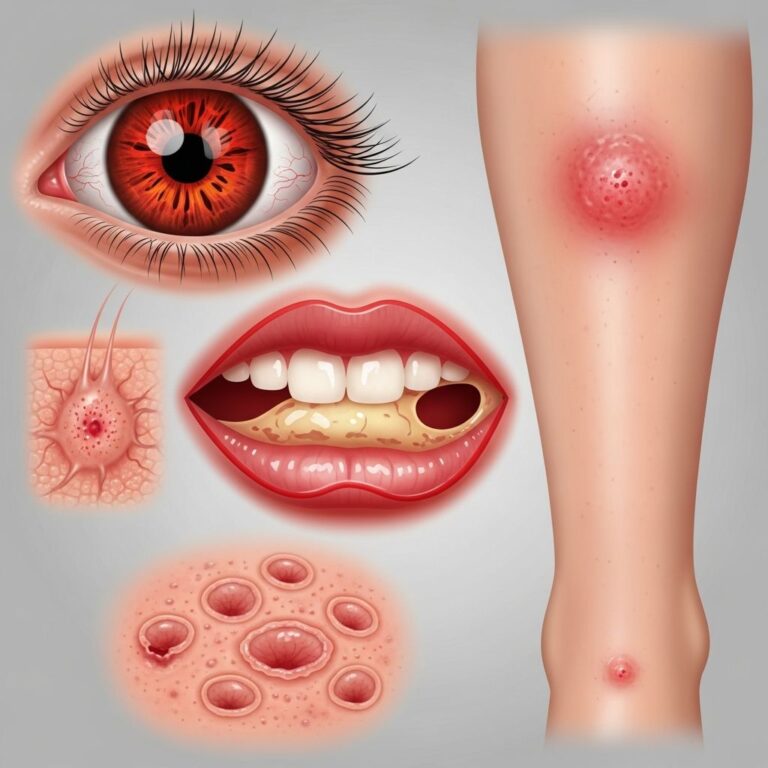
- Anxiety and Depression: Studies show higher depression rates; embarrassment from drainage and scars causes isolation.
- Skin Cancer: Long-term HS raises squamous cell carcinoma risk, especially in genital/perianal areas in men.
- Joint Pain and Arthritis: HS links to arthritis; inflammation may contribute.
- Other: Lymphedema, anemia, amyloidosis, metabolic syndrome, IBD associations.
Impact on Quality of Life
HS impairs daily life profoundly: pain disrupts sleep/work, drainage causes social withdrawal, scarring affects mobility/appearance, leading to depression, sexual dysfunction, and sick leave exceeding other dermatoses.
When to See a Doctor for Hidradenitis Suppurativa
Seek care for recurrent painful lumps in skin folds, especially if draining, scarring, or accompanied by fever, severe pain, or mobility issues. Early dermatologist evaluation prevents progression; Hurley staging assesses severity.
How Hidradenitis Suppurativa Is Diagnosed
Diagnosis is clinical, based on recurrent nodules/abscesses in typical sites, excluding infections or Crohn’s. Biopsy rarely needed; severity classified by Hurley (I: nodules; II: tracts/drainage; III: diffuse scarring).
Frequently Asked Questions
Is hidradenitis suppurativa contagious?
No, HS is not infectious or contagious; it’s inflammatory, not caused by bacteria primarily.
Does hidradenitis suppurativa go away?
HS is chronic but may improve post-menopause in women; treatment prevents flares.
Can hidradenitis suppurativa cause joint pain?
Yes, HS associates with arthritis types, causing joint pain and stiffness via shared inflammation.
What does hidradenitis suppurativa look like?
Starts as painful red nodules, progresses to draining abscesses, blackheads, tunnels, scars.
How is hidradenitis suppurativa different from boils?
Boils are single, acute infections; HS is recurrent, chronic with tracts/scars in specific sites.
Hidradenitis Suppurativa Stages (Hurley Classification)
| Stage | Description |
|---|---|
| Hurley I | Single or multiple nodules/abscesses without sinus tracts or scarring. |
| Hurley II | Recurrent abscesses with sinus tracts and scarring, separated lesions. |
| Hurley III | Diffuse interconnected tracts/abscesses/scarring across entire area. |
Severity guides treatment; 4-22% have severe disease.
References
- Hidradenitis suppurativa: Signs and symptoms — American Academy of Dermatology (AAD). 2023. https://www.aad.org/public/diseases/a-z/hidradenitis-suppurativa-symptoms
- Hidradenitis Suppurativa: Causes, Features, and Current Treatments — National Center for Biotechnology Information (NCBI/PMC). 2018-10-26. https://pmc.ncbi.nlm.nih.gov/articles/PMC6239161/
Similar Articles








Read full bio of Sneha Tete