High-Arched Feet (Pes Cavus): Causes, Symptoms & Treatment
Understanding high-arched feet: causes, symptoms, diagnosis, and effective treatment options for pes cavus.
What Is Pes Cavus (High-Arched Feet)?
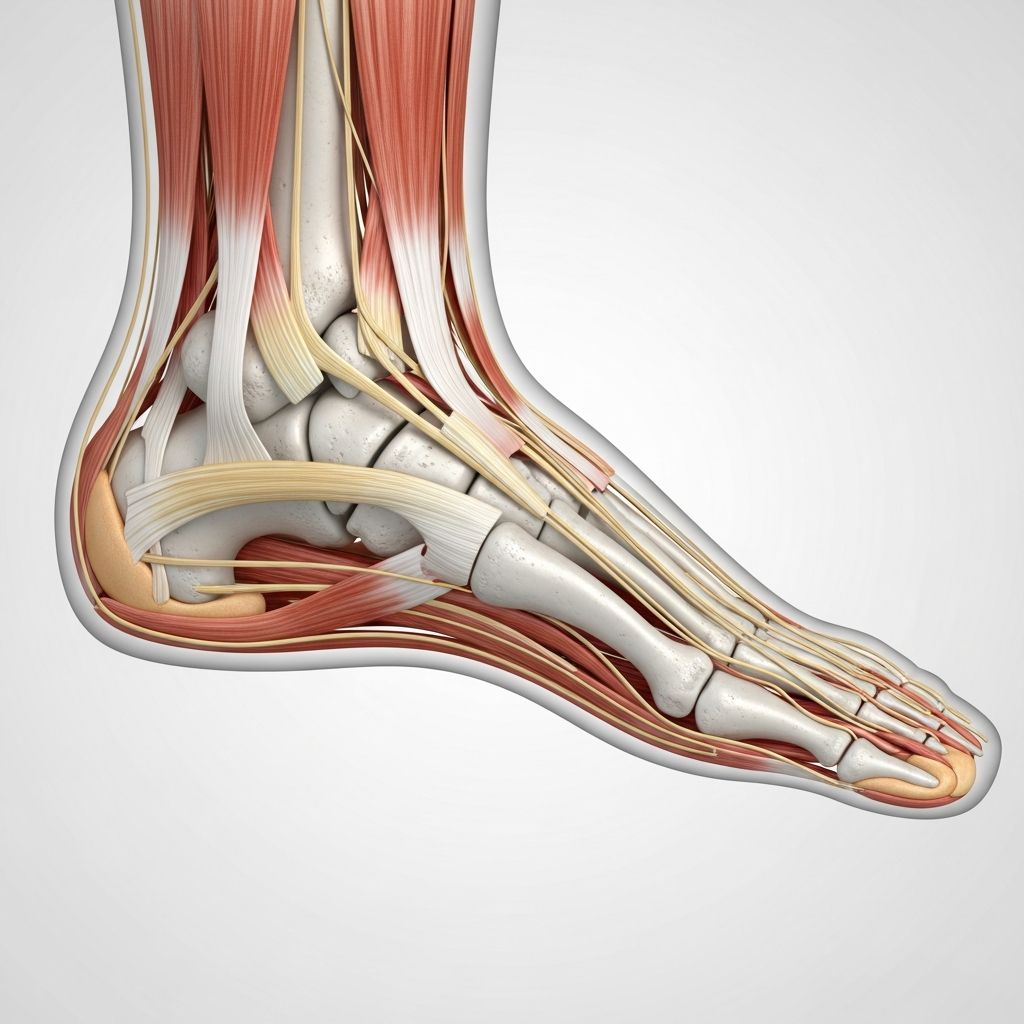
Pes cavus, commonly known as high-arched feet, is a foot condition characterized by an abnormally elevated arch along the length of the foot. Unlike a normal arch, which provides shock absorption and even weight distribution, a high arch can lead to excessive pressure on the heel and ball of the foot. This can result in discomfort, instability, and a higher risk of foot injuries.
Causes of Pes Cavus
The causes of pes cavus can be broadly categorized into three main groups:
- Genetic Factors: Many cases of pes cavus are inherited, meaning the condition runs in families. If one or both parents have high-arched feet, there is a higher likelihood that their children will also develop this condition.
- Neurological Disorders: Certain neurological conditions can lead to pes cavus. These include Charcot-Marie-Tooth disease, cerebral palsy, muscular dystrophy, stroke, and polio. These disorders affect the nerves and muscles, leading to muscle imbalances that result in a high arch.
- Muscular Imbalances: Imbalances in the muscles and tendons of the foot can also cause pes cavus. This can occur due to injury, trauma, or other underlying medical conditions.
Symptoms of Pes Cavus
The symptoms of pes cavus can vary from person to person, but common signs and symptoms include:
- Pain: Individuals with pes cavus may experience pain, particularly in the arch, heel, or ball of the foot. This pain can be exacerbated by standing or walking for extended periods.
- Instability and Balance Issues: The elevated arch can affect balance, leading to an increased risk of ankle sprains and instability during walking or physical activities.
- Calluses: Excessive pressure on the heel and ball of the foot can lead to the formation of calluses.
- Hammertoes and Claw Toes: Pes cavus can contribute to the development of hammertoes or claw toes, where the toes curl downward due to muscle imbalances.
- Foot Fatigue: People with pes cavus may experience foot fatigue more quickly than those with normal arches.
- Difficulty Finding Comfortable Shoes: The high arch can make it challenging to find shoes that fit well and provide adequate support.
Diagnosis of Pes Cavus
An accurate diagnosis is essential for the successful management of pes cavus. The diagnostic process typically involves the following steps:
- Medical History: The healthcare provider will take a detailed medical, family, and lifestyle history to understand the context of the condition.
- Physical Examination: A thorough examination of the foot will be conducted, assessing the arch height, muscle strength, and overall foot structure.
- Gait Analysis: The patient may be asked to walk so the doctor can observe their gait and posture.
- Imaging Studies: X-rays may be ordered to visualize the bones and joints, helping determine the extent of the arch elevation and any associated deformities. In some cases, CT scans or MRIs may also be recommended.
- Electromyography (EMG): For cases associated with neurological conditions, an EMG may be performed to assess the electrical activity of muscles and identify underlying nerve issues.
Treatment Options for Pes Cavus
The goal of treatment for pes cavus is to improve function, decrease pain, and reduce the risk of other injuries, such as ankle sprains, that are common in people with high-arched feet. Treatment options may include:
- Orthotic Devices: Custom orthotic inserts or arch supports can help distribute weight more evenly, provide support, and alleviate pain associated with pes cavus.
- Physical Therapy: Targeted exercises focusing on stretching and strengthening specific muscles can improve foot flexibility and stability.
- Footwear Modification: Choosing supportive and cushioned shoes with a wide toe box can help accommodate the high arch and reduce discomfort.
- Bracing: Bracing of the foot and ankle may be recommended to provide additional support and stability.
- Surgical Intervention: In severe cases or when conservative measures fail, surgical procedures may be considered to correct muscle imbalances or address structural issues contributing to pes cavus. Surgical options may include soft tissue procedures, bony surgery, and toe surgery.
Living with Pes Cavus
Living with pes cavus can be challenging, but there are several strategies that can help manage the condition and improve quality of life:
- Lifestyle Adjustments: Adopting a proactive approach to foot health, including regular exercise, maintaining a healthy weight, and avoiding activities that may exacerbate foot pain.
- Regular Monitoring: Individuals with pes cavus should undergo regular check-ups to monitor any changes in foot structure, assess treatment effectiveness, and make adjustments as needed.
- Supportive Resources: Seeking support from healthcare professionals, support groups, or mental health experts can assist individuals in coping with the emotional and psychological aspects of living with pes cavus.
- Patient Education: Educating individuals about their condition, treatment options, and lifestyle modifications can empower them to actively participate in their care and make informed decisions.
Prevention of Pes Cavus Complications
Preventing complications associated with pes cavus involves early intervention and proactive management:
- Early Intervention: Addressing high-arched feet in childhood, especially in cases of genetic predisposition, can help prevent the development of associated complications.
- Choosing Appropriate Footwear: Encouraging the use of supportive footwear from an early age can contribute to maintaining foot health and preventing issues related to pes cavus.
Emotional and Psychological Impact
Pes cavus can have a significant emotional and psychological impact on individuals. The chronic pain, instability, and difficulty with daily activities can lead to frustration, anxiety, and depression. It is important for individuals with pes cavus to seek support from healthcare professionals, support groups, or mental health experts to help cope with these challenges.
Frequently Asked Questions (FAQs)
Q: What is pes cavus?
A: Pes cavus, or high-arched feet, is a foot condition characterized by an abnormally elevated arch along the length of the foot.
Q: What causes pes cavus?
A: Pes cavus can be caused by genetic factors, neurological disorders, or muscular imbalances.
Q: What are the symptoms of pes cavus?
A: Common symptoms include pain, instability, calluses, hammertoes, and difficulty finding comfortable shoes.
Q: How is pes cavus diagnosed?
A: Diagnosis involves a medical history, physical examination, gait analysis, imaging studies, and sometimes electromyography.
Q: What are the treatment options for pes cavus?
A: Treatment options include orthotic devices, physical therapy, footwear modification, bracing, and surgical intervention.
Q: Can pes cavus be prevented?
A: Early intervention and the use of supportive footwear can help prevent complications associated with pes cavus.
Q: What is the emotional impact of pes cavus?
A: Pes cavus can lead to frustration, anxiety, and depression, and it is important to seek support from healthcare professionals or mental health experts.
References
- High-Arched Foot (Pes Cavus) — University Hospitals. 2023. https://www.uhhospitals.org/services/orthopedic-services/conditions-and-treatments/foot-and-ankle-services/cavus-foot
- High-Arched Foot (Pes Cavus) — Cleveland West Park Foot Care. 2023. https://www.clevelandwestparkfootcare.com/articles/ami/956385-high-arched-foot-pes-cavus/
- Cavus Foot Reconstruction — Orthopedic Foot & Ankle Center. 2023. https://orthofootankle.com/services/reconstructive-surgery/high-arch
Similar Articles








Read full bio of medha deb