High Bilirubin Levels: Causes, Symptoms, Tests, Treatments
Understand the causes, symptoms, diagnosis, and treatment of elevated bilirubin levels, including jaundice risks and management strategies.
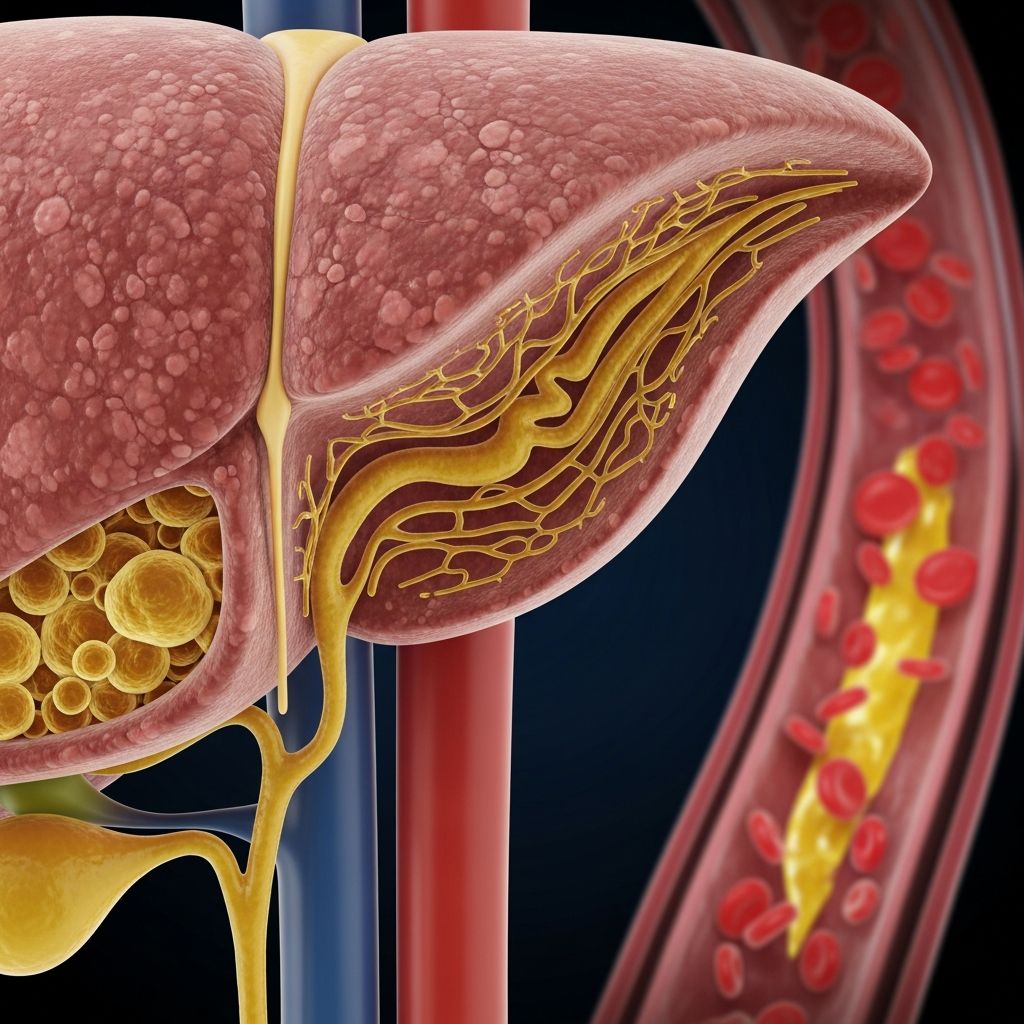
High bilirubin levels, known as hyperbilirubinemia, occur when this yellow pigment builds up in the blood, often causing jaundice—a yellowing of the skin and eyes. Bilirubin is a byproduct of red blood cell breakdown processed by the liver, and elevated levels can indicate liver dysfunction, bile duct obstruction, or increased red blood cell destruction.
Normal total bilirubin ranges from 0.3-1.2 mg/dL in adults, with levels above 1.2 mg/dL considered elevated. Severity increases with higher concentrations: mildly elevated (1.3-2.4 mg/dL) may be benign like Gilbert’s syndrome, while severely elevated (>5.0 mg/dL) signals serious issues like liver failure.
What Is Bilirubin?
Bilirubin forms when hemoglobin from old red blood cells breaks down in the spleen and liver. Unconjugated (indirect) bilirubin travels to the liver, where it’s conjugated (made water-soluble) and excreted into bile for elimination via stool and urine.
Disruptions at any stage—pre-hepatic (excess production), hepatic (liver processing failure), or post-hepatic (bile flow blockage)—lead to accumulation. In newborns, immature livers cause physiologic jaundice, resolving naturally, but persistent high levels require monitoring to prevent kernicterus, a rare brain damage condition.
Symptoms of High Bilirubin Levels
The hallmark symptom is
jaundice
, visible when total bilirubin exceeds 2.5-3.0 mg/dL, starting in the eyes then spreading to skin and mucous membranes. Other signs include:- Dark urine from excess conjugated bilirubin.
- Pale or clay-colored stools due to bile obstruction.
- Fatigue, abdominal pain, nausea, or itching (pruritus) from bile salt buildup.
- Fever, chills if infection-related (e.g., cholangitis).
Symptoms vary by cause; hemolytic anemias may add pallor and shortness of breath, while liver diseases cause swelling or bleeding tendencies. Newborns show poor feeding, lethargy, or high-pitched crying if severe. Untreated extremes risk encephalopathy, kidney failure, or sepsis.
Causes of High Bilirubin Levels
Causes are categorized by bilirubin type and phase:
Pre-Hepatic (Unconjugated Hyperbilirubinemia)
Increased breakdown overwhelms liver uptake:
- Hemolytic anemia: Autoimmune, sickle cell, thalassemia, or drug-induced.
- Resorption of large hematomas or blood pools.
Hepatic (Mixed or Conjugated)
Liver processing defects:
- Viral hepatitis (A, B, C), alcoholic, autoimmune.
- Cirrhosis or fatty liver from obesity/metabolic syndrome.
- Gilbert’s syndrome: Benign genetic defect in conjugation enzyme, affecting 3-7%, fluctuating with stress/fasting.
- Drug toxicity (acetaminophen, statins, antibiotics).
- Liver tumors or metastases.
Post-Hepatic (Conjugated Hyperbilirubinemia)
Bile duct obstruction:
- Gallstones, pancreatitis, bile duct strictures, or cancers (pancreatic, cholangiocarcinoma).
Interestingly, mildly elevated bilirubin (>10 μM) may protect against cardiovascular disease, hypertension, and diabetes per clinical studies, suggesting a health equilibrium.
Bilirubin Level Categories
| Bilirubin Level (mg/dL) | Category | Clinical Significance | Visible Jaundice |
|---|---|---|---|
| 0.3-1.2 | Normal | Healthy processing | No |
| 1.3-2.4 | Mildly Elevated | Early dysfunction or Gilbert’s | Usually No |
| 2.5-5.0 | Moderately Elevated | Liver disease or obstruction | Mild |
| >5.0 | Severely Elevated | Serious dysfunction | Pronounced |
This table summarizes clinical implications based on total bilirubin.
High Bilirubin Levels in Newborns
Physiologic jaundice affects 60% of term newborns due to immature liver enzymes and higher red blood cell turnover, peaking at 3-5 days and resolving by week 2. Risk factors include prematurity, breastfeeding issues, or blood incompatibilities (ABO/Rh). Phototherapy breaks down bilirubin in skin; exchange transfusion for levels >20-25 mg/dL prevents kernicterus.
Related Stories



Diagnosis and Tests
Blood tests measure total, direct (conjugated), and indirect bilirubin, plus liver enzymes (ALT, AST, ALP), albumin, and prothrombin time.
- Ultrasound: Detects gallstones or dilation.
- CT/MRI: For tumors or cirrhosis.
- HIDA scan: Bile flow assessment.
- Liver biopsy: Confirms hepatitis or cirrhosis.
- Newborn transcutaneous bilirubinometer for non-invasive screening.
Differentiate types: high indirect suggests hemolysis/Gilbert’s; high direct indicates obstruction/hepatitis.
Treatment for High Bilirubin Levels
Treats underlying cause:
- Hemolysis: Steroids, immunosuppressants, or transfusions.
- Obstruction: ERCP for stone removal/stenting, surgery for tumors.
- Hepatitis: Antivirals (hep B/C), abstinence from alcohol.
- Gilbert’s: No treatment; avoid triggers.
- Newborns: Phototherapy or exchange transfusion.
Severe cases may need liver transplant. Supportive care includes hydration and ursodiol for itching.
When to See a Doctor
Seek immediate care for jaundice with fever, abdominal pain, confusion, or dark urine. Routine screening in checkups; newborns if jaundice persists beyond 2 weeks or intensifies. Early intervention prevents complications like liver failure.
Prevention and Lifestyle Tips
- Avoid alcohol, limit acetaminophen.
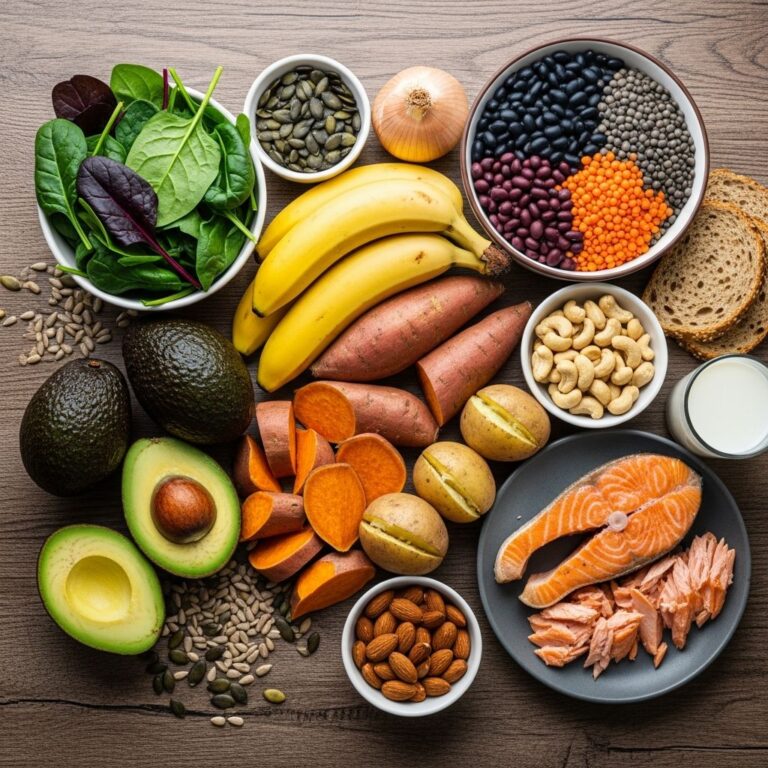
- Eat liver-friendly: fruits, veggies, whole grains, lean proteins; avoid fried/fatty foods, excess sugar/salt.
- Vaccinate against hepatitis A/B.
- Manage weight to prevent fatty liver.
- Monitor medications with liver history.
Liver resilience allows recovery with prompt action.
Frequently Asked Questions (FAQs)
What is the normal range for total bilirubin?
0.3-1.2 mg/dL in adults; above 1.2 mg/dL is elevated, jaundice at 2.5-3.0 mg/dL.
Can high bilirubin return to normal?
Yes, treating the cause (e.g., gallstones, hepatitis) often normalizes levels.
Is Gilbert’s syndrome serious?
No, it’s benign, affecting 3-7%, causing mild elevations without liver damage.
What foods to avoid with high bilirubin?
Alcohol, fatty/fried foods, processed sugars/salts, red meat; favor plants and water.
Is high bilirubin life-threatening?
It signals underlying issues; untreated severe cases risk encephalopathy, failure, or death.
References
- What does high total bilirubin mean? — SiPhox Health. 2024. https://siphoxhealth.com/articles/what-does-high-total-bilirubin-mean
- High Bilirubin Levels: Symptoms, Causes, Tests, and Treatments — Medical News Today. 2023-10-12. https://www.medicalnewstoday.com/articles/315086
- Elevated Bilirubin — Healthgrades. 2024. https://resources.healthgrades.com/right-care/symptoms-and-conditions/elevated-bilirubin
- High Bilirubin Levels: Symptoms, Causes, and Treatment — Healthline. 2023-08-15. https://www.healthline.com/health/high-bilirubin
- The physiology of bilirubin: health and disease equilibrium — PMC (NCBI). 2023-03-14. https://pmc.ncbi.nlm.nih.gov/articles/PMC10023336/
Similar Articles








Read full bio of Sneha Tete