Does High Blood Pressure Cause Headaches or Other Symptoms?
Understanding the connection between hypertension and headaches: symptoms, risks, and when to seek help.
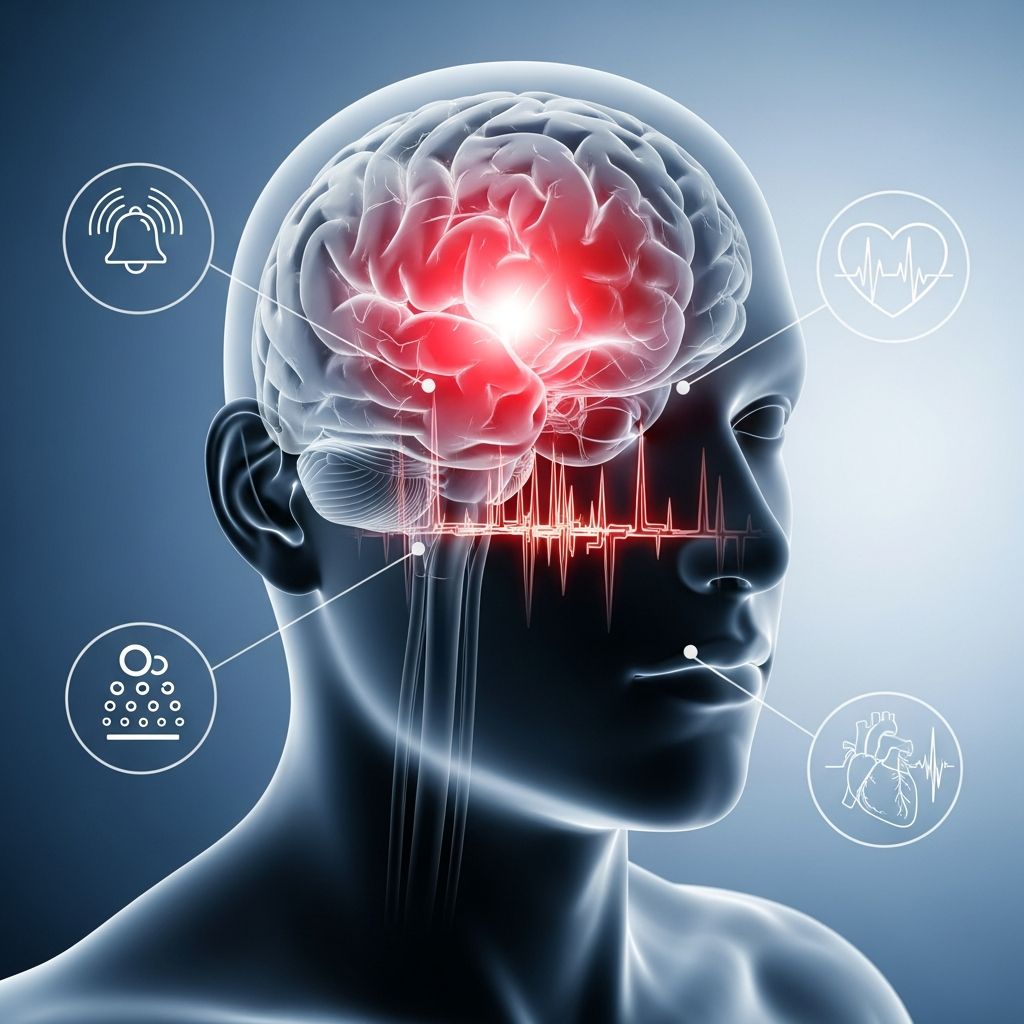
High blood pressure, medically known as hypertension, is often called the “silent killer” because it typically develops without noticeable symptoms. Many people wonder whether their headaches might be related to elevated blood pressure levels, and whether they should be concerned about this potential connection. Understanding the relationship between hypertension and headaches is essential for recognizing when symptoms warrant medical attention and when other factors might be responsible for your discomfort.
The Uncommon Connection Between High Blood Pressure and Headaches
Contrary to popular belief, high blood pressure rarely causes headaches in most people. Research shows that only about 1-2% of individuals with hypertension experience headaches as a direct result of their elevated blood pressure. This statistic surprises many people who have assumed their chronic headaches stem from blood pressure issues. The reason for this rarity is that hypertension develops gradually over time, and the body adapts to gradually increasing pressure levels without triggering pain responses in most cases.
However, extremely elevated blood pressure levels can trigger a serious medical emergency known as a hypertensive crisis. During a hypertensive crisis, blood pressure rises to dangerously high levels—typically above 180 mm Hg systolic or 120 mm Hg diastolic—and can cause various acute symptoms, including severe headaches. Understanding the difference between typical elevated blood pressure and a hypertensive crisis is crucial for knowing when to seek immediate medical attention.
Understanding Blood Pressure Stages
Blood pressure readings consist of two numbers: systolic pressure (the top number) and diastolic pressure (the bottom number). These numbers help healthcare providers classify your blood pressure into different categories:
| Blood Pressure Category | Systolic (mm Hg) | Diastolic (mm Hg) |
|---|---|---|
| Normal | Less than 120 | Less than 80 |
| Elevated | 120-129 | Less than 80 |
| Stage 1 Hypertension | 130-139 | 80-89 |
| Stage 2 Hypertension | 140 or higher | 90 or higher |
| Hypertensive Crisis | Higher than 180 | Higher than 120 |
Understanding these categories helps you determine whether your blood pressure readings fall within normal ranges or require medical intervention. Many people with Stage 1 or Stage 2 hypertension experience no symptoms whatsoever, making regular blood pressure monitoring essential for early detection.
What Is a Hypertensive Crisis?
A hypertensive crisis represents a medical emergency requiring immediate hospital care. During this crisis, blood pressure rises to dangerous levels and can cause organ damage. The headaches associated with hypertensive crises are typically severe and accompanied by other alarming symptoms that signal the need for urgent medical intervention.
There are two types of hypertensive crises: hypertensive emergency and hypertensive urgency. A hypertensive emergency involves extremely high blood pressure accompanied by evidence of organ damage, such as abnormal kidney function, vision problems, or neurological symptoms. A hypertensive urgency involves elevated blood pressure without acute organ damage but still requires prompt medical evaluation and treatment to prevent complications.
Symptoms of a Hypertensive Crisis
When blood pressure reaches critically high levels, several acute symptoms may develop. Recognizing these symptoms is vital for seeking timely medical care:
Primary symptoms of hypertensive crisis include:
– Severe headache, often described as throbbing or pounding- Chest pain or tightness- Shortness of breath or difficulty breathing- Severe anxiety- Nosebleeds- Blurred or double vision- Nausea and vomiting- Numbness or weakness in parts of the body- Difficulty speaking or confusion- Loss of consciousness in severe cases
Related Stories



These symptoms indicate that extremely elevated blood pressure is affecting vital organs and requiring emergency medical treatment. If you experience any combination of these symptoms, particularly severe headache accompanied by chest pain, vision changes, or neurological symptoms, call emergency services immediately.
Why High Blood Pressure Rarely Causes Headaches
The reason most people with hypertension don’t experience headaches relates to how the body adapts to gradually increasing blood pressure. When blood pressure rises slowly over months or years, the body’s blood vessels adjust to the increased pressure through a process called vascular remodeling. Additionally, the brain has protective mechanisms that help maintain stable blood flow despite external pressure changes.
However, when blood pressure rises suddenly to extremely high levels—as occurs during a hypertensive crisis—these protective mechanisms can be overwhelmed. The sudden increase in pressure can cause blood vessel dilation (expansion) in the brain, leading to increased intracranial pressure and resulting in severe headaches. Additionally, restricted blood flow in certain areas can deprive brain tissues of oxygen, triggering pain responses.
Other Conditions That Cause Headaches
Since high blood pressure rarely causes headaches, it’s important to identify other potential causes of your head pain. Common causes of headaches include tension, dehydration, lack of sleep, stress, caffeine withdrawal, and migraines. Certain foods and beverages can also trigger headaches, including red wine, artificial sweeteners, dairy products, and foods containing tyramine, such as aged cheeses and cured meats.
Environmental factors like bright lights, loud noises, and strong odors frequently trigger headaches as well. Hormonal changes, particularly in women experiencing menstrual cycles, can also cause recurring headaches. If you experience frequent headaches, keeping a symptom journal can help identify patterns and potential triggers.
Health Risks Associated with High Blood Pressure
While high blood pressure may not directly cause headaches in most people, untreated hypertension poses serious risks to multiple organ systems. Over time, consistently elevated blood pressure damages blood vessel walls and strains the heart, potentially leading to severe health complications:
Major health risks from chronic hypertension include:
– Cardiovascular disease and heart failure- Heart attack- Stroke- Kidney damage or kidney failure- Vision problems and eye damage- Cognitive decline and dementia- Sexual dysfunction- Peripheral artery disease
These serious complications develop silently over years without noticeable symptoms, which is why regular blood pressure monitoring and early treatment are essential. Even moderately elevated blood pressure can increase risk of these conditions, emphasizing the importance of maintaining healthy blood pressure levels throughout life.
Strategies for Managing Blood Pressure and Preventing Headaches
Whether or not you have high blood pressure, adopting healthy lifestyle habits can help maintain optimal blood pressure levels and reduce headache frequency. These evidence-based strategies support cardiovascular health and overall wellness:
Dietary modifications: Consuming a diet rich in fruits, vegetables, whole grains, and lean proteins helps maintain healthy blood pressure. Foods high in potassium, such as bananas, spinach, and sweet potatoes, support cardiovascular health. Conversely, reducing sodium intake and limiting processed foods can significantly lower blood pressure. Identifying and avoiding foods that trigger your personal headaches—through keeping a food diary—helps prevent unnecessary pain.
Regular physical activity: Exercise strengthens the heart, improves circulation, and helps maintain healthy weight—all factors that support normal blood pressure. Aim for at least 150 minutes of moderate-intensity aerobic activity weekly, such as brisk walking, cycling, or swimming. Additionally, resistance training and flexibility exercises provide comprehensive cardiovascular benefits.
Stress management: Chronic stress contributes to both elevated blood pressure and frequent headaches. Implementing stress-reduction techniques such as meditation, yoga, deep breathing exercises, or mindfulness-based practices can significantly improve both conditions. Regular physical activity itself serves as an excellent stress management tool.
Sleep optimization: Getting consistent, quality sleep is crucial for blood pressure regulation. Lack of sleep increases stress hormones and elevates blood pressure, while poor sleep quality frequently triggers headaches. Aim for 7-9 hours of continuous sleep nightly, maintaining a consistent sleep schedule even on weekends.
Limiting problematic substances: Reducing caffeine intake, limiting alcohol consumption, and avoiding tobacco products all support healthy blood pressure. While caffeine provides temporary energy, excessive consumption can trigger headaches and cause blood pressure spikes. People who regularly consume caffeine may experience withdrawal headaches if they suddenly stop, so gradual reduction is advisable.
Hydration: Adequate water intake supports proper circulation and helps regulate blood pressure. Dehydration frequently causes headaches, so drinking sufficient water throughout the day may prevent headache onset.
When to Seek Medical Attention
Most headaches don’t require emergency care, but certain warning signs indicate the need for immediate medical evaluation. You should seek emergency medical care if you experience a severe headache accompanied by any of the following symptoms:
– Chest pain or pressure- Severe shortness of breath- Vision changes or vision loss- Confusion or difficulty thinking clearly- Difficulty speaking or slurred speech- Numbness or weakness, particularly on one side of the body- Severe dizziness or loss of balance- Blood pressure reading above 180/120 mm Hg
Additionally, schedule an appointment with your healthcare provider if you experience frequent headaches, significant changes in headache patterns, or headaches that don’t respond to over-the-counter pain relievers. Your doctor can evaluate whether your headaches relate to blood pressure or other underlying conditions and recommend appropriate treatment.
Regular blood pressure screening is important for everyone, particularly those with family history of hypertension or other cardiovascular risk factors. Early detection and treatment of high blood pressure can prevent serious complications and help maintain optimal health.
Frequently Asked Questions
Q: Can elevated blood pressure cause mild headaches?
A: Mildly elevated blood pressure typically does not cause headaches. Most people with Stage 1 or Stage 2 hypertension experience no symptoms. Only extremely high blood pressure levels associated with hypertensive crisis tend to cause severe headaches.
Q: What percentage of people with high blood pressure get headaches?
A: Only approximately 1-2% of people with hypertension experience headaches directly caused by their elevated blood pressure. Most headaches in this population stem from other causes.
Q: How can I tell if my headache is from high blood pressure?
A: Headaches from hypertensive crisis typically occur suddenly when blood pressure reaches extremely high levels (above 180/120 mm Hg) and are accompanied by severe symptoms like chest pain, vision changes, or shortness of breath. Regular headaches rarely indicate blood pressure problems.
Q: What should I do if I have a severe headache and high blood pressure?
A: If you experience a severe headache with additional concerning symptoms like chest pain, vision problems, or difficulty breathing, seek emergency medical care immediately. If your headache is mild without other symptoms, contact your healthcare provider for guidance.
Q: Can I lower my blood pressure quickly to relieve a hypertensive crisis headache?
A: A hypertensive crisis requires emergency medical care—do not attempt to treat it at home. Paramedics and emergency physicians have medications and monitoring equipment necessary to safely lower dangerously high blood pressure while protecting your organs.
Q: How often should I check my blood pressure?
A: Most adults should have their blood pressure checked at least annually during routine medical visits. If you have elevated blood pressure, Stage 1 hypertension, or risk factors for hypertension, more frequent monitoring—potentially at home—may be recommended by your healthcare provider.
References
- High Blood Pressure (Hypertension) – Symptoms and Causes — Mayo Clinic. 2024-08-15. https://www.mayoclinic.org/diseases-conditions/high-blood-pressure/symptoms-causes/syc-20373410
- Heart Disease and Stroke Prevention – High Blood Pressure — Centers for Disease Control and Prevention. 2024-10-01. https://www.cdc.gov/heartdisease/hypertension.htm
- Understanding Blood Pressure Readings — American Heart Association. 2024-06-15. https://www.heart.org/en/health-topics/high-blood-pressure/understanding-blood-pressure-readings
- Hypertensive Crisis: When Blood Pressure Becomes a Medical Emergency — National Institutes of Health. 2023-12-10. https://www.nhlbi.nih.gov/health/topics/hypertensive-crisis
- Managing Headaches and Blood Pressure Through Lifestyle Modifications — American Academy of Neurology. 2024-05-20. https://www.aan.com/patients/patient-resources/headaches
Similar Articles








Read full bio of Sneha Tete