High Blood Pressure In Pregnancy: 6 Types, Risks, And Treatment
Understand the risks, symptoms, and management of hypertension during pregnancy to protect mother and baby health effectively.
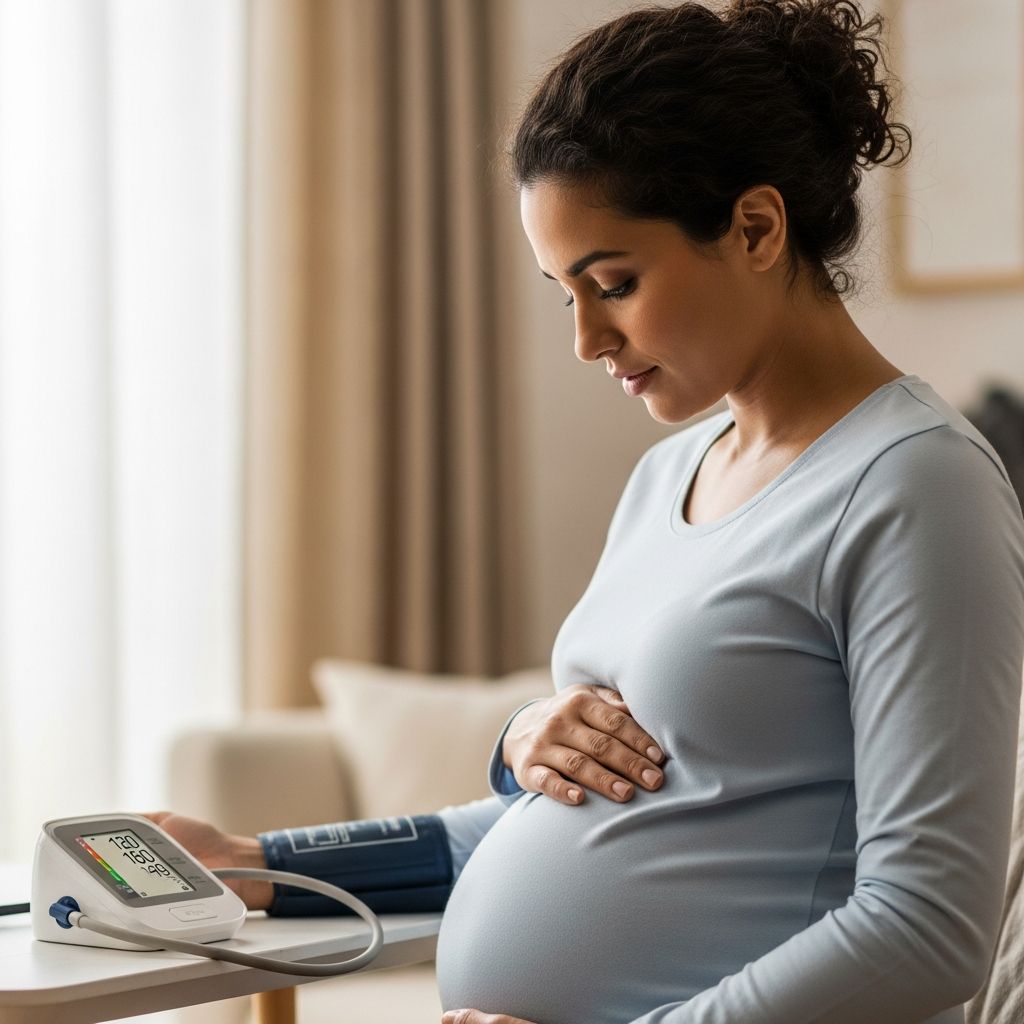
High blood pressure, or hypertension, during pregnancy affects millions of women worldwide and can pose serious risks to both mother and baby if not managed properly. Defined as readings consistently above 140/90 mmHg, it typically emerges after 20 weeks of gestation and requires close monitoring. This condition encompasses several forms, each with unique implications, but early detection through routine prenatal care often leads to positive outcomes.
Understanding the Different Types of Hypertension in Pregnancy
Pregnancy-related hypertension is not a one-size-fits-all issue. Healthcare providers classify it into distinct categories based on timing, severity, and associated symptoms to guide appropriate interventions.
- Chronic Hypertension: This occurs when high blood pressure is present before pregnancy or develops before 20 weeks. It may persist throughout gestation and requires ongoing management.
- Gestational Hypertension: High blood pressure that starts after 20 weeks without proteinuria or other organ damage signs. It often resolves postpartum but increases future cardiovascular risks.
- Preeclampsia: A more severe form involving hypertension after 20 weeks plus proteinuria or organ dysfunction, such as liver or kidney issues. It demands immediate attention.
- Chronic Hypertension with Superimposed Preeclampsia: Pre-existing hypertension worsens with preeclampsia features like sudden blood pressure spikes or protein in urine.
- Eclampsia: Preeclampsia progression to seizures, a life-threatening emergency.
- HELLP Syndrome: A rare but dangerous variant involving hemolysis, elevated liver enzymes, and low platelets, often without early hypertension signs.
These distinctions help clinicians tailor care, as gestational hypertension might only need observation, while preeclampsia could necessitate hospital admission.
Common Symptoms and Warning Signs
Many women with high blood pressure in pregnancy experience no noticeable symptoms, making regular check-ups vital. However, certain indicators signal potential problems.
| Symptom | Associated Condition | Description |
|---|---|---|
| Persistent headache | Preeclampsia | A severe headache that doesn’t respond to usual remedies. |
| Vision changes | Preeclampsia/Eclampsia | Blurred vision, spots, or light sensitivity. |
| Upper abdominal pain | Preeclampsia/HELLP | Pain under the right ribs, often sharp. |
| Swelling (edema) | Gestational Hypertension/Preeclampsia | Sudden swelling in face, hands, beyond normal pregnancy swelling. |
| Sudden weight gain | Preeclampsia | Rapid gain due to fluid retention. |
| Nausea/vomiting | Preeclampsia/HELLP | Especially later in pregnancy. |
| Shortness of breath | Severe cases | Due to fluid in lungs or other complications. |
Proteinuria, detected via urine tests, is a hallmark of preeclampsia, indicating kidney strain. Low urine output or easy bruising may point to HELLP syndrome.
Risks and Complications for Mother and Baby
Uncontrolled hypertension can lead to severe outcomes, underscoring the need for vigilance.
Maternal Risks
- Stroke or eclampsia seizures.
- Organ damage to kidneys, liver, brain.
- Placental abruption, where the placenta detaches prematurely.
- HELLP syndrome, risking liver failure and bleeding disorders.
- Long-term heart disease risk.
Fetal and Neonatal Risks
- Preterm birth before 37 weeks, often induced for safety.
- Low birth weight or intrauterine growth restriction from poor placental blood flow.
- Increased infection or breathing issues in newborns.
- Rare stillbirth in severe untreated cases.
High pressure restricts placental perfusion, starving the baby of oxygen and nutrients, which can stunt growth.
How Diagnosis Happens in Prenatal Care
Diagnosis relies on blood pressure measurements at every visit, starting with baseline readings. Key tests include:
- Urine analysis for protein levels.
- Blood tests for liver enzymes, platelets, kidney function.
- Ultrasound to assess fetal growth and placental health.
- Non-stress tests monitoring baby heart rate.
Severe readings over 160/110 mmHg prompt urgent evaluation. Early detection via routine antenatal appointments prevents progression.
Management and Treatment Strategies
Treatment aims to control pressure, protect organs, and ensure safe delivery. Options vary by severity.
- Lifestyle Adjustments: Rest, low-salt diet, avoiding stress. Bed rest for mild cases.
- Medications: Antihypertensives like labetalol or methyldopa safe in pregnancy. Magnesium sulfate prevents eclampsia seizures.
- Hospital Monitoring: For severe cases, with frequent checks and possible early delivery.
- Delivery: Only cure for preeclampsia, often at 37 weeks or earlier if risks escalate.
Related Stories



Postpartum, blood pressure typically normalizes within weeks, but follow-up is crucial for chronic cases.
Prevention Tips for Expecting Mothers
While not all cases are preventable, reducing risks involves:
- Maintaining healthy pre-pregnancy weight and blood pressure.
- Regular prenatal visits for early detection.
- Balanced diet rich in fruits, vegetables, limiting caffeine.
- Daily home blood pressure monitoring if high-risk.
- Avoiding smoking and excessive alcohol.
Women with pre-existing hypertension should consult providers before conception.
Long-Term Health Implications
Surviving pregnancy hypertension raises future risks: 50% of gestational cases develop chronic hypertension later. Preeclampsia survivors face higher cardiovascular disease odds. Annual check-ups post-delivery are recommended.
Frequently Asked Questions (FAQs)
What should blood pressure be during pregnancy?
Ideal is below 120/80 mmHg; 140/90 or higher flags hypertension.
Can high blood pressure harm my baby?
Yes, it risks preterm birth, low weight, and growth issues via poor placental flow.
Is preeclampsia curable?
Delivery cures it, but management controls it beforehand.
Do I need medication for gestational hypertension?
Not always; depends on severity. Discuss with your doctor.
How common is this condition?
Affects 6-8% of pregnancies, higher in multiples or first-time moms.
Empower yourself with knowledge and proactive care. Consult healthcare professionals for personalized advice, as every pregnancy is unique.
References
- High Blood Pressure During Pregnancy — Centers for Disease Control and Prevention (CDC). 2023. https://www.cdc.gov/high-blood-pressure/about/high-blood-pressure-during-pregnancy.html
- High Blood Pressure in Pregnancy — MedlinePlus, U.S. National Library of Medicine. 2024. https://medlineplus.gov/highbloodpressureinpregnancy.html
- Gestational Hypertension — Children’s Hospital of Philadelphia (CHOP). 2023. https://www.chop.edu/conditions-diseases/gestational-hypertension
- High blood pressure and pregnancy: Know the facts — Mayo Clinic. 2024-01-12. https://www.mayoclinic.org/healthy-lifestyle/pregnancy-week-by-week/in-depth/pregnancy/art-20046098
- Gestational Hypertension: Causes, Symptoms & Treatment — Cleveland Clinic. 2023-11-01. https://my.clevelandclinic.org/health/diseases/4497-gestational-hypertension
- Symptoms Pre-eclampsia — National Health Service (NHS). 2023. https://www.nhs.uk/conditions/pre-eclampsia/symptoms/
- Preeclampsia – Symptoms & causes — Mayo Clinic. 2024-05-21. https://www.mayoclinic.org/diseases-conditions/preeclampsia/symptoms-causes/syc-20355745
Similar Articles








Read full bio of Sneha Tete