High Blood Pressure: What It Is, Symptoms, Causes & Treatment
Understand hypertension: causes, symptoms, risks, diagnosis, and effective management strategies for better heart health.
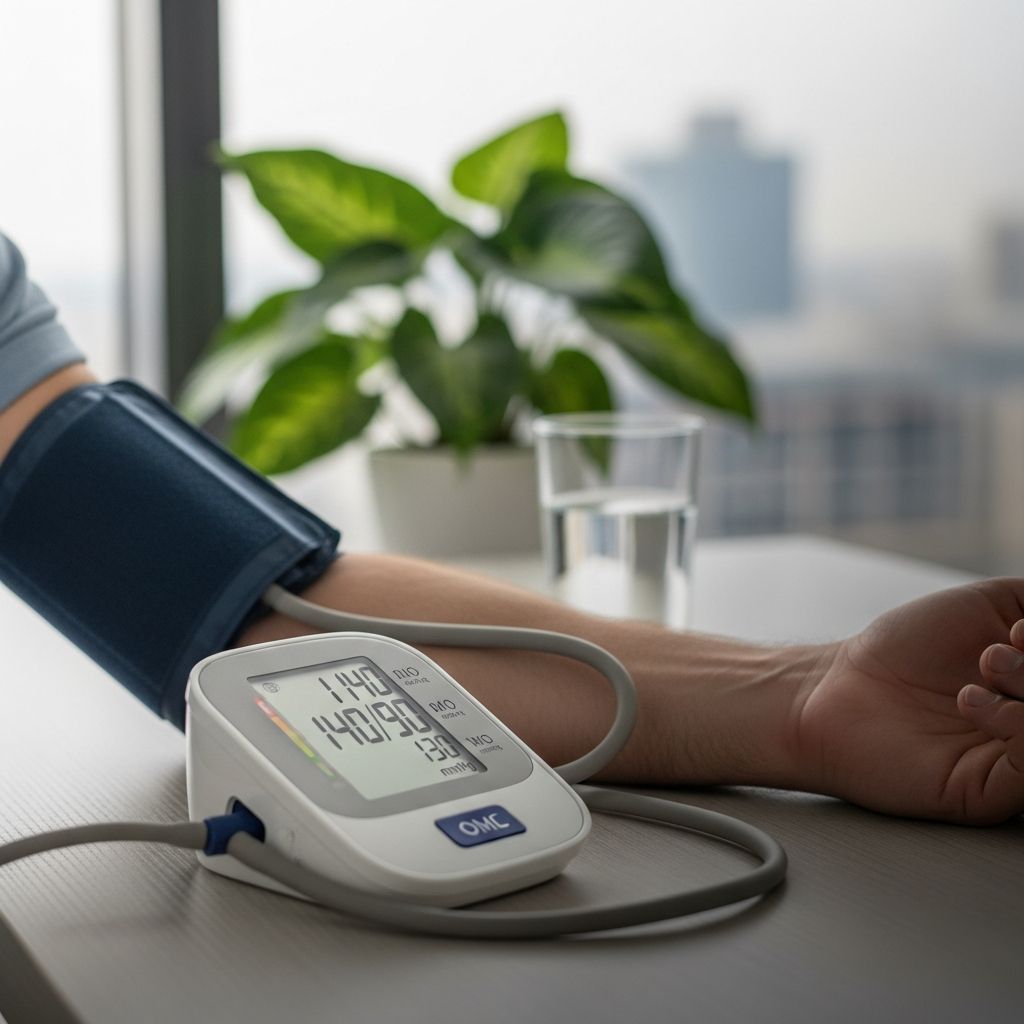
High blood pressure, or hypertension, affects millions worldwide and often goes unnoticed until it leads to serious complications like heart attacks, strokes, or kidney damage. This comprehensive guide covers everything from symptoms and causes to diagnosis, treatment, and prevention strategies, empowering you to take control of your cardiovascular health.
What Is High Blood Pressure?
High blood pressure occurs when the force of blood against artery walls is consistently too high. The heart pumps blood into the arteries with each beat, creating pressure measured in millimeters of mercury (mmHg). Readings consist of two numbers: systolic (top number, pressure during heartbeats) and diastolic (bottom number, pressure between beats). Normal blood pressure is below 120/80 mmHg, elevated is 120-129/<80 mmHg, stage 1 hypertension is 130-139/80-89 mmHg, stage 2 is 140+/90+ mmHg, and hypertensive crisis is above 180/120 mmHg.
Unlike many conditions, hypertension is typically asymptomatic, earning it the nickname ‘silent killer.’ Over time, sustained high pressure damages blood vessels, the heart, kidneys, and other organs, increasing risks for life-threatening events.
Symptoms of High Blood Pressure
Most people with high blood pressure experience no symptoms, even at dangerously elevated levels. It requires regular measurement for detection. In rare severe cases (hypertensive crisis), symptoms may include:
- Severe headaches
- Shortness of breath
- Nosebleeds
- Dizziness or lightheadedness
- Chest pain
- Vision problems
- Confusion
Long-term uncontrolled hypertension can lead to secondary symptoms from organ damage, such as shortness of breath from heart failure, leg swelling from fluid retention, palpitations from arrhythmias, or chest pain from coronary artery disease during exertion.
Causes of High Blood Pressure
Hypertension arises from the interplay of lifestyle, genetics, and underlying conditions. Blood pressure naturally fluctuates with activity, stress, sleep, and age—increasing slightly with aging is common—but persistent elevation signals a problem.
Primary (Essential) Hypertension
About 90-95% of cases have no identifiable single cause, termed primary hypertension. It develops gradually over years, influenced by:
- Genetics and family history
- Age-related artery stiffening
Secondary Hypertension
Affecting 5-10% of cases, this stems from identifiable causes, often appearing suddenly or in younger patients. Common triggers include:
- Kidney problems (e.g., narrowed renal arteries)
- Adrenal gland disorders (e.g., tumors causing excess hormones)
- Thyroid issues (hyperthyroidism)
- Sleep apnea
- Certain medications (e.g., birth control pills, decongestants)
- Illegal drugs (e.g., cocaine)
Addressing the underlying cause can resolve secondary hypertension.
Risk Factors for High Blood Pressure
Several modifiable and non-modifiable factors elevate hypertension risk:
| Modifiable Risk Factors | Non-Modifiable Risk Factors |
|---|---|
| High-sodium diet | Age (risk rises after 45) |
| Excess alcohol consumption | Family history/genetics |
| Physical inactivity | Race/ethnicity (higher in Black adults) |
| Obesity or overweight | Sex (men under 64; women after) |
| Smoking or tobacco use | |
| Chronic stress | |
| Poor sleep or sleep disorders |
Related Stories



Environmental factors like air pollution also contribute. Even healthy individuals can develop hypertension due to genetics.
Effects and Complications of High Blood Pressure
Chronic hypertension strains the cardiovascular system, causing arteries to stiffen and narrow (atherosclerosis). The heart works harder, leading to thickening (left ventricular hypertrophy). Potential complications include:
- Atherosclerotic cardiovascular disease (ASCVD): Heart attack, stroke, peripheral artery disease
- Heart failure: Weakened pumping ability
- Aneurysms: Weakened artery walls that may rupture
- Chronic kidney disease: Damaged filtering units
- Eye damage (hypertensive retinopathy): Vision loss
- Metabolic syndrome: Cluster of conditions raising disease risk
- Cognitive issues: Memory problems, dementia
Risk escalates with age, co-existing conditions (diabetes, high cholesterol), and unhealthy habits. Tools like ASCVD risk calculators estimate 10-year complication odds.
Diagnosis of High Blood Pressure
Diagnosis involves multiple office readings on separate visits, confirming sustained elevation above 130/80 mmHg. Ambulatory blood pressure monitoring (24-hour device) or home monitoring rules out ‘white coat’ hypertension (elevated in clinics only).
Additional tests assess organ damage and secondary causes:
- Blood tests (kidney function, electrolytes, cholesterol)
- Urine tests (protein for kidney damage)
- Electrocardiogram (ECG) for heart strain
- Echocardiogram for heart structure
- Eye exam for retinopathy
Treatment for High Blood Pressure
Treatment combines lifestyle changes and medications, tailored to blood pressure levels, risk, and comorbidities. Goals: below 130/80 mmHg for most; individualized for some.
Lifestyle Modifications
First-line for all; can lower pressure 5-20 mmHg:
- DASH diet: Fruits, vegetables, whole grains, low-fat dairy; limit saturated fats/sweets
- Sodium reduction to <2,300 mg/day (ideally 1,500 mg)
- Regular aerobic exercise (150 min/week moderate or 75 min vigorous)
- Weight loss (5-10% body weight reduces pressure significantly)
- Limit alcohol (≤1 drink/day women; ≤2 men)
- Quit smoking
- Stress management (meditation, yoga)
- Adequate sleep (7-9 hours/night)
Medications
For stage 2 hypertension or high-risk stage 1. Common classes:
| Class | Examples | Action |
|---|---|---|
| ACE Inhibitors | Lisinopril | Relax blood vessels |
| ARBs | Losartan | Block vessel-tightening hormones |
| Calcium Channel Blockers | Amlodipine | Relax vessel muscles |
| Diuretics | HCTZ | Reduce blood volume |
| Beta Blockers | Metoprolol | Lower heart rate/force |
Often combined; monitored for side effects.
Prevention of High Blood Pressure
Adopting healthy habits early prevents or delays hypertension:
- Maintain healthy weight
- Eat heart-healthy diet
- Exercise regularly
- Avoid tobacco
- Moderate alcohol
- Manage stress
- Monitor blood pressure routinely
Regular check-ups are crucial, especially with risk factors.
Frequently Asked Questions (FAQs)
What is considered high blood pressure?
Readings of 130/80 mmHg or higher on multiple occasions indicate hypertension.
Can high blood pressure be cured?
Primary hypertension is managed lifelong, but lifestyle changes and meds control it effectively. Secondary may be curable.
How often should I check my blood pressure?
Adults: every 2 years if normal; annually if elevated/risks; more if diagnosed.
Does stress cause high blood pressure?
Acute stress raises it temporarily; chronic unmanaged stress contributes long-term.
Can I lower blood pressure without medication?
Yes, many achieve control via diet, exercise, weight loss, and habits.
References
- High blood pressure – InformedHealth.org — NCBI Bookshelf / InformedHealth.org. 2023 (updated content relevant as of 2026). https://www.ncbi.nlm.nih.gov/books/NBK279239/
- High Blood Pressure — Centers for Disease Control and Prevention (CDC). 2024-11-01. https://www.cdc.gov/bloodpressure/about.htm
- Hypertension — World Health Organization (WHO). 2023-03-17. https://www.who.int/news-room/fact-sheets/detail/hypertension
- 2017 ACC/AHA Guideline for High Blood Pressure in Adults — American Heart Association / American College of Cardiology. 2017-11 (authoritative guideline, remains foundational). https://www.ahajournals.org/doi/10.1161/HYP.0000000000000065
- High Blood Pressure — National Heart, Lung, and Blood Institute (NHLBI). 2024-09-06. https://www.nhlbi.nih.gov/health/high-blood-pressure
Similar Articles








Read full bio of Sneha Tete