High Blood Pressure Symptoms: 9 Subtle Signs To Watch
Uncover the subtle signs of hypertension, known as the silent killer, and learn when to seek urgent medical care.
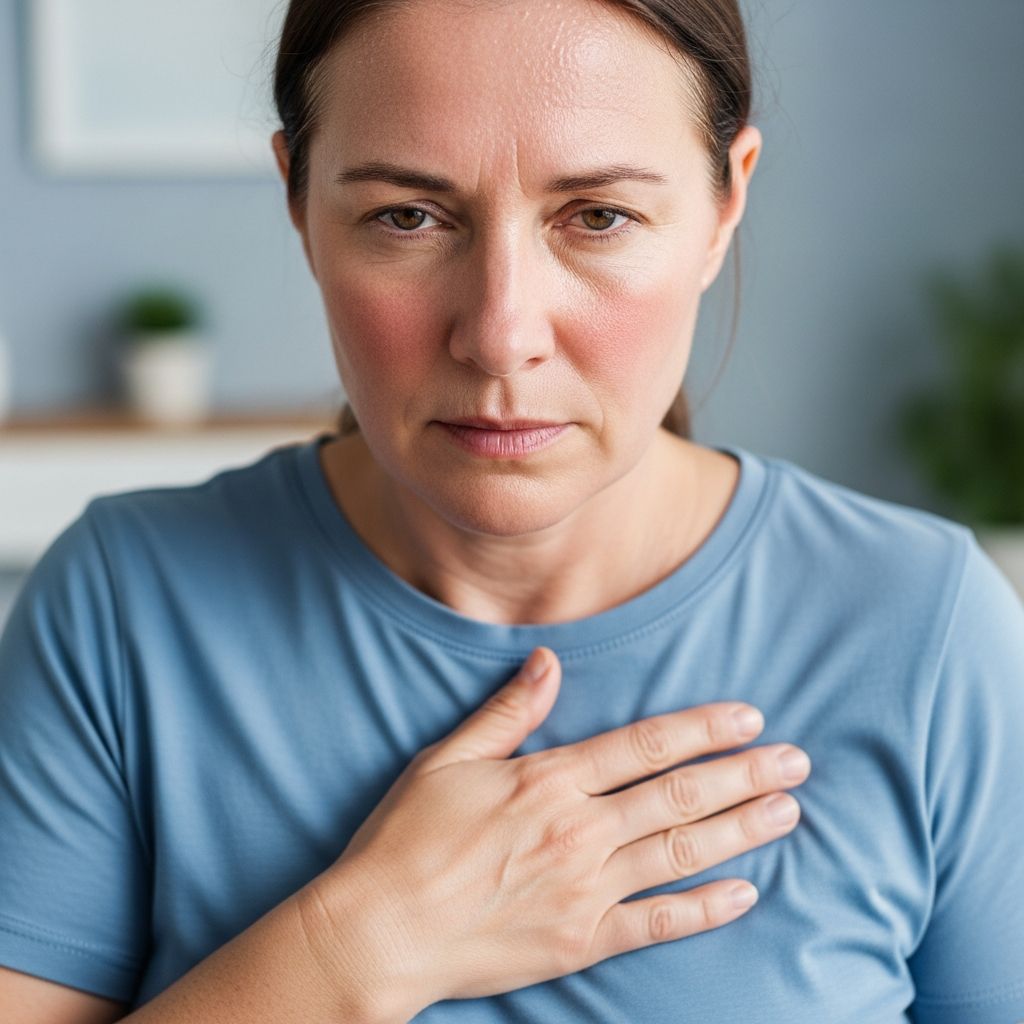
High blood pressure, or hypertension, affects millions worldwide and is notorious as the “silent killer” because it typically produces no obvious warning signs. Over time, unchecked elevated pressure damages arteries, the heart, kidneys, and brain, raising risks for heart attack, stroke, and organ failure. While most people feel fine, subtle symptoms can emerge, especially in severe cases. Regular screenings are essential since symptoms alone cannot diagnose hypertension. This article details why it’s silent, potential signs, blood pressure categories, and emergency red flags.
What Is High Blood Pressure?
High blood pressure occurs when the force of blood against artery walls is consistently too high, measured in millimeters of mercury (mm Hg). It’s recorded as two numbers: systolic (pressure during heartbeats, top number) and diastolic (pressure between beats, bottom number). The National Heart, Lung, and Blood Institute (NHLBI) defines it as a common condition where blood flows through arteries at higher-than-normal pressures, often without symptoms. Risk factors include age, family history, obesity, poor diet, inactivity, smoking, and excessive alcohol.
Hypertension develops gradually, causing microscopic tears in artery linings where plaque builds up, narrowing vessels and straining the heart. Without symptoms, over 40% of adults remain undiagnosed, emphasizing the need for routine checks.
Why High Blood Pressure Often Has No Symptoms
Unlike many conditions, hypertension doesn’t trigger pain receptors or noticeable discomfort in early stages. The body adapts to gradually rising pressure, masking the damage occurring to blood vessels and organs. The American Heart Association (AHA) notes that for most, there are no signs or symptoms, affecting all ages from children to seniors. This stealth allows silent progression to complications like atherosclerosis, heart enlargement, and kidney disease.
Diagnosis requires professional measurement with a cuff around the upper arm, inflating to stop blood flow briefly, then releasing to record systolic and diastolic values. Home monitors help track trends but aren’t substitutes for clinical confirmation.
Subtle Symptoms of High Blood Pressure
While rare in mild cases, very high or spiking blood pressure may cause subtle signs. These aren’t diagnostic but warrant checking, especially with risk factors. Common subtle symptoms include:
- Early-morning headaches: Dull pain at the skull’s back upon waking, linked to nighttime surges. More common in severe hypertension.
- Dizziness or lightheadedness: Reduced brain blood flow causes wooziness, particularly when standing.
- Blurred vision or eye strain: Damaged retinal vessels lead to fuzzy or double vision; eye exams often detect hypertension first.
- Pounding in ears, neck, or chest: Turbulent blood flow from high pressure creates pulsing sensations.
- Shortness of breath: Heart works harder, causing easy fatigue during activity.
- Nosebleeds: Frequent ones may signal spikes, though not reliable alone.
- Fatigue or confusion: Impaired brain perfusion leads to tiredness or foggy thinking.
- Irregular heartbeat (palpitations): Heart strain triggers fluttering, racing, or skipped beats, possibly atrial fibrillation.
- Tinnitus: Ringing or buzzing in ears; a 2021 study found 45.8% prevalence in hypertensives vs. 39.2% in others.
These signs overlap with other issues, so pair them with readings. Older adults may notice headaches, vision changes, dizziness, or fatigue more often.
Blood Pressure Categories and Readings
Understanding categories guides management. AHA classifies as follows:
| Blood Pressure Category | Systolic mm Hg (upper number) | and/or | Diastolic mm Hg (lower number) |
|---|---|---|---|
| Normal | Less than 120 | and | Less than 80 |
| Elevated | 120–129 | and | Less than 80 |
| Stage 1 Hypertension | 130–139 | or | 80–89 |
| Stage 2 Hypertension | 140 or higher | or | 90 or higher |
| Severe Hypertension | Higher than 180 | and/or | Higher than 120 |
| Hypertensive Emergency (with symptoms) | Higher than 180 | and/or | Higher than 120 |
For elevated readings, lifestyle changes like diet and exercise can prevent progression. Stage 1 or 2 often requires medication alongside habits. Retake severe readings after 1 minute; persistent highs need professional care.
Related Stories



Hypertensive Crisis: Emergency Symptoms
A hypertensive crisis occurs above 180/120 mm Hg. Hypertensive emergency involves organ damage symptoms—call 911 for:
- Chest pain
- Shortness of breath
- Back pain
- Numbness or weakness
- Vision changes
- Difficulty speaking
- Severe headache
- Confusion or nausea
Without symptoms, it’s severe hypertension—contact a doctor promptly for medication adjustments. Delays risk stroke, heart attack, or aneurysm.
Managing High Blood Pressure
Even asymptomatic, control via DASH diet (fruits, veggies, low-sodium), 150 minutes weekly exercise, weight management, limited alcohol, no smoking, and stress reduction. Medications like ACE inhibitors or beta-blockers may be prescribed. Monitor at home and share logs with providers.
Pregnancy, medications, or conditions like sleep apnea can influence readings—discuss with doctors.
Frequently Asked Questions (FAQs)
What are the signs of high blood pressure in older adults?
Subtle signs like morning headaches, blurred vision, dizziness, or fatigue, especially with rapid rises.
Can high blood pressure cause tiredness or dizziness?
Yes, particularly if severe or fluctuating; rule out meds or other issues with a provider.
What if blood pressure is high but I feel fine?
Track and consult a doctor—risks for heart disease and stroke persist regardless.
What are emergency symptoms of high blood pressure?
Chest pain, severe headache, vision changes, shortness of breath, confusion, or nausea with readings over 180/120 mm Hg—seek immediate care.
How is high blood pressure diagnosed?
Via cuff measurement in a clinical setting; multiple readings confirm.
Does high blood pressure affect children?
Yes, though rarer; screening is vital across ages.
References
- 9 Surprisingly Subtle Symptoms of High Blood Pressure — National Council on Aging (NCOA). 2023-10-12. https://www.ncoa.org/article/9-surprisingly-subtle-symptoms-of-high-blood-pressure/
- What Are the Symptoms of High Blood Pressure? — American Heart Association (AHA). 2024-05-20. https://www.heart.org/en/health-topics/high-blood-pressure/know-your-risk-factors-for-high-blood-pressure/what-are-the-symptoms-of-high-blood-pressure
- What Is High Blood Pressure? — National Heart, Lung, and Blood Institute (NHLBI), NIH. 2024-08-15. https://www.nhlbi.nih.gov/health/high-blood-pressure
Similar Articles








Read full bio of Sneha Tete