High Blood Pressure Symptoms: 9 Subtle Warning Signs To Watch
Uncover the subtle signs of hypertension, known as the silent killer, and learn when to seek urgent medical care.

High blood pressure, or hypertension, affects millions worldwide and is frequently dubbed the “silent killer” because it typically produces no noticeable symptoms until serious complications arise. More than 40% of adults with hypertension remain unaware of their condition, allowing it to silently damage arteries, the heart, and other organs over time. This article breaks down why symptoms are rare, identifies subtle warning signs, explains blood pressure categories, and outlines emergency indicators to help you recognize and address this pervasive health threat.
What Is High Blood Pressure?
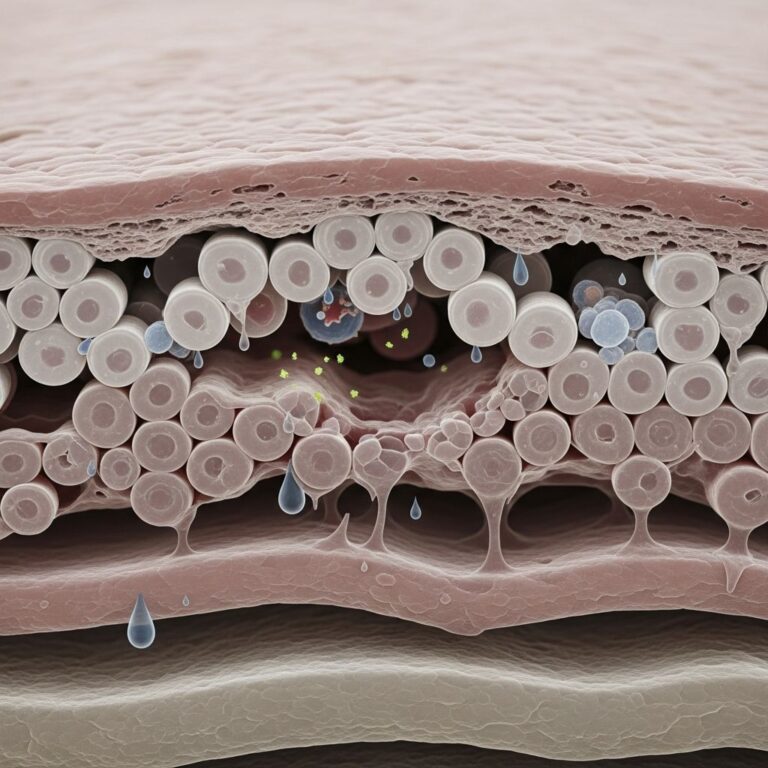
High blood pressure occurs when the force of blood against artery walls is consistently elevated, straining the cardiovascular system. Over years, this pressure causes microscopic tears in artery linings, promoting plaque buildup that narrows vessels and forces the heart to work harder. Unlike many conditions, hypertension rarely announces itself with obvious signs, making regular screenings essential—especially since it impacts all age groups, from children to older adults.
Diagnosis requires professional measurement using a cuff on the upper arm, which temporarily stops blood flow in the brachial artery before releasing it to record systolic (heart beating) and diastolic (heart resting) pressures. Home monitors can track trends, but confirmation comes from healthcare settings.
Blood Pressure Categories
Understanding your numbers is crucial. The American Heart Association defines categories as follows:
| Blood Pressure Category | Systolic mm Hg (upper number) | and/or | Diastolic mm Hg (lower number) |
|---|---|---|---|
| Normal | Less than 120 | and | Less than 80 |
| Elevated | 120–129 | and | Less than 80 |
| Stage 1 Hypertension | 130–139 | or | 80–89 |
| Stage 2 Hypertension | 140 or higher | or | 90 or higher |
| Hypertensive Crisis | Higher than 180 | and/or | Higher than 120 |
Note: For severe readings above 180/120 mm Hg, recheck after one minute. If symptoms accompany it, seek emergency care.
Why Does High Blood Pressure Often Have No Symptoms?
Hypertension develops gradually, with elevated pressure building over years without triggering pain receptors or alerting the body. The heart adapts by pumping harder, but this compensation masks issues until damage accumulates—leading to risks like heart disease, stroke, kidney failure, and vision loss. Regular checks are vital since most people feel entirely normal, even at dangerous levels.
Subtle Symptoms of High Blood Pressure
While rare, certain subtle signs may emerge, particularly with severe or spiking hypertension. These are not diagnostic on their own but warrant monitoring:
- Early-morning headaches: Dull pain at the skull’s back upon waking, linked to nighttime surges.
- Dizziness or light-headedness: Reduced brain blood flow causes wooziness.
- Blurred vision or eye strain: Retinal vessel damage can lead to double vision or loss; eye exams often detect it first.
- Pounding in ears, neck, or chest: Turbulent blood flow from high pressure.
- Shortness of breath: Heart strain during activity.
- Nosebleeds: Frequent ones may signal spikes, though not reliable early indicators.
- Fatigue or confusion: Impaired brain perfusion leads to tiredness or mental fog.
- Irregular heartbeat (palpitations): Heart muscle strain causes fluttering or racing.
- Tinnitus: Ringing or buzzing in ears; a 2021 study found 45.8% prevalence in hypertensives vs. 39.2% in others.
Related Stories



These symptoms overlap with other conditions, so pair them with blood pressure readings for context.
Emergency Symptoms: When to Seek Immediate Help
A hypertensive crisis (over 180/120 mm Hg) demands action. Call 911 for:
- Chest pain
- Severe headache
- Shortness of breath
- Vision changes
- Confusion or difficulty speaking
- Numbness or weakness
- Back pain
- Nausea
Without symptoms, contact your doctor promptly—delays risk stroke or heart attack.
High Blood Pressure in Older Adults
Seniors face heightened risks, yet symptoms remain subtle: morning headaches, dizziness, fatigue, or blurred vision during spikes. Age-related artery stiffening amplifies dangers, underscoring annual screenings.
Risk Factors and Prevention
Key contributors include obesity, inactivity, high-sodium diets, smoking, excessive alcohol, stress, and genetics. Preventive steps:
- Maintain healthy weight
- Exercise 150 minutes weekly
- Limit sodium to under 2,300 mg daily
- Quit smoking
- Monitor at home
Lifestyle tweaks can normalize elevated readings; medications manage diagnosed cases.
Frequently Asked Questions (FAQs)
What are the signs of high blood pressure in older adults?
Subtle cues like early-morning headaches, dizziness, blurred vision, or fatigue, especially during rapid rises.
Can high blood pressure cause tiredness or dizziness?
Yes, particularly if severe or fluctuating; consult a provider to rule out medications or comorbidities.
What if my blood pressure is high but I feel fine?
Track readings and inform your doctor—untreated hypertension raises heart disease and stroke risks.
What are emergency symptoms of high blood pressure?
Chest pain, severe headache, vision changes, shortness of breath, confusion, or nausea with readings over 180/120 mm Hg signal crisis; call 911.
Monitoring and Next Steps
Invest in a validated home monitor, log readings twice daily (morning/evening), and share with your provider. Annual checks suffice for low-risk adults; more frequent for those with factors. Early detection via lifestyle or meds prevents complications.
References
- 9 Surprisingly Subtle Symptoms of High Blood Pressure — National Council on Aging (NCOA). 2023. https://www.ncoa.org/article/9-surprisingly-subtle-symptoms-of-high-blood-pressure/
- What are the Symptoms of High Blood Pressure? — American Heart Association. 2024-10-26. https://www.heart.org/en/health-topics/high-blood-pressure/know-your-risk-factors-for-high-blood-pressure/what-are-the-symptoms-of-high-blood-pressure
- What Is High Blood Pressure? — National Heart, Lung, and Blood Institute (NHLBI, NIH). 2024. https://www.nhlbi.nih.gov/health/high-blood-pressure
Similar Articles








Read full bio of medha deb