High Blood Sugar Symptoms: Complete Guide For Type 2 Diabetes
Recognize the signs of high blood sugar in type 2 diabetes early to prevent serious complications and manage your health effectively.
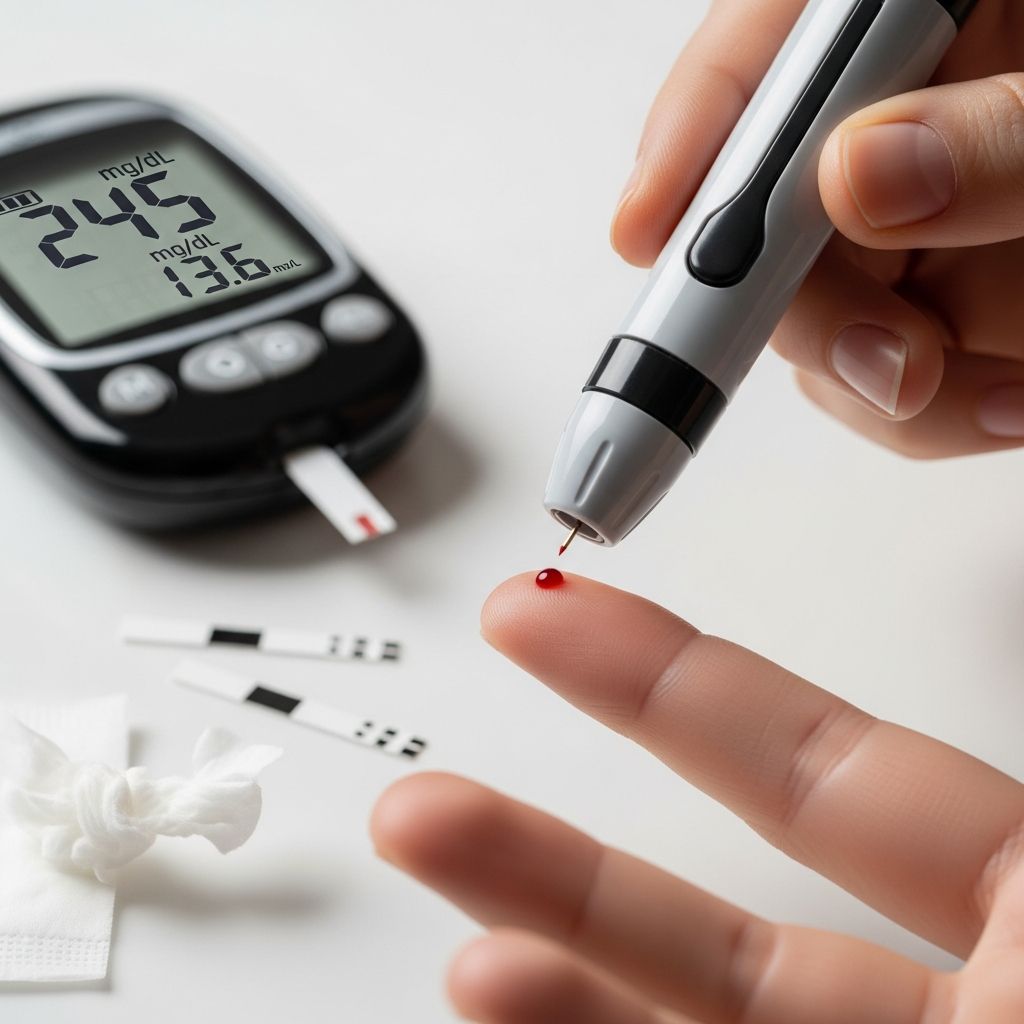
High blood sugar, medically known as hyperglycemia, occurs when glucose levels in the blood rise above normal ranges, often due to type 2 diabetes. In type 2 diabetes, the body either resists the effects of insulin or doesn’t produce enough insulin to maintain healthy blood sugar levels. This condition affects millions worldwide and can lead to serious health issues if not managed properly. Symptoms often develop gradually, and many people may not notice them until complications arise.
Understanding hyperglycemia is crucial because early detection allows for timely intervention. Blood sugar levels above 180 mg/dL one to two hours after eating or over 125 mg/dL fasting typically indicate hyperglycemia in people with diabetes. Without treatment, it can damage organs, nerves, and blood vessels over time. This article covers symptoms, causes, risk factors, complications, management strategies, and more to help you stay informed and proactive about your health.
What Is High Blood Sugar (Hyperglycemia)?
Hyperglycemia happens when the body can’t effectively move glucose from the bloodstream into cells for energy. In type 2 diabetes, insulin resistance plays a key role: cells don’t respond properly to insulin, causing sugar to build up in the blood. Over time, the pancreas may produce less insulin, worsening the problem.
Normal blood sugar levels are around 70-99 mg/dL fasting and under 140 mg/dL after meals. Hyperglycemia is generally defined as over 180 mg/dL post-meal or 250 mg/dL or higher in undiagnosed cases, where symptoms become more apparent. Unlike hypoglycemia (low blood sugar), hyperglycemia symptoms can be subtle at first but intensify with prolonged elevation.
- Factors triggering spikes: Illness, stress, certain medications, or skipping diabetes meds.
- Prevalence: Common in type 2 diabetes, affecting over 90% of diabetes cases globally.
Symptoms of High Blood Sugar
Symptoms of high blood sugar often mimic general fatigue but cluster together in diabetes. They result from the body’s dehydration efforts (to flush excess glucose via urine) and cellular energy starvation despite high circulating sugar.
Early signs include:
- Increased thirst (polydipsia): The body signals for more fluids to dilute blood sugar.
- Frequent urination (polyuria): Kidneys filter out excess glucose, pulling water from tissues.
- Extreme hunger (polyphagia): Cells starve for energy, prompting hunger despite high blood sugar.
- Fatigue and tiredness: Without glucose entering cells, energy levels drop.
- Blurred vision: High sugar pulls fluid from eye lenses, altering focus.
Advanced or prolonged symptoms are more concerning:
- Slow-healing sores and frequent infections: Elevated sugar impairs white blood cell function and circulation.
- Unexplained weight loss: Body breaks down muscle and fat for fuel.
- Numbness or tingling in hands/feet (neuropathy): Nerve damage from sustained high glucose.
- Dry mouth and headaches: Dehydration effects.
- Darkened skin patches (acanthosis nigricans): Especially in armpits or neck, signaling insulin resistance.
In severe cases, hyperglycemia can progress to diabetic ketoacidosis (DKA) or hyperosmolar hyperglycemic state (HHS). DKA symptoms add fruity breath, nausea, rapid breathing, and confusion; HHS brings extreme dehydration and mental changes.
Causes of High Blood Sugar in Type 2 Diabetes
Related Stories



The root cause in type 2 diabetes is insulin resistance combined with relative insulin deficiency. Glucose can’t enter cells efficiently, leading to buildup. Key triggers include:
- Not enough insulin or medication: Skipping doses or ineffective treatment.
- Physical inactivity: Exercise helps muscles use glucose without insulin.
- High-carb meals: Rapid sugar influx overwhelms regulation.
- Stress hormones: Cortisol and others raise blood sugar.
- Illness or infection: Body releases glucose for immune response.
Not everyone with risk factors develops hyperglycemia, but lifestyle and genetics interplay significantly.
Risk Factors for Hyperglycemia
Anyone with type 2 diabetes is at risk, but certain factors heighten chances:
| Risk Factor | Description |
|---|---|
| Obesity | Excess fat promotes insulin resistance. |
| Family history | Genetic predisposition to beta-cell dysfunction. |
| Age over 45 | Pancreatic function declines with age. |
| Sedentary lifestyle | Lack of activity impairs glucose uptake. |
| Prior gestational diabetes | Increases lifetime risk. |
Other contributors: high blood pressure, abnormal cholesterol, and polycystic ovary syndrome (PCOS).
Complications of Untreated High Blood Sugar
Chronic hyperglycemia damages tissues silently. Long-term effects include:
- Cardiovascular disease: Atherosclerosis, heart attack, stroke risk doubles.
- Nephropathy: Kidney damage leading to dialysis.
- Retinopathy: Vision loss from retinal blood vessel damage.
- Neuropathy: Pain, numbness, digestive issues, erectile dysfunction.
- Foot problems: Ulcers, infections, potential amputations.
- Cognitive decline: Higher dementia risk.
Acute risks: DKA (more type 1 but possible in type 2) or HHS, both medical emergencies.
When to See a Doctor
Monitor closely if you have diabetes. Seek immediate care for:
- Blood sugar over 250 mg/dL with symptoms.
- DKA signs: nausea, vomiting, fruity breath.
- HHS: severe dehydration, confusion.
- Persistent symptoms despite treatment.
Annual screenings for complications are recommended.
Diagnosis and Tests
Hyperglycemia is confirmed via:
- A1C test: Average blood sugar over 2-3 months (>6.5% indicates diabetes).
- Fasting plasma glucose: ≥126 mg/dL.
- Oral glucose tolerance test: ≥200 mg/dL after load.
- Random glucose: ≥200 mg/dL with symptoms.
Treatment and Management
Control involves lifestyle and meds:
- Medications: Metformin, GLP-1 agonists, insulin if needed.
- Diet: Balanced carbs, fiber-rich foods.
- Exercise: 150 minutes weekly moderate activity.
- Monitoring: Home glucometer checks.
- Weight management: 5-10% loss improves sensitivity.
Prevention Tips
Prevent spikes by:
- Eating consistently, avoiding sugar binges.
- Staying hydrated.
- Managing stress via mindfulness.
- Regular check-ups.
Frequently Asked Questions (FAQs)
What are the first signs of high blood sugar?
The earliest signs are increased thirst, frequent urination, and fatigue.
Can you have high blood sugar without symptoms?
Yes, especially in early type 2 diabetes; regular testing is essential.
How long can hyperglycemia go unnoticed?
Years, leading to silent organ damage.
Does stress cause high blood sugar?
Yes, stress hormones like cortisol elevate glucose.
Is blurred vision from high blood sugar permanent?
Often reversible with sugar control, but chronic cases risk permanent damage.
References
- Type 2 Diabetes – NIDDK — National Institute of Diabetes and Digestive and Kidney Diseases. 2023. https://www.niddk.nih.gov/health-information/diabetes/overview/what-is-diabetes/type-2-diabetes
- Type 2 diabetes – Symptoms and causes – Mayo Clinic — Mayo Clinic. 2023-10-20. https://www.mayoclinic.org/diseases-conditions/type-2-diabetes/symptoms-causes/syc-20351193
- Symptoms of type 2 diabetes and how it’s diagnosed – NHS — National Health Service. 2023. https://www.nhs.uk/conditions/type-2-diabetes/symptoms/
- Diabetes Symptoms & Early Warning Signs — American Diabetes Association. 2023. https://diabetes.org/about-diabetes/warning-signs-symptoms
- Hyperglycemia: Symptoms, Causes, and Treatments – Yale Medicine — Yale Medicine. 2023. https://www.yalemedicine.org/conditions/hyperglycemia-symptoms-causes-treatments
- Hyperglycemia (High Blood Sugar): Symptoms & Treatment — Cleveland Clinic. 2023-08-02. https://my.clevelandclinic.org/health/diseases/9815-hyperglycemia-high-blood-sugar
- Type 2 Diabetes – CDC — Centers for Disease Control and Prevention. 2023. https://www.cdc.gov/diabetes/about/about-type-2-diabetes.html
Similar Articles








Read full bio of Sneha Tete