High-Calorie Foods for Healthy Weight Gain
Discover nutrient-dense, high-calorie foods to support healthy weight gain while prioritizing nutrition and overall wellness.
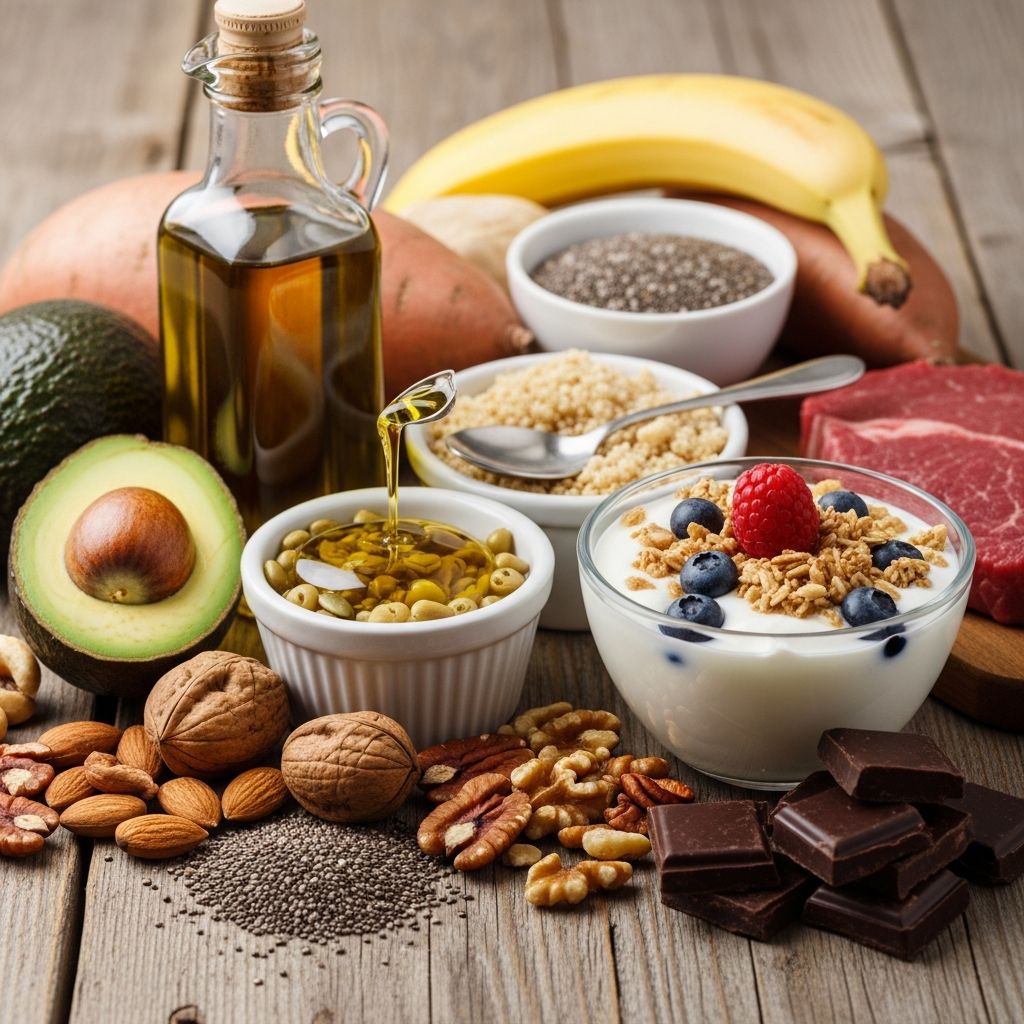
Gaining weight healthily involves consuming more calories than you burn while focusing on nutrient-dense foods that support muscle growth, energy levels, and overall health. Unlike ultra-processed foods that can lead to excess intake and unwanted fat gain, prioritizing whole, calorie-rich options ensures balanced nutrition.
A calorie surplus of 250-500 calories daily is often recommended for gradual weight gain, ideally through strength training and protein-rich meals. This approach promotes lean muscle over fat accumulation.
Why Focus on Healthy Weight Gain?
Healthy weight gain is essential for individuals who are underweight, athletes building muscle, or those recovering from illness. It differs from mindless overeating by emphasizing quality calories from sources like nuts, seeds, and healthy fats, which provide vitamins, minerals, and fiber.
Research shows that diets high in ultra-processed foods increase energy intake by over 500 kcal/day and cause weight gain of about 0.9 kg in just two weeks, even when matched for macronutrients. Opting for unprocessed, high-calorie foods avoids these pitfalls and supports long-term health.
Top High-Calorie Foods for Weight Gain
Incorporate these nutrient-dense foods to boost calorie intake without sacrificing nutrition. Aim for full-fat versions and pair them with proteins and complex carbs for balanced meals.
- Nuts and Nut Butters: Almonds, peanuts, and cashews pack 160-200 calories per ounce. Spread peanut butter on toast or add to smoothies for easy calories.
- Avocados: One medium avocado offers 240 calories, healthy fats, and potassium. Mash into guacamole or slice onto sandwiches.
- Full-Fat Dairy: Greek yogurt (220 calories per cup), cheese, and whole milk provide protein and calcium. Use in smoothies or as snacks.
- Olive Oil and Other Healthy Fats: Drizzle extra-virgin olive oil (120 calories per tablespoon) on salads, veggies, or grains to multiply calories effortlessly.
- Dried Fruits: Raisins, dates, and apricots deliver 300 calories per cup with natural sugars and fiber. Mix into oatmeal or trail mix.
- Whole Grains: Quinoa, brown rice, and oats are calorie-dense when portioned generously. Quinoa has 222 calories per cooked cup and complete protein.
- Potatoes and Sweet Potatoes: A large baked potato provides 280 calories. Load with butter, cheese, or sour cream for extra boost.
- Fatty Fish: Salmon and mackerel offer 200-250 calories per 3-ounce serving, rich in omega-3s for heart health and muscle repair.
- Legumes and Beans: Lentils and chickpeas add 230 calories per cup cooked, with protein and fiber for satiety.
- Dark Chocolate: 70% cocoa varieties give 170 calories per ounce with antioxidants. Enjoy in moderation as a treat.
How to Incorporate High-Calorie Foods into Your Diet
Building meals around these foods maximizes calorie intake without feeling overly full. Focus on frequent, larger portions and calorie add-ons.
Breakfast Ideas
- Oatmeal with whole milk, peanut butter, banana slices, and nuts: ~600 calories.
- Greek yogurt parfait with granola, honey, and dried fruits: ~500 calories.
- Avocado toast on whole wheat with eggs and cheese: ~550 calories.
Lunch and Dinner Strategies
Add olive oil to stir-fries, rice bowls with salmon and avocado, or loaded baked potatoes. Use tables for quick meal planning:
| Meal | Base Food | Calorie Add-Ons | Total Calories |
|---|---|---|---|
| Lunch | Quinoa Bowl | Chicken, Avocado, Olive Oil | 700 |
| Dinner | Baked Sweet Potato | Butter, Cheese, Beans | 650 |
| Snack | Trail Mix | Nuts, Dried Fruit, Chocolate | 400 |
Snack and Shake Recipes
High-calorie shakes are ideal for quick gains: Blend banana, full-fat yogurt, oats, peanut butter, and whole milk for 800 calories. Trail mix or cheese with crackers makes portable snacks.
Sample 7-Day High-Calorie Meal Plan
This plan targets 3,000 calories daily, adjustable based on needs. Emphasize whole foods over processed ones.
| Day | Breakfast | Lunch | Dinner | Snacks |
|---|---|---|---|---|
| Monday | Oatmeal w/ nuts & milk | Chicken quinoa bowl | Salmon & potatoes | Yogurt, trail mix |
| Tuesday | Avocado eggs toast | Lentil rice stir-fry | Beef & sweet potato | Nut butter banana |
| Wednesday | Smoothie w/ yogurt | Tuna salad wrap | Pasta w/ olive oil | Cheese & crackers |
| Thursday | Pancakes w/ fruit | Bean burrito bowl | Fish & rice | Dried fruit mix |
| Friday | Yogurt parfait | Quinoa salad | Steak & veggies | Dark chocolate nuts |
| Saturday | French toast | Chicken rice bowl | Pizza w/ toppings | Shake |
| Sunday | Omelet w/ cheese | Lentil soup & bread | Roast & potatoes | Avocado on toast |
Each day includes ~3,000 calories from nutrient-dense sources. Track progress and adjust portions.
Benefits of Nutrient-Dense High-Calorie Foods
These foods supply essential macronutrients and micronutrients. Nuts provide healthy fats and vitamin E; dairy offers protein for muscle synthesis; grains deliver sustained energy. Avoiding ultra-processed items prevents the 500+ kcal excess intake linked to weight gain studies.
Full-fat dairy and legumes also support gut health via fiber and probiotics.
Common Mistakes to Avoid
- Relying on junk food: Leads to poor nutrition and potential health issues.
- Ignoring exercise: Strength training ensures calories build muscle, not just fat.
- Not tracking calories: Use apps to maintain surplus without under- or over-eating.
- Skipping variety: Rotate foods to prevent boredom and nutrient gaps.
Who Should Consider Weight Gain Strategies?
Underweight individuals (BMI <18.5), endurance athletes, or those with high metabolisms benefit most. Consult a doctor or dietitian for personalized plans, especially with medical conditions.
Frequently Asked Questions (FAQs)
How many calories do I need to gain weight?
Aim for 250-500 extra calories daily above maintenance for 0.5-1 lb weekly gain. Calculate using online tools based on age, weight, and activity.
Are nuts good for weight gain?
Yes, nuts are calorie-dense (160-200 kcal/oz) and nutrient-rich, making them ideal for healthy surplus.
Can I gain weight with smoothies?
Absolutely—blend high-calorie ingredients like nut butter, oats, and full-fat milk for 600-800 calorie drinks.
Is full-fat dairy better for weight gain?
Yes, it provides more calories and satiety than low-fat versions, plus calcium and protein.
How to avoid gaining fat instead of muscle?
Combine calorie surplus with resistance training 3-5 times weekly and prioritize protein (1.6-2.2g/kg body weight).
Expert Tips for Success
Eat every 3-4 hours, prioritize sleep for hormone balance, and stay hydrated. Progress may take 4-6 weeks; measure body composition, not just scale weight.
References
- Ultra-Processed Diets Cause Excess Calorie Intake and Weight Gain — Kevin D. Hall et al. 2021-03-01. https://pmc.ncbi.nlm.nih.gov/articles/PMC7946062/
- Need to Gain Weight? Here are Some Healthy Ways to Add Calories to Your Diet — National Center on Health, Physical Activity and Disability (NCHPAD). 2023-05-15. https://www.nchpad.org/resources/need-to-gain-weight-here-are-some-healthy-ways-to-add-calories-to-your-diet/
- Dietary Guidelines for Americans, 2020-2025 — U.S. Department of Health and Human Services and U.S. Department of Agriculture. 2020-12-01. https://www.dietaryguidelines.gov/sites/default/files/2020-12/Dietary_Guidelines_for_Americans_2020-2025.pdf
- Protein and Muscle Health During Aging — Stuart M. Phillips et al. 2015-01-15. https://doi.org/10.1007/s40279-015-0376-8
Similar Articles








Read full bio of medha deb