High-Cholesterol Diet Plan for Beginners
Simple, effective 7-day meal plan and beginner tips to lower cholesterol naturally through heart-healthy eating.
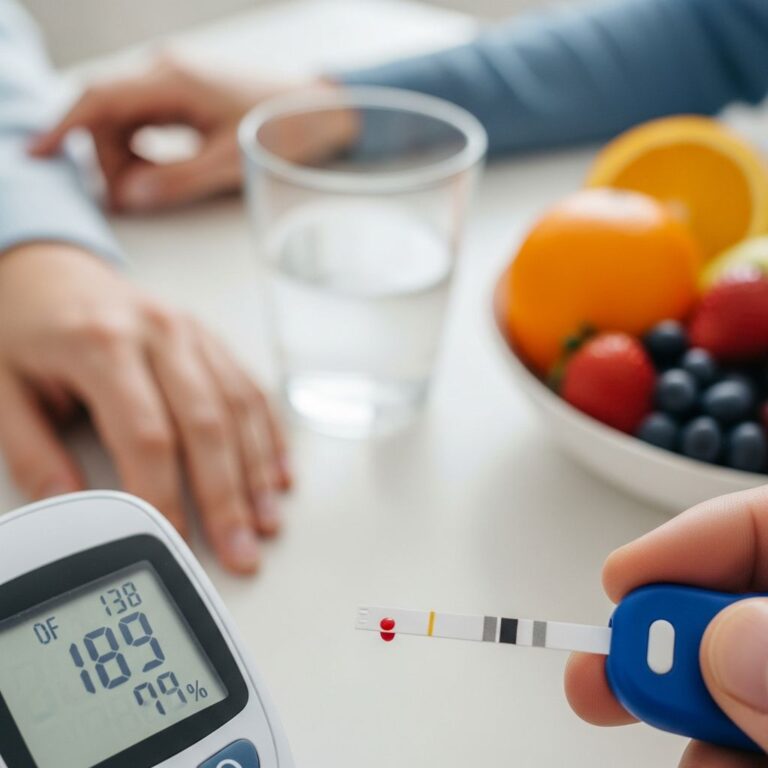
Managing high cholesterol doesn’t require complex diets or restrictive eating—start with simple, sustainable changes to your daily meals. This beginner-friendly guide outlines how diet impacts cholesterol levels, provides a practical 7-day meal plan, and shares essential tips for long-term success. High cholesterol, particularly elevated LDL (“bad” cholesterol), increases heart disease risk, but dietary adjustments can significantly lower it by prioritizing soluble fiber, healthy fats, and plant sterols while limiting saturated fats and cholesterol.
How Can Diet Help Manage High Cholesterol?
Diet plays a central role in cholesterol management by influencing LDL, HDL (“good” cholesterol), and triglycerides. Heart-healthy eating patterns like the Therapeutic Lifestyle Changes (TLC) diet or DASH plan emphasize nutrient-dense foods that reduce cholesterol absorption in the gut. Key strategies include swapping saturated fats for unsaturated ones, boosting soluble fiber intake to 10-25 grams daily, and incorporating 2 grams of plant stanols/sterols. These changes can lower LDL by 5-15% within weeks when combined with exercise and weight management.
Saturated fats, found in red meats and full-fat dairy, raise LDL more than any other dietary factor. Limit them to under 7% of daily calories—for a 2,000-calorie diet, that’s no more than 13 grams. Instead, choose lean proteins, nuts, and oils like olive or canola. Soluble fiber from oats, beans, and fruits binds cholesterol in the digestive tract, preventing absorption. Omega-3 fatty acids from fatty fish further support heart health by lowering triglycerides and inflammation.
What to Eat to Lower Cholesterol
Focus on whole, unprocessed foods rich in fiber, healthy fats, and cholesterol-blocking compounds. Here’s a breakdown:
- Soluble Fiber Powerhouses (10-25g/day): Oats, barley, apples, pears, bananas, prunes, kidney beans, lentils, chickpeas.
- Healthy Fats: Avocados, nuts (walnuts, almonds), seeds (flax, chia), olive oil, canola oil.
- Omega-3 Sources: Salmon, tuna, mackerel (twice weekly), walnuts, flaxseeds.
- Plant Stanols/Sterols (2g/day): Fortified orange juice, margarines, whole grains, nuts.
- Fruits & Veggies: Aim for 4-5 servings each daily for vitamins, antioxidants, and fiber.
- Whole Grains: Oatmeal, brown rice, quinoa.
- Lean Proteins: Skinless poultry, fish, legumes, egg whites.
Incorporate these into meals for optimal results. For example, start your day with oatmeal topped with berries and nuts to hit fiber goals early.
What Foods Should You Avoid or Limit?
To effectively lower cholesterol, minimize foods that raise LDL:
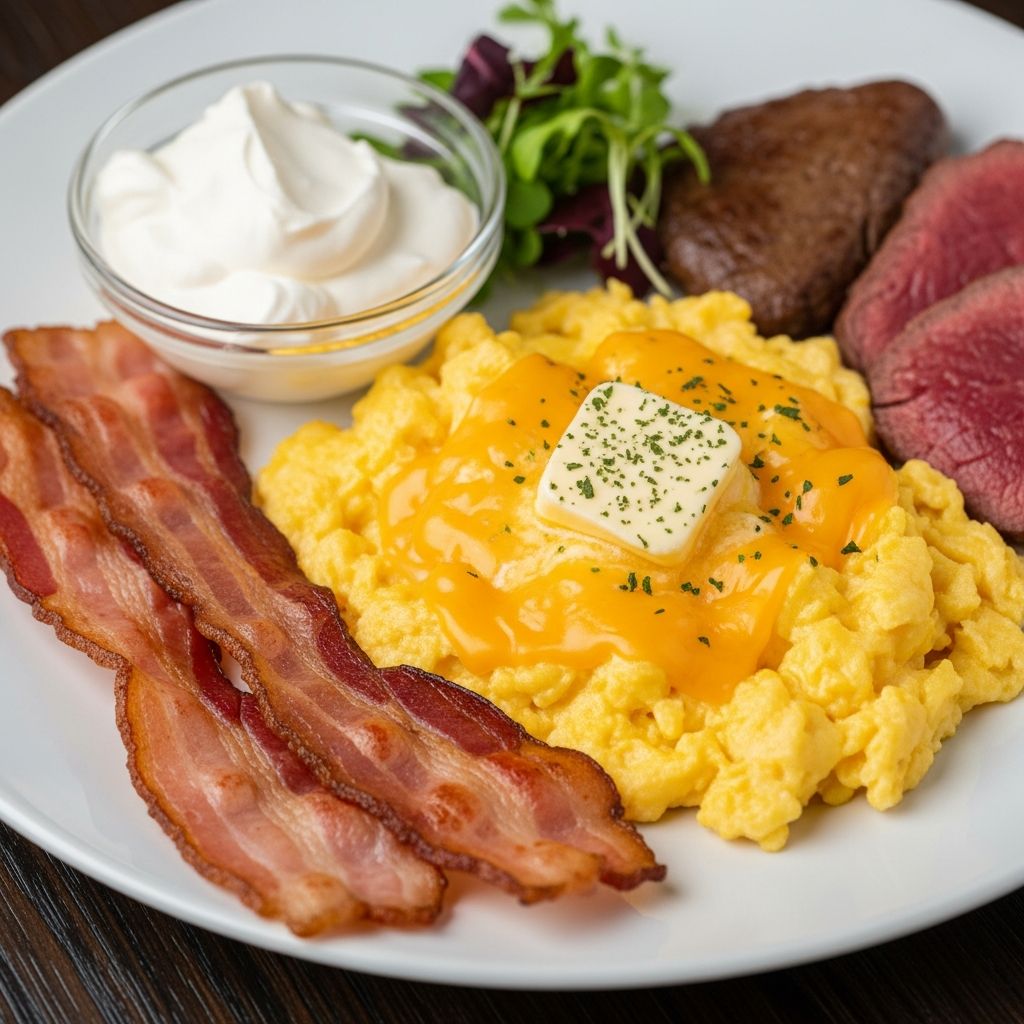
- Saturated Fats: Fatty cuts of meat, butter, cheese, whole milk, ice cream. Cap at 8-17g based on calorie needs (e.g., 13g for 2,000 calories).
- Dietary Cholesterol (<200mg/day): Organ meats, egg yolks, shrimp, full-fat dairy.
- Trans Fats: Fried foods, baked goods, margarine with partially hydrogenated oils.
- Processed Foods: Chips, cookies, fast food high in sodium and sugars.
- Sodium (<2,300mg/day): Canned soups, deli meats, restaurant meals—helps blood pressure too.
- Alcohol: Limit to 1 drink/day for women, 2 for men to avoid triglyceride spikes.
Read nutrition labels: Check saturated fat, cholesterol, and fiber content to guide choices.
Related Stories



7-Day High-Cholesterol-Lowering Meal Plan for Beginners
This 1,800-2,000 calorie plan emphasizes cholesterol-friendly foods, providing balanced meals with ~25g soluble fiber daily. Adjust portions as needed; consult a doctor for personalization. Each day includes breakfast, lunch, dinner, and two snacks.
| Day | Breakfast | Lunch | Dinner | Snacks |
|---|---|---|---|---|
| Day 1 | Oatmeal with banana, chia seeds, and almonds (450 cal) | Grilled chicken salad with mixed greens, chickpeas, avocado, olive oil dressing (500 cal) | Baked salmon, quinoa, steamed broccoli (550 cal) | Apple with peanut butter; carrot sticks (300 cal) |
| Day 2 | Greek yogurt (low-fat) with berries, flaxseeds, walnuts (400 cal) | Lentil soup with whole-grain bread, side salad (500 cal) | Turkey stir-fry with brown rice, bell peppers, edamame (550 cal) | Pear; handful of almonds (350 cal) |
| Day 3 | Whole-grain toast with avocado, egg whites, spinach (450 cal) | Tuna salad (canned in water) on greens with beans, tomatoes (500 cal) | Grilled tofu, barley, asparagus (550 cal) | Orange; yogurt (300 cal) |
| Day 4 | Smoothie: Oats, banana, spinach, almond milk, chia (400 cal) | Chickpea salad wrap in whole-grain tortilla, veggies (500 cal) | Baked cod, sweet potato, green beans (550 cal) | Prunes; walnuts (350 cal) |
| Day 5 | Oat bran cereal with apple, pecans (450 cal) | Quinoa bowl with black beans, corn, salsa, avocado (500 cal) | Chicken breast, couscous, zucchini (550 cal) | Banana; celery with hummus (300 cal) |
| Day 6 | Yogurt parfait with granola (oats-based), kiwi, seeds (400 cal) | Veggie lentil patties on salad (500 cal) | Salmon cakes, brown rice, kale (550 cal) | Pears; mixed nuts (350 cal) |
| Day 7 | Barley porridge with pears, flaxseeds (450 cal) | Bean soup with whole-grain crackers, fruit (500 cal) | Grilled shrimp (small portion), farro, Brussels sprouts (550 cal) | Apple; low-fat cheese stick (300 cal) |
Daily Totals (approx.): 2,000 cal, 25g soluble fiber, <13g sat fat, <200mg cholesterol. Hydrate with water; herbal tea optional.
Cholesterol-Lowering Grocery List
Stock up for the week with these essentials, categorized for easy shopping:
- Produce: Apples, bananas, pears, oranges, berries, spinach, broccoli, bell peppers, avocados, carrots.
- Grains: Oats, oat bran, barley, quinoa, brown rice, whole-grain bread.
- Proteins: Salmon, tuna, chicken breast, turkey, tofu, egg whites, canned beans (kidney, chickpeas, lentils).
- Dairy/Alternatives: Low-fat Greek yogurt, almond milk.
- Nuts/Seeds: Almonds, walnuts, chia, flaxseeds, pecans.
- Oils/Condiments: Olive oil, canola oil, low-sodium seasonings.
Choose fortified products with stanols where available.
5 Beginner Tips for Sticking with a Cholesterol-Lowering Diet
- Start Small: Swap one meal daily, like breakfast oatmeal, to build habits without overwhelm.
- Meal Prep: Cook grains and proteins in batches for quick assembly.
- Read Labels: Prioritize items with >3g fiber/serving and low sat fat.
- Combine with Activity: Add 30 min walking daily to amplify LDL reduction.
- Track Progress: Monitor cholesterol via doctor visits every 3-6 months.
Frequently Asked Questions (FAQs)
Can I eat eggs on a cholesterol-lowering diet?
Limit to egg whites or 2-3 whole eggs weekly; yolks are high in cholesterol (<200mg/day total).
How quickly does diet lower cholesterol?
Noticeable LDL drops in 4-6 weeks with consistent changes; full effects in 3 months.
Is fish safe for everyone?
Yes, aim for 2 servings/week of low-mercury options like salmon; avoid if pregnant and high-mercury types.
What if I have dietary restrictions?
Adapt with plant-based swaps like tofu for meat; consult a dietitian for personalization.
Do I need supplements?
Food-first approach is best; discuss psyllium or sterol supplements with your doctor if needed.
This plan empowers beginners to take control of cholesterol through enjoyable, realistic eating. Pair with medical advice for best results.
References
- How to Lower Cholesterol with Diet — MedlinePlus (National Library of Medicine). 2023-10-15. https://medlineplus.gov/howtolowercholesterolwithdiet.html
- High Blood Cholesterol: What You Need to Know — National Heart, Lung, and Blood Institute (NIH). 2024-05-20. https://www.nhlbi.nih.gov/health/high-blood-cholesterol
- Dietary Guidelines for Americans, 2020-2025 — U.S. Department of Health and Human Services / USDA. 2020-12-01. https://www.dietaryguidelines.gov/
- Therapeutic Lifestyle Changes (TLC) to Lower Cholesterol — NIH National Heart, Lung, and Blood Institute. 2023-08-12. https://www.nhlbi.nih.gov/education/TLC
- Omega-3 Fatty Acids and Heart Health — American Heart Association. 2024-02-10. https://www.heart.org/en/healthy-living/healthy-eating/eat-smart/fats/fish-and-omega-3-fatty-acids
Similar Articles








Read full bio of Sneha Tete