High Cholesterol and Dietary Supplements: What Works
Discover evidence-based dietary supplements that may help manage high cholesterol levels safely.
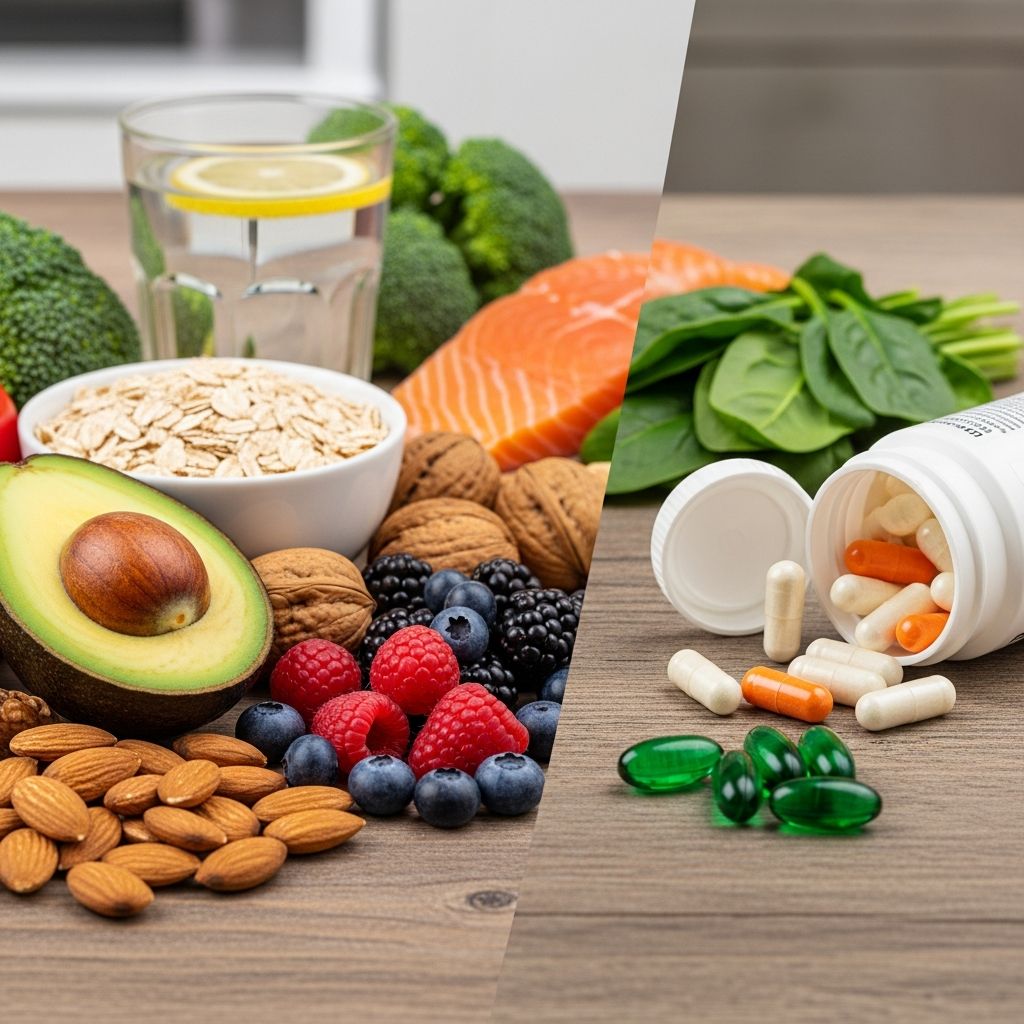
High cholesterol is a common health concern affecting millions of people worldwide. While lifestyle modifications such as diet and exercise are fundamental approaches to managing cholesterol levels, many individuals seek additional support through dietary supplements. Understanding which supplements have scientific evidence behind them and how to use them safely is essential for making informed health decisions.
The National Center for Complementary and Integrative Health (NCCIH) recognizes that people often turn to dietary supplements to complement conventional medical treatments for high cholesterol. However, not all supplements are equally effective, and some may pose safety concerns. This comprehensive guide explores evidence-based dietary supplements for cholesterol management, providing you with the information needed to discuss options with your healthcare provider.
Plant Stanols and Sterols: Proven Cholesterol Reduction
Plant stanols and sterols represent one of the most well-researched supplement categories for cholesterol management. These compounds are naturally occurring substances found in plants that structurally resemble cholesterol and can interfere with its absorption in the digestive system.
Studies demonstrate that when taken with meals, stanol and sterol supplements can significantly reduce low-density lipoprotein (LDL) cholesterol levels. A 2013 systematic review and meta-analysis of eight studies found that supplementation of plant sterols and stanols in tablets and capsules was associated with clinically significant reductions in LDL cholesterol. The analysis showed no significant difference between the cholesterol-lowering action of plant sterol and stanol supplements compared with foods enriched with these compounds.
Safety Profile: Plant sterols and stanols are generally safe for most healthy people. The primary side effects include diarrhea or fat in the stool. However, individuals with sitosterolemia, a rare genetic condition that causes elevated plant sterol levels in the blood, should avoid these supplements due to increased risk of premature atherosclerosis. Always consult with your healthcare provider if you have genetic lipid disorders.
Omega-3 Fatty Acids and Fish Oil: Managing Triglycerides
Omega-3 fatty acids, particularly those found in fish oil supplements, have demonstrated effectiveness in managing specific lipid profiles, especially elevated triglyceride levels. These supplements contain eicosapentaenoic acid (EPA) and docosahexaenoic acid (DHA), which are long-chain omega-3 fatty acids with cardiovascular benefits.
The American Heart Association recommends 2 to 4 grams per day of EPA plus DHA to lower triglycerides in individuals with elevated levels. A 2018 review indicated that therapeutic doses of omega-3 supplements may help manage cardiovascular risk by reducing triglycerides and inflammation. If patients require more than 3 grams daily, they should be under physician supervision.
Product Consistency: It is important to note that over 400 over-the-counter omega-3 fish oil dietary supplements are currently marketed. These products vary significantly in quality and composition. While they contain EPA and DHA, they may also include saturated fats, fat-soluble vitamins, and cholesterol. Fish oil supplements vary in their EPA and DHA concentrations, ranging anywhere from 20% to more than 80%. To ensure efficacy and safety, select products from reputable manufacturers and verify the EPA and DHA content on the label.
Niacin (Vitamin B3): Raising HDL Cholesterol
Niacin, also known as vitamin B3, is one of the most effective agents for raising high-density lipoprotein (HDL) cholesterol, often called “good” cholesterol. Niacin can raise HDL cholesterol by almost 35%, while also reducing LDL cholesterol by up to 25% and triglycerides by 20% to 50%. These effects are dose-related, requiring 1 to 4 grams per day for therapeutic benefit.
Product Types: Several niacin formulations are available, including immediate-release, long-acting (sustained-, controlled-, or timed-release), and extended-release varieties. Immediate-release and long-acting products are available over-the-counter, while extended-release products require a prescription. A no-flush formulation is available over-the-counter; however, it contains inositol hexaniacinate rather than true niacin, and research shows it to be ineffective as a lipid-lowering agent.
Managing Side Effects: Niacin-induced flushing—characterized by itching, redness, and warmth in the face and upper body—is a major barrier to its use and often limits patients’ ability to achieve therapeutic dosing. Most patients experience flushing, which is typically more intense at the start of therapy but usually subsides with continued use. To minimize flushing, gradually increase the dose, take niacin with meals, and pretreat with aspirin. These strategies can significantly improve tolerance and compliance.
Supplements to Avoid: Sustained-release niacin and no-flush niacin formulations lack sufficient evidence for cholesterol reduction and are not recommended. Additionally, niacinamide, another form of vitamin B3, has not demonstrated effectiveness for lowering cholesterol.
Soluble Fiber: Clearing Cholesterol from Your System
Soluble fiber plays an important role in cholesterol management by binding to cholesterol particles in the digestive system and facilitating their elimination through the bowels. Common sources of soluble fiber include oats, psyllium, pectin, and guar gum, all of which have been associated with lowering total cholesterol and LDL cholesterol levels.
Psyllium husk fiber appears to be one of the most effective soluble fibers with the least adverse effects. Consuming 7 to 10 grams of psyllium daily has demonstrated reductions in total cholesterol levels by 4% to 15% and LDL cholesterol levels by 6% to 18%.
Usage Recommendations: When incorporating fiber supplements into your routine, introduce them gradually to avoid side effects such as bloating or cramping. Additionally, individuals should speak with a doctor before taking fiber supplements if they are taking medications or have existing conditions affecting their digestive system. Adequate water intake is essential when consuming fiber supplements to promote proper digestion.
Flaxseed and Flaxseed Oil: Mixed Results
Studies examining flaxseed and flaxseed oil for cholesterol reduction have yielded mixed results, suggesting that the form and type of flaxseed product matter significantly. A 2022 systematic review and meta-analysis found that different flaxseed products showed different effects in postmenopausal women. Whole flaxseed supplementation significantly reduced total cholesterol, while supplementation with lignans (compounds found in flaxseed) significantly reduced total cholesterol, LDL cholesterol, and HDL cholesterol. In contrast, flaxseed oil supplements showed no lowering effect on lipids.
A 2015 randomized controlled trial involving 110 participants with clinically significant cardiovascular disease found that milled flaxseed lowered total cholesterol and LDL cholesterol in people with peripheral artery disease and may have additional LDL-lowering capabilities when used in conjunction with cholesterol-lowering medications.
Given the inconsistent evidence, individuals interested in flaxseed should discuss its use with their healthcare provider and understand that results may vary based on the specific product formulation.
Red Clover: Inconsistent Evidence
Red clover supplements have been studied for their potential effects on cholesterol and other lipids; however, research results have been inconsistent. A 2020 systematic review and meta-analysis of 10 studies involving 910 perimenopausal and postmenopausal women found that red clover extract was associated with a significant reduction in total cholesterol; however, its effects on HDL cholesterol and LDL cholesterol were not significant.
A 2022 systematic review and meta-analysis found a significant reduction in total cholesterol levels after red clover supplement use and a significant increase in HDL cholesterol levels. Due to these mixed and modest results, red clover cannot be reliably recommended for cholesterol management without additional research.
Red Yeast Rice: Regulatory and Safety Concerns
Red yeast rice is a dietary supplement derived from rice fermented with red yeast (Monascus purpureus). It contains monacolin K, a naturally occurring compound that is an analogue of the FDA-approved medication lovastatin. Clinical trials have demonstrated that red yeast rice can produce significant reductions in total cholesterol, LDL cholesterol, and triglycerides, along with increases in HDL cholesterol.
Regulatory Issues: However, the FDA has determined that any product containing more than a trace amount of monacolin K cannot be sold legally as a dietary supplement in the United States. This regulatory stance reflects concerns about standardization and quality control. While some reviews suggest that consuming 3 milligrams of daily monacolin carries minimal risks compared with statins, and previous studies indicate that red yeast rice does not cause muscle aches commonly associated with statin therapy, the lack of FDA oversight and standardization makes it difficult to ensure product quality and consistency.
Garlic: Limited Evidence
Garlic is frequently discussed as a natural supplement for cholesterol management and was among the top 10 most frequently used natural products for cholesterol reduction. However, scientific evidence does not support garlic’s effectiveness for lowering cholesterol levels. Healthcare professionals recommend avoiding garlic supplements due to lack of efficacy for this particular purpose, despite its use in traditional medicine.
Supplements Supported by Evidence
Based on current scientific evidence and clinical guidelines, the following supplements demonstrate support for cholesterol management:
- Immediate-release niacin – Effectively raises HDL cholesterol and lowers LDL cholesterol and triglycerides at therapeutic doses of 1-4 grams daily
- Omega-3 fatty acids/fish oil – Helps reduce triglycerides and cardiovascular inflammation at doses of 2-4 grams daily
- Soluble fiber (psyllium) – Reduces total cholesterol and LDL cholesterol with daily consumption of 7-10 grams
- Plant stanols and sterols – Reduce LDL cholesterol when taken with meals in supplement or fortified food forms
Important Regulatory Considerations
It is crucial to understand that dietary supplements are not regulated by the FDA in the same manner as pharmaceutical medications. This means that manufacturers have more latitude in marketing claims, and there may be inconsistencies between different manufacturers and even between batches from the same company. The actual content of active ingredients may vary significantly from what is listed on the label.
When selecting dietary supplements for cholesterol management, choose products from reputable manufacturers with third-party testing certification. Look for products that have been tested by organizations such as USP (United States Pharmacopeia), NSF International, or ConsumerLab to verify ingredient quality and potency.
Integration with Conventional Treatment
Dietary supplements should be considered complementary to, rather than replacements for, conventional cholesterol management strategies. The most effective approach combines lifestyle modifications—including a heart-healthy diet rich in fruits, vegetables, and whole grains; regular physical activity; weight management; and smoking cessation—with evidence-based supplements when appropriate and approved by your healthcare provider.
For many individuals, pharmaceutical interventions such as statins remain the gold standard for cholesterol management, particularly those with significantly elevated cholesterol levels or cardiovascular disease risk. Dietary supplements can provide additional support but should not be used as a sole treatment without medical guidance.
Frequently Asked Questions
Q: Can dietary supplements alone manage my high cholesterol?
A: Dietary supplements alone are generally not sufficient for managing clinically significant high cholesterol. They work best as part of a comprehensive approach that includes diet, exercise, and potentially medication as recommended by your healthcare provider. Always consult with your doctor before relying solely on supplements.
Q: How long does it take for supplements to lower cholesterol?
A: The timeline varies by supplement. Some, like soluble fiber and plant stanols, may show effects within a few weeks, while others require several months of consistent use. It is important to have your cholesterol levels retested after starting supplements to assess effectiveness.
Q: Are dietary supplements for cholesterol safe for everyone?
A: While most evidence-based supplements are generally safe for healthy adults, certain populations should exercise caution. Pregnant women, nursing mothers, individuals with liver or kidney disease, and those taking medications should consult their healthcare provider before starting any supplement regimen.
Q: Can I take multiple cholesterol supplements together?
A: Some supplements can be combined, but interactions are possible. For example, taking niacin with certain medications or other supplements may affect absorption or efficacy. Always inform your healthcare provider about all supplements you are taking to avoid potential interactions.
Q: Why is fish oil effective for triglycerides but not necessarily for LDL cholesterol?
A: Omega-3 fatty acids work through different mechanisms than LDL-lowering agents. They primarily reduce triglyceride synthesis and inflammation rather than blocking cholesterol absorption or production, which is why they target triglycerides specifically.
Q: Should I check labels for EPA and DHA percentages in fish oil supplements?
A: Yes, absolutely. Since fish oil supplements vary in EPA and DHA concentrations from 20% to more than 80%, checking the label ensures you are getting adequate amounts of the active compounds. Look for products specifying at least 300 mg combined EPA and DHA per serving.
References
- OTC Supplements for the Management of High Cholesterol — U.S. Pharmacist. 2025. https://www.uspharmacist.com/article/otc-supplements-for-the-management-of-high-cholesterol
- Cholesterol-Lowering Supplements May Be Helpful — Mayo Clinic. 2024. https://www.mayoclinic.org/diseases-conditions/high-blood-cholesterol/in-depth/cholesterol-lowering-supplements/art-20050980
- High Cholesterol and Natural Products: What the Science Says — National Center for Complementary and Integrative Health (NCCIH), National Institutes of Health. 2025. https://www.nccih.nih.gov/health/providers/digest/high-cholesterol-and-natural-products-science
- Best Supplements for Lowering Cholesterol — Medical News Today. 2024. https://www.medicalnewstoday.com/articles/cholesterol-lowering-supplements
- Red Yeast Rice — National Center for Complementary and Integrative Health (NCCIH), National Institutes of Health. 2025. https://www.nccih.nih.gov/health/red-yeast-rice
- High Cholesterol and Dietary Supplements — National Center for Complementary and Integrative Health (NCCIH), National Institutes of Health. 2025. https://www.nccih.nih.gov/health/tips/high-cholesterol-and-dietary-supplements
Similar Articles







Read full bio of medha deb