High-Fiber Diet: 7-Day Meal Plan For 30-40g Fiber Daily
Boost your health with a high-fiber diet plan: expert tips, meal ideas, and benefits for heart, gut, and weight management.
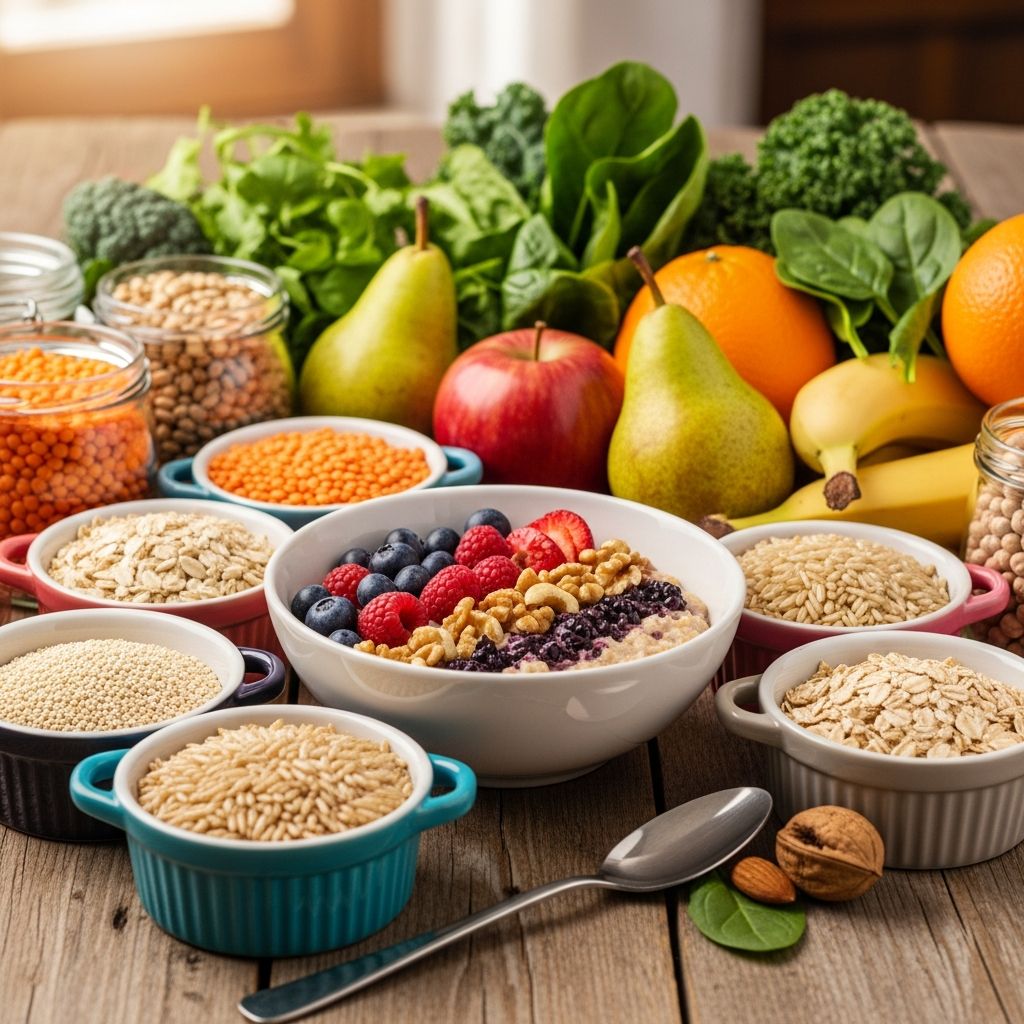
A high-fiber diet provides essential benefits for digestive health, heart function, blood sugar control, and weight management by incorporating fiber-rich foods like fruits, vegetables, whole grains, and legumes into daily meals.
What Is a High-Fiber Diet?
Dietary fiber consists of indigestible plant components that promote bowel regularity, lower cholesterol levels, stabilize blood sugar, and foster satiety. Soluble fiber dissolves in water to form a gel-like substance that binds cholesterol and sugars, while insoluble fiber adds bulk to stool for easier passage. Adults should target 25 grams for women and 38 grams for men daily, or 14 grams per 1,000 calories consumed, according to health guidelines.
High-Fiber Diet Benefits
Incorporating more fiber yields multiple health advantages, supported by research.
Improves Heart Health
High-fiber diets significantly reduce cardiovascular disease (CVD) risk by lowering inflammation markers, regulating blood sugar, reducing cholesterol, and supporting healthy weight. Fruit and cereal fibers are particularly effective for these outcomes.
- Reduces LDL cholesterol and triglycerides.
- Lowers blood pressure and inflammation.
- Promotes better overall cardiovascular outcomes.
Manages Type 2 Diabetes
Fiber-rich, low-calorie diets with vitamins and minerals help control HbA1c levels and maintain stable blood sugar. Avoiding sugars and processed foods enhances insulin sensitivity and lipid profiles. Soluble fibers like galactomannans lower fasting glucose, HbA1c, and cholesterol.
- Improves glycolipid metabolism at 50g/day intake.
- Grain-based fibers boost insulin sensitivity.
- Reduces hyperglycemia and hyperlipidemia risks.
Supports Weight Loss
Fiber promotes satiety, reduces calorie intake, and prevents weight gain, especially when paired with protein. Studies show fiber-protein shakes before meals enhance weight loss and metabolic health in overweight adults.
- Increases fullness to curb overeating.
- Low-calorie fiber foods aid appetite regulation.
- Combines effectively with protein for better results.
Enhances Gut Health
Fiber feeds beneficial gut bacteria, reduces inflammation, and improves conditions like ulcerative colitis and Crohn’s disease. It supports regular digestion and prevents constipation.
- Promotes diverse microbiome.
- Lowers gut inflammation markers.
- Beneficial for IBD management.
High-Fiber Foods List
Focus on whole, unprocessed sources to maximize benefits. Here’s a categorized list:
| Category | Examples | Fiber per Serving |
|---|---|---|
| Fruits | Apples, pears, berries, oranges, bananas | 4-6g per medium fruit |
| Vegetables | Broccoli, carrots, Brussels sprouts, spinach, sweet potatoes | 3-5g per cup |
| Whole Grains | Oats, quinoa, brown rice, barley, whole-wheat bread | 5-8g per ½ cup cooked |
| Legumes | Black beans, lentils, chickpeas, kidney beans | 7-15g per ½ cup |
| Nuts & Seeds | Almonds, chia seeds, flaxseeds, popcorn | 3-10g per ounce |
7-Day High-Fiber Meal Plan
This 2,000-calorie plan delivers 30-40g fiber daily. Adjust portions as needed and drink plenty of water.
Day 1
- Breakfast: Oatmeal with berries and chia seeds (10g fiber)
- Lunch: Quinoa salad with chickpeas, veggies, and olive oil (12g)
- Dinner: Grilled salmon, brown rice, broccoli (8g)
- Snack: Apple with almonds (5g)
Day 2
- Breakfast: Smoothie with spinach, banana, flaxseeds (9g)
- Lunch: Lentil soup with whole-grain bread (11g)
- Dinner: Stir-fried tofu, sweet potatoes, kale (10g)
- Snack: Pear and yogurt (4g)
Day 3
- Breakfast: Whole-grain toast with avocado and eggs (7g)
- Lunch: Black bean wrap with salad (13g)
- Dinner: Turkey chili with beans and cornbread (12g)
- Snack: Carrot sticks with hummus (5g)
Related Stories



Day 4
- Breakfast: Chia pudding with kiwi and nuts (10g)
- Lunch: Barley veggie soup (9g)
- Dinner: Baked chicken, quinoa, Brussels sprouts (11g)
- Snack: Orange and popcorn (6g)
Day 5
- Breakfast: Bran muffin with fruit (8g)
- Lunch: Chickpea salad sandwich (12g)
- Dinner: Veggie stir-fry with brown rice (10g)
- Snack: Berries with seeds (5g)
Day 6
- Breakfast: Overnight oats with apples (11g)
- Lunch: Kidney bean salad (13g)
- Dinner: Lentil curry with naan (12g)
- Snack: Banana with peanut butter (4g)
Day 7
- Breakfast: Green smoothie bowl (9g)
- Lunch: Whole-grain pasta with veggies (10g)
- Dinner: Grilled fish, sweet potato, greens (9g)
- Snack: Handful of mixed nuts (6g)
Sample High-Fiber Recipes
Overnight Oats
Ingredients: ½ cup oats, 1 cup almond milk, 1 tbsp chia seeds, ½ cup berries, 1 tbsp almonds.
Instructions: Mix and refrigerate overnight. Top with berries and nuts. (12g fiber)
Chickpea Salad
Ingredients: 1 cup chickpeas, cucumber, tomatoes, onion, lemon-olive dressing.
Instructions: Toss together. Serve cold. (15g fiber)
Foods to Avoid on a High-Fiber Diet
Limit low-fiber processed items to maximize benefits:
- White bread and refined grains.
- Sugary cereals and snacks.
- Processed meats and fried foods.
- Low-fiber dairy without added fruits.
- Juices without pulp (opt for whole fruits).
How to Start a High-Fiber Diet
Increase intake gradually to avoid bloating:
- Add 5g fiber daily, increasing water intake.
- Swap refined grains for whole versions.
- Incorporate beans and veggies into every meal.
- Use high-fiber snacks like fruits and nuts.
- Track intake with apps for 25-38g target.
High-Fiber Diet Tips
- Pair fiber with healthy fats and proteins for balance.
- Choose variety for soluble and insoluble fibers.
- Read labels for ‘whole grain’ first ingredient.
- Cook veggies lightly to retain fiber.
- Experiment with legumes in soups and salads.
High-Fiber Diet Risks and Considerations
Sudden increases may cause gas or cramps; ramp up slowly. Those with IBS or on certain meds should consult doctors. Ensure balanced nutrients to avoid deficiencies.
Frequently Asked Questions
What happens when you eat too much fiber?
Excess fiber (over 70g/day) can lead to bloating, gas, or nutrient malabsorption. Stick to recommended amounts and hydrate well.
Can a high-fiber diet help with constipation?
Yes, insoluble fiber adds bulk and speeds transit time, relieving constipation effectively.
Is fiber good for weight loss?
Absolutely; it promotes fullness, reduces calorie intake, and supports metabolic health, especially with protein.
How much water should I drink on a high-fiber diet?
Aim for 8-10 cups daily to help fiber move through the digestive system.
Are there high-fiber low-carb options?
Yes, focus on non-starchy veggies, nuts, seeds, and avocados for low-carb fiber sources.
References
- Dietary fiber influence on overall health, with an emphasis on CVD — PMC/NCBI. 2024. https://pmc.ncbi.nlm.nih.gov/articles/PMC11671356/
Similar Articles








Read full bio of medha deb