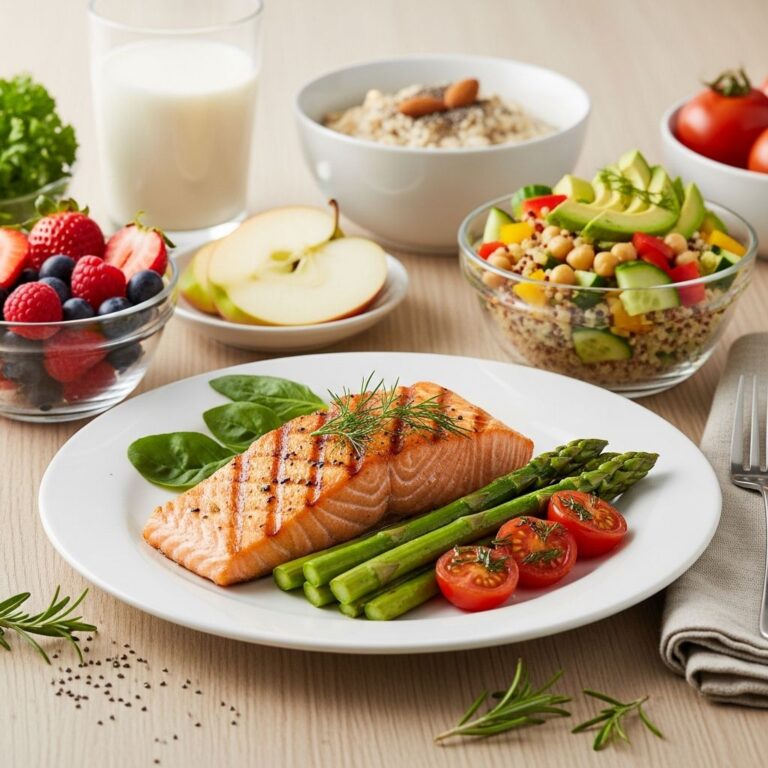
High-Fiber Foods: Dietitian-Recommended Choices for Better Health
Discover the best high-fiber foods recommended by dietitians to boost your health and wellness.
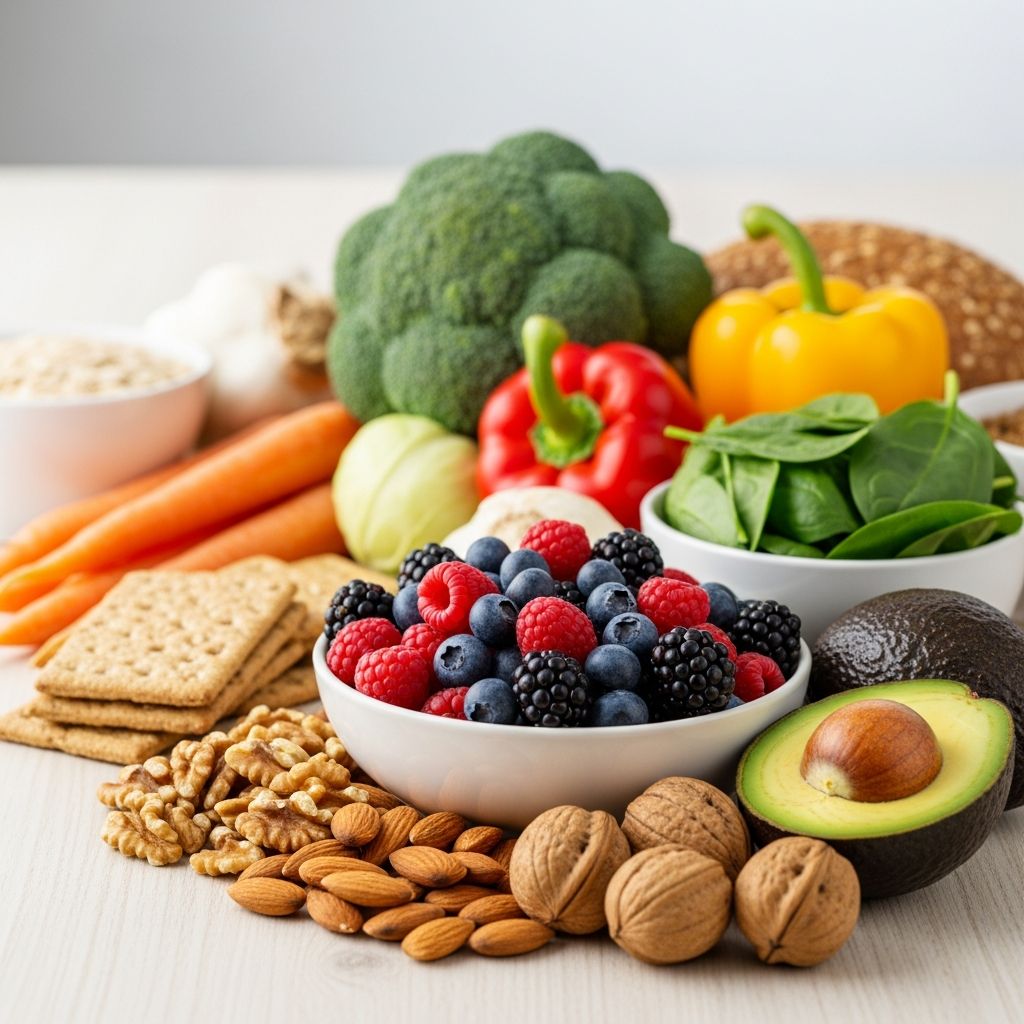
Dietary fiber is an essential nutrient that plays a crucial role in maintaining digestive health, supporting heart function, and helping with weight management. Despite its importance, most Americans don’t consume enough fiber daily. According to nutritional guidelines, adults should aim for 25-35 grams of fiber per day, yet the average American consumes only about 15 grams. Understanding which foods are rich in fiber and how to incorporate them into your diet can significantly improve your overall health and well-being.
What Is Dietary Fiber and Why Is It Important?
Dietary fiber is a type of carbohydrate found in plant-based foods that your body cannot digest. Unlike other carbohydrates that break down into sugar molecules, fiber passes through your digestive system largely intact. There are two main types of fiber: soluble and insoluble, each offering distinct health benefits.
Soluble fiber dissolves in water to form a gel-like substance, helping to slow digestion and regulate blood sugar levels. This type of fiber is particularly beneficial for heart health and cholesterol management. Insoluble fiber doesn’t dissolve in water and helps promote digestive regularity and bowel health. Most plant-based foods contain a combination of both types.
The benefits of adequate fiber intake are well-documented and extensive. Fiber supports digestive health by promoting regular bowel movements and feeding beneficial bacteria in your gut. It helps stabilize blood sugar levels, making it valuable for diabetes prevention and management. Additionally, fiber contributes to heart health by helping reduce cholesterol levels and supporting healthy blood pressure. Finally, foods high in fiber tend to be more filling, which can aid in weight management by reducing overall calorie intake.
How Much Fiber Do You Need Daily?
The recommended daily fiber intake varies based on age and sex. According to the Academy of Nutrition and Dietetics:
- Adult women should aim for 25 grams of fiber per day
- Adult men should aim for 38 grams of fiber per day
- Adults over 50 years old should consume 21 grams (women) or 30 grams (men) per day
- Children and teens should gradually increase fiber intake based on their age and caloric needs
It’s important to increase fiber intake gradually over several weeks, as consuming too much fiber too quickly can cause digestive discomfort such as bloating, gas, or abdominal cramping. Additionally, drinking plenty of water is essential when increasing fiber consumption, as fiber works best when combined with adequate hydration.
Best High-Fiber Foods Recommended by Dietitians
Vegetables
Vegetables are among the best sources of dietary fiber and should form a cornerstone of any high-fiber diet. Vegetables vary significantly in their fiber content, and choosing a variety ensures you receive diverse nutrients alongside your fiber intake.
- Artichokes: One medium artichoke contains approximately 7 grams of fiber, making it one of the highest-fiber vegetables available
- Peas: One cup of cooked peas provides about 9 grams of fiber, plus valuable protein
- Broccoli: One cup of raw broccoli contains approximately 2.4 grams of fiber and numerous micronutrients
- Brussels sprouts: These cruciferous vegetables offer about 4 grams of fiber per cooked cup
- Sweet potatoes: With skin included, a medium sweet potato provides approximately 3.6 grams of fiber
- Corn: One cup of cooked corn contains about 3.5 grams of fiber
- Squash: Both summer and winter varieties are excellent fiber sources, offering 2-3 grams per cup
Related Stories



When preparing vegetables, retain the skin whenever possible, as much of the fiber is concentrated in the outer layers. Raw vegetables often contain more fiber than cooked versions, though lightly cooked vegetables can be easier to digest for some people.
Fruits
Fruits provide both soluble and insoluble fiber along with vitamins, minerals, and antioxidants. They make excellent additions to meals, snacks, and desserts.
- Raspberries: One cup of fresh raspberries contains approximately 8 grams of fiber, the highest among berries
- Pears: A medium pear with skin provides about 5.5 grams of fiber
- Apples: A medium apple with skin contains approximately 4.4 grams of fiber
- Blackberries: One cup of blackberries offers about 7.6 grams of fiber
- Avocados: While technically a fruit, one avocado provides approximately 10 grams of fiber, along with healthy fats
- Berries: Blueberries, strawberries, and other berries all contribute meaningful fiber content
- Bananas: A medium banana contains about 3.1 grams of fiber and is particularly convenient for snacking
Fresh fruits are generally preferred over dried versions, as dried fruits concentrate sugars while maintaining fiber content. However, dried fruits like prunes and figs can still be beneficial in moderation.
Whole Grains
Whole grains retain all three parts of the grain kernel—the bran, germ, and endosperm—making them significantly higher in fiber than refined grains. Replacing refined grains with whole grain options is one of the most impactful dietary changes for increasing fiber intake.
- Oats: One cup of cooked oatmeal provides approximately 8 grams of fiber and is rich in beta-glucan, a beneficial soluble fiber
- Whole wheat: One slice of whole wheat bread contains about 3-4 grams of fiber
- Brown rice: One cup of cooked brown rice offers approximately 3.5 grams of fiber
- Quinoa: One cup of cooked quinoa provides about 5.2 grams of fiber, plus complete protein
- Barley: A high-fiber grain containing approximately 6 grams per cooked cup
- Whole grain pasta: One cup of cooked whole grain pasta contains about 6 grams of fiber
- Popcorn: Surprisingly, three cups of air-popped popcorn provides about 3.5 grams of fiber when prepared without excessive oil
When selecting grain products, check the ingredient list to ensure the first ingredient is a whole grain rather than refined flour. Look for products containing at least 3 grams of fiber per serving.
Legumes and Beans
Legumes—including beans, lentils, and peas—are among the most fiber-rich foods available. They also provide plant-based protein, making them excellent meat alternatives.
- Lentils: One cup of cooked lentils contains approximately 15.6 grams of fiber and 18 grams of protein
- Black beans: One cup of cooked black beans provides about 15 grams of fiber
- Chickpeas: One cup of cooked chickpeas contains approximately 12.5 grams of fiber
- Kidney beans: One cup of cooked kidney beans offers about 13.1 grams of fiber
- Split peas: One cup of cooked split peas provides approximately 16.3 grams of fiber
- Pinto beans: One cup of cooked pinto beans contains about 15.4 grams of fiber
Legumes are versatile and can be incorporated into soups, salads, curries, and dips. Canned legumes offer convenience, though rinsing them reduces sodium content. Dried legumes require soaking and cooking but are often more economical.
Nuts and Seeds
While high in calories, nuts and seeds provide concentrated sources of fiber along with healthy fats and protein. They’re ideal for snacking, baking, and adding texture to meals.
- Chia seeds: Just two tablespoons contain approximately 10 grams of fiber
- Flaxseeds: Two tablespoons of ground flaxseeds provide about 5.5 grams of fiber
- Almonds: One ounce (about 23 almonds) contains approximately 3.5 grams of fiber
- Peanuts: One ounce of peanuts provides about 2.5 grams of fiber
- Pistachios: One ounce contains approximately 2.8 grams of fiber
- Hemp seeds: Three tablespoons of hemp seeds offer about 1.2 grams of fiber plus omega-3 fatty acids
Seeds are particularly effective when sprinkled on salads, yogurt, or oatmeal. Nut butters also contribute fiber, though they’re more processed than whole nuts.
Practical Tips for Increasing Fiber Intake
Make gradual changes: Increase fiber intake slowly over 2-3 weeks to allow your digestive system to adapt and minimize discomfort.
Stay hydrated: Drink at least 8-10 glasses of water daily, as fiber works most effectively with adequate water intake.
Eat the whole food: Choose whole fruits over juices and whole grains over refined versions to maximize fiber content.
Mix fiber sources: Combine different fiber-rich foods throughout the day to ensure you receive both soluble and insoluble fiber types.
Plan ahead: Prepare fiber-rich meals and snacks in advance to ensure consistency in your diet.
Read labels: Compare products to identify those with the highest fiber content, aiming for at least 3 grams per serving.
Sample High-Fiber Daily Menu
Here’s an example of how to structure a day incorporating adequate fiber:
| Meal | Sample Food | Fiber Content (grams) |
|---|---|---|
| Breakfast | 1 cup oatmeal with raspberries and almonds | 11.5 |
| Morning Snack | Medium apple with 2 tablespoons almond butter | 7.4 |
| Lunch | Salad with spinach, broccoli, chickpeas, and olive oil dressing | 9.5 |
| Afternoon Snack | 1/4 cup almonds and 2 tablespoons chia seed pudding | 8.5 |
| Dinner | 1 cup lentil soup with whole grain bread | 12 |
| Total Daily Fiber | 48.9 | |
Frequently Asked Questions
Q: Can too much fiber be harmful?
A: Consuming excessive fiber too quickly can cause digestive discomfort including bloating, gas, and constipation. It’s important to increase fiber intake gradually and drink adequate water. Adults should aim for 25-38 grams daily depending on age and sex.
Q: Is fiber supplementation as effective as whole foods?
A: While fiber supplements can help meet daily requirements, whole foods are generally preferred as they provide additional nutrients, vitamins, and minerals alongside fiber. Whole foods also contain beneficial compounds that supplements lack.
Q: Does cooking vegetables reduce their fiber content?
A: Cooking generally doesn’t significantly reduce fiber content, though it may affect texture and digestibility. Both raw and cooked vegetables are excellent fiber sources. Choose whichever method you prefer, as consistency matters most.
Q: Can people with digestive conditions eat high-fiber foods?
A: People with conditions like IBS or inflammatory bowel disease should consult healthcare providers before significantly increasing fiber intake. Some may benefit from soluble fiber sources or lower-fiber options, depending on their specific condition.
Q: Which high-fiber foods are best for weight loss?
A: Vegetables, legumes, and whole grains are excellent for weight loss as they’re filling, nutrient-dense, and relatively low in calories. Their satiety effect helps reduce overall calorie consumption naturally.
Q: How quickly will I notice health benefits from increasing fiber?
A: Most people notice improved digestive regularity within a few days to a week. Benefits like cholesterol reduction and blood sugar stabilization typically become apparent over several weeks to months of consistent fiber intake.
Q: Are there fiber-rich foods for people with wheat allergies?
A: Yes, plenty of naturally gluten-free, high-fiber foods exist, including quinoa, brown rice, legumes, fruits, vegetables, seeds, and certified gluten-free oats. These alternatives provide ample fiber without wheat concerns.
References
- Dietary Guidelines for Americans 2020-2025 — U.S. Department of Agriculture and U.S. Department of Health and Human Services. 2020. https://www.dietaryguidelines.gov
- Position of the Academy of Nutrition and Dietetics: Health Implications of Dietary Fiber — Journal of the Academy of Nutrition and Dietetics, 115(11). 2015. https://pubmed.ncbi.nlm.nih.gov/26552895
- Fiber and Prebiotics: Mechanisms and Health Benefits — Nutrients, 12(5), 1417. U.S. National Library of Medicine. 2020. https://www.ncbi.nlm.nih.gov/pmc/articles/PMC7285218
- Soluble Fiber and Heart Health — American Heart Association. 2024. https://www.heart.org
- The Role of Dietary Fiber in Gastrointestinal Health and Disease — Clinics in Colon and Rectal Surgery, 31(3). 2018. https://pubmed.ncbi.nlm.nih.gov/29849576
Similar Articles








Read full bio of medha deb